Listen to the sound of the industrial exhaust fan because that is the only thing standing between you and a total sensory override. We are not just making a condiment; we are engineering a liquid catalyst designed to bypass the palate and strike the central nervous system. When you execute a proper Spicy Green Chili Sauce, you are balancing a volatile chemical equation of capsaicinoids, acetic acid, and aromatic esters. The air in the kitchen should feel electric. It should tingle with the sharp, piquant vapor of charred serranos and the deep, earthy undertones of roasted garlic. This is culinary infrastructure at its most aggressive. We are looking for a sauce that possesses a viscous, velvet-like body and a color so vibrant it looks like it was harvested from a neon sign. Forget the watery, translucent bottled junk found in the supermarket aisles. We are building a high-octane emulsion that demands respect. Grab your apron and calibrate your senses; we are going deep into the green.
THE DATA MATRIX
| Metric | Specification |
|---|---|
| Prep Time | 20 Minutes |
| Execution Time | 15 Minutes |
| Yield | 500ml / 2 Cups |
| Complexity (1-10) | 4 |
| Estimated Cost per Serving | $0.45 |
THE GATHERS
Ingredient Protocol:
- Serrano Peppers: 225g / 8oz (Stemmed and halved)
- Fresh Cilantro: 50g / 2 cups (Packed leaves and tender stems)
- Garlic Cloves: 30g / 6 large cloves (Peeled)
- Neutral Oil (Avocado or Grapeseed): 120ml / 0.5 cup
- Fresh Lime Juice: 60ml / 4 tbsp
- White Distilled Vinegar: 30ml / 2 tbsp
- Kosher Salt: 8g / 1.5 tsp
- Ground Cumin: 2g / 0.5 tsp
- Honey or Agave: 7ml / 1.5 tsp
Section A: Ingredient Quality Audit:
If your serranos are pale or feel rubbery, they have lost their cellular turgor and will produce a dull, muted flavor profile. To fix this, flash-shock them in an ice bath for ten minutes to restore crispness before roasting. If your cilantro is wilting, do not toss it; the stems contain the highest concentration of aromatic oils. Use a sharp chef knife to mince them finely to release those esters into the base. If the lime juice tastes metallic, it is likely over-extracted from a mechanical press. Always hand-squeeze and strain to avoid the bitter pith oils that can ruin the bright, acidic finish of your Spicy Green Chili Sauce.
THE MASTERCLASS
Step-by-Step Execution:
1. Thermal Blistering of the Capsicum
Place your halved serranos and garlic cloves on a sheet pan. Use a digital scale to ensure your ratios are exact. Roast under a high broiler for 5 to 7 minutes until the skins are charred and the garlic is golden.
Pro Tip: This process triggers the Maillard reaction, transforming harsh, raw heat into a complex, smoky sweetness. The char adds "bitter-bright" notes that act as a structural anchor for the sauce.
2. The Aromatic Infusion
Transfer the charred peppers and garlic into a high-speed blender. Add the cumin and salt. Use a bench scraper to collect every charred bit from the sheet pan; those carbonized particles are concentrated flavor nuggets.
Pro Tip: Adding salt at this stage draws out moisture via osmosis, allowing the spices to infuse into the vegetable fibers more effectively during the initial breakdown.
3. Acidic Calibration
Pour in the lime juice, vinegar, and honey. Pulse the mixture five times to create a coarse mash.
Pro Tip: The acetic acid in the vinegar stabilizes the chlorophyll, helping the sauce maintain its vivid green hue. The honey acts as a chemical "buffer" to the capsaicin, rounding out the sharp edges of the heat without making the sauce taste sweet.
4. High-Shear Emulsification
Turn the blender to its highest setting. While the motor is running, slowly stream in the neutral oil. Continue to aerate the mixture until it reaches a thick, viscous consistency.
Pro Tip: By streaming the oil slowly into the spinning blades, you are creating a stable emulsion. The fats encapsulate the spicy molecules, allowing them to linger on the taste buds longer for a sustained "burn" rather than a sharp, fleeting sting.
5. The Final Refinement
Add the cilantro and pulse until the herbs are finely specked throughout but not completely liquefied. Taste and adjust salt if necessary.
Pro Tip: Adding the cilantro at the very end prevents the heat from the friction of the blades from "cooking" the delicate herb, which would turn the sauce a muddy brown color.
Section B: Prep & Timing Fault-Lines:
The biggest failure in this workflow is over-processing the garlic. If the garlic burns under the broiler, it becomes acrid and will dominate the entire Spicy Green Chili Sauce with a burnt rubber aftertaste. Monitor the garlic closely; it usually needs two minutes less than the peppers. If you miss the window, discard the garlic and start over. Another timing error is adding the oil too fast. If the emulsion breaks, the sauce will look "split" with oil pooling at the top. To fix this, whisk in a teaspoon of warm water or a small amount of lecithin to re-bind the fats to the solids.
THE VISUAL SPECTRUM
Section C: Thermal & Visual Troubleshooting:
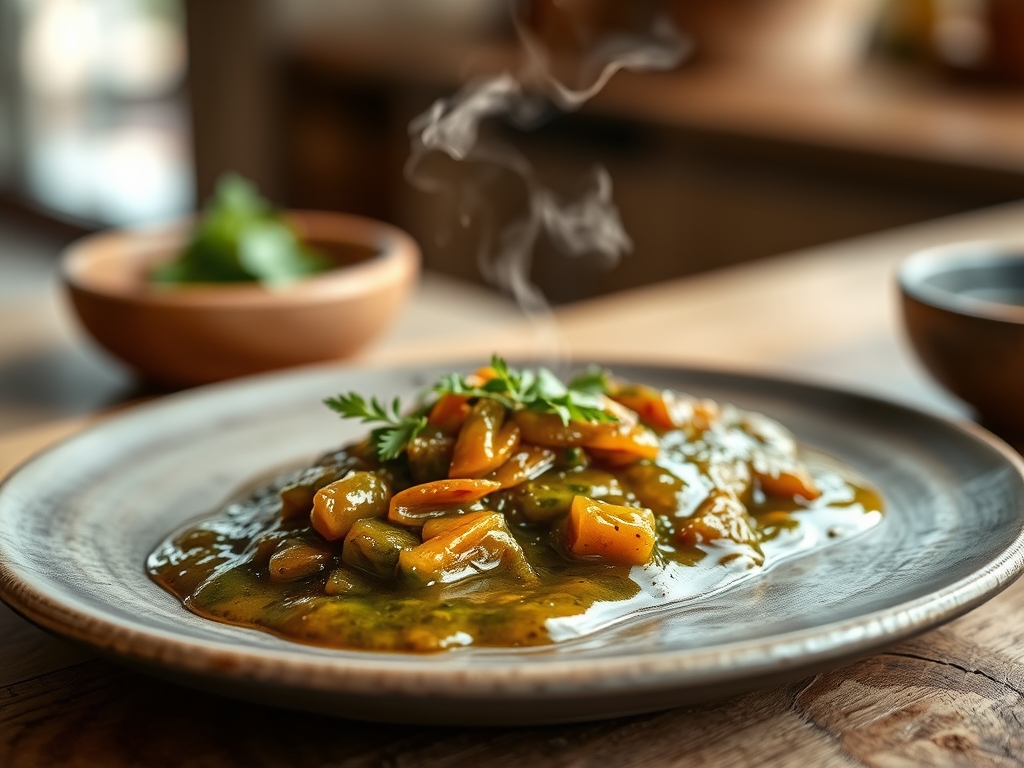
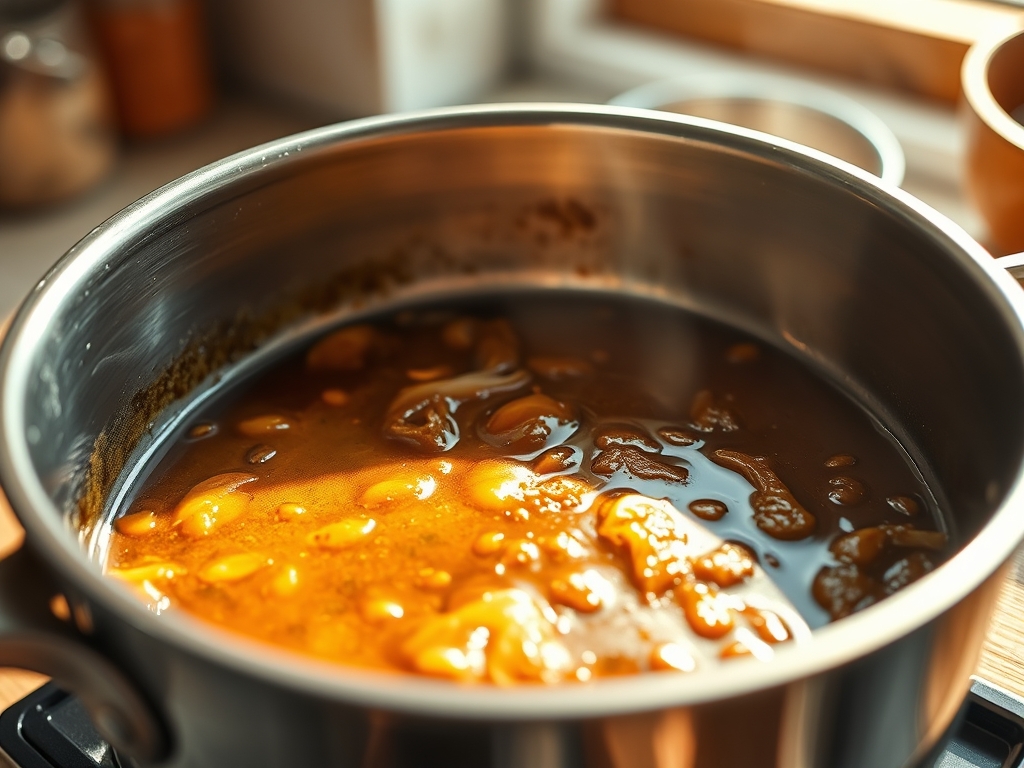
Referencing the Masterclass photo, your sauce should exhibit a "vibrant moss" color with visible flecks of dark char and bright green cilantro. If your sauce looks pale or "milky," you likely added too much oil or over-aerated it, trapping too many air bubbles in the fat. To fix this, let the sauce sit for ten minutes to de-gas, then stir gently with a saucier spoon. If the sauce looks dull or olive-drab, the acid levels are too low to protect the chlorophyll. Add a half-teaspoon of fresh lime juice and stir. The texture should be thick enough to coat the back of a spoon without running off immediately; it should hold its shape when dolloped onto a taco or grilled protein.
THE DEEP DIVE
Macro Nutrition Profile
Per 30ml (2 tbsp) serving:
- Calories: 85 kcal
- Fats: 9g (Healthy monounsaturated fats from avocado oil)
- Carbohydrates: 2g
- Protein: 0.5g
- Sodium: 180mg
Dietary Swaps
- Vegan: This recipe is naturally vegan. Ensure your honey is swapped for agave or maple syrup.
- Keto: Omit the honey entirely. The roasted garlic provides enough natural sugars to balance the acidity.
- GF: Naturally gluten-free. Always check your vinegar source to ensure no grain-based cross-contamination.
Meal Prep & Reheating Science
This sauce is a molecular marvel in the fridge. The flavors will actually deepen over 24 hours as the capsaicin migrates into the oil phase. Store in an airtight glass jar for up to 10 days. Do not reheat this sauce in a microwave; the high heat will break the emulsion and kill the fresh cilantro notes. If using on a hot dish, spoon it over at the very last second to maintain its structural integrity and vibrant color.
THE KITCHEN TABLE
How do I make the sauce less spicy?
Remove the seeds and white membranes (the placenta) from the serranos before roasting. This is where 80 percent of the capsaicin resides. You can also swap half the serranos for poblano peppers to add bulk without the intense heat.
Why did my sauce turn bitter?
Bitterness usually stems from over-roasting the garlic or using old, "woody" cilantro stems. Ensure you are using fresh, vibrant ingredients. A tiny pinch of extra salt or a drop more honey can often neutralize minor bitter notes.
Can I use a food processor instead?
You can, but the texture will be grainier. A high-speed blender provides the shear force necessary to create a truly viscous, professional-grade emulsion. If using a processor, mince the ingredients as finely as possible before starting the motor.
How long does the "bright green" color last?
Thanks to the distilled vinegar and lime juice, the color should remain stable for about 5 to 7 days. After that, natural oxidation will begin to turn the sauce a darker forest green, though it remains perfectly safe to consume.