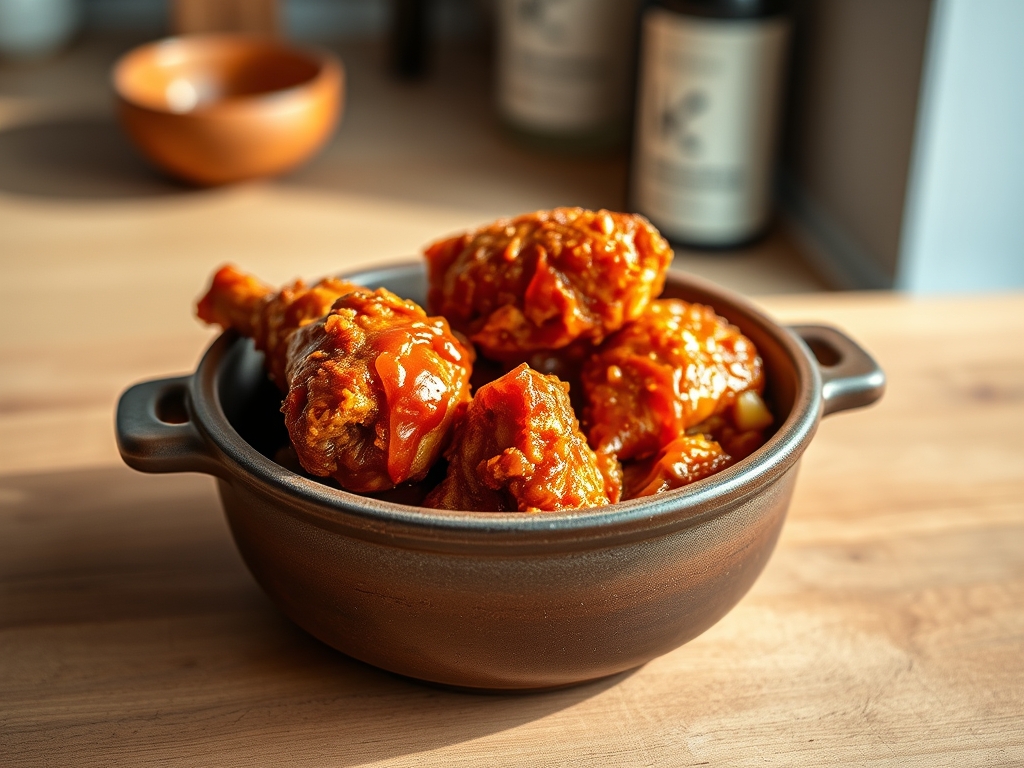
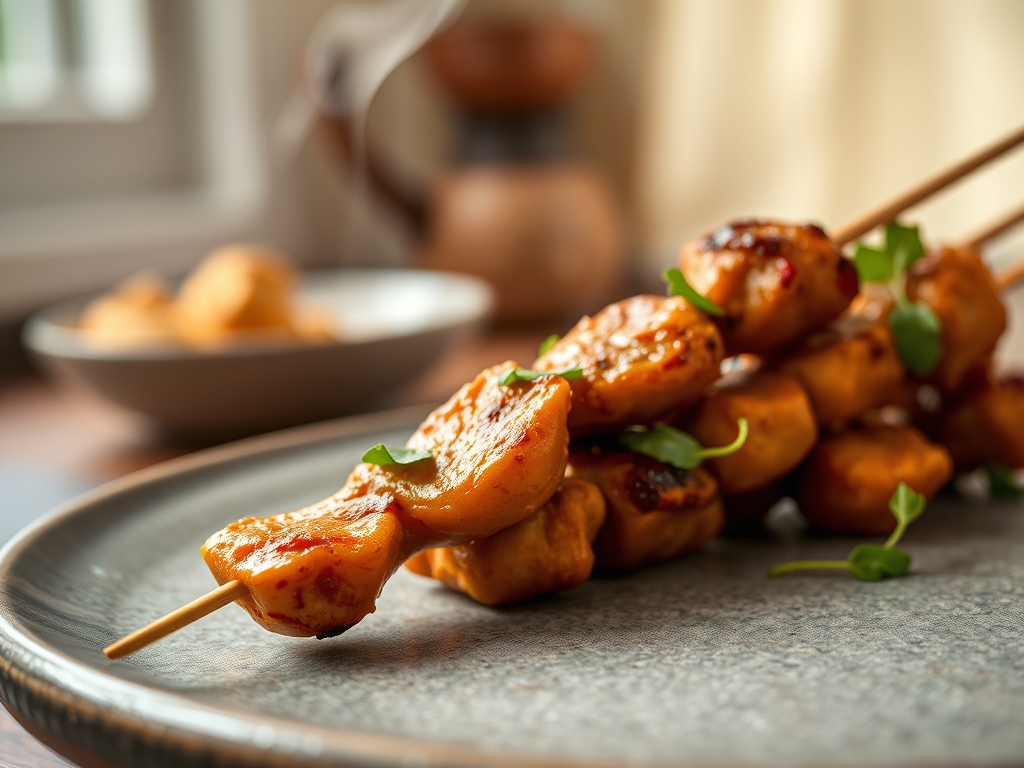
Stop treating your condiment tray like an afterthought and start respecting the structural integrity of the Spicy Peanut Satay. We are not just making a dip; we are engineering a high-viscosity lipid emulsion designed to cling to protein with the tenacity of a tectonic plate. When you hit a street stall in Southeast Asia, that aroma isn't just "food." It is the scent of volatile organic compounds being released through the precise thermal degradation of legume fats and the piquant bite of capsaicin. A true satay base should be thick enough to hold its shape but fluid enough to coat a skewer in a glossy, velvet sheen. If your sauce is weeping oil or looking like a grainy desert landscape, you have failed the most basic laws of culinary physics. We are here to fix that. Prepare to balance the aggressive salt of fermented shrimp paste against the mellow, fatty depth of roasted peanuts and the sharp, acidic spike of tamarind. This is a masterclass in flavor density.
THE DATA MATRIX
| Metric | Specification |
|---|---|
| Prep Time | 20 Minutes |
| Execution Time | 15 Minutes |
| Yield | 500ml / 2 Cups |
| Complexity (1-10) | 6 |
| Estimated Cost per Serving | $0.85 USD |
THE GATHERS
Ingredient Protocol:
- 250g / 1.5 cups Raw Skinless Peanuts (Dry Roasted)
- 400ml / 1.35 cups Full-Fat Coconut Milk (High Lipid Content)
- 60ml / 4 tbsp Red Curry Paste (Piquant Base)
- 45ml / 3 tbsp Palm Sugar (Finely Shaved)
- 30ml / 2 tbsp Tamarind Concentrate (Acidic Balance)
- 15ml / 1 tbsp Fish Sauce (Umami Catalyst)
- 5g / 1 tsp Sea Salt (Fine Grain)
- 30ml / 2 tbsp Neutral Oil (High Smoke Point)
Section A: Ingredient Quality Audit:
If your peanuts taste like dusty cardboard, your sauce is doomed from the start. Sub-par legumes often suffer from rancidity due to oxidation of their internal oils. To fix this, always buy raw peanuts and roast them yourself at 175C / 350F until they achieve a deep golden hue. If your coconut milk is "lite" or contains excessive stabilizers like guar gum, the emulsion will break under high heat. Use only full-fat, canned coconut milk with at least 17 percent fat content. If the tamarind is too sweet, increase the fish sauce by 5ml to re-establish the savory baseline.
THE MASTERCLASS
1. The Legume Pulverization
Place your roasted peanuts into a high-speed blender or food processor. Pulse the mixture until you achieve a coarse, sandy texture. Do not over-process into a smooth butter yet; we need the structural grit for the classic satay mouthfeel. Use a bench scraper to ensure no large fragments remain stuck to the sides of the vessel.
Pro Tip: The friction of the blades generates heat, which can prematurely release peanut oils. Pulse in short bursts to maintain a consistent temperature and prevent the fats from becoming acrid.
2. The Aromatics Infusion
Heat your neutral oil in a heavy-bottomed saucier over medium heat. Add the red curry paste and use a heat-resistant spatula to break it down. Fry the paste for 3 to 4 minutes until the oil begins to separate and turns a vibrant, translucent red. This process is essential to infuse the fat with the fat-soluble compounds in the chilies and galangal.
Pro Tip: This stage is known as "cracking the cream" in traditional Thai cooking. If the oil does not separate, your heat is too low or your paste has too much water content. Increase the BTU output immediately.
3. The Lipid Integration
Gradually pour in 100ml of the coconut milk. Stir constantly to create a smooth starter emulsion. Once integrated, add the remaining coconut milk, ground peanuts, palm sugar, tamarind, and fish sauce. Use a digital scale to verify your liquid ratios if the sauce appears too thin. Simmer on low heat, stirring frequently to prevent the sugars from scorching on the bottom of the pan.
Pro Tip: The viscous nature of the sauce increases as water evaporates. If the sauce becomes too thick, deglaze the pan with a tablespoon of warm water or chicken stock to return it to a coat-the-back-of-the-spoon consistency.
4. The Final Emulsion Stabilization
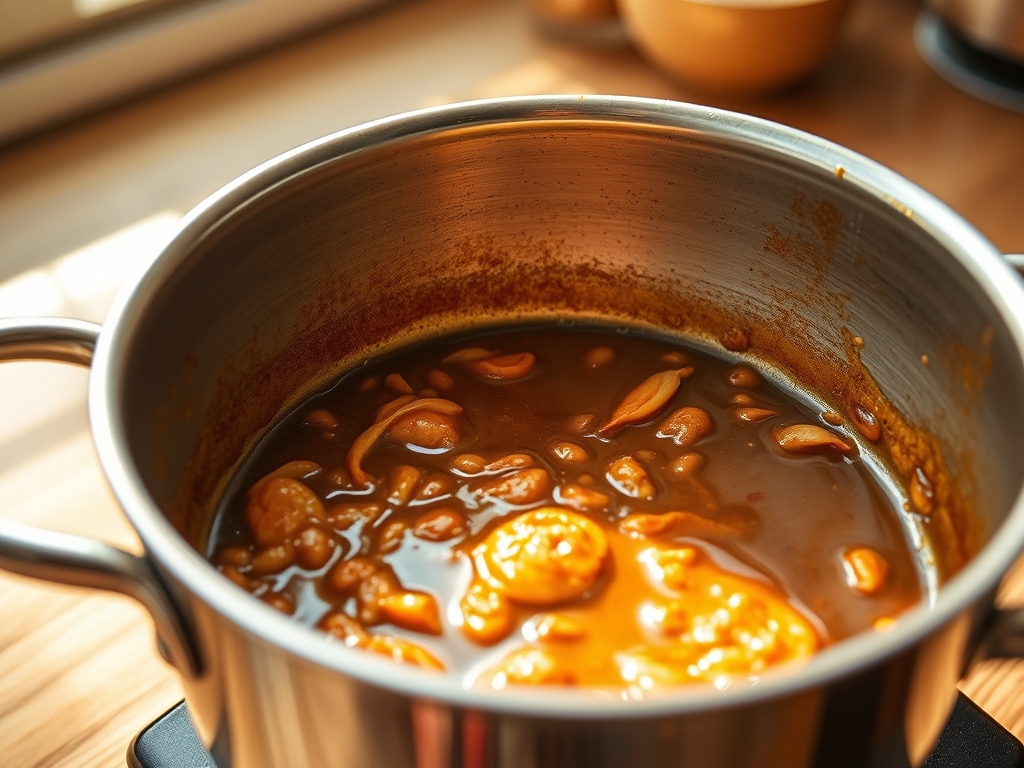
Once the sauce has darkened to a rich mahogany and a thin layer of red oil rises to the surface, remove it from the heat. Taste for the balance of salty, sweet, and piquant notes. Allow the sauce to rest for ten minutes before serving. This allows the starches in the peanuts to fully hydrate and lock the emulsion in place.
Pro Tip: Use a whisk to aerate the sauce slightly before serving. This lightens the density and ensures the flavors hit the palate simultaneously rather than in heavy, separated layers.
Section B: Prep & Timing Fault-Lines:
The most common human error is rushing the aromatics. If you add the coconut milk before the curry paste has fried sufficiently, the "raw" taste of the herbs will persist, ruining the depth of the Spicy Peanut Satay. Another fault-line is temperature control. High heat will cause the coconut milk to curdle, resulting in a grainy, unappealing mess. Maintain a gentle simmer; if you see large, aggressive bubbles, your thermal input is too high.
THE VISUAL SPECTRUM
Section C: Thermal & Visual Troubleshooting:
Look at the Masterclass photo. Notice the "tiger skin" effect where the red oil creates a marbled pattern over the tan peanut base. If your sauce looks dull or monochromatic, you likely skipped the "frying the paste" step or used a low-fat coconut milk. If the color is too light, your peanuts were under-roasted. A perfect satay should have visible specks of crushed peanuts and a glossy, reflective surface. If the sauce looks "broken" or curdled, vigorously whisk in a teaspoon of boiling water to re-bind the fats to the solids.
THE DEEP DIVE
Macro Nutrition Profile:
A standard 60ml serving contains approximately 220 calories, 18g of fat, 12g of carbohydrates, and 6g of protein. The high fat content is primarily monounsaturated from the peanuts and medium-chain triglycerides from the coconut milk.
Dietary Swaps:
- Vegan: Ensure your curry paste does not contain shrimp paste and swap fish sauce for a high-quality light soy sauce or "no-fish" sauce.
- Keto: Replace palm sugar with a granulated monk fruit sweetener or erythritol. The natural fats in the peanuts and coconut make this an ideal ketogenic staple.
- GF: Most ingredients are naturally gluten-free, but double-check the fermentation process of your fish sauce and curry paste for hidden wheat thickeners.
Meal Prep & Reheating Science:
To maintain the molecular structure during storage, place a piece of plastic wrap directly on the surface of the sauce to prevent a skin from forming. When reheating, the fats will have solidified. Do not microwave on high. Instead, use a small saucepan over low heat and add a splash of water or coconut milk to re-emulsify the lipids as they melt.
THE KITCHEN TABLE
Why is my satay sauce bitter?
Bitterness usually stems from over-roasting the peanuts or burning the curry paste. If the peanuts are black, discard them. If the sauce is only slightly bitter, a pinch more palm sugar can neutralize the off-notes.
Can I use peanut butter instead of whole peanuts?
Yes, but use the "natural" kind that only contains peanuts and salt. Commercial peanut butters with hydrogenated oils and stabilizers will alter the viscosity and create a cloyingly sweet, artificial aftertaste.
How long does the sauce last in the fridge?
Stored in an airtight glass jar, the sauce remains chemically stable for up to 7 days. The flavors actually deepen after 24 hours as the spices continue to render their essences into the fat.
Why did my sauce turn into a solid block?
The high saturated fat content in coconut milk and peanuts causes the sauce to solidify when chilled. This is normal. Gently warm it through to return it to its original liquid state.