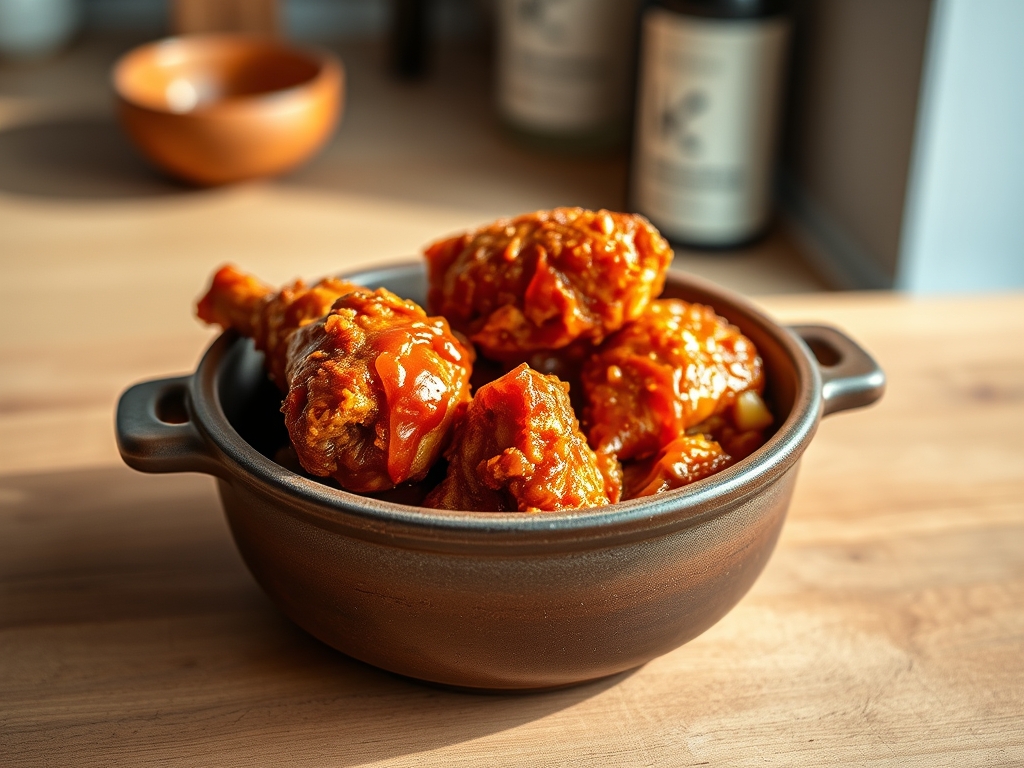
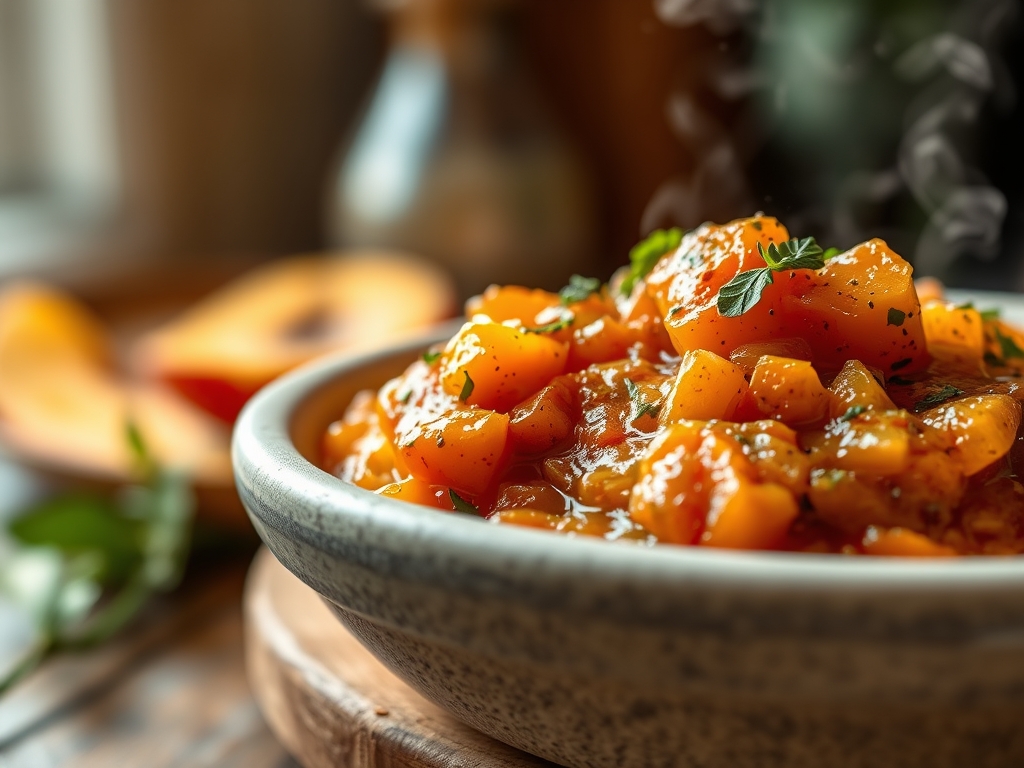
Listen to the frantic rhythm of the heavy-bottomed pot. That rhythmic thrumming is the sound of a high-stakes chemical negotiation. We are not just making a condiment; we are engineering a structural masterpiece known as Spicy Mango Chutney. Imagine the olfactory assault of sulfuric mustard seeds hitting shimmering oil, followed by the aggressive sweetness of ripening fruit meeting the sharp, acidic bite of apple cider vinegar. This is a culinary collision where high-sugar tropical fruit is forced into a strategic alliance with capsaicin and complex spice profiles. The goal is a perfect equilibrium between the cloying and the caustic. We want a texture that is viscous enough to coat a spoon but vibrant enough to wake up a stagnant palate. If you have ever suffered through a store-bought jar that tasted like nothing more than neon-colored corn syrup, consider this your formal intervention. We are reclaiming the infrastructure of the chutney, focusing on molecular integrity and the precise balance of the sugar-acid ratio. Get your digital scales ready; the audit begins now.
THE DATA MATRIX
| Metric | Specification |
|---|---|
| Prep Time | 25 Minutes |
| Execution Time | 45 Minutes |
| Yield | 750ml / 3 Cups |
| Complexity (1-10) | 4 |
| Estimated Cost per Serving | $0.45 |
THE GATHERS
Ingredient Protocol:
- Mangoes (Firm-Ripe): 1kg / 2.2 lbs (Peeled and cubed into 1cm fragments)
- Granulated Sugar: 300g / 1.5 cups
- Apple Cider Vinegar (5% Acidity): 250ml / 1 cup
- Red Onion: 150g / 1 cup (Finely minced)
- Fresh Ginger: 50g / 3 tbsp (Microplaned into a paste)
- Garlic Cloves: 15g / 3 cloves (Minced)
- Red Chili Flakes: 5g / 1 tbsp (Adjust for piquant intensity)
- Yellow Mustard Seeds: 4g / 1 tsp
- Ground Cumin: 2g / 0.5 tsp
- Ground Turmeric: 2g / 0.5 tsp
- Sea Salt: 8g / 1.5 tsp
- Neutral Oil (Grapeseed or Avocado): 30ml / 2 tbsp
Section A: Ingredient Quality Audit:
The primary failure point in a Spicy Mango Chutney is the fruit maturity. If your mangoes are "mushy," the pectin has already degraded; you will end up with a jam rather than a structured chutney. To fix this, reduce the initial maceration time and add the fruit in two stages to preserve some physical geometry. If your spices lack an aromatic punch, they are likely oxidized. Revive them by dry-toasting in a small skillet for 60 seconds before they ever touch the oil. Finally, if your vinegar tastes like industrial cleaner, swap 25% of the volume for fresh lime juice to introduce brighter citric acid notes.
THE MASTERCLASS
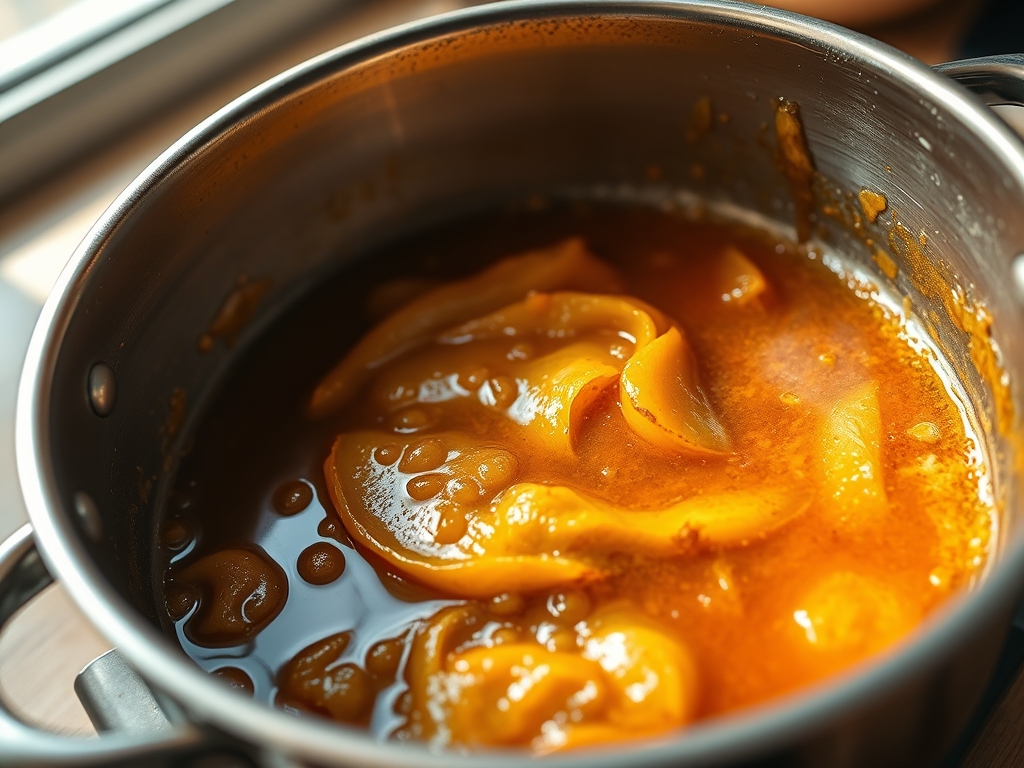
Step-by-Step Execution:
1. The Aromatic Ignition
Heat your oil in a stainless steel saucier over medium heat. Once shimmering, add the mustard seeds. Wait for the "pop" which signals the release of essential oils. Immediately introduce the onions, ginger, and garlic. Sauté until the onions are translucent but not browned.
Pro Tip: Use a digital thermometer to keep the oil between 300F and 320F. This temperature allows the aromatics to infuse the fat without triggering a bitter Maillard reaction in the garlic.
2. The Spice Integration
Add the chili flakes, cumin, turmeric, and salt. Stir constantly for 45 seconds using a heat-resistant silicone spatula. You are looking for the spices to bloom and the oil to take on a vibrant, golden hue from the turmeric.
Pro Tip: This stage is about fat-soluble flavor extraction. Spices like cumin contain compounds that require a lipid medium to fully aerate and reach their peak flavor potential.
3. The Acid-Sugar Solution
Pour in the apple cider vinegar and the granulated sugar. Stir until the sugar crystals have completely dissolved into the liquid. Bring the mixture to a rapid simmer to create a concentrated pickling liquor.
Pro Tip: Use a bench scraper to clear any stray spice particles from the sides of the pot back into the liquid. This ensures a uniform concentration and prevents localized burning on the vessel walls.
4. The Fruit Immersion
Add the cubed mangoes. Reduce the heat to low. The goal is a slow, controlled reduction where the sugar penetrates the fruit cell walls while the acid prevents them from collapsing into a puree.
Pro Tip: A saucier is superior to a straight-sided saucepan here because its curved base promotes constant motion and prevents the high-sugar mixture from scorching in the corners.
5. The Viscosity Check
Simmer for 35 to 45 minutes. The liquid should transform into a viscous syrup that coats the back of a spoon. The mangoes should appear translucent but retain their cubed shape.
Pro Tip: Use a digital scale to weigh the final pot. If you have lost more than 30% of the initial weight, the chutney is over-reduced. Add a splash of water to re-hydrate the sugars.
Section B: Prep & Timing Fault-Lines:
The most common human error is "The Flash Boil." If you crank the heat to finish faster, the sugar will caramelize too deeply, masking the fruit. If your timing is off and the chutney is too thin, do not add cornstarch. Instead, remove 20% of the fruit, blend it, and stir it back in. This uses the fruit's own fiber to thicken the matrix without clouding the flavor.
THE VISUAL SPECTRUM
Section C: Thermal & Visual Troubleshooting:
Look closely at the reference image above. Notice the "jewel-toned" clarity of the syrup. If your chutney looks dull or muddy, you likely over-cooked the turmeric or used dark brown sugar instead of granulated. To fix a "flat" appearance, stir in a teaspoon of honey at the very end; the invert sugars will provide a high-gloss finish. If the fruit looks "shredded" rather than cubed, your stirring technique was too aggressive. Use a folding motion rather than a circular whisking motion to maintain structural integrity.
THE DEEP DIVE
Macro Nutrition Profile:
Per 30ml (2 tbsp) serving: 65 Calories, 0.5g Fat, 16g Carbohydrates (14g Sugar), 0.5g Protein. This is a high-glycemic condiment; use it as a strategic accent rather than a primary component.
Dietary Swaps:
- Vegan: Naturally vegan. Ensure your sugar is bone-char free if following a strict protocol.
- Keto: Replace sugar with Allulose. Note that Allulose browns faster than sucrose, so reduce simmer time by 10%.
- GF: Naturally gluten-free. Check your spice labels for anti-caking agents that may contain trace gluten.
Meal Prep & Reheating Science:
Chutney is a preserved food. The high sugar and acid content act as natural stabilizers. Store in sterilized glass jars for up to 3 weeks in the fridge. To maintain molecular structure when serving, do not reheat the entire jar. Take out what you need and let it reach room temperature. Microwaving can cause "sugar hot spots" that will permanently alter the texture of the fruit.
THE KITCHEN TABLE
Why is my chutney bitter?
You likely scorched the garlic or the mustard seeds. If the bitterness is mild, add a pinch of salt and an extra tablespoon of sugar to mask the off-notes. If it is severe, you must restart.
Can I use frozen mangoes?
Yes, but thaw and drain them first. Frozen fruit has compromised cell walls due to ice crystal formation. Expect a softer, more jam-like consistency. Reduce the simmer time by 10 minutes to compensate.
How do I make it even spicier?
Introduce habanero or scotch bonnet peppers during the aromatic ignition phase. The capsaicin in these peppers is fat-soluble and will permeate the entire batch more effectively than dried flakes alone.
My chutney turned into a solid block in the fridge!
This is over-crystallization. You reduced the water content too far. To fix, place the jar in a warm water bath and stir in one tablespoon of boiling water until the desired viscosity returns.