Forget the muted, oily sludge found in the back of a supermarket deli case. Real Argentinian alchemy requires a violent collision of fresh chlorophyll and acetic acid. When we transition into the realm of Spicy Chimichurri, we are not just adding heat; we are conducting a high-stakes audit of volatile organic compounds. The goal is a sauce that vibrates on the tongue. We want the piquant sting of the red pepper to act as a structural scaffold for the heavy fats of a seared ribeye. Most home cooks fail because they treat their herbs like a garnish rather than a structural component. We are here to engineer a condiment that possesses both high viscosity and a sharp, acidic bite. This is about the science of suspension. We are suspending finely particulate solids in a lipid-acid matrix to ensure that every square millimeter of your protein is blanketed in a balanced, capsaicin-forward brightness. Strap in; we are about to recalibrate your flavor profile with surgical precision.
THE DATA MATRIX
| Metric | Specification |
|---|---|
| Prep Time | 15 Minutes |
| Execution Time | 5 Minutes |
| Yield | 350ml / 1.5 Cups |
| Complexity (1-10) | 3 |
| Estimated Cost per Serving | $0.85 USD |
THE GATHERS
Ingredient Protocol:
- Flat-Leaf Italian Parsley: 60g / 2 cups (tightly packed, stems removed)
- Fresh Oregano: 10g / 2 tbsp (leaves only)
- Garlic Cloves: 15g / 4 large cloves (peeled)
- Red Fresno Chili: 25g / 1 medium (seeded for medium heat)
- Crushed Red Pepper Flakes: 3g / 1 tsp (for capsaicin depth)
- Red Wine Vinegar: 60ml / 0.25 cup (minimum 6 percent acidity)
- Extra Virgin Olive Oil: 120ml / 0.5 cup (high polyphenol count)
- Kosher Salt: 6g / 1 tsp
- Smoked Paprika: 2g / 0.5 tsp (for color saturation)
Section A: Ingredient Quality Audit:
Sub-par Parsley: If your parsley is wilted, the cell walls have collapsed, leading to a muddy, metallic taste. The Fix: Shock the herbs in an ice bath for ten minutes, then spin them completely dry. Water is the enemy of oil-based infusions.
Dull Vinegar: Using a cheap, low-acid vinegar will result in a flat profile. The Fix: Audit your bottle for a "6% acidity" label. If it is too weak, add a squeeze of fresh lemon juice to provide the necessary bright top notes.
Rancid Oil: Olive oil oxidizes quickly. If yours smells like crayons, it will destroy the Spicy Chimichurri. The Fix: Always taste your oil solo before starting. It should have a peppery finish and a clean, grassy aroma.
THE MASTERCLASS
1. The Aromatic Maceration
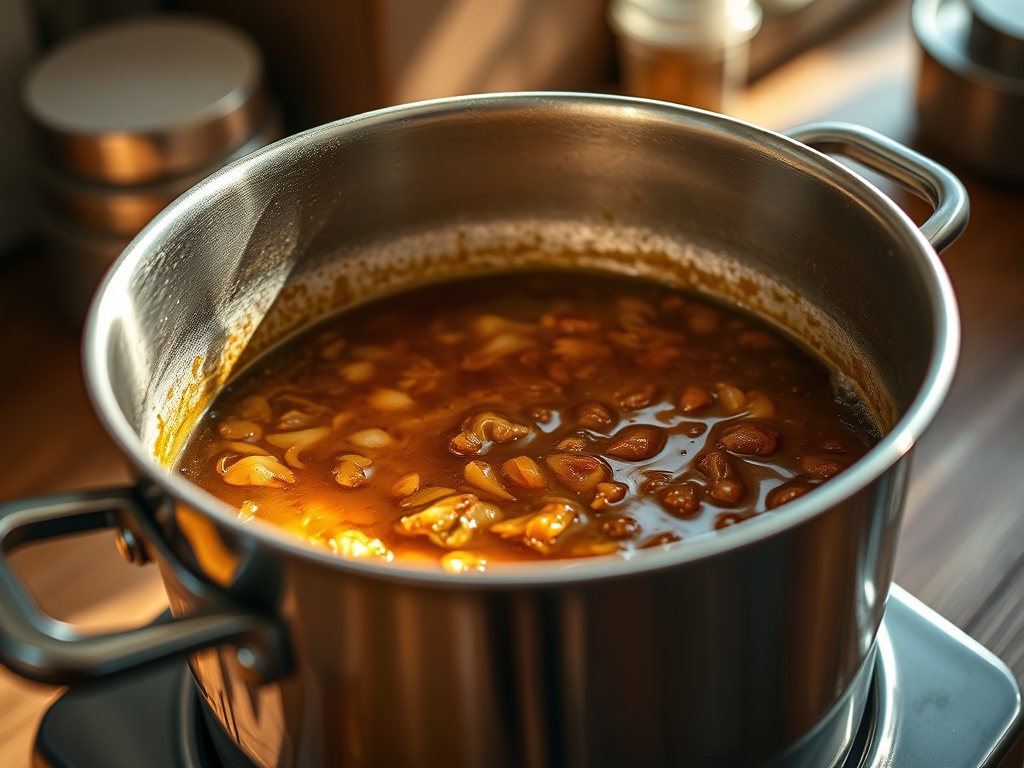
Begin by finely mincing your garlic and red chili. Place them in a small stainless steel saucier or mixing bowl and cover them with the red wine vinegar and salt. Let this sit for ten minutes before adding any oil.
Pro Tip: This is a process called denaturing. The acid in the vinegar "cooks" the raw garlic, mellowing its harsh sulfurous bite while extracting the capsaicin from the peppers into the liquid phase for a more uniform heat distribution.
2. The Precision Herb Reduction
Using a sharp chef's knife or a bench scraper to gather your pile, hand-chop the parsley and oregano. Do not use a food processor. A blade spinning at high RPMs will bruise the herbs and cause rapid oxidation, turning your sauce black within an hour.
Pro Tip: Hand-chopping preserves the cellular integrity of the herbs. By cutting cleanly, you ensure the flavorful oils stay inside the leaf fragments until they hit the palate, rather than smearing across a plastic cutting board.
3. The Lipid Integration
Slowly whisk the extra virgin olive oil into the vinegar and herb mixture. Use a digital scale to ensure your ratios are exact; too much oil will mute the spice, while too much acid will make the sauce acerbic.
Pro Tip: We are creating a temporary suspension. Since we are not using an emulsifier like mustard, the oil and vinegar will eventually separate. This is desired in a traditional chimichurri to allow the oil to render slightly when it hits hot meat.
4. The Volatility Rest
Allow the finished sauce to sit at room temperature for at least thirty minutes. This allows the dried red pepper flakes to rehydrate and the smoked paprika to fully infuse the lipid phase with its vibrant crimson hue.
Pro Tip: Temperature affects molecular movement. If you serve this straight from the fridge, the cold oil will coat the tongue and mask the delicate herbal notes. Room temperature service ensures maximum herb volatility.
Section B: Prep & Timing Fault-Lines:
The Grey Shift: If your sauce turns a dull olive-drab, you likely added the salt too early to the herbs directly. Salt draws out moisture via osmosis. The Fix: Always dissolve salt in the vinegar first to create a buffered solution before introducing the delicate parsley.
The Garlic Overpower: If the garlic is the only thing you taste, your knife work was too coarse. The Fix: Use a microplane or the flat of your knife to create a garlic paste. Smaller particles disperse more evenly, preventing "garlic landmines" in the final product.
THE VISUAL SPECTRUM
Section C: Thermal & Visual Troubleshooting:
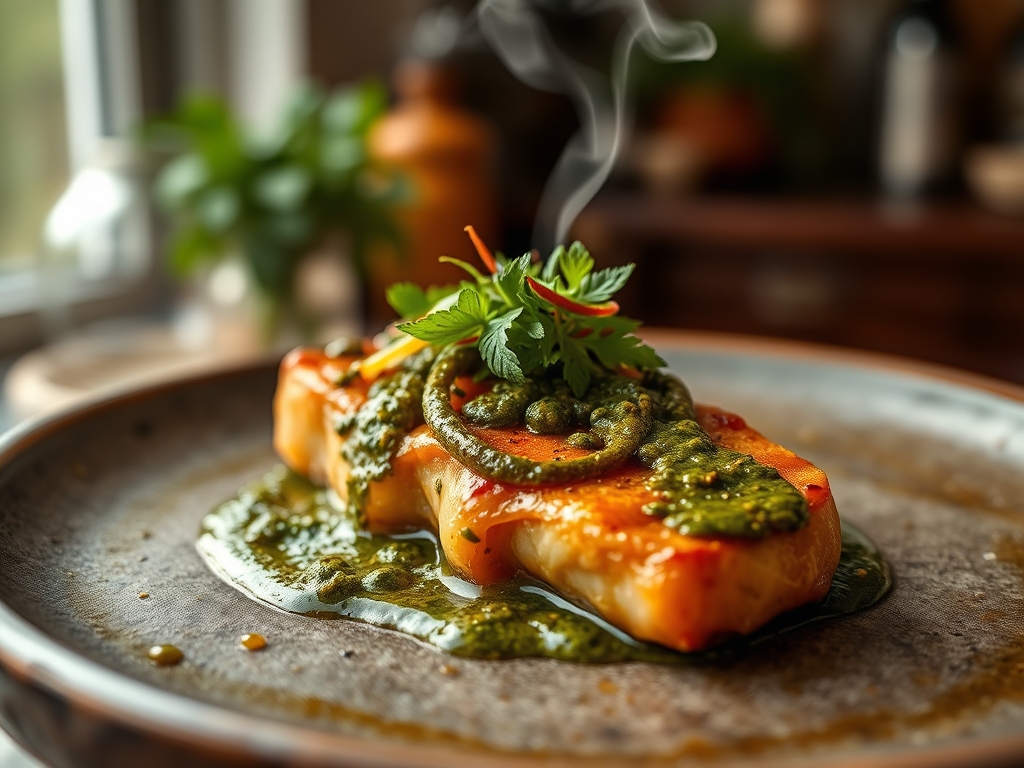
Observe the Masterclass photo. Notice the vibrant emerald contrast against the flecks of deep red chili. If your sauce looks like a dark green swamp, you have over-processed the herbs. The texture should be "broken," meaning you can see individual leaves and droplets of oil rather than a homogenized paste.
Uneven Browning/Dull Colors: If the red peppers look brown, they have oxidized. Ensure you are using fresh, high-moisture peppers like Fresnos or Thai birds-eye. If the oil appears cloudy, it has been refrigerated. The Fix: Gently warm the container in a bowl of tepid water to return the fats to a liquid state and restore clarity.
THE DEEP DIVE
Macro Nutrition Profile:
Per 2-tablespoon serving: 125 Calories, 13g Fat (mostly monounsaturated), 2g Carbs, 0g Protein. This is a high-density flavor delivery system.
Dietary Swaps:
- Vegan/Keto/GF: This recipe is naturally compliant with all three. To increase the "umami" for vegan applications, add a teaspoon of nutritional yeast.
- Nightshade Free: If you cannot handle peppers, swap the red chili for finely diced radishes and a pinch of horseradish to maintain the "spicy" profile without the capsaicin.
Meal Prep & Reheating Science:
Chimichurri does not "reheat." Applying direct heat will cook the parsley and destroy the fresh enzymes. To maintain molecular structure, store in a glass jar with a thin layer of oil on top to prevent oxygen contact. It will stay shelf-stable in the fridge for 7 days. Always bring to room temperature naturally before serving.
THE KITCHEN TABLE
Can I use dried parsley for this?
Absolutely not. Dried parsley lacks the essential oils and moisture required for the infusion. It will result in a gritty, hay-like texture that fails to aerate the palate. Stick to fresh Italian flat-leaf for the necessary structural integrity.
How do I make it even spicier?
Leave the seeds in your Fresno chili or upgrade to a Habanero. The capsaicin is concentrated in the pith; by including it, you increase the heat intensity by a factor of ten. Audit your heat tolerance before proceeding.
Why is my chimichurri bitter?
You likely over-chopped the herbs or used a low-quality olive oil. When parsley is pulverized, it releases bitter chlorophyll compounds. Use a sharp knife and a light touch to keep the flavor profile clean and bright.
What is the best way to store leftovers?
Place the sauce in a glass container and press a piece of plastic wrap directly onto the surface. This eliminates the "headspace" where oxygen lives, preventing the oxidation that turns the vibrant green herbs into a dull brown.