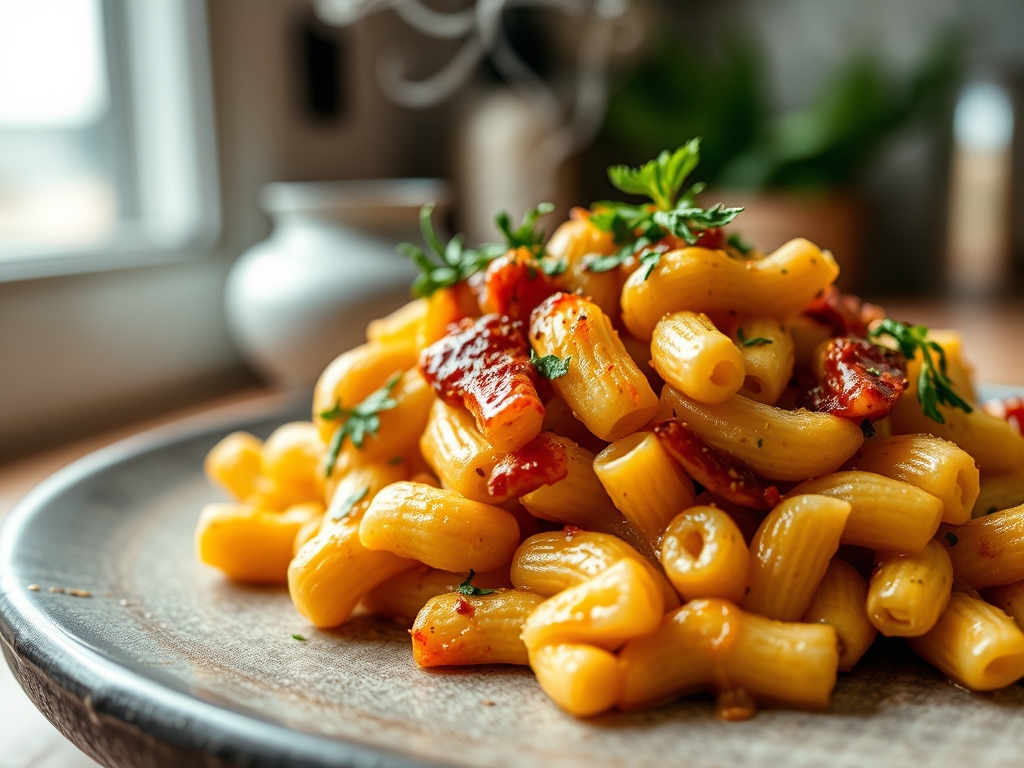
Listen up, culinary architects. We are not here to assemble a soggy, lukewarm tray of noodles and yellow plastic. We are here to engineer a masterpiece of viscosity and heat. The objective is simple: achieve the perfect Dairy Cap Equilibrium. This is where the cooling, creamy fat of high-grade buffalo mozzarella meets the aggressive, piquant sting of fermented cayenne. This Spicy Mac and Cheese is an exercise in structural integrity and thermal management. We are talking about a sauce so stable it resists oil separation even at peak temperatures. We are talking about a crust that shatters like glass under the fork. If your current mac and cheese lacks a soul, it is because you have failed to respect the molecular bond between the starch and the lipid. We are going to fix that. We are going to render the fat, infuse the aromatics, and build a cheese sauce that defies the laws of physics. Put down the boxed powder and pick up your digital scale. It is time to audit your kitchen.
THE DATA MATRIX
| Metric | Specification |
|---|---|
| Prep Time | 20 Minutes |
| Execution Time | 35 Minutes |
| Yield | 6 Servings |
| Complexity | 7/10 |
| Estimated Cost per Serving | $4.25 |
THE GATHERS
Ingredient Protocol:
- 450g / 1 lb Cavatappi or Cellentani pasta
- 115g / 1/2 cup Unsalted high-fat butter
- 60g / 1/2 cup All-purpose flour (sifted)
- 950ml / 4 cups Whole milk (room temperature)
- 450g / 1 lb Sharp white cheddar (freshly grated)
- 225g / 8 oz Buffalo mozzarella (torn into small pieces)
- 120ml / 1/2 cup Buffalo-style hot sauce (vinegar-based)
- 15ml / 1 tbsp Smoked paprika
- 5g / 1 tsp Mustard powder
- 2.5g / 1/2 tsp Cayenne pepper
- 10g / 2 tsp Kosher salt
- 100g / 1 cup Panko breadcrumbs
- 30ml / 2 tbsp Neutral oil (for breadcrumbs)
Section A: Ingredient Quality Audit:
The primary failure point in any Spicy Mac and Cheese is the use of pre-shredded cheese. These products are coated in potato starch or cellulose to prevent clumping. This anti-caking agent is the enemy of a viscous, smooth sauce; it creates a gritty, sandy mouthfeel that no amount of whisking can repair. If your cheese is dull and waxy, discard it. Use only block cheese and grate it yourself to ensure maximum meltability. Secondly, check your milk. If you use skim or 1%, the emulsion will lack the necessary fat solids to suspend the capsaicin from the hot sauce, leading to a broken, oily mess. If your sauce breaks, you can attempt a technical fix by whisking in a splash of boiling pasta water; the residual starch can sometimes act as an emergency emulsifier.
THE MASTERCLASS
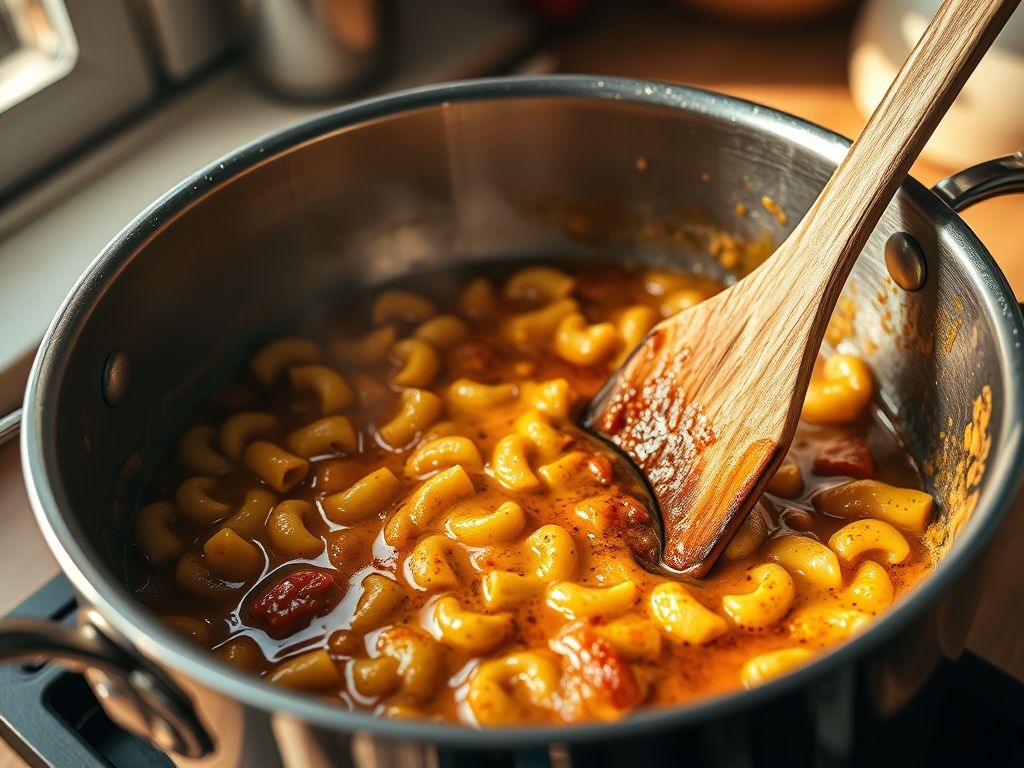
Step-by-Step Execution:
1. Starch Hydration and Par-Boiling
Set your digital scale to zero and weigh your pasta. Boil the cavatappi in heavily salted water for exactly two minutes less than the package instructions. We are looking for a firm, undercooked center. The pasta will finish hydrating inside the sauce, absorbing the piquant flavors rather than just sitting in them.
Pro Tip: Use a large spider strainer to remove the pasta. Do not rinse. The surface starch is vital for the sauce to adhere to the ridges of the noodle.
2. The Roux Foundation
In a heavy-bottomed saucier, melt your butter over medium heat. Once it begins to foam, whisk in the flour. Cook this blond roux for three minutes to remove the raw flour taste without developing deep caramelization.
Pro Tip: Use a silicone-coated whisk to reach the edges of the saucier. This prevents flour pockets from burning and tainting the white base.
3. Molecular Emulsification
Slowly stream in the milk while whisking constantly. This is the critical phase where you create a stable suspension. Once the mixture thickens into a silky béchamel, whisk in the hot sauce, paprika, mustard powder, and cayenne.
Pro Tip: Adding mustard powder is not just for flavor; it contains lecithin, a natural emulsifier that helps keep the cheese and butter fats from separating.
4. The Cheese Integration
Lower the heat to the minimum setting. Fold in the sharp cheddar in three batches using a silicone spatula. Do not boil the sauce once the cheese is added, as high heat will cause the proteins to tighten and squeeze out the fat.
Pro Tip: Use a bench scraper to clean your workstation of any stray cheese shreds to ensure every gram enters the pot for the correct ratio.
5. The Buffalo Assembly
Fold the par-boiled pasta and the torn buffalo mozzarella into the cheese sauce. The mozzarella will not fully incorporate; it will create pockets of gooey, elastic texture that contrast with the sharp cheddar base.
Pro Tip: A heavy-duty spatula is required here to ensure the viscous sauce penetrates the hollow centers of the cavatappi.
6. The Thermal Crust
Transfer the mixture to a cast-iron skillet. Toss panko with neutral oil and a pinch of salt, then spread evenly over the top. Broil on high for 3 to 5 minutes until the top is a deep, architectural gold.
Pro Tip: Use an infrared thermometer to ensure your oven is reaching the desired 450F for that rapid browning without overcooking the pasta underneath.
Section B: Prep & Timing Fault-Lines:
The most common human error is the "Cold Milk Crash." Adding cold milk to a hot roux causes the fats to seize, resulting in lumps that are nearly impossible to shear down. Always temper your dairy. Another fault-line is the "Over-Boil." If you cook the pasta to completion in the water, it will turn into a mushy paste during the baking phase. Timing is everything. If your sauce is ready before your pasta, remove the sauce from the heat and cover it with parchment paper directly on the surface to prevent a skin from forming.
THE VISUAL SPECTRUM
Section C: Thermal & Visual Troubleshooting:
Referencing the Masterclass photo, you should see a specific "bubbling perimeter" where the sauce has slightly caramelized against the edge of the dish. If your mac and cheese looks dull or matte, you have likely under-seasoned or failed to use enough fat. The panko should appear as individual shards of bronze, not a uniform brown sheet. If the cheese looks oily or transparent, the emulsion has broken due to excessive heat. To fix a dull appearance post-bake, a light dusting of fresh smoked paprika can provide a visual pop and reinforce the piquant profile. If the noodles are visible and look dry, increase your sauce-to-pasta ratio in the next iteration; the pasta should be submerged, with only the ridges peeking through the golden crust.
THE DEEP DIVE
Macro Nutrition Profile
This is a high-density fuel source. Per serving, expect approximately 650 calories, 38g of fat, 52g of carbohydrates, and 28g of protein. It is a recovery meal, designed for maximum satiety.
Dietary Swaps
- Vegan: Substitute butter with refined coconut oil, milk with unsweetened cashew milk, and use a nutritional yeast-based "cheese" sauce with sodium citrate for stability.
- Keto: Replace pasta with roasted cauliflower florets. Ensure the cauliflower is thoroughly dried to prevent a watery sauce.
- Gluten-Free: Use a high-quality brown rice pasta and substitute the roux flour with a 1:1 gluten-free flour blend or cornstarch slurry.
Meal Prep & Reheating Science
To maintain the molecular structure when reheating, avoid the microwave. The uneven agitation of water molecules will break the cheese emulsion. Instead, place the portion in a small oven-safe dish, add a tablespoon of milk to re-hydrate the sauce, and heat at 325F until the fats re-liquefy and the panko regains its crunch.
THE KITCHEN TABLE
Why is my sauce grainy?
You likely used pre-shredded cheese or overheated the dairy. The proteins have denatured and clumped together. Always grate your own cheese and keep the heat low during the melting phase to maintain a smooth, viscous texture.
Can I make this ahead of time?
Yes. Assemble the dish but skip the final broil. Cover and refrigerate. When ready to serve, bake at 350F for 20 minutes to penetrate the cold core, then finish under the broiler for the crust.
How do I make it even spicier?
Infuse the butter with dried chili flakes before adding the flour. This captures the capsaicin in the fat, ensuring the heat is distributed evenly throughout every bite of the Spicy Mac and Cheese.
What is the best pasta shape?
Cavatappi is king. The corkscrew shape and external ridges provide maximum surface area for the sauce to cling to, while the hollow center acts as a reservoir for the liquid gold.