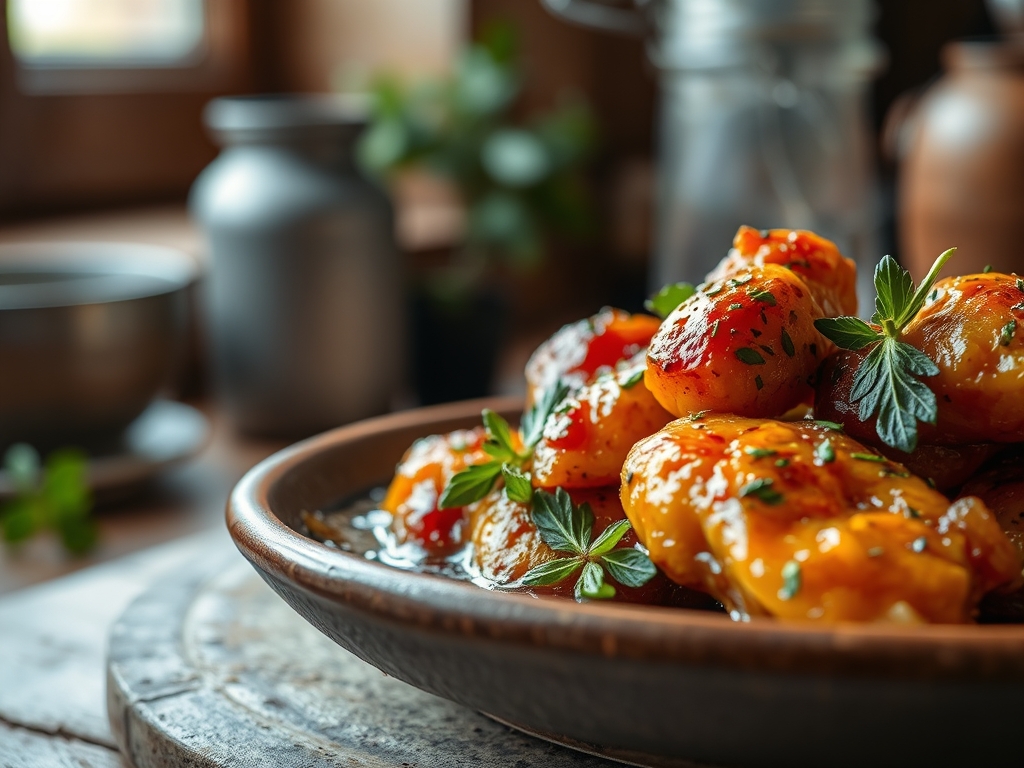
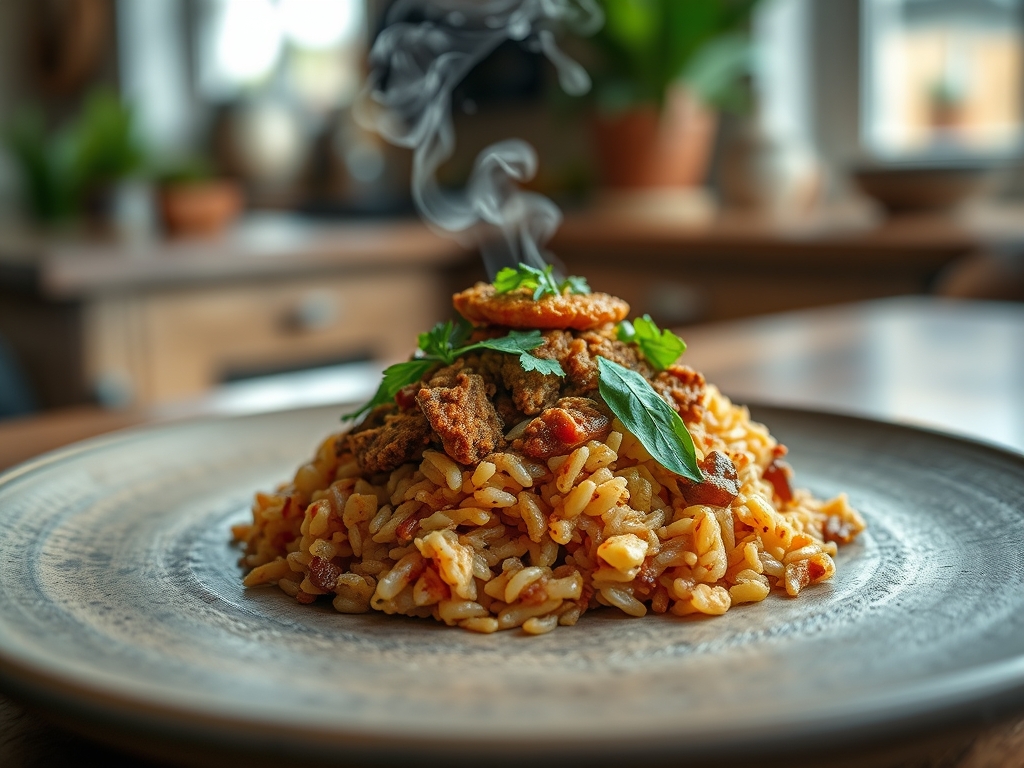
Forget the sanitized, pale imitations found in tourist traps. True Cajun Dirty Rice is not a side dish; it is a structural marvel of culinary engineering. It is the visceral heart of the Acadiana region, a dark and soulful testament to the power of nose to tail utilization. When executed with precision, the rice grains remain distinct yet become saturated with a deep, earthy richness that only organ meats can provide. We are talking about a flavor profile that is aggressive, piquant, and unapologetically bold. This is a dish built on the foundation of the holy trinity; onions, bell peppers, and celery; but its soul is forged in the rendering of chicken livers and gizzards. The goal is a finished product that looks "dirty" because it is stained with the concentrated essence of browned proteins and aromatic vegetables. We are here to audit your kitchen infrastructure and ensure you have the technical capacity to produce a masterpiece that respects the heritage of the bayou while utilizing modern precision.
THE DATA MATRIX
| Metric | Specification |
|---|---|
| Prep Time | 45 Minutes |
| Execution Time | 60 Minutes |
| Yield | 8-10 Servings |
| Complexity (1-10) | 7 |
| Estimated Cost per Serving | $1.85 |
THE GATHERS
Ingredient Protocol:
- 450g / 1 lb Ground Pork Sausage (High-fat ratio)
- 225g / 0.5 lb Chicken Livers (Finely minced)
- 225g / 0.5 lb Chicken Gizzards (Pulse-processed)
- 300g / 2 cups Yellow Onion (Small dice)
- 150g / 1 cup Green Bell Pepper (Small dice)
- 120g / 1 cup Celery (Small dice)
- 15g / 3 cloves Garlic (Microplaned)
- 600g / 3 cups Long-Grain White Rice (Day-old, chilled)
- 500ml / 2 cups Beef or Chicken Bone Broth
- 30ml / 2 tbsp Worcestershire Sauce
- 15g / 1 tbsp Cajun Spice Blend (Low sodium)
- 60ml / 4 tbsp Unsalted Butter
- 30ml / 2 tbsp Neutral Oil (Grape seed or Avocado)
- 1 Bunch Scallions (Finely sliced for garnish)
Section A: Ingredient Quality Audit:
The primary failure point in Cajun Dirty Rice is the quality of the offal. If your chicken livers possess a metallic or overly "iron" scent, they are likely past their prime. Technical Fix: Soak the livers in 250ml of whole milk for 30 minutes prior to mincing. This draws out excess blood and tempers the bitterness through lactic acid interaction. Furthermore, if your rice is freshly boiled and steaming, it will turn into a gelatinous mush the moment it hits the pan. You must use rice that has undergone starch retrogradation. By chilling the rice for at least 12 hours, the amylose molecules realign into a firm structure that can withstand the vigorous tossing required during the final emulsification phase.
THE MASTERCLASS
1. The Offal Processing
Begin by cleaning the gizzards of any silver skin using a sharp paring knife. Place both gizzards and livers into a food processor and pulse until they reach the consistency of coarse ground meat. Do not over-process into a paste. Use a digital scale to ensure your meat-to-rice ratio is mathematically sound.
Pro Tip: This mechanical breakdown increases surface area, which maximizes the Maillard reaction during the browning phase. Using a bench scraper to move the minced offal from the board to the pan prevents the loss of essential juices.
2. The High-Heat Render
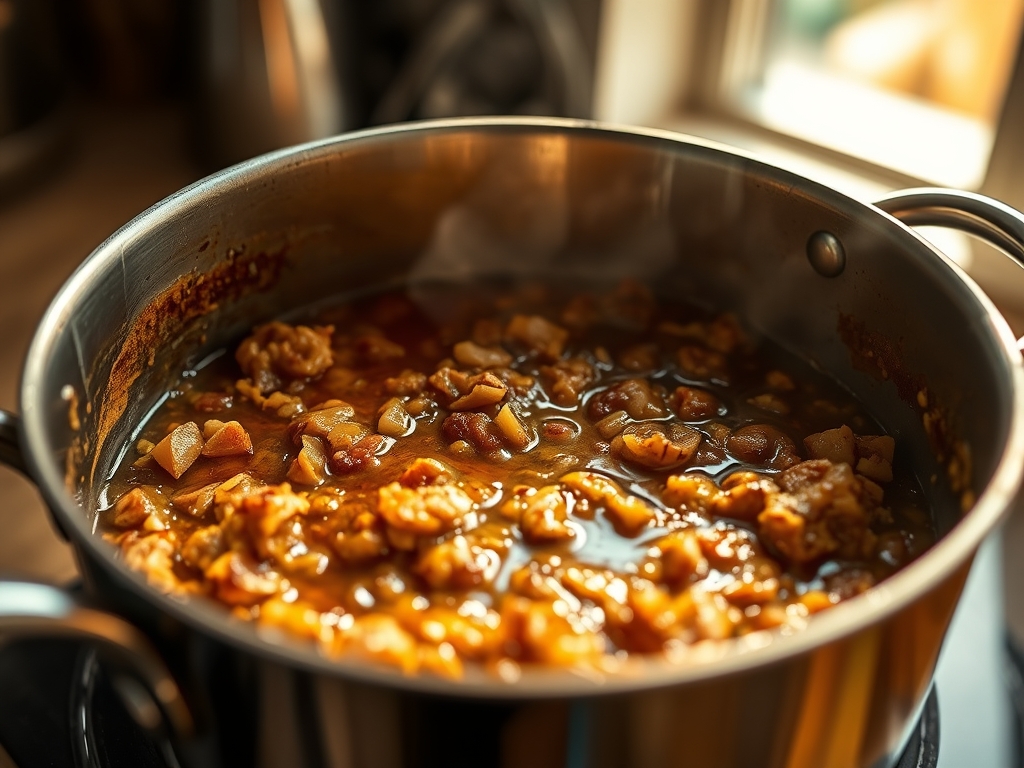
Heat your saucier or a heavy-bottomed cast iron skillet over medium-high heat with the neutral oil. Add the pork sausage, gizzards, and livers. Use a stiff wooden spatula to break the meat apart into the smallest possible fragments. Cook until the water has evaporated and the meat begins to sizzle and brown deeply.
Pro Tip: You are looking for "fond" to develop on the bottom of the pan. This caramelized protein layer is the source of the "dirty" color. The thermal mass of a heavy skillet is crucial here to prevent the temperature from dropping when the cold meat is added.
3. The Holy Trinity Integration
Add the onions, bell peppers, and celery directly into the rendered fat. Sauté until the onions are translucent and the edges begin to brown. Add the garlic and Cajun spices in the final 60 seconds to prevent the volatile oils in the spices from burning.
Pro Tip: The moisture released by the vegetables will naturally deglaze the pan. Use your spatula to scrape up every bit of the fond. This integrates the concentrated flavor back into the aromatic base.
4. The Liquid Infusion
Pour in the bone broth and Worcestershire sauce. Bring the mixture to a simmer and let it reduce by one-third. This creates a viscous slurry that will coat the rice grains rather than soaking into them and making them soggy.
Pro Tip: A saucier is the ideal vessel here because its sloped sides encourage even evaporation and easier stirring. The reduction phase concentrates the umami profile of the offal and spices.
5. The Final Emulsification
Fold in the chilled rice one cup at a time. Use a folding motion to ensure the "dirty" gravy coats every single grain. Add the butter at the very end, stirring constantly until it melts and creates a glossy, rich finish.
Pro Tip: This is a cold-emulsion technique. The chilled rice absorbs the hot liquid rapidly while the butter provides a lipid barrier that prevents the grains from sticking together. This ensures the rice stays aerated and light.
Section B: Prep & Timing Fault-Lines:
Timing is the silent killer of texture. If you add the rice while the broth is too thin, the rice will hydrate too quickly and lose its "bite." Conversely, if the broth is too dry, the flavors will not distribute evenly, leaving you with white patches. Use a digital thermometer to ensure your broth is at least 190 degrees Fahrenheit before the rice hits the pan. If the temperature is too low, the starch won't gelatinize correctly, and the dish will feel greasy rather than rich.
THE VISUAL SPECTRUM
Section C: Thermal & Visual Troubleshooting:
Referencing the Masterclass photo, your Cajun Dirty Rice should exhibit a deep mahogany hue with visible flecks of green from the bell peppers and scallions. If your dish looks grey or pale, you failed to achieve a proper sear on the offal. The Solution: Next time, increase your initial heat and do not crowd the pan. If the rice looks "mushy," you likely used a short-grain variety or didn't allow for proper cooling. To fix a mushy batch, spread it on a sheet tray and place it under a broiler for 2 minutes to crisp the surface. If the color is dull, a splash of kitchen bouquet or extra Worcestershire sauce can provide an emergency cosmetic boost; however, true color should always come from the Maillard reaction.
THE DEEP DIVE
Macro Nutrition Profile:
A standard serving of this infrastructure-heavy dish provides approximately 380 calories. It is a powerhouse of Vitamin A and B12 due to the liver content. Expect 22g of Protein, 14g of Fat, and 42g of Carbohydrates. It is a high-density fuel source designed for labor-intensive days.
Dietary Swaps:
- Vegan: Replace pork and offal with a blend of finely pulsed cremini mushrooms and walnuts. Use vegetable bouillon and a dash of liquid smoke.
- Keto: Swap the long-grain rice for riced cauliflower. Reduce the broth by half to prevent the cauliflower from becoming watery.
- GF: Ensure your Cajun spice blend and Worcestershire sauce are certified gluten-free.
Meal Prep & Reheating Science:
Dirty rice actually improves after 24 hours as the spices continue to infuse the rice. To reheat, avoid the microwave. Use a skillet with a tablespoon of water and cover with a lid. This creates a steam-injection environment that restores the rice's moisture without breaking the grain's molecular structure.
THE KITCHEN TABLE
Why is my rice sticking to the pan?
This usually indicates insufficient fat or a pan that wasn't properly preheated. Ensure you have enough rendered pork fat and butter to coat the grains. A well-seasoned cast iron or high-quality stainless steel saucier is essential for non-stick performance.
Can I use just ground beef?
You can, but you will lose the soul of the dish. The liver and gizzards provide the metallic, earthy depth that defines "dirty" rice. If you must skip offal, use a very dark beef stock to compensate for the color.
How do I make it spicier?
Do not just add more Cajun seasoning, as this increases sodium. Instead, infuse the initial rendering oil with cayenne pepper or chopped bird's eye chilies. This distributes the heat evenly through the lipid phase of the dish.
My rice is too dry, what now?
Fold in a small amount of warm bone broth, one tablespoon at a time. Do not pour it over the top. Gently incorporate the liquid until the rice regains its characteristic glossy, moist appearance without becoming a soup.