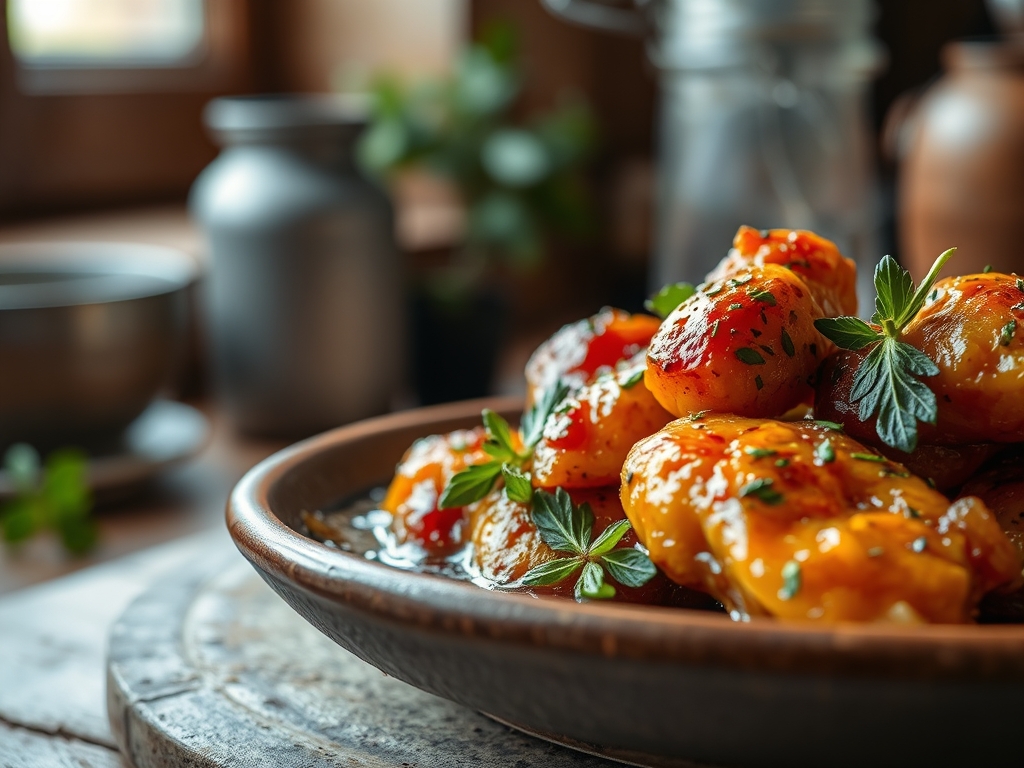
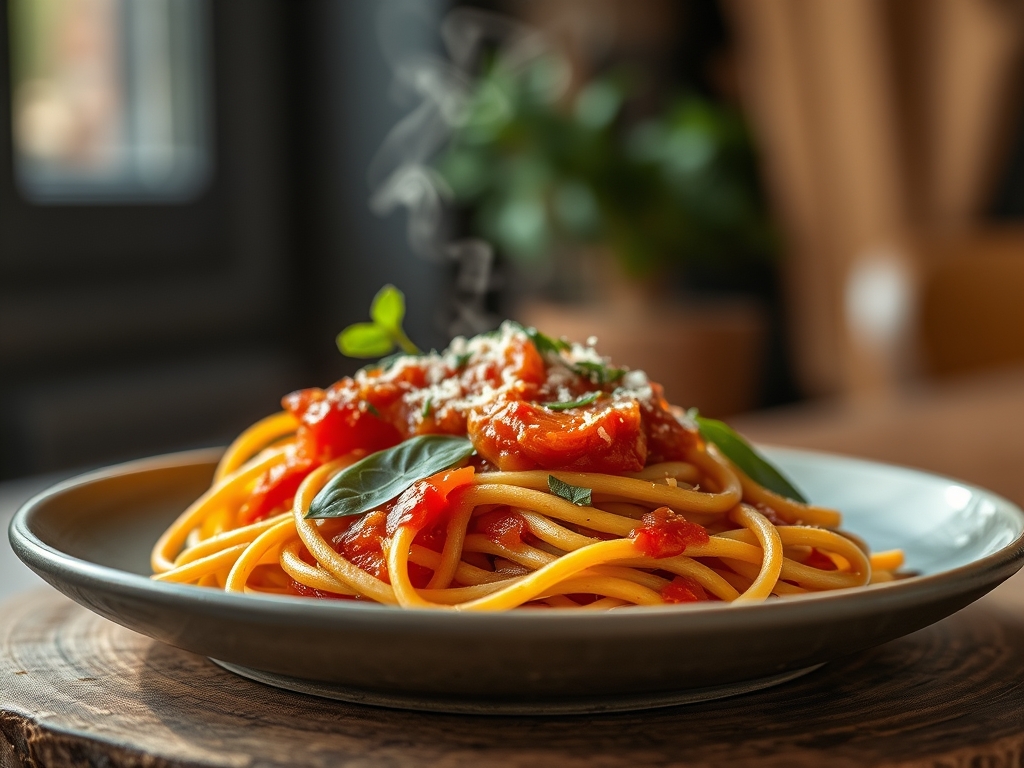
Imagine a culinary landscape where precision meets pure, unadulterated fire. We are not merely boiling starch; we are conducting a high-stakes audit of the Pasta Arrabbiata, a dish whose name literally translates to "angry" pasta. The air in the kitchen should crackle with the scent of toasted capsaicin and the sharp, acidic bite of reducing tomatoes. This is a study in thermal dynamics and chemical infusion. If your kitchen does not smell like a controlled explosion of garlic and chili, you are doing it wrong. We are looking for a specific textural equilibrium where the sauce is viscous enough to coat every ridge of the penne without pooling like a tragic soup at the bottom of the bowl. This is a technical performance. Every second the garlic spends in the oil is a calculated risk. Every flake of chili is a data point in our flavor profile. We are here to ensure that the "anger" in this dish is sophisticated, balanced, and technically flawless. Strap in; we are about to optimize your dinner.
THE DATA MATRIX
| Metric | Specification |
|---|---|
| Prep Time | 15 Minutes |
| Execution Time | 20 Minutes |
| Yield | 4 Servings |
| Complexity (1-10) | 4 |
| Estimated Cost per Serving | $2.50 |
THE GATHERS
Ingredient Protocol:
- 500g / 1.1 lbs Penne Rigate (High-protein durum wheat)
- 60ml / 4 tbsp Extra Virgin Olive Oil (Cold-pressed)
- 4-6 Garlic Cloves (Thinly sliced via mandoline)
- 5g / 2 tsp Red Chili Flakes (Adjust for Scoville preference)
- 800g / 28 oz San Marzano Canned Tomatoes (Hand-crushed)
- 5g / 1 tsp Sea Salt (Fine grain)
- 10g / 2 tbsp Fresh Flat-Leaf Parsley (Finely chiffonaded)
- 30g / 2 tbsp Pecorino Romano (Optional; finely grated)
Section A: Ingredient Quality Audit:
The primary failure point in Pasta Arrabbiata is the quality of the canned tomatoes. If your tomatoes taste metallic or overly acidic, they likely suffered from poor canning processes or under-ripe harvesting. To fix this, add a pinch of baking soda to neutralize excess acidity or a teaspoon of tomato paste to deepen the umami profile. Another common audit failure is the use of pre-minced garlic. Pre-minced garlic contains preservatives that inhibit the infusion of clean, pungent oils into the fat. Always use fresh cloves and a sharp chef knife or mandoline to ensure uniform thickness for even browning. If your chili flakes lack heat, they have likely oxidized; toast them briefly in a dry pan before adding oil to reactivate the capsaicinoids.
THE MASTERCLASS
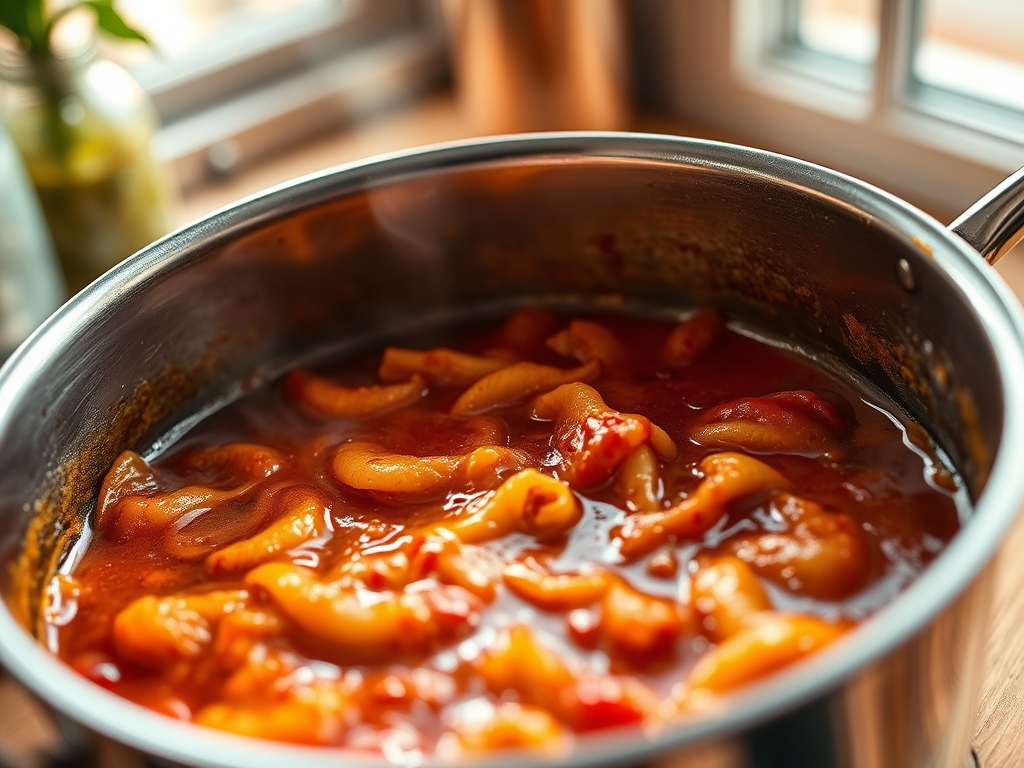
1. Thermal Foundation and Oil Infusion
Begin by placing your heavy-bottomed saucier over medium-low heat. Add the extra virgin olive oil and the sliced garlic. You are not looking for a hard sear; you are looking to render the aromatic compounds of the garlic into the fat. Once the garlic reaches a pale golden hue, add the chili flakes.
Pro Tip: Use a digital thermometer to keep the oil between 250F and 275F. This temperature range allows for maximum flavor extraction without burning the garlic solids, which would introduce a bitter carbon note to the final sauce.
2. The Tomato Integration
Increase the heat to medium and introduce the hand-crushed San Marzano tomatoes. The immediate evaporation of water will create a vigorous steam; use a silicone spatula to scrape the bottom of the pan, ensuring no garlic bits are trapped. Season with sea salt.
Pro Tip: Hand-crushing tomatoes rather than blending them preserves the seed integrity. Breaking the seeds with a blade releases tannins that can make your Pasta Arrabbiata taste astringent.
3. The Reduction Phase
Simmer the sauce for 15 to 20 minutes. You are looking for the oil to begin separating from the tomato solids, a visual cue that the water content has evaporated and the flavors have concentrated. The sauce should appear viscous and glossy.
Pro Tip: Use a bench scraper to keep your workstation clean while you finely chop the parsley. Maintaining a sterile and organized environment prevents cross-contamination and keeps your timing precise.
4. Precision Pasta Hydration
While the sauce reduces, bring a large pot of water to a rolling boil. Use a digital scale to measure 10g of salt per liter of water. Drop the penne and cook until it is two minutes shy of the package instructions for al dente.
Pro Tip: This is "double cooking." By finishing the pasta in the sauce, the starch molecules on the surface of the penne will bind with the tomato fats, creating a superior emulsification.
5. The Final Emulsification
Transfer the undercooked pasta directly into the saucier using a spider strainer. Add 60ml of starchy pasta water. Toss vigorously over high heat for 60 seconds until the sauce clings to the pasta. Remove from heat and stir in the parsley.
Pro Tip: The agitation of tossing the pasta introduces air, which helps to aerate the sauce and create a creamy mouthfeel without the need for heavy fats or dairy.
Section B: Prep & Timing Fault-Lines:
The most frequent human error is the "Starch Gap." This occurs when the pasta is finished before the sauce is ready. If the pasta sits in a colander, it begins to surface-dry and stick, ruining the texture. Always ensure your sauce is at a simmer before the pasta hits the water. If you find yourself ahead of schedule, drop the sauce heat to its lowest setting and add a splash of water to prevent over-reduction. If the sauce is too thin when the pasta is ready, increase the heat and use a whisk to rapidly evaporate moisture before the pasta enters the pan.
THE VISUAL SPECTRUM
Section C: Thermal & Visual Troubleshooting:
Referencing the Masterclass photo, your Pasta Arrabbiata should exhibit a vibrant, deep crimson hue, not a pale orange. If your sauce looks orange, you likely over-emulsified the oil by blending it, or you used too much heat too fast. The "look" of the dish should show distinct flecks of chili and parsley against the glossy red coating. If the sauce looks dull or matte, it lacks fat; finish with a fresh drizzle of high-quality olive oil to restore the sheen. If the pasta appears "naked" or the sauce is pooling, your reduction was insufficient. Continue to toss over high heat while adding a teaspoon of pasta water to bridge the gap between the starch and the fat.
THE DEEP DIVE
Macro Nutrition Profile
A standard serving of this Pasta Arrabbiata contains approximately 450 calories, 12g of fat, 75g of carbohydrates, and 14g of protein. The capsaicin in the chilies provides a metabolic boost, while the lycopene in the cooked tomatoes offers potent antioxidant properties.
Dietary Swaps
- Vegan: This dish is naturally vegan as long as you omit the Pecorino Romano.
- Keto: Replace penne with roasted zucchini ribbons or hearts of palm pasta. Reduce the tomato volume to lower net carbs.
- GF: Utilize high-quality brown rice or corn-based penne. Increase the pasta water usage, as GF starches behave differently during emulsification.
Meal Prep & Reheating Science
To maintain molecular structure during reheating, store the sauce and pasta separately if possible. If already mixed, reheat in a pan with a splash of water. Avoid the microwave, as it causes uneven vibration of water molecules, which can lead to "rubberized" starch and oil separation.
THE KITCHEN TABLE
Why is my Arrabbiata bitter?
Bitter notes usually stem from burnt garlic or scorched chili flakes. If the garlic turns dark brown, the sulfur compounds transform into bitter carbon. Always maintain low temperatures during the initial aromatic infusion to preserve the natural sweetness of the garlic.
Can I use fresh tomatoes instead of canned?
Yes, but you must blanch and peel them first. Fresh tomatoes have higher water content and lower sugar concentration than San Marzano varieties. You will need to extend the reduction time significantly to achieve the desired viscosity and flavor depth.
What is the best pasta shape for this sauce?
Penne Rigate is the gold standard. The ridges (rigate) provide surface area for the sauce to cling to, while the hollow center acts as a reservoir for the piquant tomato base, ensuring a consistent flavor-to-starch ratio in every bite.
How do I control the heat level precisely?
Capsaicin concentration varies by brand. To audit your heat, taste a single flake. If it is overwhelming, reduce the quantity by half and supplement with a pinch of smoked paprika to maintain the visual red spectrum without the aggressive thermal impact.