The scent hits the back of your throat before the steam even clears the rim of the dolsot. This is not a polite soup; it is a violent, crimson reclamation of flavor. Korean Kimchi Jjigae represents the pinnacle of fermented protein architecture. We are talking about a broth so viscous and piquant that it demands respect from your olfactory bulb. The base relies on the funk of aged cabbage, where lactic acid has spent months dismantling cellulose into a complex, sour masterpiece. When this acidity meets the rendered lipids of fatty pork belly, a molecular synergy occurs. The capsaicin from the gochugaru does not just sit on the tongue; it vibrates. As an auditor of culinary infrastructure, I demand more than a "good" stew. I require a structural marvel where the tofu remains silken while the broth achieves a deep, umami-rich saturation. If your kitchen does not smell like a spicy, fermented revolution by the end of this process, you have failed the audit. Let us calibrate your station and begin the extraction.
THE DATA MATRIX
| Metric | Specification |
|---|---|
| Prep Time | 15 Minutes |
| Execution Time | 30 Minutes |
| Yield | 4 Servings |
| Complexity | 4 / 10 |
| Estimated Cost per Serving | $3.50 USD |
THE GATHERS
Ingredient Protocol:
- 500g / 1.1 lbs Aged Kimchi (at least 3 weeks old)
- 250g / 0.55 lbs Pork Belly (sliced into bite-sized pieces)
- 120ml / 0.5 cup Kimchi Brine (reserved from the jar)
- 15g / 1 tbsp Gochugaru (Korean red chili flakes)
- 15ml / 1 tbsp Toasted Sesame Oil
- 10g / 2 tsp Minced Garlic
- 5g / 1 tsp Grated Ginger
- 500ml / 2 cups Anchovy Kelp Stock (or Dashi)
- 300g / 10.5 oz Firm Tofu (sliced into 1cm slabs)
- 2 Large Green Onions (bias-cut)
- 15ml / 1 tbsp Light Soy Sauce (to taste)
Section A: Ingredient Quality Audit:
The most common failure point in Korean Kimchi Jjigae is "Fresh Kimchi Syndrome." If your cabbage is still crunchy and bright, your stew will lack the necessary depth of lactic acid. Technical Fix: If forced to use young kimchi, add 5ml of rice vinegar and a pinch of sugar to simulate the fermented tang. Another audit failure is lean meat. Using pork tenderloin results in a dry, fibrous texture. Technical Fix: You must use pork belly or shoulder with at least a 30% fat ratio. The lipids are required to emulsify with the chili flakes to create that signature orange-red sheen on the surface of the broth.
THE MASTERCLASS
1. The Lipid Extraction and Maillard Phase
Place your heavy-bottomed saucier or a traditional earthenware pot over medium-high heat. Add the sesame oil and the pork belly. Use a bench scraper to move the meat efficiently, ensuring every surface makes contact with the heat. Sauté until the fat begins to render and the edges of the pork show golden-brown caramelization.
Pro Tip: This stage is about building a foundation of fat. The Maillard reaction on the pork provides a savory counterpoint to the high acidity of the fermented cabbage.
2. The Ferment Integration
Add the aged kimchi to the pot. Sauté the cabbage with the pork for 5 to 7 minutes. You are looking for the kimchi to become translucent and slightly limp. This process allows the heat to infuse the pork fat into the vegetable fibers, softening the cellular structure before the liquid is introduced.
Pro Tip: Use a digital scale to ensure your ratio of kimchi to meat is exactly 2:1. Precision here prevents the stew from becoming overly greasy or excessively vegetal.
3. The Capsaicin Activation
Incorporate the gochugaru, garlic, and ginger. Stir constantly for 60 seconds. You want to "toast" the chili flakes in the hot oil to release their fat-soluble flavor compounds without burning them. Burning the pepper will introduce a bitter, carbonized note that no amount of seasoning can fix.
Pro Tip: If the pan looks too dry, add a splash of the kimchi brine to deglaze the bottom, scraping up any fond that has developed during the sauté.
4. The Broth Hydration
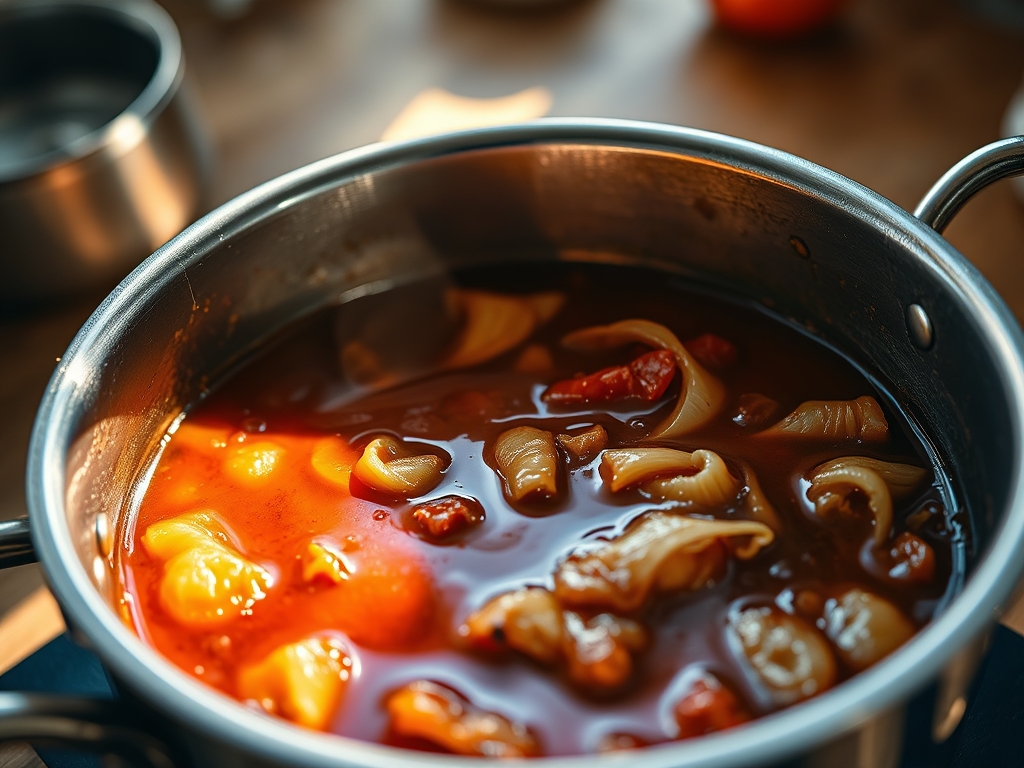
Pour in the anchovy kelp stock and the reserved kimchi brine. Bring the mixture to a vigorous boil, then immediately reduce to a simmer. Cover the pot and let the flavors converge for 15 to 20 minutes. This is where the viscous quality of the stew develops as the cabbage breaks down further.
Pro Tip: Use a fine-mesh skimmer during the first five minutes of boiling to remove any gray foam or impurities that rise to the surface for a cleaner finish.
5. The Structural Finish
Gently slide the tofu slabs into the broth and add the green onions. Simmer for an additional 5 minutes to allow the tofu to absorb the heat and seasoning. Taste the broth; if it requires more salt, add the light soy sauce in 5ml increments until the umami profile is balanced.
Pro Tip: Do not over-stir once the tofu is added. The goal is to keep the tofu intact as a soft, contrasting texture against the chewy pork and softened cabbage.
Section B: Prep & Timing Fault-Lines:
Timing is the silent killer of texture. If you add the tofu too early, it will disintegrate into a grainy mush, ruining the mouthfeel. Conversely, if you do not simmer the broth long enough, the water and fat will remain separated rather than achieving a cohesive, aerated emulsion. Always use a timer. If the heat is too high, the liquid will evaporate before the cabbage softens; maintain a gentle "smile" on the surface of the liquid (small, consistent bubbles) rather than a rolling boil.
THE VISUAL SPECTRUM
Section C: Thermal & Visual Troubleshooting:
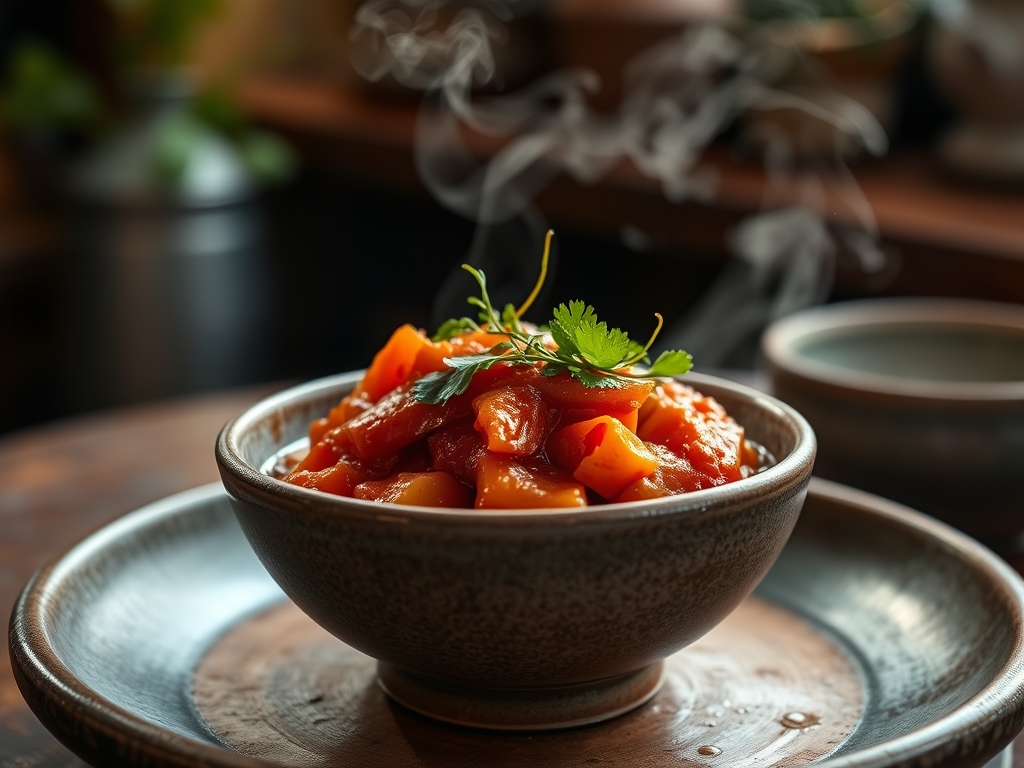
Referencing the Masterclass photo, your stew should exhibit a vibrant, sunset-orange broth with a thin layer of red oil shimmering on top. If your stew looks pale or watery, you likely skimmed off too much fat or failed to toast the gochugaru properly. If the cabbage appears white instead of translucent, it hasn't been cooked long enough to break down the fibers. For dull colors, a final high-heat blast for 60 seconds just before serving can help aerate the fats and brighten the red hues. Ensure the green onions are added at the very end to maintain their neon-green contrast against the deep crimson broth.
THE DEEP DIVE
Macro Nutrition Profile:
A standard serving of Korean Kimchi Jjigae is surprisingly balanced. It provides approximately 280 calories, 18g of protein, 15g of fat, and 12g of carbohydrates. The fermentation process introduces probiotics, though many are neutralized by high heat; however, the bioavailable vitamins and minerals from the cabbage remain high.
Dietary Swaps:
- Vegan: Replace pork belly with thick-cut shiitake mushrooms for umami and use a kelp-only broth.
- Keto: This dish is naturally low-carb. Ensure your kimchi has no added sugar or pear puree.
- GF: Use tamari instead of light soy sauce.
Meal Prep & Reheating Science:
Kimchi Jjigae is a rare beast that improves with age. As it sits in the refrigerator, the flavors continue to marry through osmosis. When reheating, do so on the stovetop rather than the microwave. Microwaves create localized hot spots that can cause the tofu to explode or the pork to become rubbery. Add 30ml of water before reheating to account for evaporation and maintain the original molecular density of the broth.
THE KITCHEN TABLE
Why is my stew too sour?
This happens with extremely old kimchi. Balance the pH by adding 1/2 teaspoon of white sugar. The sugar doesn't make it sweet; it suppresses the sharp acidic peaks and rounds out the umami profile.
Can I use chicken instead of pork?
You can, but the audit will reflect a lack of depth. Chicken lacks the specific fatty acid profile of pork belly. If you must use chicken, use skin-on thighs to ensure enough fat renders into the broth.
What is the best tofu for this?
Medium-firm is the gold standard. It is soft enough to provide a silken contrast but structurally sound enough to survive a five-minute simmer without turning into a cloud of debris in your saucier.
Is the anchovy stock mandatory?
It provides the essential "oceanic umami" that defines the dish. If you find it too pungent, a light chicken stock is a secondary alternative, but you will lose that authentic, fermented coastal depth.