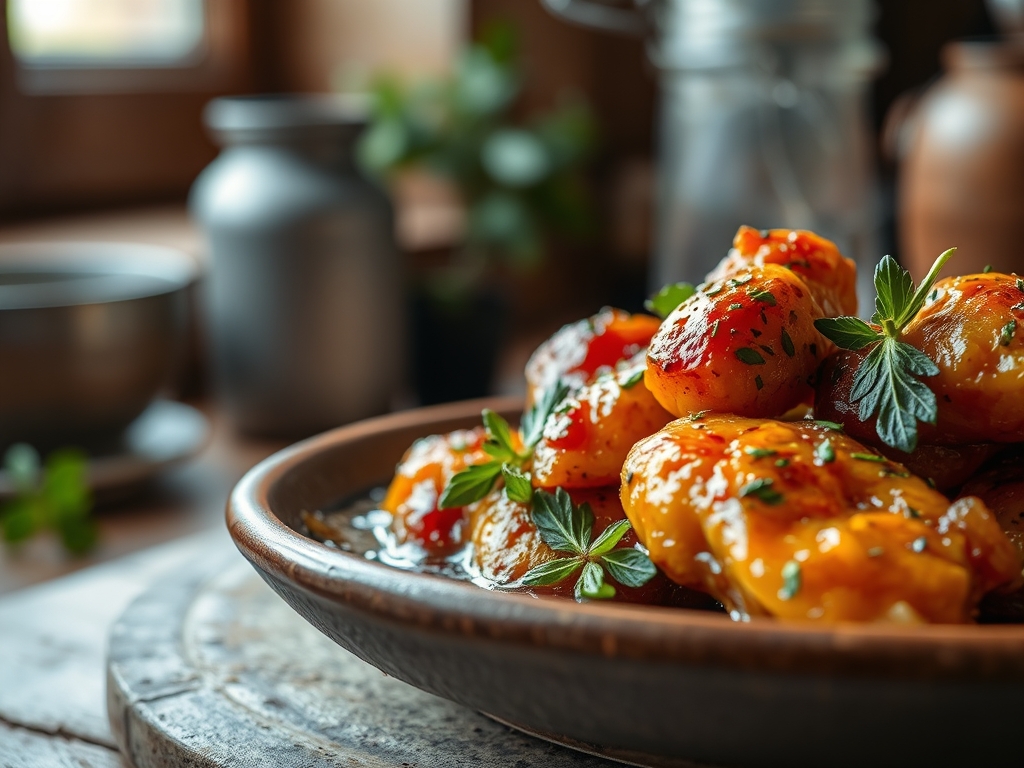
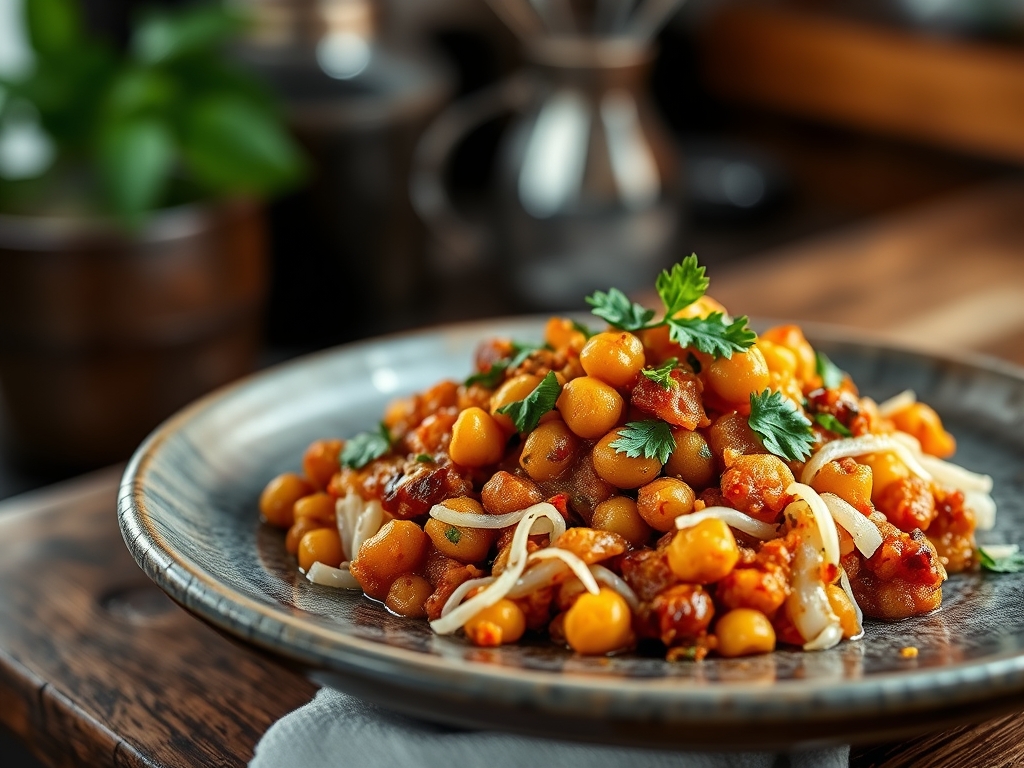
Listen up, flavor engineers. We are not here to make a polite bean stew. We are here to execute a high-performance Indian Chana Masala that demands respect from every taste bud in the room. If your chickpeas are mushy or your sauce is a watery tragedy, you have failed the density audit. This dish is a masterclass in the balance of acidity, heat, and legume structural integrity. We are looking for a viscous, mahogany-colored gravy that clings to every curve of the garbanzo. The fragrance should be an aggressive aromatic assault of toasted cumin and pungent ginger. When you bite into a perfectly executed Indian Chana Masala, you should experience a snap of the skin followed by a creamy, buttery interior. This is not just cooking; it is a thermal extraction of spice oils into a thick, tomato-based matrix. We are aiming for a piquant profile that lingers without burning, a depth of flavor that suggests hours of simmering even if we optimize the clock. Strap in, check your calibration, and prepare for a culinary overhaul.
THE DATA MATRIX
| Metric | Specification |
|---|---|
| Prep Time | 20 Minutes |
| Execution Time | 40 Minutes |
| Yield | 4 Standard Servings |
| Complexity (1-10) | 6.5 |
| Estimated Cost per Serving | $1.75 USD |
THE GATHERS
Ingredient Protocol:
- Legume Base: 500g / 2 cans (15oz each) Chickpeas, drained and rinsed.
- Aromatic Foundation: 200g / 2 medium Yellow Onions, finely minced.
- The Acid Component: 400g / 1.5 cups Crushed Tomatoes.
- Fat Source: 45ml / 3 tbsp Ghee or Neutral Oil.
- The Trinity: 30g / 2 tbsp Ginger-Garlic Paste.
- Spice Matrix (Dry): 10g / 2 tsp Garam Masala.
- Spice Matrix (Dry): 5g / 1 tsp Ground Cumin.
- Spice Matrix (Dry): 5g / 1 tsp Ground Coriander.
- Spice Matrix (Dry): 2.5g / 0.5 tsp Turmeric Powder.
- Spice Matrix (Dry): 2.5g / 0.5 tsp Kashmiri Chili Powder.
- Liquid: 250ml / 1 cup Filtered Water or Vegetable Stock.
- Finishing: 15ml / 1 tbsp Lemon Juice.
- Finishing: 10g / 0.25 cup Fresh Cilantro, chopped.
Section A: Ingredient Quality Audit:
If your chickpeas feel like rubber, they are likely under-hydrated or aged beyond their shelf life. To fix this, add a pinch of baking soda to the simmering liquid to break down the hemicellulose in the skins. If your ginger-garlic paste smells fermented or sour, it will ruin the aromatic profile; discard it and grate fresh aromatics using a microplane for maximum surface area. If your spices are dull and lack scent, they have oxidized. Revive them by dry-toasting in a small skillet for 30 seconds before adding to the fat to infuse the carrier oil with volatile compounds.
THE MASTERCLASS
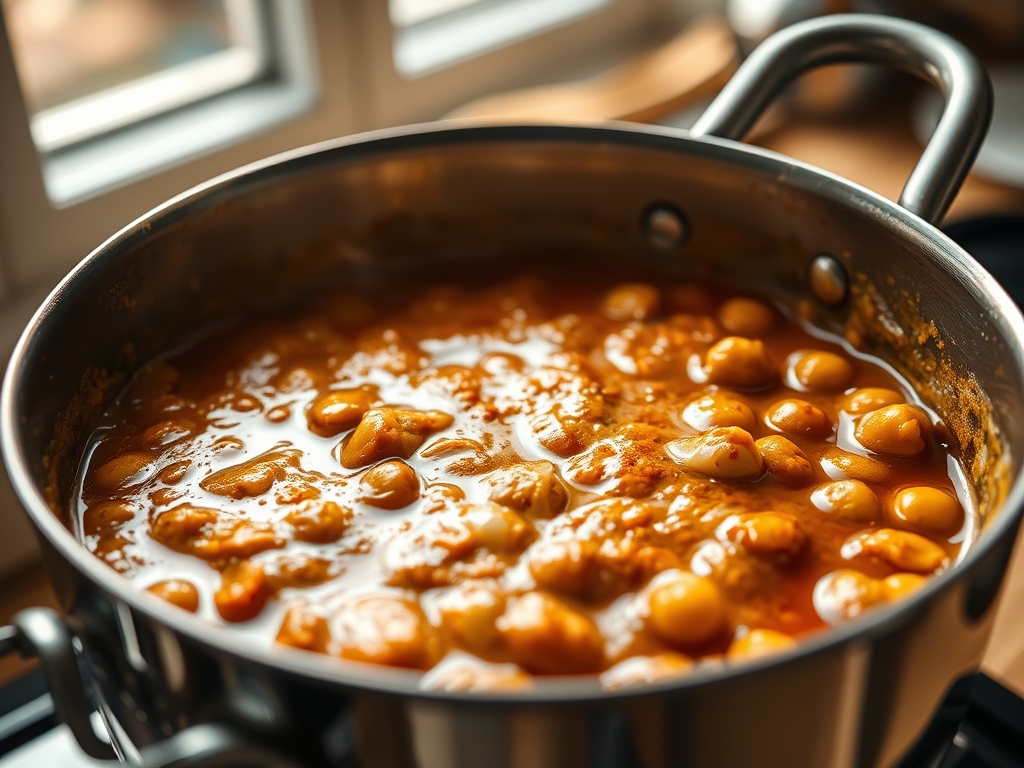
Step-by-Step Execution:
1. The Aromatic Render
Heat your saucier over medium-high heat. Add the ghee and wait for it to shimmer. Toss in your minced onions. We are looking for a deep, golden-brown caramelization. This is the Maillard reaction in full effect. Do not rush this; the onions provide the structural sweetness that balances the heat. Use a bench scraper to ensure all onion fragments are incorporated and not burning on the edges.
Pro Tip: Use a digital scale to measure your onions. Too many will make the sauce overly sweet; too few will leave it thin and watery.
2. The Spice Bloom
Add the ginger-garlic paste and sauté for 60 seconds until the raw scent dissipates. Lower the heat and introduce the dry spice matrix. This is the "blooming" phase where fat-soluble flavor molecules are released. If the pan looks dry, add a splash of water to prevent the spices from scorching.
Pro Tip: The viscous nature of the final sauce depends on the spices bonding with the fat. If you see the oil separating at the edges, you have achieved the perfect bloom.
3. The Tomato Reduction
Pour in the crushed tomatoes. Increase the heat slightly and cook until the tomatoes darken in color and the oil begins to separate from the paste. This indicates that the water has evaporated and the sugars are concentrating. This is where the Indian Chana Masala gains its characteristic depth.
Pro Tip: Use a heavy-bottomed pot to ensure even heat distribution. A saucier is ideal here because the rounded bottom prevents spices from getting trapped in corners.
4. The Legume Integration
Add the chickpeas and the water. Stir vigorously to coat every bean in the concentrated masala. Use the back of a wooden spoon to mash a small handful of chickpeas against the side of the pot. This releases starches into the liquid, thickening the sauce naturally without the need for flour or cornstarch.
Pro Tip: Consistency is key. If the sauce is too thin, simmer uncovered for five minutes. If it is too thick, add water 15ml at a time until the desired density is reached.
5. The Final Infusion
Stir in the garam masala and lemon juice at the very end. Heat is the enemy of the delicate aromatics in garam masala, so we add it late to preserve the scent. Turn off the heat and let the dish rest for five minutes to allow the flavors to marry.
Pro Tip: Use a digital thermometer to ensure the dish is served at 165 degrees Fahrenheit. This is the thermal sweet spot for flavor perception.
Section B: Prep & Timing Fault-Lines:
The most common human error is "The Flash Burn." If your heat is too high when adding dry spices, they will turn bitter in seconds. Always have your liquid components measured and ready to deglaze the pan immediately. Another failure point is the "Watery Grave," caused by adding too much stock at once. Add liquid incrementally. If you lose control of the temperature and the sauce breaks, whisk in a teaspoon of tomato paste to re-emulsify the mixture.
THE VISUAL SPECTRUM
Section C: Thermal & Visual Troubleshooting:
Referencing the Masterclass photo, your Indian Chana Masala should exhibit a rich, reddish-brown hue, not a bright yellow. If yours is too yellow, you over-indexed on turmeric. If the dish looks dull or grey, your onions did not caramelize sufficiently. The visual cue for success is "The Oil Glisten." You should see small droplets of red-tinted oil pooling on the surface. If the chickpeas look shriveled, they were overcooked; if they are floating in liquid, the reduction phase was cut short. The cilantro should be added at the last second to provide a vibrant green contrast against the deep earth tones of the gravy.
THE DEEP DIVE
Macro Nutrition Profile:
A standard serving contains approximately 280 calories, 12g of protein, 35g of carbohydrates, and 10g of fiber. It is a high-density nutrient powerhouse that provides sustained energy release due to the complex carbohydrates in the chickpeas.
Dietary Swaps:
- Vegan: Use avocado oil or coconut oil instead of ghee.
- Keto: This is a high-carb dish; however, you can reduce the chickpea volume and add cauliflower florets to lower the net carb count.
- GF: Naturally gluten-free. Ensure your spice blends are certified.
Meal Prep & Reheating Science:
This dish actually improves after 24 hours in the refrigerator. The spices continue to infuse the legumes, and the starches stabilize. When reheating, add 15ml of water to restore the viscous texture. Avoid the microwave if possible; use a small saucepan over low heat to prevent the chickpeas from exploding due to internal steam pressure.
THE KITCHEN TABLE
Why is my Chana Masala bitter?
You likely burnt the spices or the ginger-garlic paste. Next time, lower the heat before adding dry ingredients and deglaze with a splash of water immediately to stop the cooking process.
Can I use dried chickpeas instead of canned?
Absolutely. Soak them for 12 hours and pressure cook for 15 minutes before starting the recipe. This results in a superior texture and better starch release for a thicker sauce.
How do I get that dark restaurant color?
Traditional methods involve steeping a black tea bag in the cooking liquid. The tannins provide a deep mahogany color and a subtle earthy note without changing the primary flavor profile.
My sauce is too thin, what now?
Remove a half-cup of chickpeas, blend them into a smooth paste, and stir them back into the pot. This creates an instant thickener that maintains the flavor integrity of the dish.
What is the best way to serve this?
Serve with basmati rice or hot bhatura. The starch provides a neutral base that allows the piquant and complex layers of the masala to stand out.