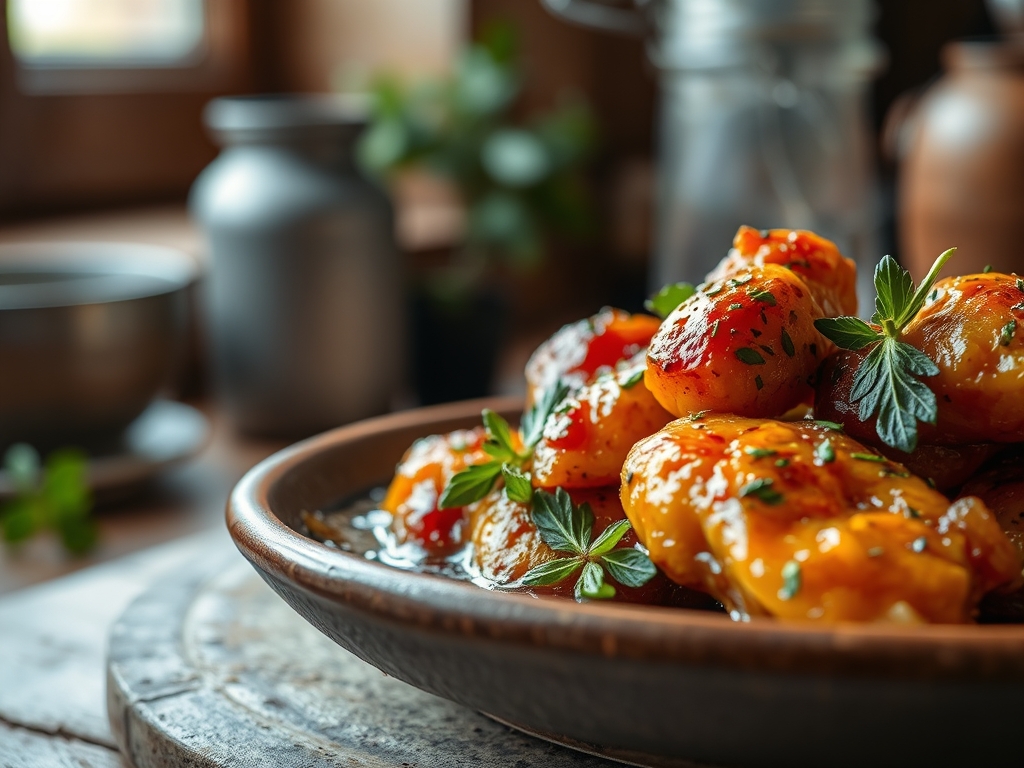
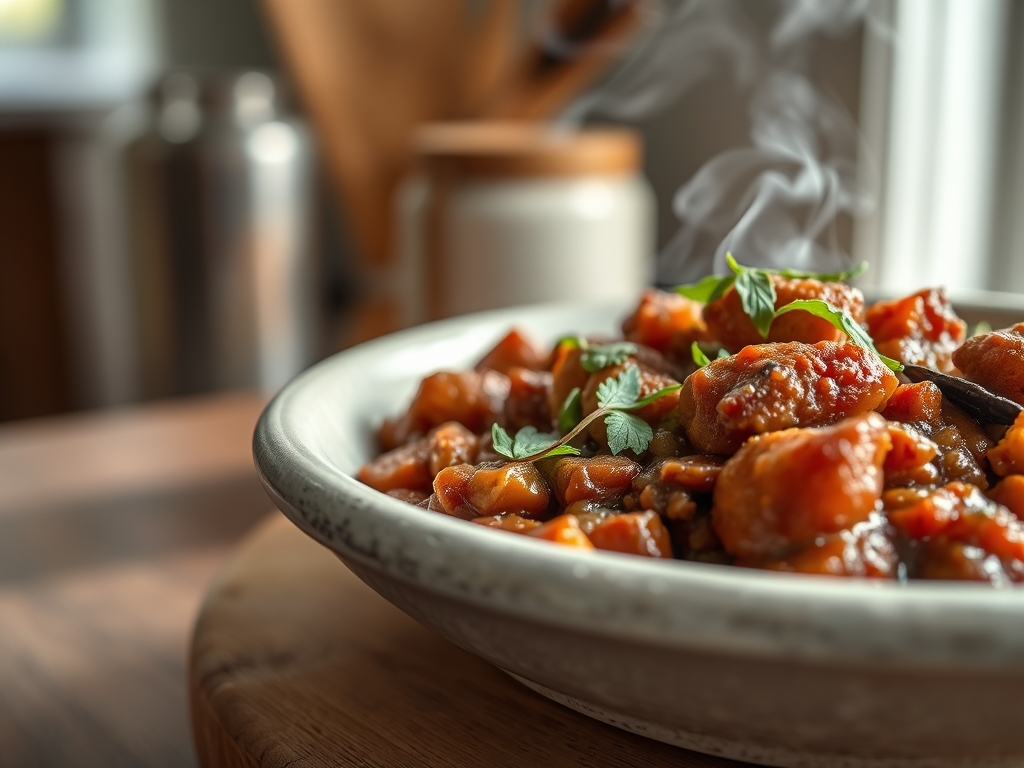
The steam rising from a heavy cast iron pot is not merely water vapor; it is a pressurized transmission of history and lipid science. Brazilian Feijoada is the undisputed heavyweight champion of the culinary world. It is a dense, obsidian masterpiece where black beans undergo a slow-motion collapse into a viscous, collagen-rich gravy. This is not a quick weeknight soup. It is a structural engineering project that demands respect for the Maillard reaction and the patient rendering of porcine fats. Imagine the piquant aroma of smoked meats colliding with the earthy, mineral depth of legumes. To the uninitiated, it looks like chaos in a cauldron; to the expert auditor, it is a perfectly balanced matrix of fiber and fat. We are looking for a specific textural equilibrium where the beans remain intact but yield to the slightest pressure, releasing a creamy interior that emulsifies with the salted juices of the pork. Prepare your palate for an assault of savory complexity that defines the very soul of Brazilian gastronomy.
THE DATA MATRIX
| Metric | Specification |
|---|---|
| Prep Time | 45 Minutes (Excluding Soak) |
| Execution Time | 3.5 Hours |
| Yield | 8 to 10 Servings |
| Complexity (1-10) | 7 (High Thermal Management) |
| Estimated Cost per Serving | $4.50 – $6.00 |
THE GATHERS
Ingredient Protocol:
- 900g / 2 lbs Dry Black Beans (soaked 12 hours)
- 450g / 1 lb Smoked Pork Ribs (sectioned)
- 225g / 0.5 lb Carne Seca or Corned Beef (cubed)
- 225g / 0.5 lb Paio Sausage or Chorizo (sliced)
- 225g / 0.5 lb Smoked Bacon (thickly diced)
- 150g / 1 cup Yellow Onion (finely minced)
- 30g / 4 cloves Garlic (pulverized)
- 30ml / 2 tbsp Neutral Oil or Lard
- 4 units Dried Bay Leaves
- To taste Kosher Salt and Black Pepper
- Optional 1 unit Orange (halved)
Section A: Ingredient Quality Audit:
The primary failure point in Brazilian Feijoada is the age of the legumes. If your black beans have been sitting in a pantry for three years, they will never reach the desired creamy consistency regardless of cook time. If you suspect old beans, add a pinch of baking soda to the soaking water to help break down the hemicellulose. Another critical audit involves the salt content of the preserved meats. If you fail to desalinate the carne seca through multiple water changes, the final stew will be an inedible brine. Always taste a small piece of the boiled meat before adding it to the main pot; if it is too salty, continue simmering it in fresh water separately until the salinity levels normalize.
THE MASTERCLASS
1. The Desalination and Rehydration Phase
Begin by draining your soaked beans and rinsing them under cold water. Use a digital scale to ensure your meat-to-bean ratio is precise. If using traditional salted meats, they must be boiled separately for 15 minutes and drained to remove excess surface salt.
Pro Tip: Soaking beans isn't just about hydration; it triggers an enzymatic breakdown of complex sugars that cause digestive distress. Use a large stainless steel colander to ensure every bean is free of debris before it enters the pot.
2. The Primary Infusion
Place the beans, bay leaves, and the orange half into a heavy-bottomed saucier or Dutch oven. Cover with water by at least three inches. Bring to a boil, then immediately reduce to a whisper of a simmer.
Pro Tip: The orange half acts as a molecular sponge for excess fat. The citric acid and pectin help to brighten the flavor profile and prevent the stew from feeling overly heavy on the tongue.
3. Rendering the Pork Matrix
In a separate heavy skillet, use a bench scraper to move your diced bacon and sausages into the pan. Render the fat over medium heat until the meats are golden and the fat is liquid gold. Do not discard this lipid base; it is the carrier for all future aromatics.
Pro Tip: This is where the Maillard reaction occurs. By browning the meats separately, you create complex flavor compounds that would be lost if the meat were simply boiled in the bean liquid.
4. The Aromatic Integration
Add the minced onions and garlic to the rendered fat in the skillet. Sauté until translucent and fragrant. Deglaze the pan with a ladle of the bean cooking liquid, scraping up every brown bit of fond from the bottom.
Pro Tip: Deglazing is essential for capturing the "umami" trapped on the pan surface. Use a high-heat resistant silicone spatula to ensure no flavor is left behind.
5. The Final Emulsification
Transfer the browned meats and aromatics into the main bean pot. Simmer uncovered for the final hour. To achieve the signature viscous texture, take two ladles of beans, mash them into a paste with a fork, and stir them back into the stew.
Pro Tip: This bean paste acts as a natural thickener. It creates a suspension of solids that transforms a watery soup into a cohesive, professional-grade Brazilian Feijoada.
Section B: Prep & Timing Fault-Lines:
The most common timing error is rushing the simmer. If the heat is too high, the beans will burst and turn to mush before the connective tissues in the pork have time to render into gelatin. Use a digital probe thermometer to ensure the liquid stays between 190 and 200 degrees Fahrenheit. If you lose too much liquid through evaporation, always replenish with boiling water; adding cold water shocks the beans and can lead to uneven textures.
THE VISUAL SPECTRUM
Section C: Thermal & Visual Troubleshooting:
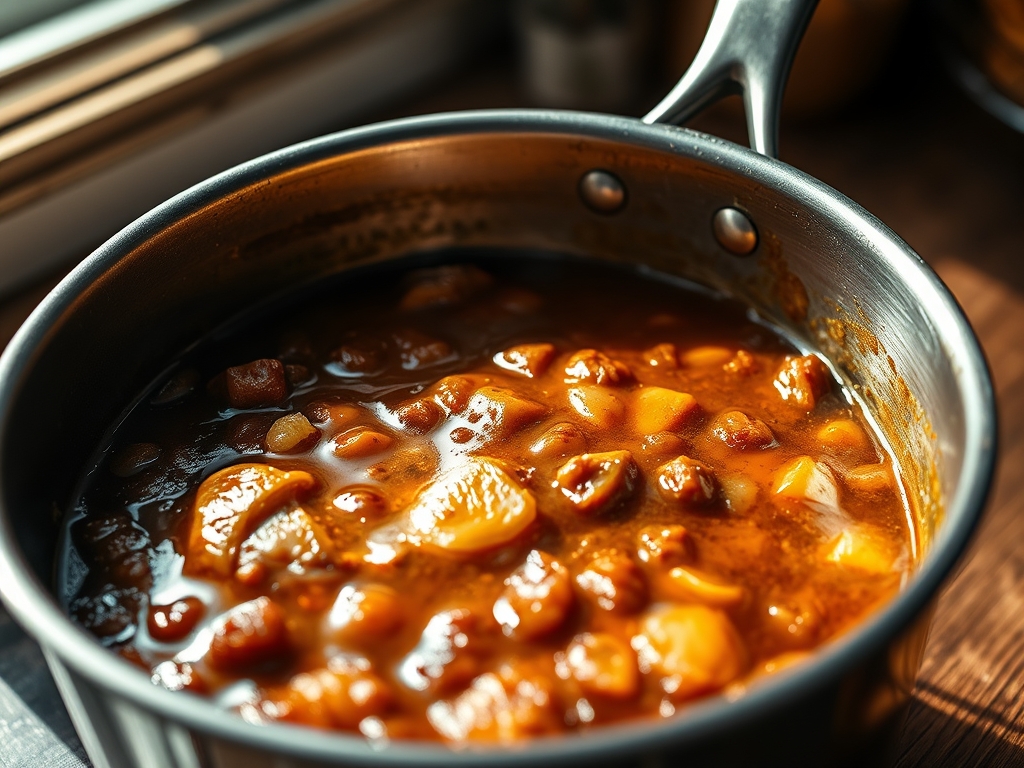
Referencing the Masterclass photo, the ideal Feijoada should have a deep, velvety purple-black hue. If your stew looks grey or washed out, it is likely due to over-dilution or under-seasoning. The surface should have a slight sheen from the emulsified fats, but it should not have a thick layer of oil floating on top. If you see an oil slick, use a chilled stainless steel spoon to skim the surface. The meats should look distinct and dark, not pale and boiled. If the colors are dull, a fresh garnish of chopped parsley or a side of bright green collard greens will provide the necessary visual contrast to make the dish pop.
THE DEEP DIVE
Macro Nutrition Profile:
Brazilian Feijoada is a nutritional powerhouse, albeit a caloric one. A single serving provides approximately 45g of protein and 15g of fiber. It is exceptionally high in iron and potassium. However, the sodium content can be significant, so balance is key.
Dietary Swaps:
For a Vegan version, replace the pork with smoked tofu, tempeh, and sun-dried tomatoes to mimic the savory depth. For Keto enthusiasts, reduce the bean ratio and increase the variety of fatty pork cuts like pork belly. The dish is naturally Gluten-Free, provided your sausages do not contain grain fillers.
Meal Prep & Reheating Science:
Feijoada is notoriously better on the second day. As it cools, the starches and proteins form a more stable network. When reheating, do so slowly over low heat. Add a splash of water or stock to loosen the viscous gravy, as the beans will continue to absorb moisture in the refrigerator. Avoid the microwave if possible; the uneven heating can cause the fats to separate from the bean starches.
THE KITCHEN TABLE
Why are my beans still hard after three hours?
This usually indicates old beans or the presence of "hard water" minerals. Next time, use filtered water or add a tiny pinch of baking soda to the soak to help soften the skins.
Can I use canned beans for this recipe?
You can, but you sacrifice the structural integrity and the deep, integrated flavor of the cooking liquor. If using canned, reduce the simmering time significantly and add a high-quality pork stock.
What is the best side dish for Feijoada?
The traditional "Big Four" sides are white rice, sautéed collard greens (couve), toasted cassava flour (farofa), and fresh orange slices. The orange slices are functional; they aid in the digestion of the heavy fats.
How do I fix a stew that is too salty?
Do not add sugar. Instead, add a peeled, raw potato to the pot and simmer for 20 minutes. The potato will absorb a portion of the salt. Alternatively, dilute with more unsalted bean broth.