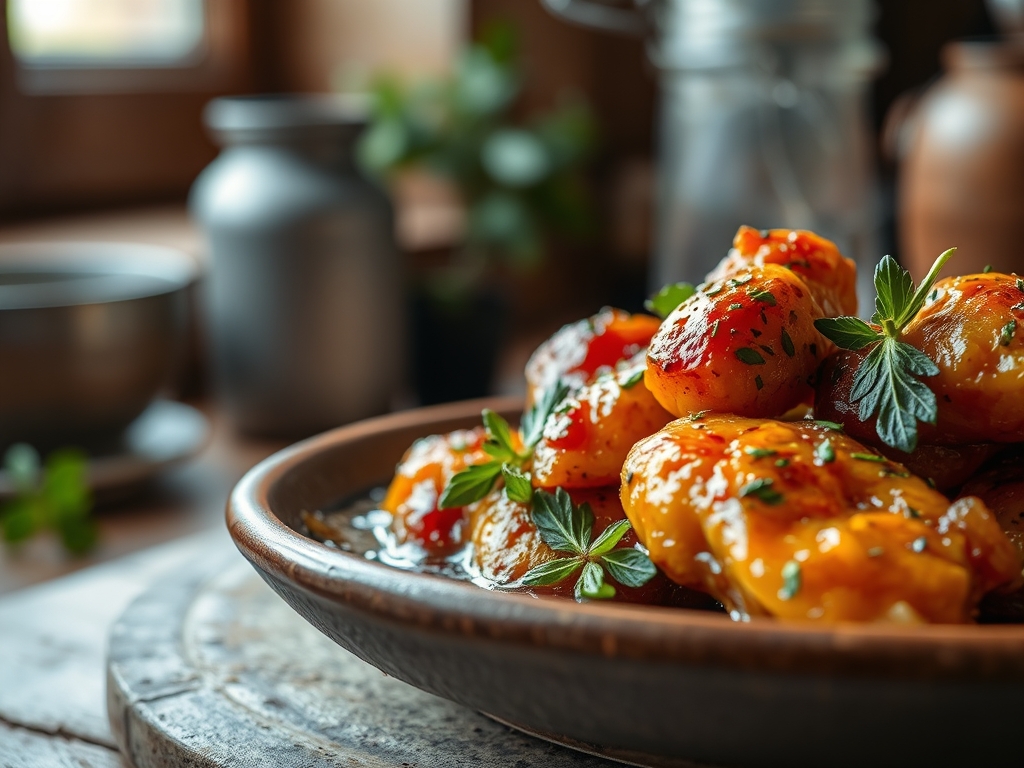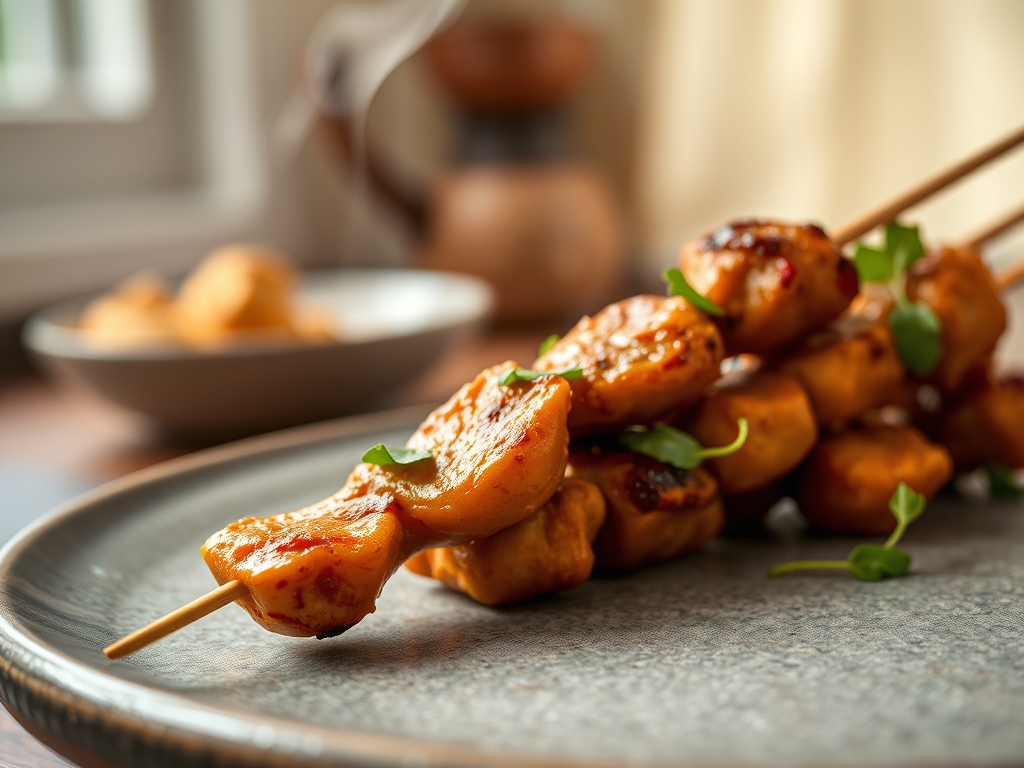
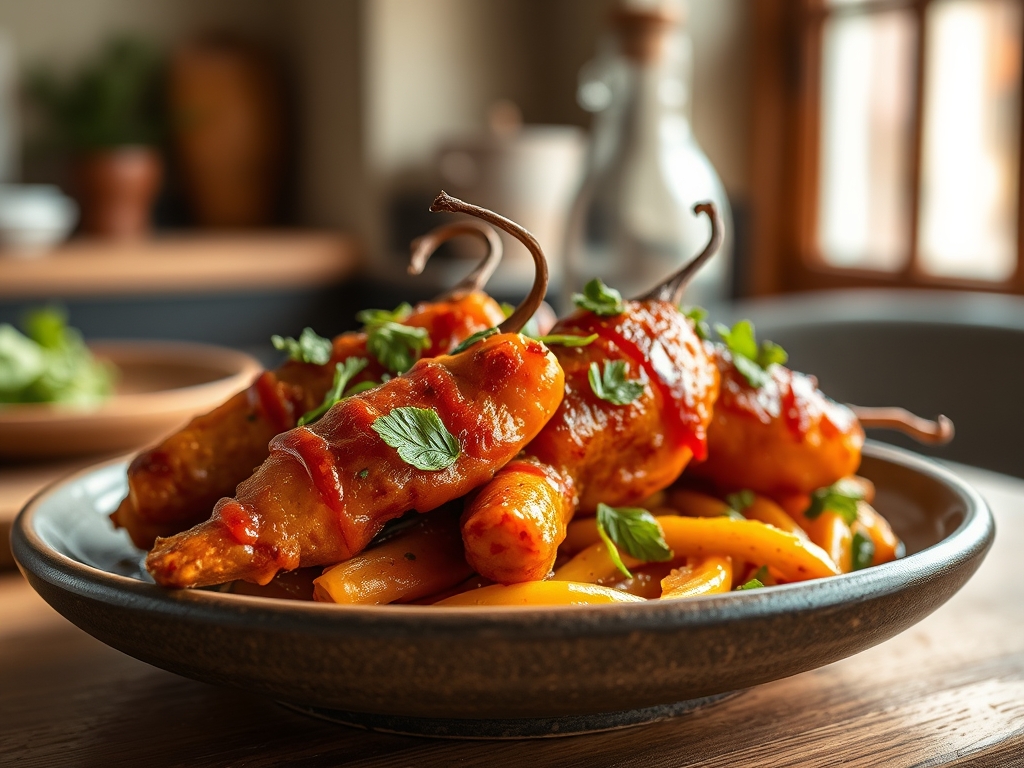
Listen to the sound of skin shattering under the pressure of a serrated blade; that is the auditory signature of a perfectly executed Portuguese Piri Piri chicken. This is not merely a meal. It is a high-velocity collision between colonial history and modern thermodynamics. We are talking about a bird that has been butterfly-cut for maximum surface area exposure, then subjected to a piquant baptism of African Bird's Eye chilies, citrus, and garlic. The air in the kitchen should feel electric, thick with the scent of charred lipids and volatile capsaicin compounds. To master this dish is to understand the delicate equilibrium between the Maillard reaction and the structural integrity of poultry protein. We are not just cooking; we are auditing the very infrastructure of heat. If your eyes aren't watering slightly from the vinegar-sharp steam rising from the grill, you aren't doing it right. This is a technical pursuit of the ultimate crunch and the deepest infusion. Strap in, calibrate your sensors, and prepare to render some fat.
THE DATA MATRIX
| Metric | Specification |
|---|---|
| Prep Time | 45 Minutes (plus 12-24h marination) |
| Execution Time | 45-55 Minutes |
| Yield | 4-6 Servings |
| Complexity | 7/10 |
| Estimated Cost per Serving | $4.50 – $6.50 |
THE GATHERS
Ingredient Protocol:
- 1.8 kg / 4 lb Whole Chicken (Spatchcocked)
- 100 g / 3.5 oz African Bird's Eye Chilies (Piri Piri)
- 120 ml / 0.5 cup Extra Virgin Olive Oil
- 60 ml / 0.25 cup Fresh Lemon Juice
- 60 ml / 0.25 cup Red Wine Vinegar
- 30 g / 6 cloves Garlic (Mashed to a paste)
- 15 g / 1 tbsp Smoked Paprika (Pimenton)
- 10 g / 2 tsp Coarse Sea Salt
- 5 g / 1 tsp Dried Oregano
- 2 g / 0.5 tsp Black Peppercorns (Freshly cracked)
Section A: Ingredient Quality Audit:
The primary failure point in Portuguese Piri Piri is the use of oxidized or "stale" chilies. If your peppers are shriveled or lack a vibrant red hue, the resulting sauce will be muddy rather than piquant. Fix this by rehydrating dried chilies in warm vinegar for twenty minutes before blending to unlock latent oils. Another common audit failure is using bottled lemon juice. The pH levels are inconsistent and the flavor is flat. Always use fresh citrus to ensure the acid properly denatures the surface proteins of the chicken during the marination phase. Finally, if your olive oil has a metallic aftertaste, it will ruin the emulsion. Opt for a high-quality, cold-pressed oil that can withstand the heat without breaking into acrid smoke.
THE MASTERCLASS
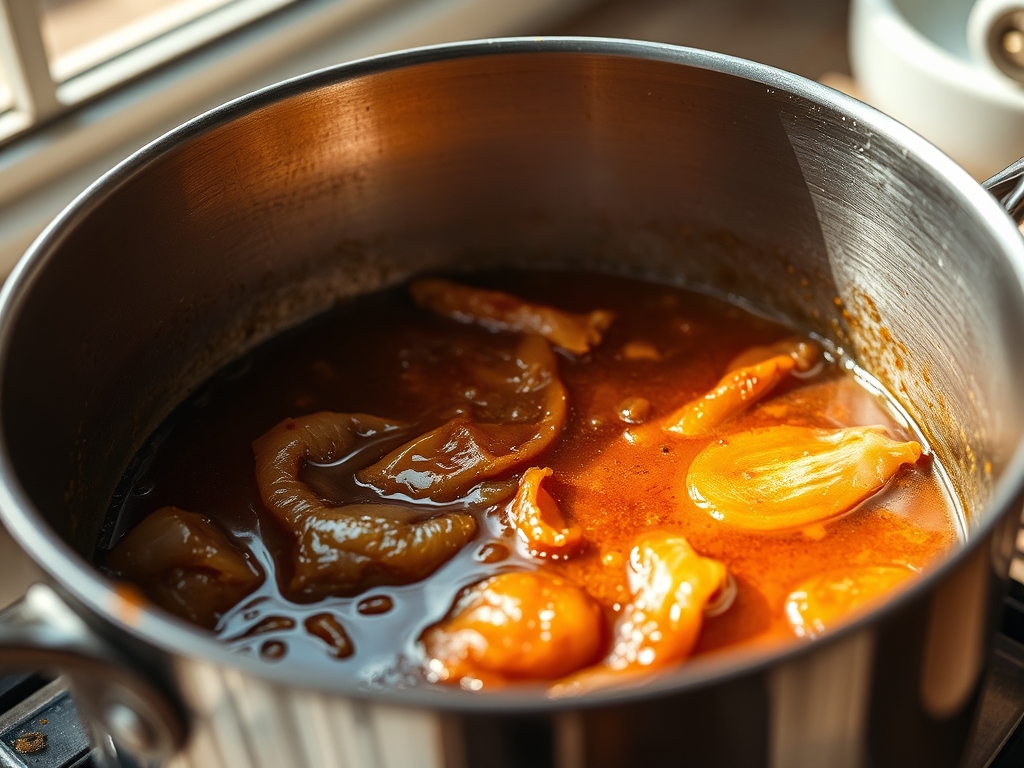
1. Spatchcocking the Infrastructure
Place the bird breast-side down on a heavy-duty cutting board. Using professional kitchen shears, remove the backbone by cutting along both sides of the spine. Flip the bird and press down firmly on the breastbone until you hear a distinct crack. This flattens the carcass, ensuring even thermal distribution across the thighs and breasts.
Pro Tip: Use a bench scraper to clear the board of any bone fragments or connective tissue. Flattening the bird increases the surface area for the Maillard reaction, allowing the skin to crisp at the same rate the internal meat reaches safety temperatures.
2. Synthesizing the Piri Piri Emulsion
In a high-speed blender, combine chilies, garlic, salt, paprika, oregano, lemon juice, and vinegar. While the motor is running, slowly stream in the olive oil to aerate and infuse the mixture. You are looking for a viscous, bright red suspension that clings to a spoon.
Pro Tip: Use a digital scale to measure your ingredients by weight rather than volume. Precision in the chili-to-acid ratio is the difference between a balanced heat and a chemical burn on the palate.
3. The Marination Matrix
Place the flattened chicken in a non-reactive glass dish. Massage two-thirds of the sauce under the skin and across the surface. Cover and refrigerate for at least 12 hours. This allows the salt and acid to penetrate the muscle fibers, breaking down tough proteins and seasoning the bird to the bone.
Pro Tip: Use a silicone pastry brush to ensure total coverage. The acid in the vinegar acts as a tenderizer, while the oils carry the fat-soluble capsaicin deep into the tissues.
4. Thermal Execution
Preheat your grill or oven to 200C / 400F. Place the chicken skin-side up. If using a grill, utilize indirect heat to prevent the sugars in the sauce from carbonizing too quickly. Roast until the internal temperature of the thickest part of the thigh registers 74C / 165F on a digital probe.
Pro Tip: Keep a saucier on the side with the remaining marinade. Baste the chicken every fifteen minutes. This layering technique creates a lacquered crust that traps moisture inside the meat.
5. The Rest and Deglaze
Once the target temperature is achieved, move the chicken to a warm resting board. Let it sit for ten minutes. This allows the internal juices to redistribute. While the bird rests, take the remaining marinade and simmer it in a small pan to kill any raw poultry bacteria, then use it as a finishing glaze.
Pro Tip: Use a digital instant-read thermometer to verify the rest. If you cut too early, the cellular structure will collapse and the moisture will leak out, leaving the meat dry.
Section B: Prep & Timing Fault-Lines:
The most frequent timing error is "Cold-Start Friction." Taking a chicken directly from a 4C refrigerator to a 200C oven causes the muscle fibers to seize, resulting in a rubbery texture. Allow the bird to temper at room temperature for thirty minutes before cooking. Furthermore, failing to calibrate your oven can lead to a "False Positive" where the skin looks charred but the interior is undercooked. Always trust the probe over the timer. If the skin is browning too fast, tent the bird with foil to deflect radiant heat while the internal conduction continues.
THE VISUAL SPECTRUM
Section C: Thermal & Visual Troubleshooting:
Referencing the Masterclass photo, your chicken should exhibit a "Lava-Flow" aesthetic. This is characterized by deep orange and charred mahogany patches. If your bird looks pale or yellow, your heat was too low to trigger the Maillard reaction; increase the temperature or move the bird closer to the heat source for the final five minutes. If the sauce appears broken or oily on the plate, it means the emulsion was unstable. Fix this by whisking a teaspoon of warm water into your finishing sauce to re-bind the fats. Dull skin is usually a sign of excess moisture. Pat the chicken dry with paper towels before applying the marinade to ensure the oil can properly fry the skin during the roasting process.
THE DEEP DIVE
Macro Nutrition Profile:
A standard serving (approx. 200g) provides roughly 450 calories. It is high in protein (35g) and moderate in fats (32g), depending on how much skin is consumed. The chilies provide a significant boost in Vitamin C and capsaicin, which can temporarily increase metabolic rate.
Dietary Swaps:
- Vegan: Substitute the chicken with thick slabs of cauliflower or firm tofu. Reduce roasting time by 50%.
- Keto: This dish is naturally Keto-compliant. Ensure the red wine vinegar has no added sugars.
- GF: Naturally gluten-free. Ensure your smoked paprika is certified GF to avoid cross-contamination from anti-caking agents.
Meal Prep & Reheating Science:
To maintain the molecular structure when reheating, avoid the microwave. The agitation of water molecules will turn the crispy skin into a soggy mess. Instead, use an air fryer at 180C for five minutes. This rapidly re-crisps the lipids and warms the interior without overcooking the protein.
THE KITCHEN TABLE
How do I make it less spicy?
Remove the seeds and internal membranes (pith) from the African Bird's Eye chilies before blending. Most of the capsaicin is concentrated there. You can also dilute the heat by increasing the ratio of smoked paprika and olive oil.
Can I use chicken breasts instead?
Yes, but the risk of desiccation is high. Reduce the cooking time significantly and monitor the internal temperature closely. Stop at 71C / 160F and let the carry-over heat bring it to the final safety margin during the rest.
What if I can't find Piri Piri chilies?
Substitute with Thai Bird's Eye chilies or Habaneros. Habaneros offer a similar heat level but add a floral, fruity note that differs from the earthy, sharp bite of the traditional Portuguese Piri Piri pepper.
Why is my sauce bitter?
Bitterness usually stems from burnt garlic or over-processed lemon pith. Ensure you are only using the juice of the lemon, not the white membrane. If the sauce is already bitter, a tiny pinch of sugar can chemically mask the perception.