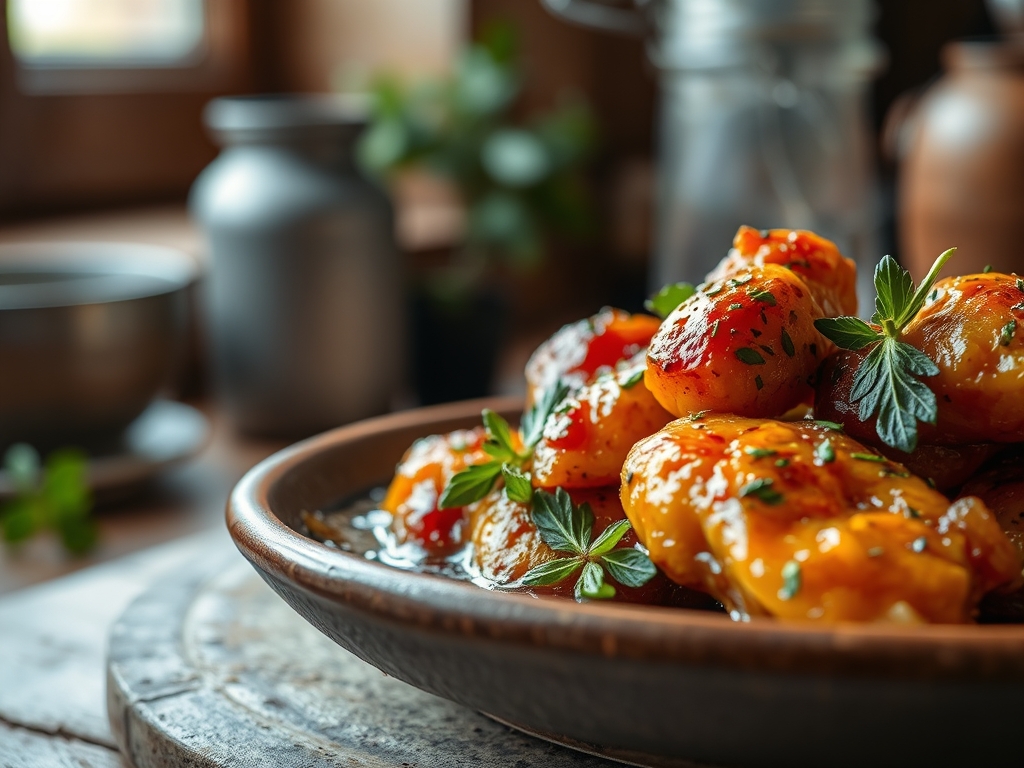
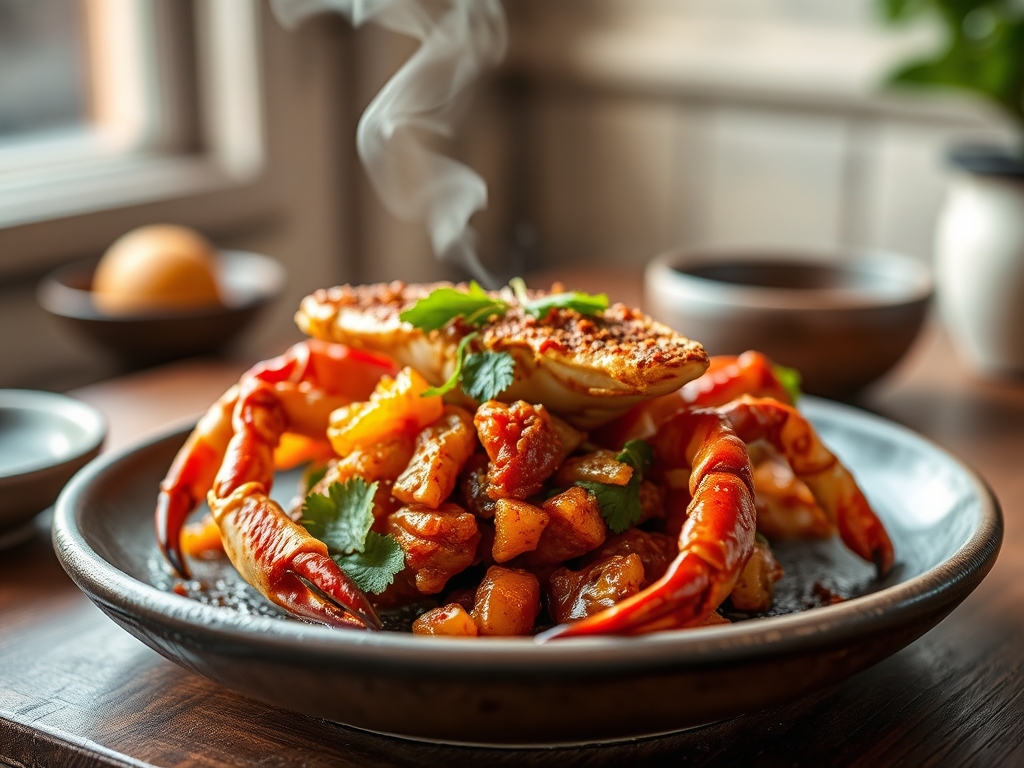
Imagine a tectonic shift in your culinary reality where the crustacean is the skyscraper and the sauce is the molten core. We are talking about Singapore Chili Crab; a dish that is less of a meal and more of a structural engineering feat involving high-velocity heat and aggressive aromatics. The air in the kitchen should be thick with the scent of fermented shrimp paste and the sharp, piquant sting of bird's eye chilies. This is not a delicate affair for the faint of heart. It is a visceral, hands-on demolition project where the reward is sweet, succulent meat bathed in a viscous, tomato-based gravy that defies the laws of standard emulsification. You are the auditor of this infrastructure. You are looking for the perfect tension between the heat of the chili and the soothing silkiness of the egg ribbons. If your sauce is thin or your crab is rubbery, your building has collapsed. We are here to ensure the foundation is solid, the flavor profile is soaring, and the texture is impenetrable.
THE DATA MATRIX
| Metric | Specification |
|---|---|
| Prep Time | 45 Minutes |
| Execution Time | 25 Minutes |
| Yield | 4 Servings |
| Complexity | 8 / 10 |
| Estimated Cost per Serving | $18.00 – $25.00 USD |
THE GATHERS
Ingredient Protocol:
- 2 Large Mud Crabs (approx. 1.5kg / 3.3 lbs total); cleaned and hacked into joints.
- 120ml / 0.5 cup Peanut Oil; for high-smoke point searing.
- 60g / 2.1 oz Garlic; finely minced.
- 40g / 1.4 oz Fresh Ginger; grated into a paste.
- 6-8 Fresh Bird's Eye Chilies; deseeded and minced for a controlled piquant kick.
- 300ml / 1.25 cups Tomato Ketchup; the structural base of the sauce.
- 150ml / 0.6 cup Bottled Chili Sauce (Maggi or Lingham's style).
- 2 tbsp / 30ml Fermented Salted Soybeans (Tauchu); mashed.
- 500ml / 2 cups High-quality Chicken Stock or Water.
- 2 Large Eggs; lightly beaten to aerate the final texture.
- 1 tbsp / 15g Cornstarch; dissolved in 30ml / 2 tbsp cold water.
- 50g / 1.75 oz Palm Sugar or Brown Sugar; to balance the acidity.
- 1 bunch Fresh Cilantro and Scallions; for the aromatic finish.
- Deep-fried Mantou buns; for essential sauce recovery operations.
Section A: Ingredient Quality Audit:
If your crab lacks the "snap" of fresh sea-life, it is likely due to improper storage or age. Sub-par crab meat becomes mushy when exposed to acidic sauces. To fix this, ensure you are buying live mud crabs. If you must use frozen, look for "flash-frozen at sea" labels to preserve cellular integrity. If your fermented soybean paste is too salty or aggressive, do not discard it. Instead, render it in a small amount of oil separately before adding it to the main saucier. This mellows the funk and integrates the savory depth into the fat. If your chilies lack heat, check the internal pith; if it is pale, double the quantity or add a teaspoon of dried chili flakes to reach the desired piquant threshold.
THE MASTERCLASS
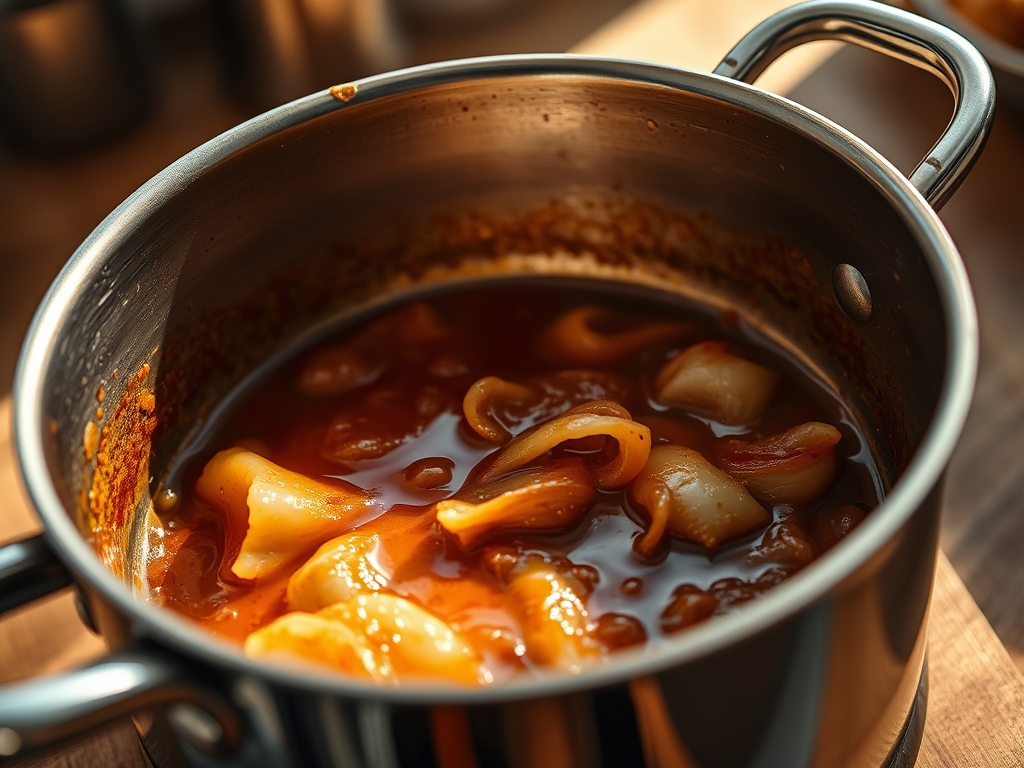
Step-by-Step Execution:
1. The Aromatics Foundation
Heat your peanut oil in a heavy-bottomed wok or saucier until it reaches the shimmering point. Add the minced garlic, ginger, and chilies. Sauté until the mixture is fragrant and the raw edge has dissipated.
Pro Tip: Use a digital scale to measure your aromatics. Precision here prevents the garlic from overpowering the delicate crab. The goal is to infuse the oil with flavor without burning the solids, which would introduce a bitter profile.
2. The Crustacean Sear
Increase the heat to maximum. Toss in the crab pieces. Stir-fry vigorously for 3 to 5 minutes until the shells turn a vibrant, bright orange.
Pro Tip: This stage utilizes the Maillard reaction on any residual proteins on the shell surface. Use a heavy-duty stainless steel spatula or bench scraper to move the crab constantly, ensuring even heat distribution across all joints.
3. The Liquid Infrastructure
Add the mashed soybeans, ketchup, chili sauce, sugar, and chicken stock. Stir to combine, ensuring the crab is well-coated. Cover the wok and simmer for 6 to 8 minutes.
Pro Tip: The lid creates a steam chamber that cooks the crab meat gently while the sauce begins to viscous through reduction. Check the internal temperature with a probe; the meat should reach 63C (145F) for optimal texture.
4. The Thickening Phase
Remove the lid and stir in the cornstarch slurry. Watch as the sauce transforms from a watery liquid into a glossy, clinging glaze.
Pro Tip: Never add dry starch directly to a hot liquid. The slurry ensures a smooth distribution of starch molecules, preventing unsightly lumps. A saucier with sloped sides is ideal here for efficient stirring.
5. The Egg Ribbon Aeration
Turn off the heat. Pour the beaten eggs in a thin stream over the sauce. Let them sit for 10 seconds, then gently fold them in using a circular motion.
Pro Tip: Residual heat is enough to cook the eggs. This technique creates "ribbons" that aerate the sauce, giving it a velvety, cloud-like mouthfeel that contrasts with the sharp chili.
Section B: Prep & Timing Fault-Lines:
The most common failure in Singapore Chili Crab is overcooking the crab, which leads to the meat sticking to the shell. This is a timing fault-line. If you find the sauce is reducing too fast before the crab is done, add a splash of water to drop the temperature. Conversely, if the sauce is too thin, remove the crab pieces to a warm platter and reduce the sauce on high heat before recombining. Use a timer; do not rely on "vibes" when dealing with high-heat crustacean chemistry.
THE VISUAL SPECTRUM
Section C: Thermal & Visual Troubleshooting:
Referencing the Masterclass photo, your final dish should exhibit a deep, crimson-orange hue. If your sauce looks dull or brown, you likely scorched the sugar or used old ketchup. To fix a dull color, add a teaspoon of paprika or a drop of red chili oil at the end to restore the vibrancy. If the egg ribbons look like scrambled eggs rather than wispy clouds, the heat was too high when you added them. For uneven browning on the shells, ensure your wok is large enough to allow the crab pieces to touch the surface rather than steaming in a pile.
THE DEEP DIVE
Macro Nutrition Profile:
A standard serving of Singapore Chili Crab is high in protein (approx. 35g) but also contains significant sugars from the ketchup and palm sugar (approx. 25g). The fat content is moderate, primarily coming from the oil and egg yolks.
Dietary Swaps:
- Vegan: Replace crab with thick wedges of fried cauliflower or "lion's mane" mushrooms. Substitute fish sauce/shrimp paste with a mixture of miso and seaweed.
- Keto: Replace the ketchup with tomato paste and apple cider vinegar. Swap palm sugar for erythritol and use xanthan gum instead of cornstarch.
- GF: Ensure your fermented soybean paste and chili sauce are certified gluten-free.
Meal Prep & Reheating Science:
Crab is best consumed immediately. However, if you must reheat, do so gently in a steamer rather than a microwave. Microwaves vibrate water molecules too violently, which toughens the crab's delicate protein structure. To maintain the viscous nature of the sauce, add a tablespoon of water before reheating to prevent it from turning into a paste.
THE KITCHEN TABLE
How do I get the meat out without a mess?
Use a dedicated crab cracker or the back of a heavy knife to pre-crack the claws during prep. This allows the sauce to infuse the meat and makes extraction effortless during the meal.
Can I use frozen crab for this?
Yes, but thaw it completely in the refrigerator first. Pat the shells dry with paper towels to prevent excess water from diluting the sauce and ruining the render of the aromatics.
What if the sauce is too spicy?
Increase the amount of palm sugar or add a squeeze of lime juice. The acid and sugar will counteract the capsaicin, balancing the piquant profile without masking the crab's natural sweetness.
Why is my sauce watery?
You likely didn't cook the cornstarch slurry long enough or the crab released too much internal liquid. Simmer the sauce for an extra two minutes on high heat to achieve the correct viscous consistency.