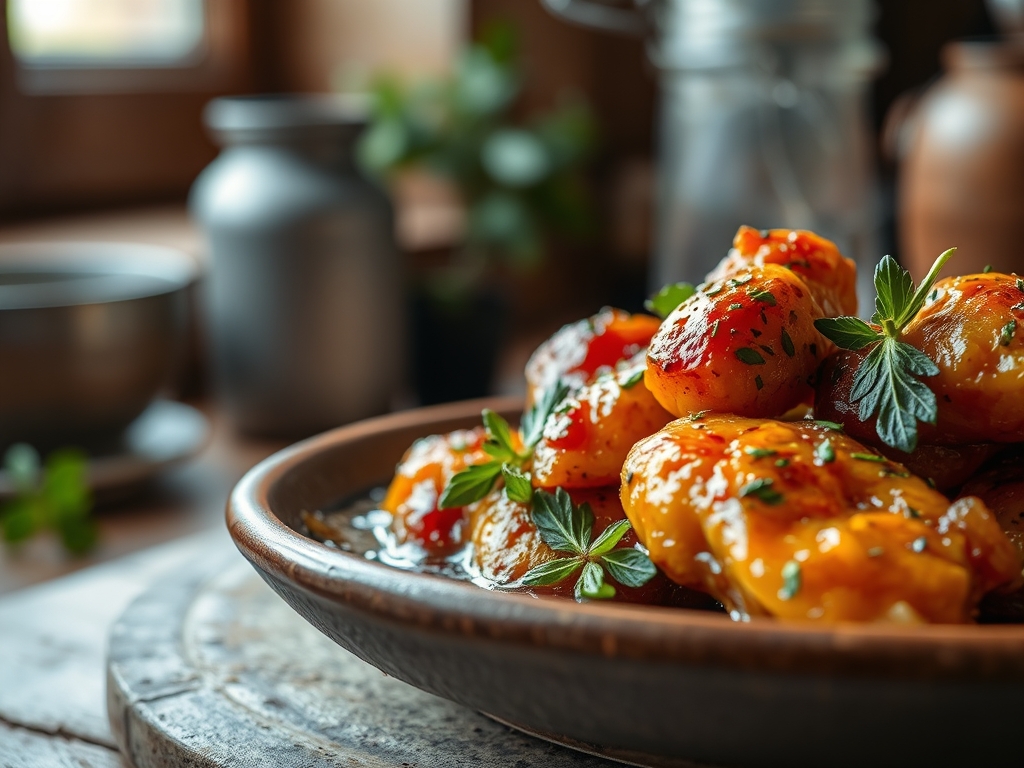
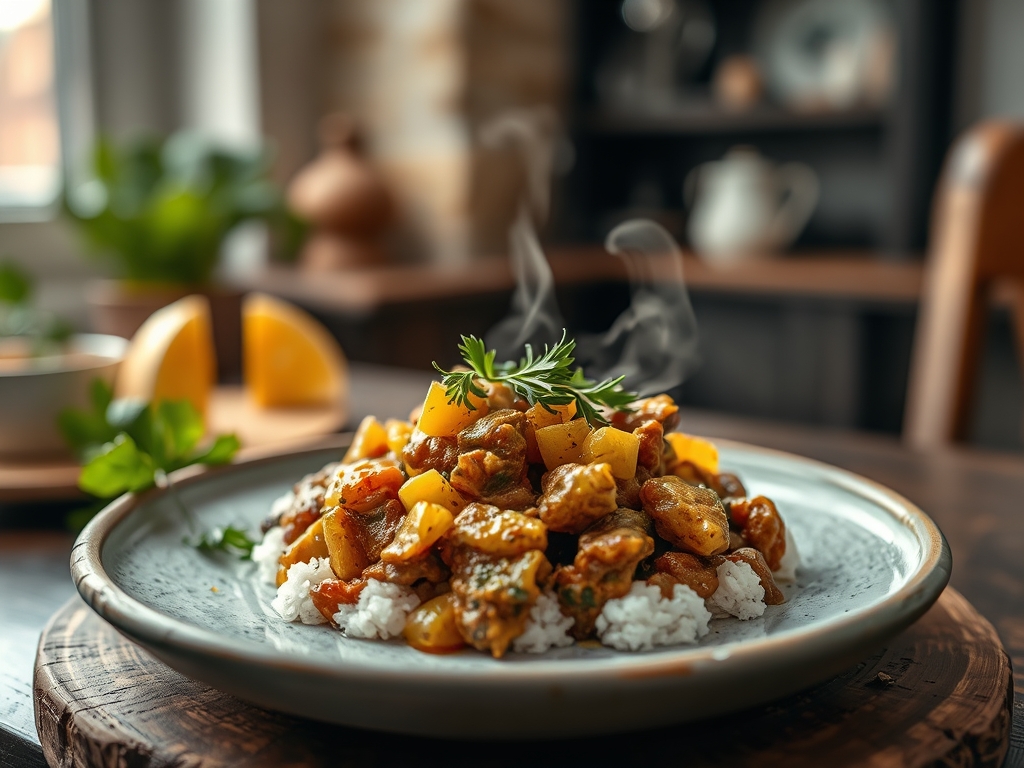
The kitchen air is currently a battlefield of volatile aromatics; a thick, crimson fog of capsicum and cardamom that signals the arrival of the king. We are not merely cooking dinner; we are engaging in a high-stakes structural engineering project known as Ethiopian Doro Wat. This is the undisputed heavyweight champion of the stew world, a dish where patience is the primary ingredient and flavor is measured in geological time. To the uninitiated, it looks like a simple chicken and egg curry. To the culinary auditor, it is a masterclass in the slow Maillard reaction and the complex reduction of red onions into a jammy, savory foundation. We are looking for a result that is dark, viscous, and unapologetically piquant. If your eyes aren't watering slightly from the berbere fumes, you aren't doing it right. Brace yourself for a multi-hour commitment to the stove, because shortcuts here are an architectural sin. We are building a flavor profile that is deep, resonant, and structurally sound.
THE DATA MATRIX
| Metric | Specification |
|---|---|
| Prep Time | 45 Minutes |
| Execution Time | 3.5 Hours |
| Yield | 6 Servings |
| Complexity (1-10) | 8 |
| Estimated Cost per Serving | $4.50 USD |
THE GATHERS
Ingredient Protocol:
- 2 kg / 4.4 lbs Red Onions (Finely minced; do not skip the weight requirement)
- 1.5 kg / 3.3 lbs Chicken Thighs and Drumsticks (Skinless)
- 120 ml / 0.5 cup Niter Kibbeh (Ethiopian Spiced Clarified Butter)
- 60 g / 0.5 cup Berbere Spice Blend (Adjust for heat tolerance)
- 30 ml / 2 tbsp Lemon Juice
- 15 g / 1 tbsp Garlic Paste (Freshly microplaned)
- 15 g / 1 tbsp Ginger Paste (Freshly microplaned)
- 6 Large Eggs (Hard-boiled and peeled)
- 500 ml / 2 cups Chicken Stock or Water
- 10 g / 2 tsp Kosher Salt
Section A: Ingredient Quality Audit:
The most common failure point in Ethiopian Doro Wat is the onion moisture content. Standard yellow onions lack the sugar-to-water ratio required for the necessary caramelization. Always opt for red onions for their superior anthocyanin content and sweetness. If your berbere spice smells dusty or muted, it is oxidized; toast it in a dry saucier for 30 seconds to reactivate the volatile oils before adding fats. If your Niter Kibbeh is unavailable, do not use standard butter. Use Ghee and infuse it with fenugreek, nigella seeds, and korarima to replicate the authentic lipid profile. Sub-par chicken will shred into mush; ensure you are using bone-in cuts to maintain structural integrity during the long simmer.
THE MASTERCLASS
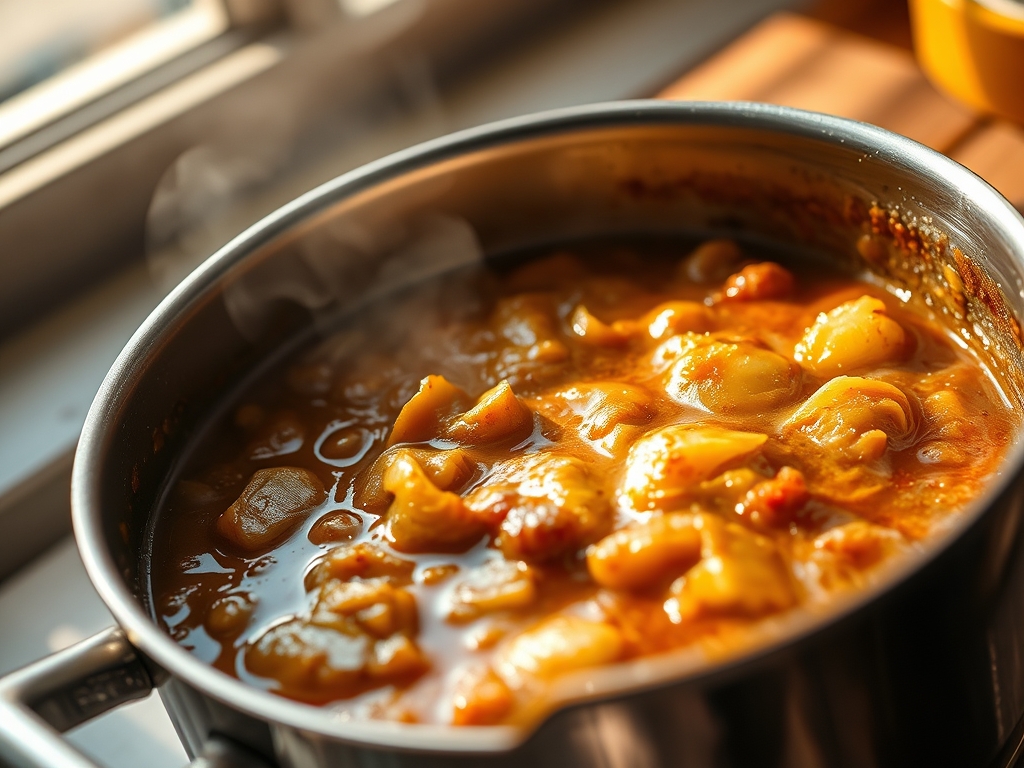
Step-by-Step Execution:
1. The Great Onion Reduction
Place your finely minced red onions into a heavy-bottomed Dutch oven or a copper-core saucier. Cook them over medium-low heat with absolutely no oil or water. The goal is to evaporate the cellular moisture until the onions turn into a dry, purple-brown paste. This process takes at least 45 to 60 minutes. Use a bench scraper or a stiff wooden spatula to constantly move the mass and prevent localized scorching.
Pro Tip: This is a dry-heat thermal breakdown. By removing water before adding fat, you prevent the onions from boiling, allowing the sugars to concentrate and undergo a deeper Maillard reaction without the interference of steam.
2. Lipid Integration and Spice Loading
Once the onions are dry and jam-like, add the Niter Kibbeh. Stir until the fat is fully incorporated and the mixture begins to sizzle. Introduce the berbere spice blend. You must toast the spices in the fat for 10 to 15 minutes. If the mixture looks too dry, add a tablespoon of water to prevent the spices from burning.
Pro Tip: Spices are fat-soluble. This stage, known as "blooming," ensures that the capsaicin and piperine are evenly distributed throughout the lipid phase of the stew, creating a smooth, lingering heat rather than a sharp, localized burn.
3. The Aromatics and Protein Foundation
Incorporate the garlic and ginger pastes. Stir for 2 minutes until fragrant. Add the chicken pieces, ensuring every millimeter of the meat is coated in the spice paste. Use a digital scale to ensure your salt ratios are precise; 1.5 percent salt-to-meat weight is the professional standard for deep seasoning.
Pro Tip: Searing the chicken directly in the spice paste creates a "crust" of flavor. Use your spatula to deglaze any browned bits (fond) from the bottom of the pot as the chicken releases its natural juices.
4. The Long Simmer
Pour in the chicken stock or water until the meat is just submerged. Reduce the heat to the lowest possible setting. Cover and simmer for 45 minutes to an hour. The sauce should transform into a thick, dark, and viscous gravy.
Pro Tip: Low and slow heat allows the collagen in the chicken joints to gelatinize. This increases the mouthfeel of the sauce without the need for external thickeners like flour or cornstarch.
5. The Egg Integration and Final Polish
Using a knife, make small vertical incisions in the hard-boiled eggs. Gently nestle them into the stew. Add the lemon juice to brighten the flavor profile and cut through the richness of the Niter Kibbeh. Simmer for another 10 minutes to allow the eggs to absorb the color and spice.
Pro Tip: The incisions in the eggs act as channels for the sauce to infiltrate the whites, ensuring the flavor penetrates to the yolk. This creates a cohesive dish rather than a stew with "side" eggs.
Section B: Prep & Timing Fault-Lines:
The most frequent human error is rushing the onion phase. If you add oil too early, the onions will fry and remain distinct pieces rather than melting into a cohesive sauce. Use a kitchen timer to force yourself to wait. Temperature control is also vital; if the stew boils vigorously, the chicken fibers will tighten and become "stringy" rather than "succulent." Maintain a gentle "smile" on the surface of the liquid; just a few bubbles breaking every few seconds.
THE VISUAL SPECTRUM
Section C: Thermal & Visual Troubleshooting:
Referencing the Masterclass photo, your Doro Wat should exhibit a deep, mahogany hue, almost bordering on chocolate brown. If your stew is bright red or orange, you did not cook the onions or spices long enough. If the sauce looks "broken" (oil separating in large pools), your emulsion has failed. To fix this, whisk in a tablespoon of warm water and stir vigorously to re-emulsify the fats. The chicken should be dark and stained by the sauce, not pale. If the eggs are still bright white, they haven't spent enough time in the "bath." The final texture should be thick enough to be scooped with injera without dripping excessively.
THE DEEP DIVE
Macro Nutrition Profile:
A standard serving (one leg/thigh and one egg with sauce) contains approximately 450 calories. It is high in protein (35g) and healthy fats (28g from the clarified butter), but the carbohydrate count is surprisingly low (12g), mostly derived from the massive volume of onions.
Dietary Swaps:
- Vegan: Replace chicken with extra-firm tofu or cauliflower florets and use vegan spiced oil (olive oil infused with berbere) instead of Niter Kibbeh.
- Keto: This dish is naturally keto-friendly. Serve with cauliflower rice instead of injera.
- GF: Doro Wat is naturally gluten-free; ensure your berbere blend does not contain anti-caking agents derived from wheat.
Meal Prep & Reheating Science:
Doro Wat is actually better the second day. As it cools, the complex esters and phenols in the spices continue to mingle. When reheating, do so slowly over low heat. Avoid the microwave, as it can cause the chicken to become rubbery and the eggs to explode due to internal steam pressure. Add a splash of water to loosen the gelatinized sauce during the reheating process.
THE KITCHEN TABLE
Why are my onions still crunchy?
You didn't cook them long enough before adding fat. Onions must undergo a total cellular collapse. Next time, use a lid for the first 10 minutes to steam them soft, then remove it to evaporate the liquid.
Can I use chicken breast?
Technically yes, but it is a strategic error. Breast meat lacks the connective tissue and fat required to survive the long simmering process. It will likely turn out dry and fibrous. Stick to dark meat.
My stew is too spicy! How do I fix it?
Do not add water; it dilutes the flavor. Instead, add more Niter Kibbeh or a dollop of Greek yogurt (though not traditional) to let the fats encapsulate the capsaicin molecules and dull the nerve response.
What is the best way to peel the eggs?
Use the "shock" method. Boil them, then immediately plunge them into an ice bath for 10 minutes. The rapid temperature drop shrinks the egg away from the shell, making them effortless to peel.