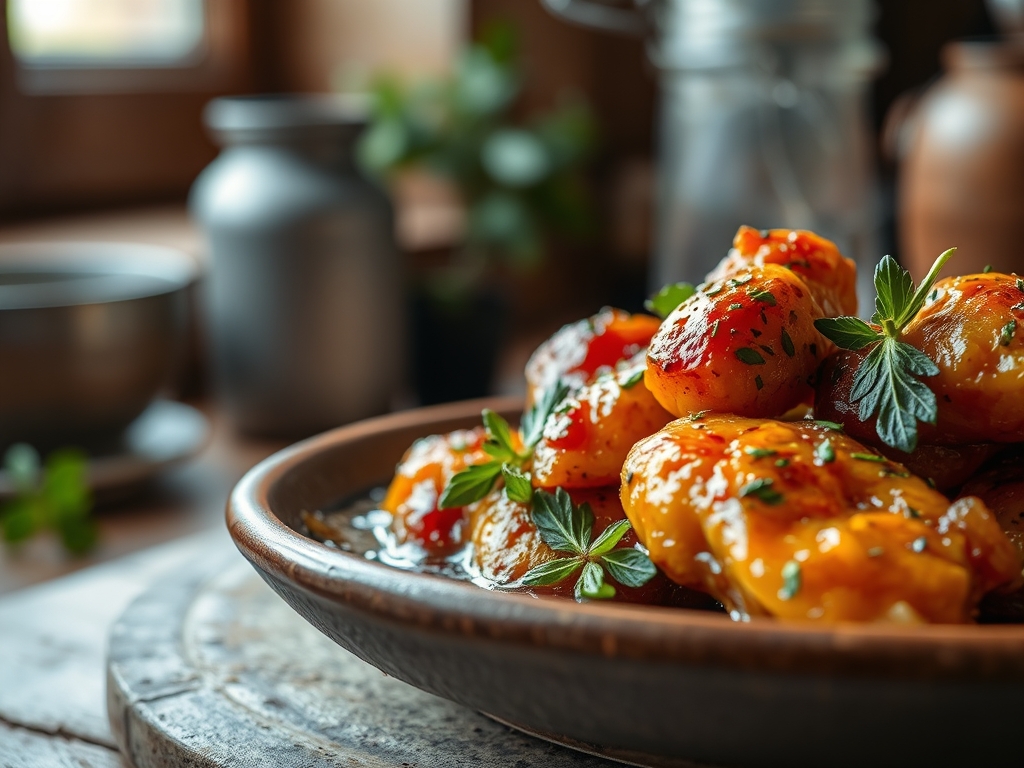
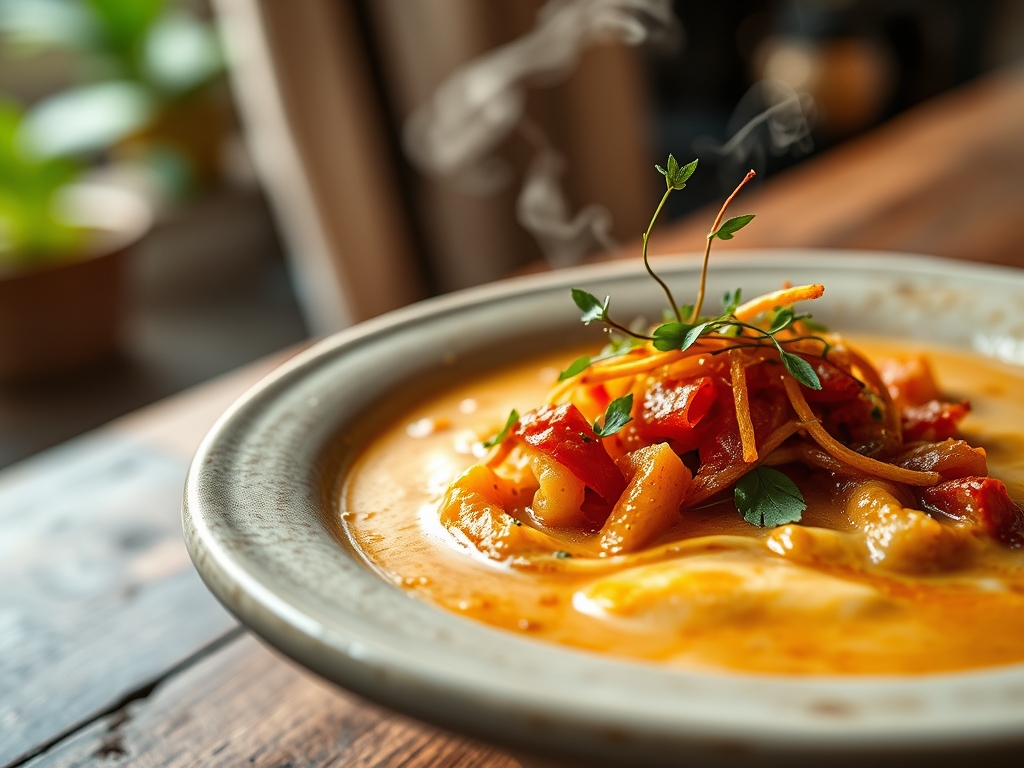
The scent hits you before the steam even clears the bowl. It is a violent, beautiful collision of fermented shrimp paste, scorched aromatics, and the high-fat velvet of coconut milk. This is not just soup; it is a high-velocity liquid emulsion that defines the pinnacle of Southeast Asian street food. Malaysian Laksa is the ultimate test of a chef's ability to manage lipid-to-water ratios while maintaining the structural integrity of a complex spice paste. We are talking about a broth so dense with flavor that it clings to rice vermicelli like a second skin. To master this, you must stop thinking about cooking and start thinking about chemical engineering. You are managing the delicate balance between the piquant bite of fresh chilies and the soothing, viscous mouthfeel of coconut cream. If your broth breaks, your reputation breaks with it. We are here to ensure that every drop of your Laksa remains a stable, shimmering, and deeply aromatic masterpiece of culinary infrastructure. Let's audit the process and build perfection.
THE DATA MATRIX
| Metric | Specification |
|---|---|
| Prep Time | 45 Minutes |
| Execution Time | 60 Minutes |
| Yield | 4 Standard Servings |
| Complexity | 8 / 10 |
| Estimated Cost per Serving | $4.50 – $6.00 USD |
THE GATHERS
Ingredient Protocol:
- 250g / 8.8oz Rice Vermicelli (Dried)
- 400ml / 13.5oz Full-Fat Coconut Milk (Canned)
- 500ml / 2 cups Prawn Stock (High-Density)
- 150g / 5.3oz Fresh Prawns (De-veined)
- 100g / 3.5oz Fried Tofu Puffs (Tau Pok)
- The Spice Paste (Rempah):
- 10-12 Dried Red Chilies (Soaked)
- 50g / 1.7oz Shallots (Peeled)
- 30g / 1oz Fresh Galangal (Sliced)
- 20g / 0.7oz Fresh Turmeric (or 1 tsp Powder)
- 3 stalks Lemongrass (White parts only)
- 15g / 0.5oz Belacan (Toasted Shrimp Paste)
- 20g / 0.7oz Candlenuts (or Macadamias for fat content)
Section A: Ingredient Quality Audit:
The primary failure point in Malaysian Laksa is the integrity of the aromatics. If your lemongrass is woody and dry, it will not release its essential oils; it will merely add grit. The Fix: Use a heavy-duty mortar and pestle or a high-speed blender to ensure a microscopic particle size. If your coconut milk is "light" or contains stabilizers like guar gum, the emulsion will feel slimy rather than creamy. The Fix: Always source coconut milk with at least 17 percent fat content. If the Belacan smells acrid rather than savory, it hasn't been toasted properly. The Fix: Wrap the paste in foil and dry-fry it in a pan until it becomes fragrant and crumbly before adding it to the wet aromatics.
THE MASTERCLASS
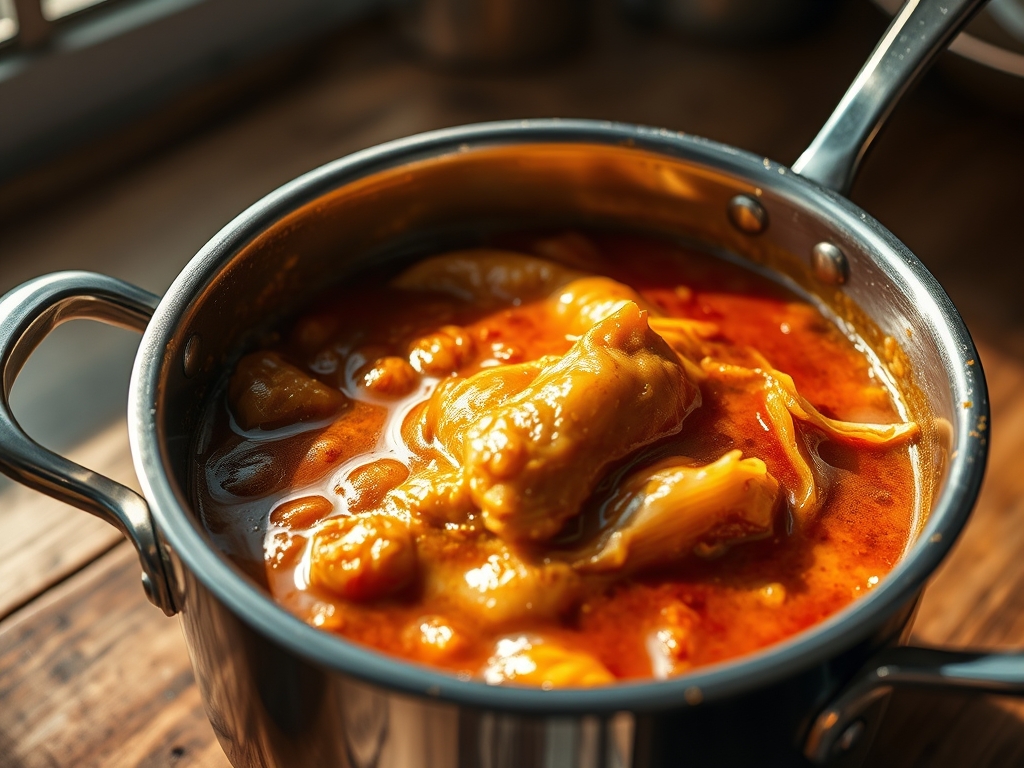
Step 1: The Rempah Reduction
Using a digital scale, measure your aromatics precisely. Process the chilies, shallots, galangal, lemongrass, turmeric, and candlenuts into a fine paste. Heat 60ml of neutral oil in a heavy-bottomed saucier over medium heat. Add the paste and fry, stirring constantly with a silicone spatula.
Pro Tip: This stage is about the Maillard reaction and the evaporation of moisture. You are looking for "pecah minyak," where the oil separates from the paste and turns a deep, vibrant red. This indicates the flavors have concentrated and the raw sulfur in the shallots has neutralized.
Step 2: The Stock Integration
Slowly pour your prawn stock into the fried paste. Use a whisk to deglaze the bottom of the pan, ensuring every bit of caramelized paste is incorporated into the liquid. Bring the mixture to a vigorous boil, then reduce to a simmer for 15 minutes.
Pro Tip: Using a saucier with rounded sides prevents the spice paste from scorching in the corners. The simmering period allows the capsaicin from the chilies to fully infuse into the water-based stock before the fats are introduced.
Step 3: Molecular Emulsification
Lower the heat to medium-low. Gently pour in the coconut milk while stirring in a circular motion. Add the tofu puffs at this stage so they act as sponges, absorbing the fortified broth.
Pro Tip: Never boil the broth aggressively once the coconut milk is added. High heat causes the proteins in the coconut to denature and clump, leading to a "broken" sauce. You want a viscous, homogenous liquid that maintains a silky sheen.
Step 4: The Protein Flash
Add the prawns and any other seafood to the simmering liquid. Cook for exactly 2 to 3 minutes until the prawns turn opaque and reach an internal temperature of 145 degrees Fahrenheit.
Pro Tip: Use an instant-read thermometer to avoid overcooking. Overcooked prawns release excess moisture, which can dilute the salinity of your carefully constructed broth.
Step 5: Assembly and Aeration
Place the rehydrated rice vermicelli in deep bowls. Ladle the boiling broth over the noodles, ensuring several tofu puffs and prawns accompany each serving. Finish with fresh laksa leaves (Vietnamese mint) and a dollop of sambal.
Pro Tip: Use a bench scraper to cleanly slice your garnishes like hard-boiled eggs or fish cakes. Precise cuts ensure the aesthetic matches the technical quality of the broth.
Section B: Prep & Timing Fault-Lines:
The most common human error is thermal shock. Adding cold coconut milk to a boiling spice base can cause immediate curdling. The Fix: Ensure your coconut milk is at room temperature before integration. Another fault-line is noodle hydration. If you boil the vermicelli in the broth, the starch will leach out and turn your soup into a thick, unappetizing paste. The Fix: Always blanch noodles separately in plain water and combine them at the final second of service.
THE VISUAL SPECTRUM
Section C: Thermal & Visual Troubleshooting:
Referencing the Masterclass photo, your Laksa should exhibit a vivid orange-red hue with visible droplets of red oil shimmering on the surface. If your broth looks pale or beige, you likely under-fried the spice paste or used too much coconut milk. The Fix: Bloom a teaspoon of paprika in a tablespoon of hot oil and swirl it into the finished soup to restore the color. If the tofu puffs are floating high and look dry, they haven't been simmered long enough to break their internal tension. The Fix: Press them down into the liquid with a lid for two minutes to force the broth into the porous interior. If the broth appears "split" with white flecks, the heat was too high. The Fix: Briefly use an immersion blender on the lowest setting to re-emulsify the liquid, though this is a last-resort measure as it can change the texture.
THE DEEP DIVE
Macro Nutrition Profile:
A standard serving of Malaysian Laksa is calorie-dense, primarily driven by the saturated fats in coconut milk and the carbohydrates in rice noodles. Expect approximately 600-800 calories per bowl, with 40g of fat, 60g of carbs, and 25g of protein. The sodium content is high due to the shrimp paste and stock; manage this by using low-sodium stock if dietary restrictions apply.
Dietary Swaps:
- Vegan: Replace prawn stock with a mushroom and kombu dashi. Swap prawns for king oyster mushrooms and use "shimmery" fermented bean paste instead of Belacan.
- Keto: Replace rice vermicelli with shirataki noodles or shredded cabbage. The high fat content of the coconut broth is already keto-compliant.
- Gluten-Free: Traditional Laksa is naturally gluten-free, but always verify that your brand of Belacan or fish sauce does not use wheat as a filler.
Meal Prep & Reheating Science:
To maintain the molecular structure, store the broth and noodles separately. When reheating, do so over low heat on the stovetop. Avoid the microwave, as uneven electromagnetic heating can cause the coconut fats to separate from the water phase, destroying the viscous mouthfeel you worked so hard to achieve.
THE KITCHEN TABLE
Why does my Laksa broth taste flat?
You likely missed the "pecah minyak" stage. Without frying the paste until the oil separates, the aromatics remain raw and pungent rather than sweet and complex. Add a pinch of salt or a teaspoon of sugar to brighten the profile.
Can I use coconut cream instead of milk?
Yes, but you must adjust the dilution. Coconut cream has a higher fat-to-water ratio. Use 200ml of cream mixed with 200ml of water to mimic the consistency of full-fat milk without making the broth overly heavy or cloying.
What is the best substitute for Laksa leaves?
If you cannot find Persicaria odorata (Vietnamese mint), a mix of fresh cilantro and a tiny hint of mint is the closest approximation. It won't be identical, but it provides the necessary herbal top note to cut through the fat.
My broth is too spicy. How do I fix it?
Do not add water; this ruins the density. Instead, increase the coconut milk volume or add a squeeze of lime juice. The acid in the lime helps neutralize the alkaline capsaicin, providing a more balanced flavor profile on the palate.