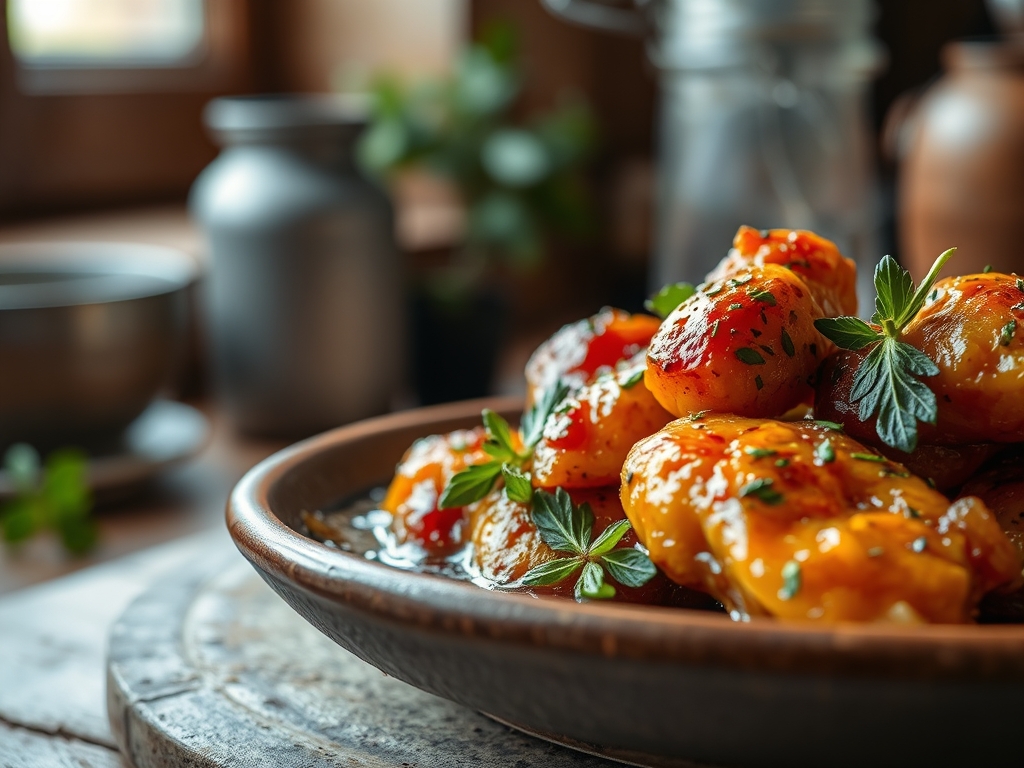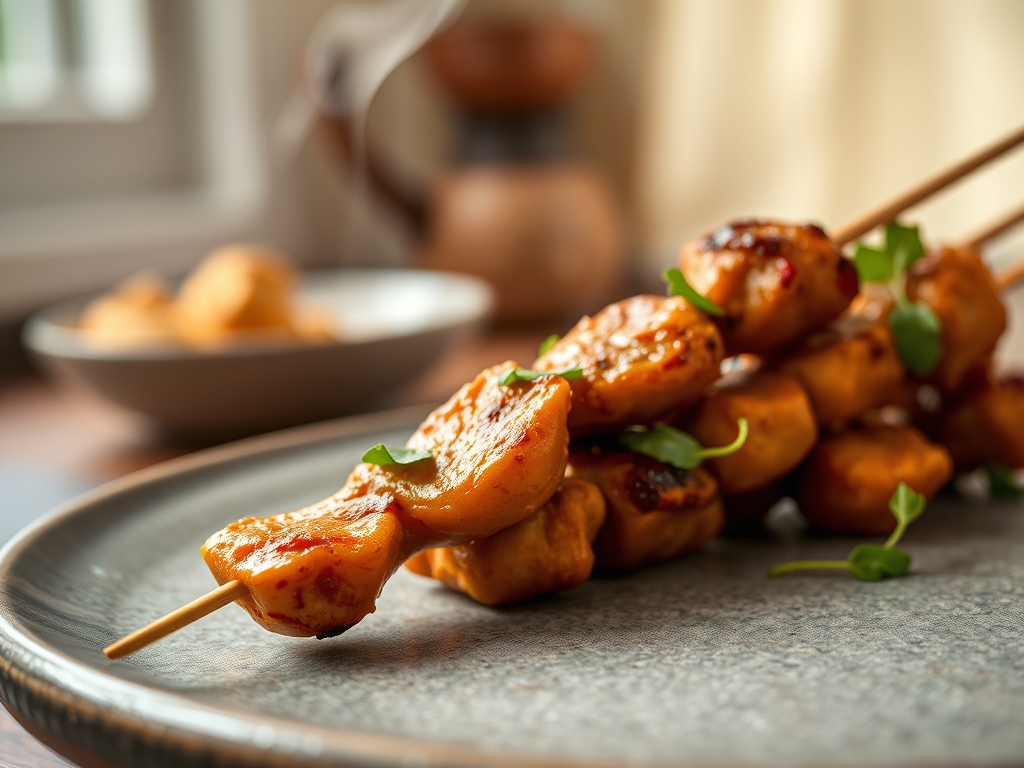
Forget everything you think you know about gravy; we are entering the realm of architectural fluid dynamics where cocoa solids and capsaicin collide. Mexican Mole Sauce is not merely a condiment. It is a structural masterpiece of culinary engineering that demands respect for its molecular density and historical weight. Imagine a liquid so viscous it coats a spoon like velvet, yet so piquant it vibrates against your palate with the frequency of a high-speed turbine. We are talking about a dark, shimmering emulsion that balances the bitterness of roasted seeds against the earthy sweetness of dried fruit and the smoky depth of charred chilies. This is the ultimate stress test for any kitchen infrastructure. You are not just cooking; you are managing a complex series of chemical reactions including the Maillard reaction, lipid emulsification, and tannin extraction. If your kitchen cannot handle the heat, the smoke, and the sheer volume of ingredients, step aside. We are building a flavor profile that is as deep as a canyon and as complex as a quantum computer.
THE DATA MATRIX
| Metric | Specification |
|---|---|
| Prep Time | 90 Minutes |
| Execution Time | 180 Minutes |
| Yield | 2.5 Liters / 10.5 Cups |
| Complexity (1-10) | 9.5 (Technical Proficiency Required) |
| Estimated Cost per Serving | $2.45 USD |
THE GATHERS
Ingredient Protocol:
- 6 units / 6 units Mulato Chilies (stems and seeds removed)
- 4 units / 4 units Ancho Chilies (stems and seeds removed)
- 3 units / 3 units Pasilla Chilies (stems and seeds removed)
- 150g / 1 cup Raw Almonds
- 125g / 0.75 cup Shelled Pumpkin Seeds (Pepitas)
- 100g / 0.5 cup Sesame Seeds
- 2 units / 2 units Corn Tortillas (stale)
- 1 unit / 1 unit Bolillo Roll (sliced)
- 500g / 1.1 lbs Roma Tomatoes (charred)
- 250g / 0.55 lbs Tomatillos (charred)
- 1 unit / 1 unit Large White Onion (quartered and charred)
- 6 cloves / 6 cloves Garlic (unpeeled)
- 100g / 3.5 oz Raisins
- 2 sticks / 2 sticks Ceylon Cinnamon
- 5g / 1 tsp Whole Cloves
- 5g / 1 tsp Black Peppercorns
- 150g / 5.3 oz Mexican Chocolate (disc form)
- 1.5L / 6.3 cups High-Quality Chicken or Vegetable Stock
- 120ml / 0.5 cup Lard or High-Smoke Point Oil
- 15g / 1 tbsp Sea Salt (adjust to taste)
Section A: Ingredient Quality Audit:
If your dried chilies feel like brittle parchment, they are past their prime. Fresh dried chilies should be pliable, resembling the texture of a high-quality leather. If yours are dusty and snap easily, infuse them in warm water for an extra twenty minutes to salvage the oils. For sub-par Mexican chocolate that lacks that signature grainy texture, add a pinch of granulated sugar and a drop of vanilla extract to mimic the traditional profile. If your seeds lack a nutty aroma, they are likely oxidized; toast them at a lower temperature for a longer duration to gently render any remaining volatile oils without scorching the exterior.
THE MASTERCLASS
Step-by-Step Execution:
1. The Capsaicin Char
Place your cleaned chilies into a heavy-bottomed saucier or cast iron skillet over medium heat. Toast them until they release a pungent, fruity aroma and change color slightly. Do not let them turn black or they will introduce a foul bitterness to the base.
Pro Tip: Use a digital scale to ensure your chili ratios are exact. The science here is the liberation of essential oils; too much heat destroys the delicate fruity esters, while too little leaves the flavors trapped in the skin.
2. The Seed and Nut Fusion
In the same skillet, toast the almonds, pumpkin seeds, and sesame seeds separately. Each has a different thermal threshold. Toast until golden and fragrant, then transfer to a high-speed blender.
Pro Tip: Use a bench scraper to efficiently move seeds from the pan to the blender. The high fat content in the seeds acts as a natural emulsifier, providing the sauce with its signature viscous mouthfeel.
3. The Aromatics and Fruit Render
Char the tomatoes, tomatillos, onions, and garlic until the skins are blackened and the flesh is soft. Fry the raisins in a tablespoon of lard until they plump up like small grapes. This concentrates their sugars.
Pro Tip: Charring creates carbonized sugars that provide a smoky counterpoint to the heat. Use a digital thermometer to ensure the internal temperature of the aromatics reaches 190 degrees Fahrenheit for maximum pectin breakdown.
4. The Bread and Spice Pulverization
Fry the stale tortillas and bread slices in lard until they are crisp and golden brown. Grind the cinnamon, cloves, and peppercorns in a dedicated spice grinder until they reach a fine powder.
Pro Tip: The fried bread and tortillas act as the structural "rebar" of the sauce. They provide the starch necessary to thicken the liquid into a stable suspension that won't separate on the plate.
5. The Molecular Integration
Combine all toasted and charred components into the blender with a portion of the stock. Blitz until the mixture is perfectly smooth. Pass the paste through a fine-mesh sieve into a large pot containing hot lard.
Pro Tip: This is the "searing" of the sauce. The hot fat causes the proteins and sugars to undergo a rapid Maillard reaction, deepening the color and flavor. Use a long-handled whisk to aerate the mixture as it hits the fat.
6. The Chocolate Tempering and Simmer
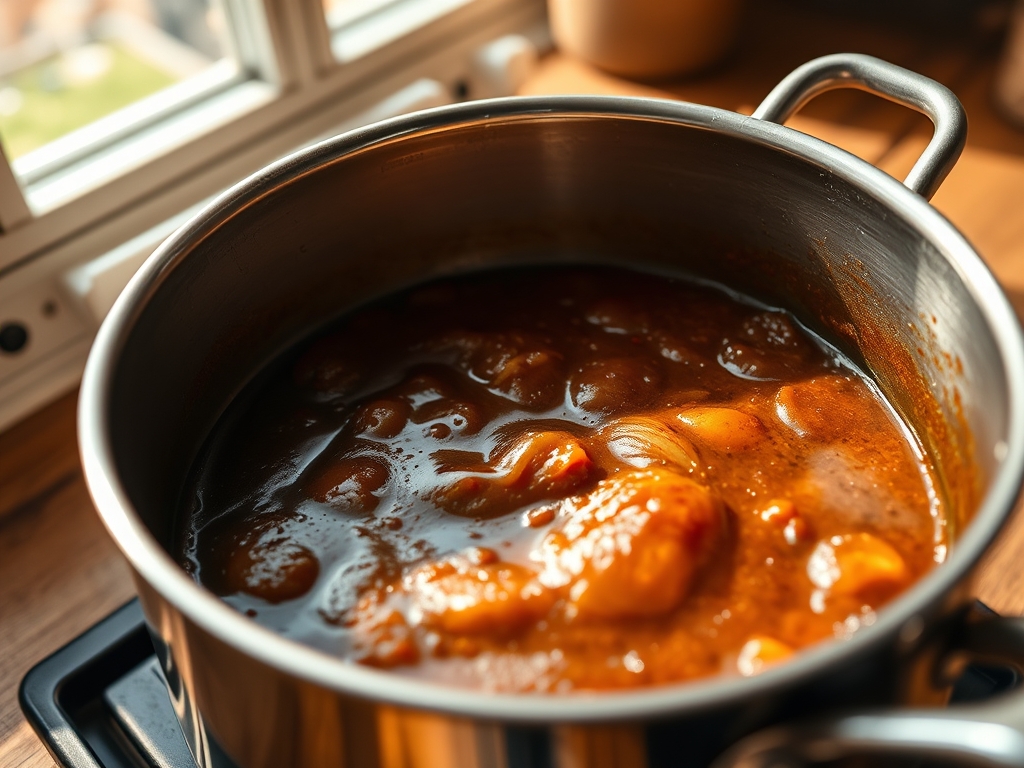
Add the remaining stock and the Mexican chocolate discs. Simmer on low heat for at least two hours, stirring frequently to prevent the bottom from scorching. The sauce should reduce until it is thick enough to coat the back of a spoon.
Pro Tip: The chocolate should be added last to preserve its volatile aromatic compounds. Use a heavy-bottomed pot to ensure even heat distribution; hot spots are the enemy of a smooth mole.
Section B: Prep & Timing Fault-Lines:
The most common human error in mole production is rushing the simmer. If the sauce tastes "raw" or the flavors feel disjointed, it hasn't spent enough time under thermal tension. If the sauce breaks (oil separating from the solids), your heat was too high. To fix a broken emulsion, whisk in a small amount of warm stock and use an immersion blender to re-integrate the lipids. If the sauce is too thick too early, you have likely over-evaporated your liquid; deglaze the sides of the pot with a splash of stock to recover those concentrated flavor solids.
THE VISUAL SPECTRUM
Section C: Thermal & Visual Troubleshooting:
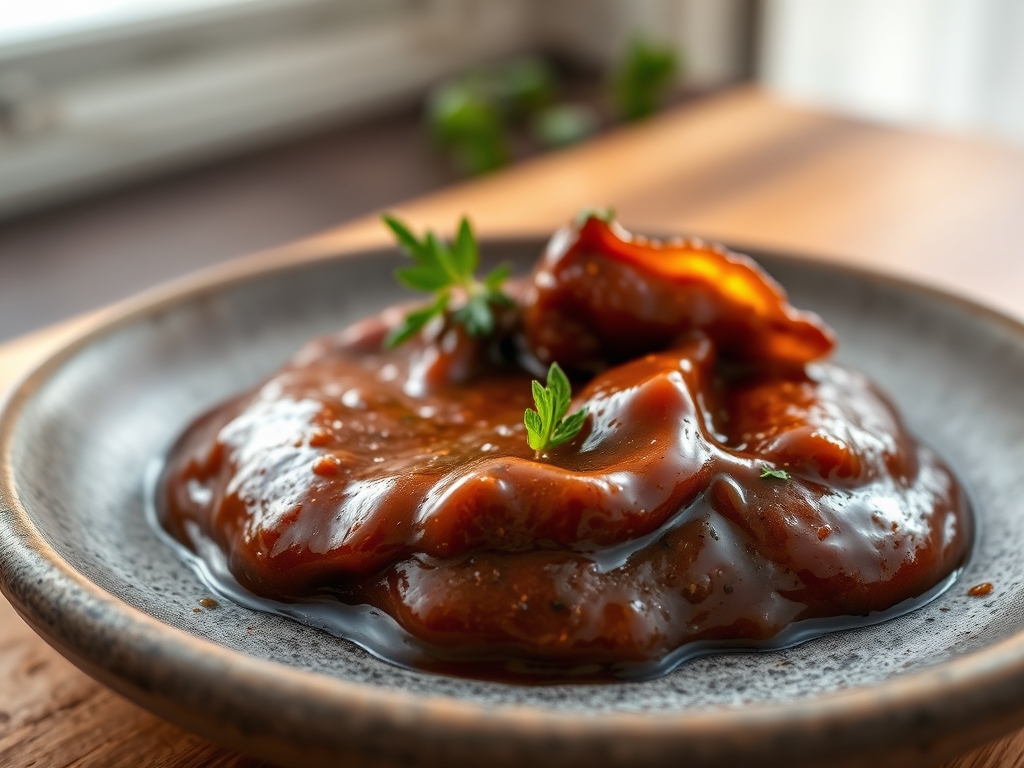
Referencing the Masterclass photo, your Mexican Mole Sauce should exhibit a deep, mahogany-to-ebony hue with a glossy sheen. If your sauce looks dull or matte, you likely skimped on the lard or failed to fry the paste properly. A dull color can also indicate under-toasted chilies. If the texture looks grainy rather than silky, your blender wasn't powerful enough or you skipped the sieving process. The photo shows a perfectly smooth surface with no visible chunks; this is achieved through rigorous mechanical shearing. If you see white streaks, your chocolate hasn't fully integrated. Continue to whisk over low heat until the color is uniform.
THE DEEP DIVE
Macro Nutrition Profile
A standard 100ml serving of this mole contains approximately 210 calories. It is high in healthy monounsaturated fats from the seeds and nuts, and surprisingly rich in iron and magnesium thanks to the dark cocoa and pumpkin seeds. It is a calorie-dense fuel source designed for endurance.
Dietary Swaps
- Vegan: Replace lard with coconut oil or avocado oil and use a robust vegetable bouillon.
- Keto: Eliminate the raisins, bread, and tortillas. Use additional almond flour and a touch of xanthan gum for thickening. Use 100% cacao with stevia.
- GF: Replace the bolillo roll and corn tortillas with gluten-free crackers or additional toasted seeds.
Meal Prep & Reheating Science
Mole is a molecular survivor. It actually improves after 24 hours as the polyphenols and tannins mellow. To maintain the molecular structure when reheating, do not use a microwave. Heat it slowly in a saucepan, adding a tablespoon of water or stock to restore the original viscous flow. Freezing is possible for up to three months, but you must re-emulsify with a whisk upon thawing.
THE KITCHEN TABLE
Why is my mole bitter?
You likely burnt the chilies or the seeds. Charring should be superficial; if the interior turns black, it is ruined. Add a small amount of brown sugar or honey to neutralize minor bitterness.
Can I use cocoa powder instead of Mexican chocolate?
Yes, but you must add cinnamon and a pinch of granulated sugar. Mexican chocolate contains specific spices and a coarse texture that defines the traditional flavor profile.
How do I get that professional shine?
The shine comes from the "frying" of the sauce in fat. If it looks dull, whisk in a tablespoon of cold butter or lard at the very end to create a glossy finish.
Is the sieving step really necessary?
Unless you have an industrial-grade blender, yes. Tiny fragments of chili skin or seed hulls will ruin the luxurious, velvet texture that defines a world-class Mexican Mole Sauce.
What do I do if it is too spicy?
Do not add water. Add more charred tomatoes or a dollop of peanut butter. The fats and sugars will bind to the capsaicin and dampen the perceived heat levels.