Listen to the roar of the high-pressure burner as it transforms a cold carbon-steel wok into a thermal engine. This is not just a meal; it is a high-velocity collision of maritime proteins and capsaicin-fueled intensity. Korean Jjamppong represents the pinnacle of Sino-Korean culinary fusion, demanding a mastery of fire, timing, and structural integrity. When executed with precision, the broth is a deep, crimson elixir that carries the elusive "wok hei" or breath of the wok. You are looking for a balance between the oceanic sweetness of mussels and shrimp against the aggressive, smoky punch of gochugaru. The goal is a viscous, piquant soup that clings to chewy, alkaline noodles without overwhelming the delicate texture of the squid. If your kitchen does not smell like toasted chilies and charred aromatics within the first five minutes, you are simply making a stew. We are here to build a masterpiece of heat and hydration. Let us audit your station and begin the extraction of flavor.
THE DATA MATRIX
| Metric | Specification |
|---|---|
| Prep Time | 30 Minutes |
| Execution Time | 20 Minutes |
| Yield | 4 Servings |
| Complexity | 7 / 10 |
| Estimated Cost per Serving | $6.50 – $8.50 USD |
THE GATHERS
Ingredient Protocol:
- Aromatics: 50g / 4 tbsp Garlic (minced); 30g / 2 tbsp Ginger (grated); 150g / 1.5 cups Scallions (white parts only).
- The Heat: 60g / 0.5 cup Gochugaru (Korean red chili flakes).
- Proteins: 300g / 10.5 oz Manila clams; 300g / 10.5 oz Mussels; 200g / 7 oz Squid (cleaned and scored); 200g / 7 oz Large shrimp (deveined).
- Vegetables: 200g / 3 cups Napa cabbage (roughly chopped); 100g / 1 cup Onion (sliced); 50g / 0.5 cup Wood ear mushrooms (rehydrated).
- Liquids: 1.5L / 6.3 cups High-quality pork or chicken bone broth; 30ml / 2 tbsp Soy sauce; 15ml / 1 tbsp Toasted sesame oil.
- Noodles: 600g / 21 oz Fresh Jjamppong noodles (alkaline wheat noodles).
Section A: Ingredient Quality Audit:
If your seafood lacks the briny scent of the open ocean, do not proceed. Sub-par mussels that refuse to open indicate a failure in the supply chain; discard them immediately. If your gochugaru is dull or brownish, the oils have oxidized, resulting in a bitter, dusty flavor profile. To fix this, briefly bloom the spices in warm oil before adding liquids to reawaken any remaining volatile compounds. For rubbery squid, the fault usually lies in the "score" depth. Use a sharp knife to create a diamond pattern without piercing the flesh; this increases surface area for heat distribution and ensures the protein curls rather than toughens.
THE MASTERCLASS
Step-by-Step Execution:
1. The Aromatic Foundation
Place your heavy-bottomed wok or a 5-quart saucier over maximum heat. Add 45ml of neutral oil. Once the oil reaches its smoke point, toss in the scallions, garlic, and ginger. Use a long-handled spatula to keep the aromatics moving constantly to prevent localized scorching.
Pro Tip: This stage is about the Maillard reaction. By using a high-conductivity vessel, you are flash-frying the aromatics to create a flavor base. If the garlic turns dark brown, deglaze immediately with a splash of water to halt the thermal climb.
2. The Chili Infusion
Reduce the heat to medium-high and add the gochugaru. Stir vigorously for 45 seconds until the oil turns a vibrant, translucent red. This is the "blooming" phase where the capsaicin becomes oil-soluble.
Pro Tip: Use a digital scale to measure your chili flakes. Volume measurements are notoriously inaccurate due to flake size. Precise mass ensures consistent heat levels across every batch you produce.
3. Vegetable Searing and Caramelization
Crank the heat back to maximum and add the onions, cabbage, and mushrooms. You want the edges of the cabbage to char slightly. This adds the "smoky" dimension essential to authentic Jjamppong.
Pro Tip: Do not crowd the pan. If the temperature drops too low, the vegetables will steam in their own moisture rather than sear. Use a bench scraper to quickly clear your cutting board and feed the wok in stages if necessary.
4. Protein Integration and Deglazing
Push the vegetables to the side and add the shrimp and squid. Sear for 60 seconds, then pour in the soy sauce around the perimeter of the wok to let it caramelize before stirring. Immediately add the bone broth and bring to a rolling boil.
Pro Tip: The soy sauce hitting the hot metal creates an instant reduction, intensifying the umami profile. This technique, known as "scorching the soy," is a professional secret for deep-layered broths.
5. The Shellfish Steam-Off
Add the mussels and clams to the boiling broth. Cover the vessel for 3 minutes. The steam trapped inside will force the shells open while the juices from the mollusks infuse the soup with a saline complexity.
Pro Tip: Use an infrared thermometer to ensure your broth stays above 100 degrees Celsius (212 degrees Fahrenheit). Any drop in temperature will result in "chewy" shellfish rather than tender, succulent morsels.
6. Noodle Calibration and Assembly
In a separate pot, boil your alkaline noodles until al dente. Drain and rinse briefly with warm water to remove excess surface starch. Place the noodles in deep bowls and ladle the boiling, seafood-heavy broth over them. Finish with a drizzle of toasted sesame oil.
Pro Tip: Alkaline noodles are designed to resist softening in hot liquids. Rinsing them prevents the starch from thickening your carefully constructed broth, maintaining its viscous yet clean mouthfeel.
Section B: Prep & Timing Fault-Lines:
The most common failure in Jjamppong is "protein fatigue," where the seafood is boiled for too long and turns into rubber. To avoid this, ensure all vegetables are fully softened before the seafood ever touches the pan. Another fault-line is the "starchy broth syndrome." If you cook the noodles directly in the soup, the starch will emulsify with the chili oil, creating a muddy, opaque liquid that masks the bright seafood notes. Always use a secondary pot for the starch component.
THE VISUAL SPECTRUM
Section C: Thermal & Visual Troubleshooting:
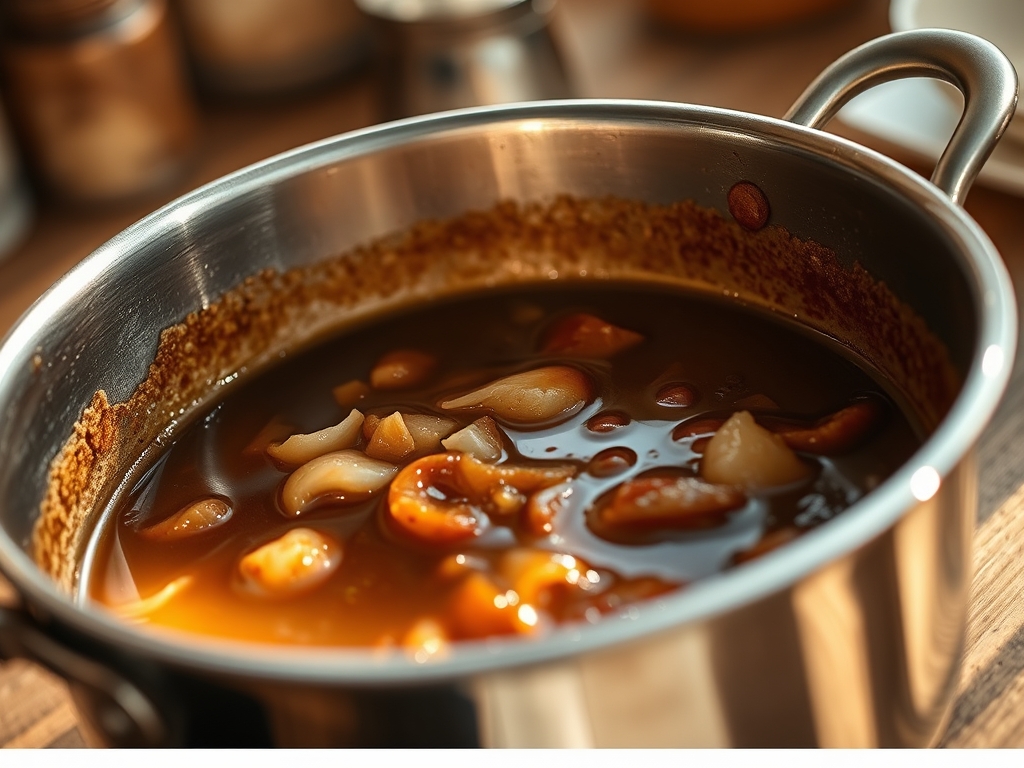
Referencing the Masterclass photo, your final product should display a "vibrant oil suspension." If your soup looks pale or orange rather than deep red, you likely under-bloomed the gochugaru or used too much broth. If the cabbage looks grey and limp, your wok temperature was insufficient during the searing phase; you need more "thermal mass" before adding the greens. The squid should be curled into tight, white "pinecones." If they remain flat, your scoring was too shallow. Finally, if the mussels remain closed after five minutes of boiling, do not force them; they are a biological failure and should be discarded to protect the integrity of the dish.
THE DEEP DIVE
Macro Nutrition Profile:
A standard serving of Jjamppong is a protein powerhouse. Expect approximately 45g of protein, 12g of fat, and 65g of carbohydrates. The sodium content is high (up to 2,500mg), so adjust your soy sauce intake if you are monitoring salt levels.
Dietary Swaps:
- Vegan: Replace bone broth with a charred kelp and shiitake mushroom stock. Substitute seafood with king oyster mushrooms and firm tofu.
- Keto: Eliminate the wheat noodles and replace them with shirataki noodles or zoodles. Ensure the broth is not thickened with any hidden starches.
- GF: Use tamari instead of soy sauce and opt for high-quality rice noodles or glass noodles (though the texture will shift significantly).
Meal Prep & Reheating Science:
To maintain molecular structure, store the broth and noodles in separate containers. When reheating, bring the broth to a boil first, then drop the noodles in for only 30 seconds. Microwaving the seafood will destroy its texture; instead, gently poach the seafood in the simmering broth to bring it back to temperature.
THE KITCHEN TABLE
Why is my broth not smoky enough?
You likely lacked "wok hei." This requires a very high heat source and allowing the vegetables to sit undisturbed for a few seconds to achieve a slight char before tossing.
Can I use dried seafood?
Yes, dried shrimp or scallops can be used to infuse the broth with deeper umami, but they must be rehydrated and added during the initial aromatic fry.
What if I cannot find Jjamppong noodles?
Standard ramen noodles or even thick linguine can work in a pinch, though you will miss the specific "snap" provided by the alkaline salts in traditional Korean noodles.
How do I make the broth thicker?
Authentic Jjamppong broth is thickened naturally by the reduction of the bone broth and the rendering of fats. Avoid using cornstarch slurries as they dull the piquant flavors.