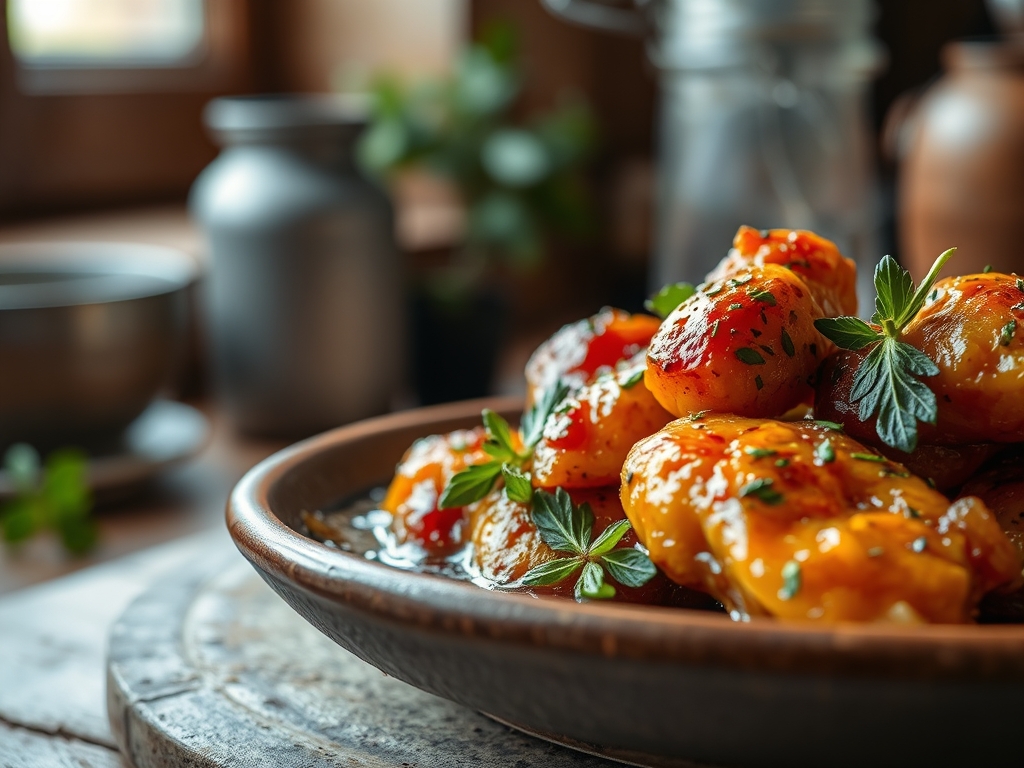
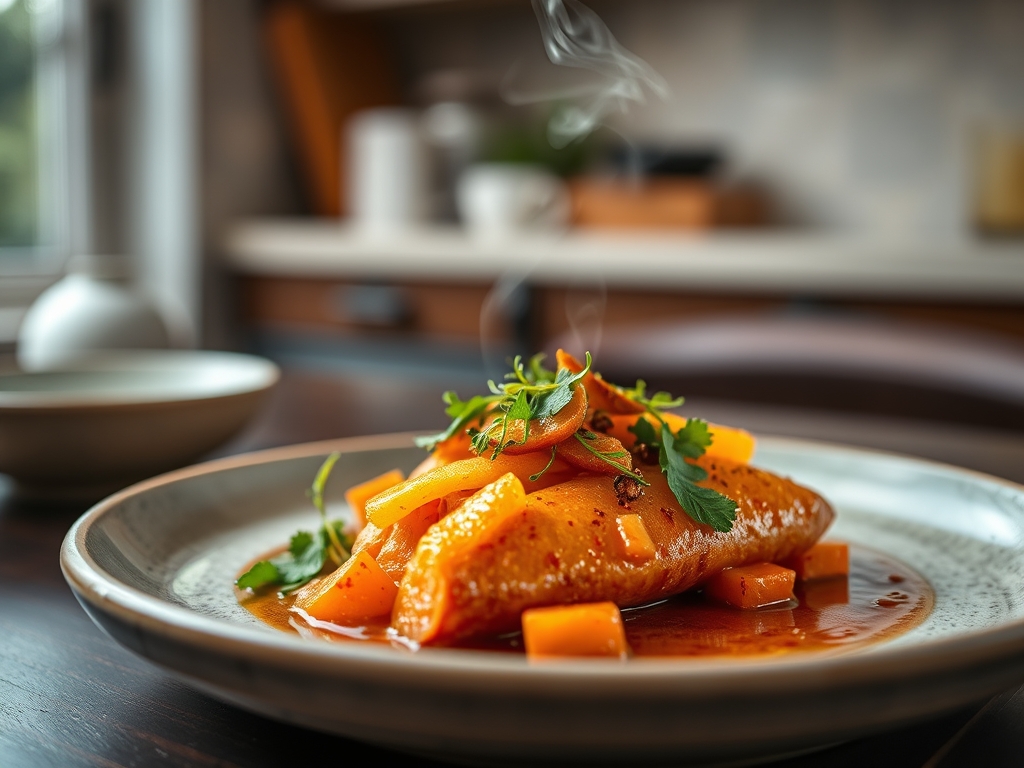
The kitchen is a battlefield of thermodynamics where the humble tuber is either elevated to greatness or relegated to mushy mediocrity. We are not merely cooking; we are orchestrating a high-stakes thermal event. The star of this show is the Spicy Sweet Potato, a root vegetable that demands respect for its high sugar content and dense cellular structure. When you introduce a piquant heat profile to the natural sucrose of a Garnet or Jewel yam, you initiate a chemical transformation that is nothing short of spectacular. We are looking for that perfect intersection of the Maillard reaction and caramelization, where the edges shatter with a crisp, charred defiance while the interior remains a velvety, custard-like sanctuary. If your roasting pan looks like a graveyard of soggy orange cubes, you have failed the kinetic energy test. This guide is your tactical manual to ensuring every bite delivers a punch of capsaicin and a rush of glucose, balanced by the smoky depth of a high-heat oven environment. Prepare for a sensory overhaul.
THE DATA MATRIX
| Metric | Specification |
|---|---|
| Prep Time | 15 Minutes |
| Execution Time | 35 Minutes |
| Yield | 4 Servings |
| Complexity | 4 / 10 |
| Estimated Cost per Serving | $1.45 USD |
THE GATHERS
Ingredient Protocol:
- 900g / 2 lbs Sweet Potatoes (Garnet or Jewel variety)
- 45ml / 3 tbsp Extra Virgin Olive Oil
- 10g / 2 tsp Smoked Paprika (Pimenton)
- 5g / 1 tsp Cayenne Pepper (adjust for heat tolerance)
- 15g / 1 tbsp Dark Brown Sugar or Maple Syrup
- 8g / 1.5 tsp Kosher Salt
- 2g / 0.5 tsp Freshly Cracked Black Pepper
- 15ml / 1 tbsp Fresh Lime Juice
- 5g / 1/4 cup Fresh Cilantro, minced for garnish
Section A: Ingredient Quality Audit:
Sub-par raw materials will sabotage your Spicy Sweet Potato before the oven even preheats. If your tubers feel spongy or show signs of shriveling, their internal moisture content has plummeted, leading to a woody, fibrous texture that no amount of oil can rescue. Fix this by selecting heavy, firm specimens with smooth skin. If your spices lack a vibrant aroma, they have oxidized; the volatile oils are gone. Infuse stale spices by briefly toasting them in a dry saucier for 30 seconds before mixing with the oil to wake up the dormant compounds. If using honey instead of maple syrup, be aware of its lower scorching point; reduce oven temperature by 15 degrees to prevent a bitter, burnt aftertaste.
THE MASTERCLASS
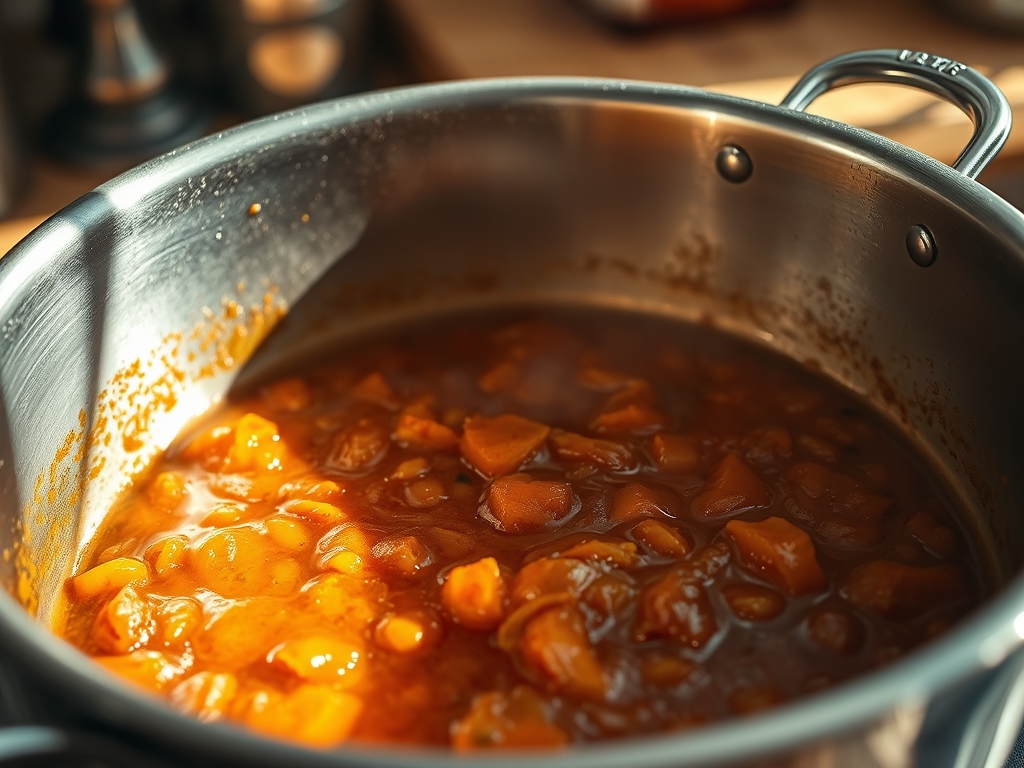
Step 1: The Precision Cubing
Clean the tubers thoroughly and use a sharp chef's knife to create uniform 2cm cubes. Consistency is the primary law of thermodynamics in a convection environment. Use a digital scale to ensure your total mass matches the recipe specs, and employ a bench scraper to transfer the cubes to a large mixing bowl without bruising the flesh.
Pro Tip: Uniformity ensures that the heat transfer rate is identical for every piece. If sizes vary, the small pieces will carbonize before the large ones reach the necessary internal starch gelatinization temperature of 180F (82C).
Step 2: The Lipid-Spice Suspension
In a small bowl, whisk the olive oil, smoked paprika, cayenne, salt, and pepper until you have a viscous, homogenous slurry. Pour this over the potatoes and toss vigorously. You want every millimeter of surface area coated in this protective, flavor-dense fat layer.
Pro Tip: Fat acts as a heat conductor and a moisture barrier. By coating the starch in a lipid suspension, you encourage even browning while preventing the internal water from evaporating too quickly, which leads to a tough, leathery exterior.
Step 3: The Thermal Impact
Preheat your oven to 425F (218C). Spread the potatoes onto a heavy-duty rimmed baking sheet. Do not crowd the pan. There must be at least 1cm of "air corridor" between each cube to allow for proper steam dissipation.
Pro Tip: Crowding the pan causes the vegetables to steam in their own released moisture rather than roast. This prevents the Maillard reaction from occurring, as the surface temperature will not rise above the boiling point of water (212F) until all surface moisture is gone.
Step 4: The Mid-Point Agitation
At the 20-minute mark, use a metal spatula to aggressively flip and rotate the cubes. This ensures that the side in contact with the hot metal (conduction) and the side exposed to the air (convection) both receive equal energy.
Pro Tip: The baking sheet acts as a heat sink. Flipping the potatoes introduces them to a fresh "charge" of heat from the metal, accelerating the caramelization of the natural sugars on the underside of the cube.
Step 5: The Acidic Finish
Remove the tray when the edges are blackened and the centers are tender. Immediately drizzle with fresh lime juice and toss. The acidity will deglaze the slight sugars stuck to the pan and brighten the heavy, earthy notes of the potato.
Pro Tip: Adding acid at the end provides a chemical contrast to the fats and sugars. The citric acid breaks through the viscous mouthfeel of the oil, making the spicy notes pop on the palate.
Section B: Prep & Timing Fault-Lines:
The most common human error is the "Cold Start" fallacy. If you put the tray in before the oven reaches the target temperature, the potatoes will slowly dehydrate rather than sear, resulting in a mealy texture. Always use an oven thermometer to verify calibration. Another fault-line is the "Oil Under-Dose." If the potatoes look dry halfway through, they are not rendering their sugars properly. Quickly mist them with a high-smoke-point oil to jumpstart the browning process.
THE VISUAL SPECTRUM
Section C: Thermal & Visual Troubleshooting:
Referencing the Masterclass photo, your Spicy Sweet Potato should exhibit "blistered" skin and dark, mahogany corners. If your batch looks pale and yellow, your oven temperature was too low or your pan was too thin. Switch to a heavy-gauge aluminum sheet for better heat retention. If the potatoes are dark but the centers are hard, you cut them too large; reduce the cube size next time. If they appear "wet" or "glossy" rather than "crisp," you likely added the sugar or syrup too early in a low-heat environment, causing it to liquefy rather than crystallize.
THE DEEP DIVE
Macro Nutrition Profile:
A standard serving provides approximately 180 calories, 9g of healthy fats, 24g of complex carbohydrates, and 4g of fiber. The high Beta-Carotene content is fat-soluble, meaning the olive oil in this recipe actually increases the bioavailability of the nutrients.
Dietary Swaps:
- Vegan: Naturally vegan as written.
- Keto: Sweet potatoes are high-carb; swap for cauliflower florets using the same spice protocol, but reduce roasting time to 20 minutes.
- GF: Naturally gluten-free. Ensure your smoked paprika is certified GF to avoid cross-contamination fillers.
Meal Prep & Reheating Science:
To maintain molecular integrity when reheating, avoid the microwave at all costs. The microwave agitates water molecules, turning your crisp exterior into a soggy mess. Instead, use an air fryer at 375F for 4 minutes or a hot skillet to aerate the surface and re-crisp the fats.
THE KITCHEN TABLE
How do I get them extra crispy?
Toss the raw cubes in a light dusting of cornstarch before adding the oil. The starch absorbs surface moisture and creates a microscopic lattice that fries in the oven heat, yielding a glass-like crunch.
Can I use yams instead of sweet potatoes?
In the US, "yams" are usually just orange-fleshed sweet potatoes. True African yams are starchier and drier; they require more oil and a slightly longer roasting time to prevent them from becoming overly chalky.
Why is my spice mix burning?
High sugar content in spices like paprika can burn at 425F if not properly suspended in oil. Ensure your oil-to-spice ratio is sufficient to coat every particle, shielding the solids from direct thermal radiation.
What is the best way to store leftovers?
Store in a glass airtight container. Avoid plastic, which traps residual steam and turns the potatoes limp. For best results, let them cool completely to room temperature before sealing the lid to prevent condensation.