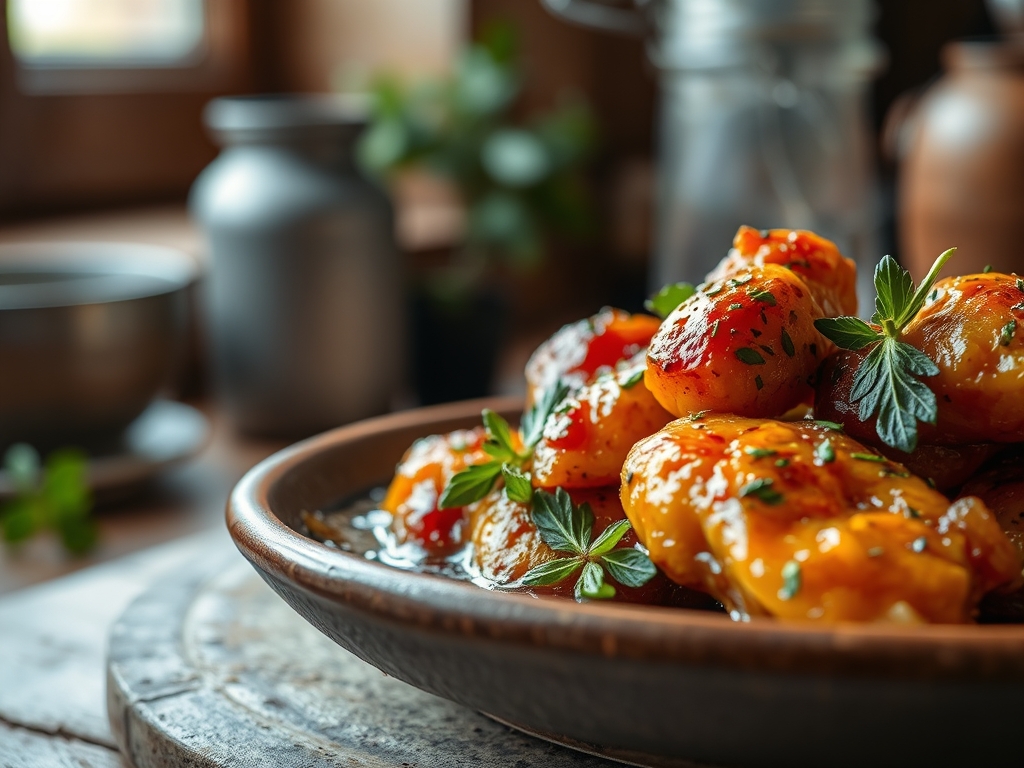
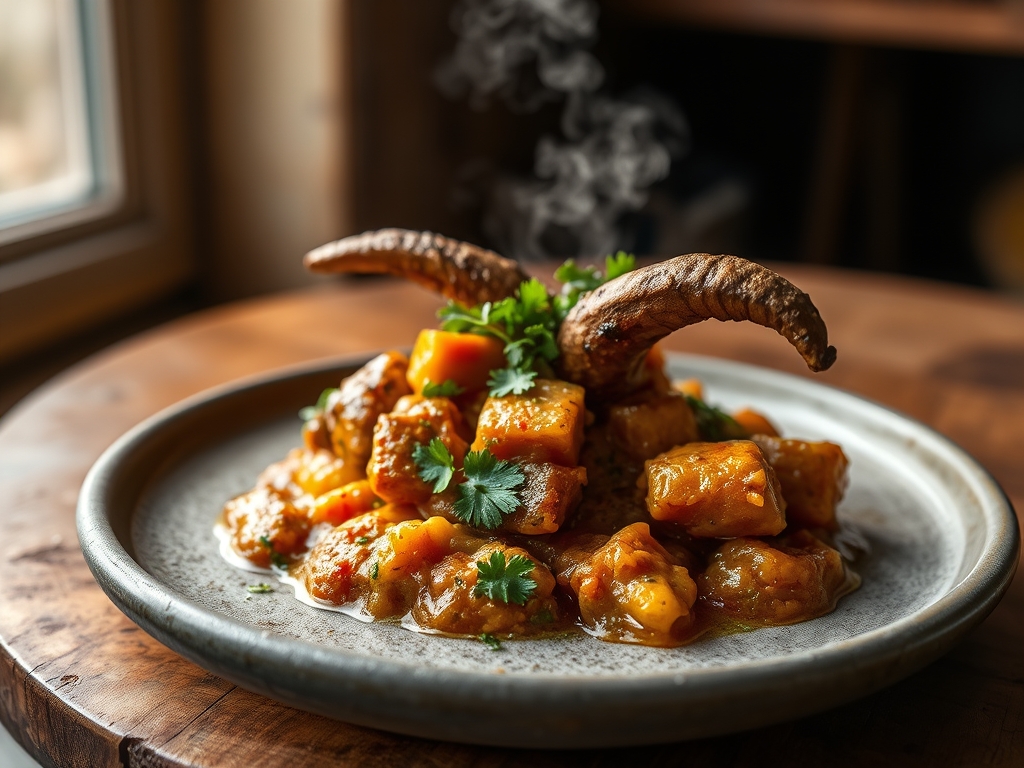
The air in a high-stakes kitchen does not just carry scent; it carries a tactical warning. When you engage with Caribbean Curry Goat, you are not merely simmering a stew. You are managing a high-tension chemical reaction involving stubborn connective tissues and volatile aromatic compounds. The scent is a heavy, golden cloud of toasted turmeric, scorched cumin, and the specific, musky depth of caprine protein. This is a dish that demands respect for the Maillard reaction and a deep understanding of collagen denaturation. If you fail to manage the heat, you end up with rubber. If you succeed, you produce a viscous, piquant masterpiece that vibrates with the heat of Scotch bonnet peppers. We are looking for a total breakdown of muscle fibers until they surrender to the sauce, creating a rich, emulsified gravy that coats the back of a spoon with authority. This is the ultimate infrastructure of flavor, built on a foundation of patience and precise thermal regulation.
THE DATA MATRIX
| Metric | Specification |
|---|---|
| Prep Time | 45 Minutes (Excluding Marination) |
| Execution Time | 3.5 Hours |
| Yield | 6 Servings |
| Complexity | 8 / 10 |
| Estimated Cost per Serving | $7.50 – $9.00 USD |
THE GATHERS
Ingredient Protocol:
- 1.4 kg / 3 lbs Goat Meat (Bone-in, cubed into 1-inch pieces)
- 60 ml / 4 tbsp Jamaican Curry Powder (High turmeric content)
- 15 ml / 1 tbsp Allspice berries (Whole or freshly cracked)
- 45 ml / 3 tbsp Neutral oil (High smoke point)
- 2 large Yellow onions (Small dice)
- 6 cloves Garlic (Minced)
- 50 g / 2 oz Fresh ginger (Grated)
- 3 medium Yukon Gold potatoes (Peeled and cubed)
- 2 whole Scotch bonnet peppers (Stemmed, kept whole for controlled heat)
- 1 liter / 4 cups Beef or goat stock (Low sodium)
- 10 g / 2 tbsp Fresh thyme sprigs
- 15 ml / 1 tbsp Soy sauce (For umami depth)
- To taste: Kosher salt and freshly cracked black pepper
Section A: Ingredient Quality Audit:
If your goat meat arrives with an excessive "gamey" odor that borders on the unpleasant, it is likely due to the age of the animal or poor processing. To fix this, soak the protein in a solution of cold water and 30ml / 2 tbsp of white vinegar or lime juice for 15 minutes before rinsing. This neutralizes surface bacteria and balances the pH. If your curry powder lacks vibrancy, it is likely oxidized. Bloom the spices in a dry saucier over medium heat for 60 seconds until the oils become volatile before adding any liquid. If the Scotch bonnets are unavailable, do not substitute with standard chili flakes; use habaneros for a similar Scoville profile and fruity undertone.
THE MASTERCLASS
1. The Marination Protocol
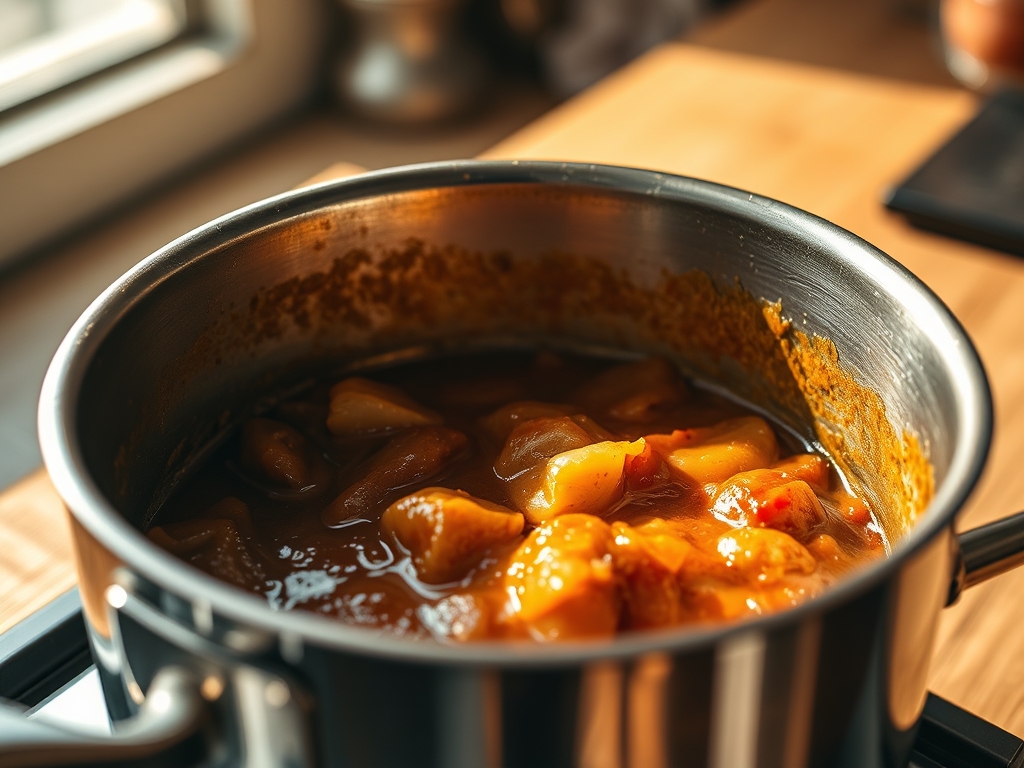
Combine the goat meat with half of the curry powder, salt, pepper, allspice, and half of the aromatics in a large non-reactive bowl. Use a bench scraper to ensure all surface area is coated. Allow this to hydrate in the refrigerator for at least 12 hours.
Pro Tip: Marination is not just about flavor; it is about enzymatic breakdown. The salt begins to dissolve myosin, allowing the spices to infuse deeper into the muscle fibers.
2. The Searing Phase
Heat the oil in a heavy-bottomed Dutch oven until it reaches 190C / 375F on a digital thermometer. Brown the meat in batches, ensuring you do not crowd the pan.
Pro Tip: Crowding the pan drops the temperature, causing the meat to steam in its own juices rather than undergo the Maillard reaction. You want a dark, caramelized crust to build the foundation of the sauce.
3. Blooming the Aromatics
Remove the meat and add the remaining curry powder, onions, garlic, and ginger to the rendered fat. Sauté until the onions are translucent and the spices have darkened in hue.
Pro Tip: This is where you aerate the spices. The fat acts as a solvent, extracting fat-soluble flavor compounds that water-based liquids cannot reach.
4. The Long Deglaze
Return the meat to the pot and add the stock and soy sauce. Use a wooden spoon to deglaze the bottom of the vessel, scraping up every bit of fond.
Pro Tip: The fond (the brown bits) contains concentrated umami. Utilizing a high-quality saucier with rounded edges ensures no flavor is trapped in the corners of the pan.
5. Thermal Integration
Add the thyme and whole Scotch bonnets. Lower the heat to a bare simmer (roughly 90C / 195F). Cover tightly and let the infrastructure develop for 2.5 hours.
Pro Tip: Maintaining a low, consistent temperature is vital. If the liquid boils, the muscle fibers will contract and toughen. A slow simmer allows collagen to convert into gelatin.
6. The Potato Emulsification
Add the cubed potatoes during the final 45 minutes of cooking. They should soften until the edges begin to slough off into the gravy.
Pro Tip: The starch released from the potatoes acts as a natural thickener, helping to render the sauce into a velvety, viscous consistency without the need for a flour-based roux.
Section B: Prep & Timing Fault-Lines:
The most common failure in Caribbean Curry Goat is rushing the tenderization phase. If the meat is still "springy" when pressed, it requires more time; do not increase the heat to speed up the process, as this will only result in dry, stringy protein. Use a digital scale to ensure your salt ratios are exact; over-salting early in a long reduction will lead to an inedible final product. If the sauce reduces too quickly, add stock in 50ml increments to maintain the liquid level.
THE VISUAL SPECTRUM
Section C: Thermal & Visual Troubleshooting:
Referencing the Masterclass photo, the ideal dish should exhibit a deep ochre or burnt-orange hue. If your curry looks pale or yellow, your spices were not bloomed long enough in the fat. If the oil is separating and floating on top in large slick pools, the emulsion has broken. To fix this, whisk in a tablespoon of warm water or stock to re-bind the fats. If the meat looks grey rather than rich brown, the initial sear was insufficient. You can improve the visual "pop" by adding a handful of fresh green scallions or cilantro at the very end to provide a color contrast against the dense, dark sauce.
THE DEEP DIVE
Macro Nutrition Profile:
A standard serving (approx. 350g) contains roughly 450 calories, 35g of protein, 22g of fat, and 18g of carbohydrates. Goat is naturally leaner than beef or lamb, making it a high-density protein source with lower saturated fat.
Dietary Swaps:
- Vegan: Substitute goat with "mutton" mushrooms or extra-firm pressed tofu. Use vegetable stock and add a dash of liquid smoke.
- Keto: Omit the potatoes and substitute with cauliflower florets added in the last 15 minutes.
- GF: This dish is naturally gluten-free provided your soy sauce is substituted with tamari or coconut aminos.
Meal Prep & Reheating Science:
Curry goat is notoriously better the second day. As the dish cools, the gelatin sets, trapping the aromatic compounds. When reheating, do so slowly over low heat to avoid "breaking" the emulsion. Adding a splash of water helps to loosen the gelatinous sauce back into its original viscous state without scorching the proteins.
THE KITCHEN TABLE
Why is my goat meat still tough after two hours?
Goat is high in connective tissue. If it is tough, the collagen hasn't converted to gelatin yet. Continue simmering at low heat. Check the age of the meat; older animals require longer cook times to reach tenderness.
Can I use a pressure cooker for this recipe?
Yes. High-pressure environments accelerate collagen breakdown. Reduce the stock by 25% and cook on high pressure for 45 minutes, followed by a natural release. Finish by simmering uncovered to reduce the sauce to the desired thickness.
How do I control the heat from the Scotch bonnet?
Keep the pepper whole and do not let it burst. The heat is concentrated in the seeds and pith. Removing the pepper before serving provides the fruity aroma and a mild tingle without the aggressive, palate-numbing burn.
What is the best side dish for infrastructure support?
Traditional Rice and Peas (made with kidney beans and coconut milk) provides the necessary starch to absorb the gravy. The creamy coconut balances the piquant spices of the curry, creating a balanced flavor profile.