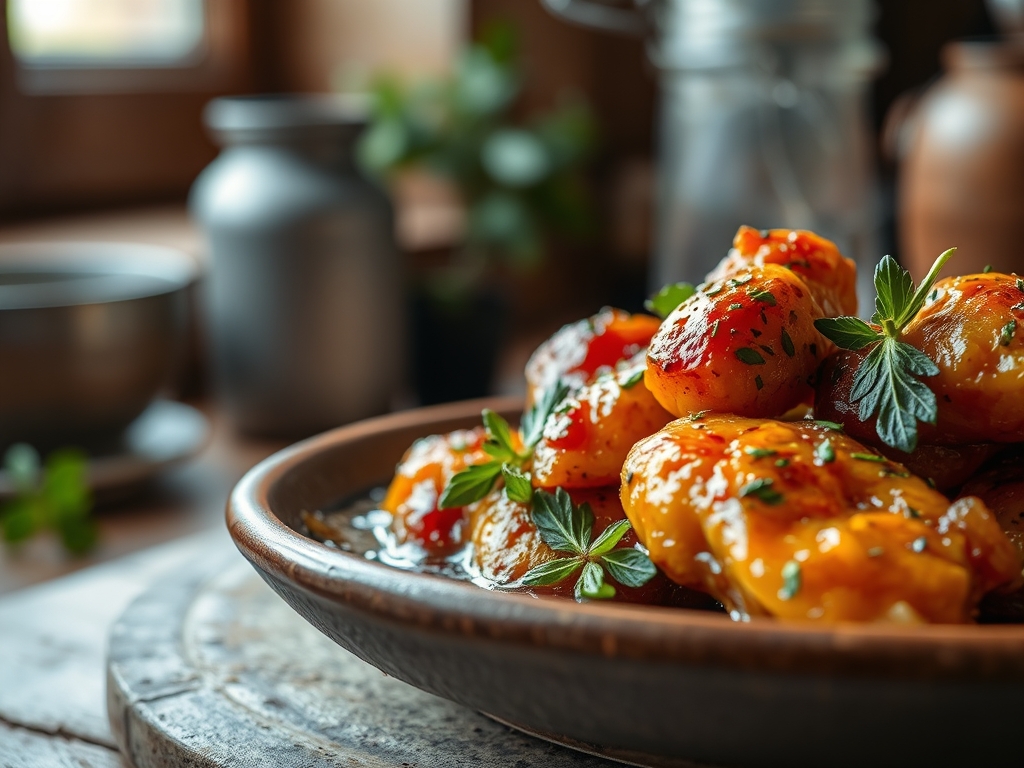
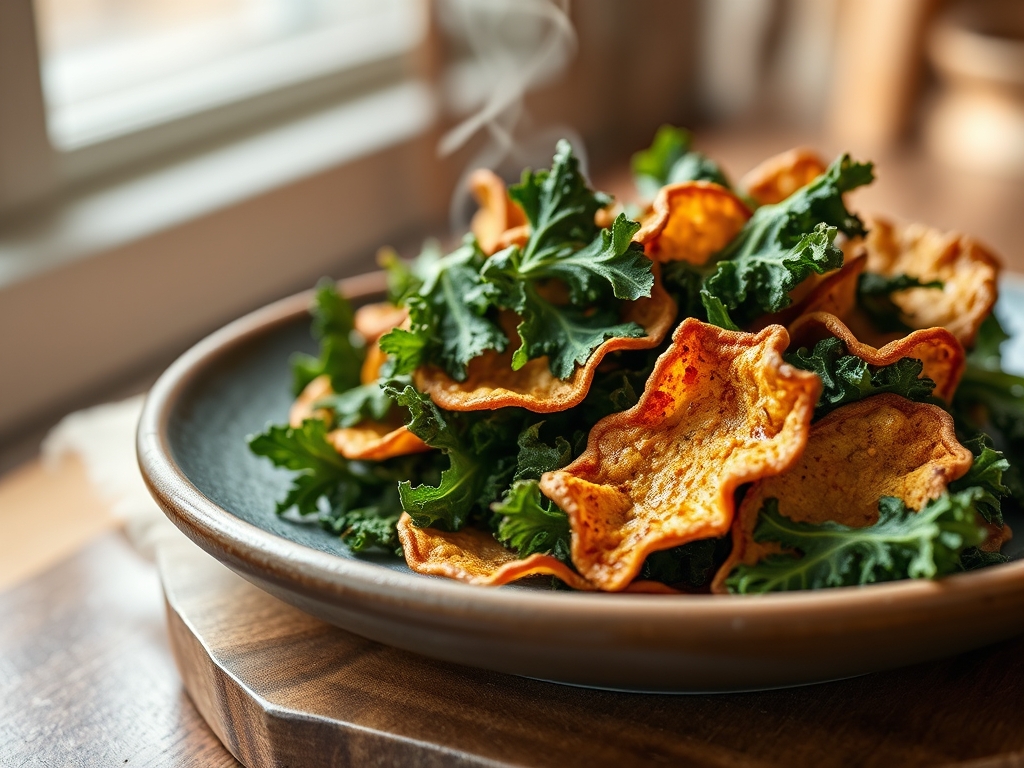
Listen closely because your snack game is currently a liability. We are moving beyond the soggy, limp greens of your past and entering the realm of structural integrity and high-velocity flavor. When we talk about Spicy Kale Chips, we are not just talking about dried leaves; we are discussing the physics of surface tension and the chemistry of the Maillard reaction. Imagine a chip so crisp it shatters like glass upon contact, releasing a piquant wave of capsaicin and toasted nuttiness that vibrates across the palate. This is culinary engineering at its finest. We are going to take raw, fibrous Lacinato and transform it into a dehydrated masterpiece using a high-protein coating that acts as a structural adhesive. No more seasoning falling to the bottom of the bowl. No more chewy centers. We are optimizing for maximum crunch and a heat profile that demands respect. If you are ready to stop playing with your food and start auditing your infrastructure, let us begin the calibration.
THE DATA MATRIX
| Metric | Specification |
|---|---|
| Prep Time | 20 Minutes |
| Execution Time | 45 – 60 Minutes |
| Yield | 4 Servings |
| Complexity | 4 / 10 |
| Estimated Cost per Serving | $1.25 |
THE GATHERS
Ingredient Protocol:
- 225g / 1 large bunch Lacinato (Dino) Kale
- 120ml / 0.5 cup Raw Cashews (soaked for 2 hours)
- 30ml / 2 tbsp Nutritional Yeast
- 15ml / 1 tbsp Apple Cider Vinegar
- 5ml / 1 tsp Smoked Paprika
- 2.5ml / 0.5 tsp Cayenne Pepper (adjust for heat)
- 2.5ml / 0.5 tsp Sea Salt
- 15ml / 1 tbsp Extra Virgin Olive Oil
- 30ml / 2 tbsp Water (filtered)
Section A: Ingredient Quality Audit:
If your kale feels flaccid or rubbery before you even begin, your hydration levels are compromised. Sub-par raw materials lead to sub-par structural results. To fix this, perform a cold-water shock. Submerge the leaves in an ice bath for 15 minutes to restore turgor pressure within the plant cells. If your cashew paste is gritty rather than viscous, your soaking time was insufficient or your blender lacks the necessary RPMs. Technical fix: Pass the mixture through a fine-mesh sieve to ensure a smooth emulsion that will infuse the leaves evenly without creating clumps of moisture that prevent crisping.
THE MASTERCLASS
Step-by-Step Execution:
1. The Structural Deconstruction
Strip the kale leaves away from the central rib. Do not be sloppy here; use a bench scraper or a sharp paring knife to ensure clean edges. Tear the leaves into uniform 2-inch pieces.
Pro Tip: Uniformity is not just for aesthetics. Pieces of varying sizes will dehydrate at different rates, leading to a mix of burnt fragments and soggy centers. Use a digital scale to ensure your batches are weighted equally for consistent thermal exposure.
2. Moisture Evacuation
Wash the kale thoroughly and use a high-speed salad spinner to remove every trace of surface water. Any remaining droplets will steam the kale rather than allow the fats to render and crisp.
Pro Tip: After spinning, lay the kale on a lint-free kitchen towel. Residual moisture is the enemy of the "crunch" phase. The physics of evaporation dictate that surface water must be gone before the oil-based coating can properly adhere to the leaf.
3. The Emulsion Matrix
In a high-speed blender, combine the soaked cashews, nutritional yeast, vinegar, spices, and oil. Blend until the mixture is perfectly smooth and viscous.
Pro Tip: This coating is essentially a vegan "cheese" sauce that acts as a flavor adhesive. The fats in the cashews and oil help to aerate the mixture during blending, creating a light coating that won't weigh down the delicate leaf structure.
4. Leafy Surface Adhesion
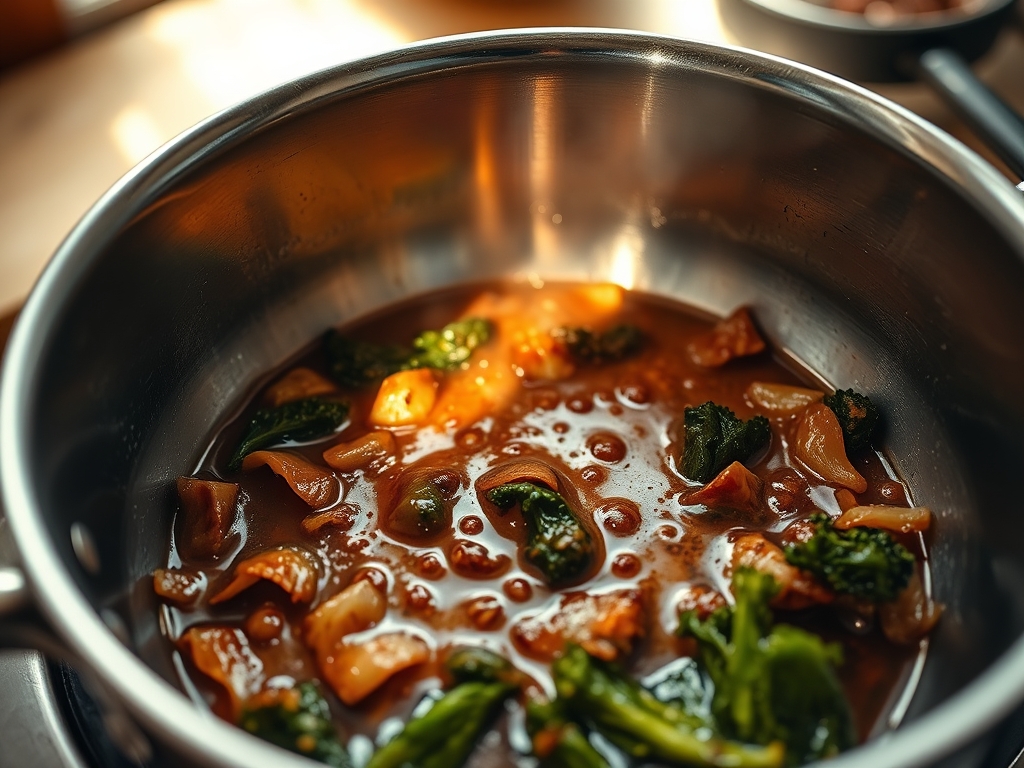
Place the kale in a large stainless steel saucier or mixing bowl. Pour the spicy emulsion over the leaves and use your hands to massage the mixture into every crevice.
Pro Tip: Massaging the kale breaks down the tough cellulose fibers, allowing the spicy flavors to infuse deeper into the plant tissue. This mechanical breakdown ensures the final product is brittle rather than chewy.
5. Thermal Calibration
Arrange the leaves in a single layer on a parchment-lined baking sheet. Set your oven to its lowest possible setting (usually 175F / 80C) or use a dedicated dehydrator.
Pro Tip: We are looking for moisture removal, not high-heat roasting. Low and slow prevents the bitter compounds in the kale from intensifying while allowing the sugars in the cashew coating to undergo a slow-motion Maillard reaction for depth of flavor.
Section B: Prep & Timing Fault-Lines:
The most common human error is overcrowding the tray. If leaves overlap, you create "micro-steam zones" where moisture is trapped between surfaces. This results in localized sogginess. Another failure point is the "pull time." If you remove the chips while they still have a slight give, they will absorb atmospheric moisture as they cool and turn soft. They must be completely brittle to the touch before exiting the thermal chamber.
THE VISUAL SPECTRUM
Section C: Thermal & Visual Troubleshooting:
Referencing the Masterclass photo above, notice the vibrant, deep green hue contrasted with the matte, sunset-orange spice coating. If your chips appear dull or brown, you have oxidized the chlorophyll through excessive heat. To fix this, lower your temperature and increase your duration. If the coating looks "clumpy" or cracked, your emulsion was too thick; next time, add 5ml of water to reach the correct viscosity. If you see white spots, those are likely salt deposits or undissolved yeast; ensure your blender cycle is long enough to fully integrate all dry solids into the liquid phase.
THE DEEP DIVE
Macro Nutrition Profile:
These chips are a nutrient-dense powerhouse. One serving typically contains 150 calories, 9g of healthy fats (primarily monounsaturated from cashews), 12g of complex carbohydrates, and 6g of plant-based protein. The high fiber content ensures a low glycemic index, preventing the insulin spikes associated with potato-based snacks.
Dietary Swaps:
- Vegan: Naturally compliant.
- Keto: Replace the cashews with sunflower seeds or macadamia nuts to further lower the net carb count.
- GF: Naturally compliant; ensure your nutritional yeast is certified gluten-free.
Meal Prep & Reheating Science:
Maintaining molecular structure is all about humidity control. Store Spicy Kale Chips in an airtight glass container with a food-grade desiccant packet. If they lose their snap, do not use a microwave; the agitation of water molecules will turn them into mush. Instead, flash-heat them in a 300F oven for 3 minutes to render out any absorbed moisture and restore the crystalline structure of the coating.
THE KITCHEN TABLE
Why are my kale chips bitter?
Bitterness usually stems from over-roasting or using old kale. High heat intensifies the sulfur compounds in brassicas. Keep temperatures low and ensure your kale is fresh and properly massaged to mitigate this flavor profile.
Can I use curly kale instead of Lacinato?
Yes, but curly kale has more surface area, which requires more coating to achieve the same flavor density. It also tends to trap more moisture, so increase your dehydration time by 10 percent to ensure total crispness.
How do I get the spice to stay on?
The secret is the cashew-based emulsion. Without a fat and protein binder, dry spices will simply fall off. The blended cashews act as a structural glue that hardens during the dehydration process, locking the heat in place.
Why did my chips turn brown so fast?
This is a sign of sugar caramelization. If your coating has high sugar content or your oven has "hot spots," the chips will burn. Use a convection setting to circulate air and ensure even thermal distribution across the tray.