Listen to the sizzle; it is the sound of a thermodynamic transformation occurring at the speed of light. When you drop a tray of Spicy Shrimp Skewers onto a preheated cast iron surface, you are not just cooking dinner. You are managing a high-stakes exchange of kinetic energy. Shrimp are the Ferraris of the seafood world; they go from zero to overcooked in less time than it takes to check your phone. The goal here is to exploit the surface-to-volume ratio. By skewering these decapod crustaceans, we maximize the surface area exposed to the radiant heat of the grill. This ensures that the exterior undergoes the Maillard reaction, creating a piquant crust of caramelized sugars and proteins, while the interior remains succulent and snap-fresh. We are chasing that perfect balance of a charred, smoky exterior and a tender, translucent core. This is culinary engineering at its most visceral level. Prepare your station; we are about to optimize your protein output with surgical precision.
THE DATA MATRIX
| Metric | Specification |
|---|---|
| Prep Time | 20 Minutes |
| Execution Time | 6 Minutes |
| Yield | 4 Servings |
| Complexity | 4 / 10 |
| Estimated Cost per Serving | $6.50 USD |
THE GATHERS
Ingredient Protocol:
- 900g / 2 lbs Jumbo Shrimp (16/20 count), peeled and deveined.
- 60ml / 0.25 cup Extra Virgin Olive Oil.
- 15ml / 1 tbsp Smoked Paprika.
- 5ml / 1 tsp Cayenne Pepper (adjust for piquant intensity).
- 30ml / 2 tbsp Fresh Lemon Juice.
- 4 cloves Garlic, microplaned into a fine paste.
- 5g / 1 tsp Kosher Salt.
- 2g / 0.5 tsp Cracked Black Pepper.
- 15g / 0.25 cup Fresh Cilantro, finely minced for garnish.
Section A: Ingredient Quality Audit:
The integrity of your Spicy Shrimp Skewers lives or dies by the quality of the raw material. If your shrimp feel slimy or emit a distinct ammonia scent, they have already begun a terminal microbial breakdown. Discard them immediately. If you are forced to use frozen shrimp, ensure they are thawed slowly in a refrigerator rather than under warm water. Rapid thawing ruptures the cellular walls, leading to a mushy texture. To fix "water-logged" shrimp, brine them in a solution of salt and baking soda for 15 minutes. This alters the pH levels, allowing the proteins to retain moisture while ensuring the exterior stays dry enough to achieve a crisp sear. If your spices look dull or lack aroma, they have oxidized. Bloom them in a small saucier with a teaspoon of oil over low heat for 30 seconds to reactivate the volatile oils before adding them to the marinade.
THE MASTERCLASS
1. Emulsify the Marinade Protocol
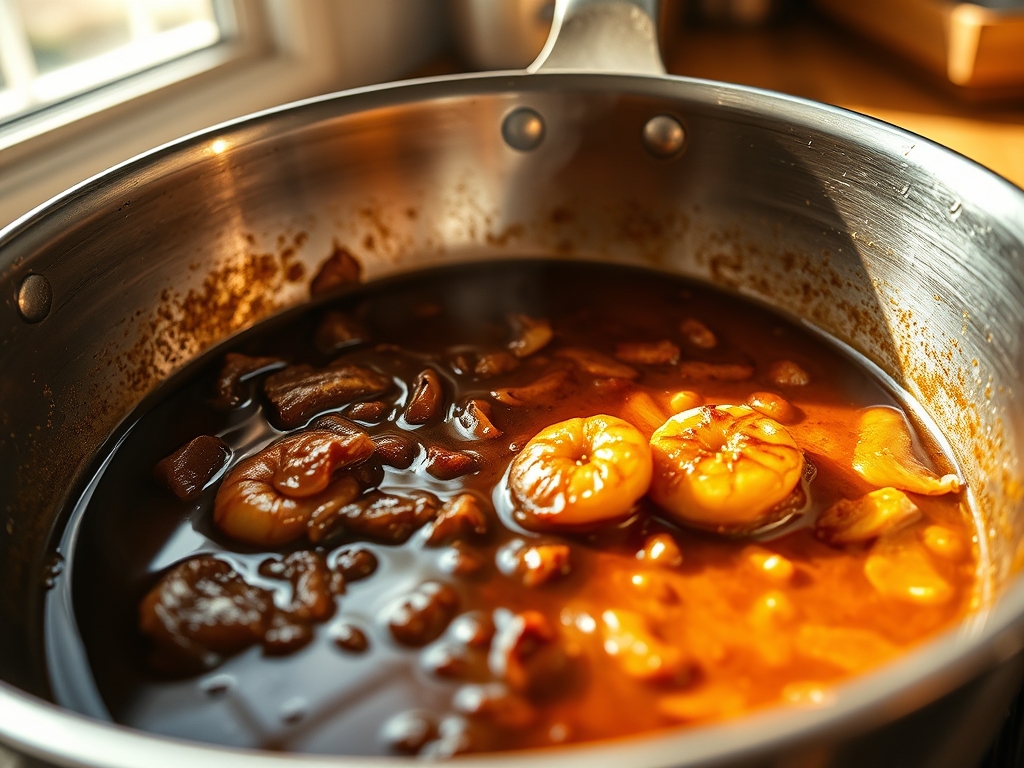
In a stainless steel mixing bowl, whisk the olive oil, lemon juice, garlic, and spices until the mixture becomes viscous and fully integrated. Use a digital scale to ensure your spice ratios are exact; precision is the enemy of mediocrity.
Pro Tip: Use a high-quality whisk to aerate the marinade. This creates a temporary emulsion that coats the shrimp more evenly than a broken oil-and-vinegar mixture. The increased viscosity ensures the spices cling to the ridges of the shrimp during the high-heat transition.
2. The Skewering Architecture
Thread the shrimp onto double-pronged skewers or two parallel wooden skewers. This prevents the shrimp from spinning when you flip them, ensuring a uniform sear across the entire batch. Leave a 5mm gap between each shrimp to allow heat to circulate.
Pro Tip: If using wooden skewers, weigh them down in a water bath for 30 minutes using a heavy plate or a bench scraper. This prevents the wood from carbonizing and snapping under the intense heat of the grill or broiler.
3. Thermal Application and Sealing
Preheat your grill or heavy-bottomed pan until it reaches 230C / 450F. Lay the skewers down and do not move them for exactly 120 seconds. You are looking for the protein to undergo a physical change where it releases naturally from the cooking surface.
Pro Tip: Use an infrared thermometer to verify surface temperature. If the pan is too cold, the shrimp will steam in their own juices; if too hot, the garlic in the marinade will acridly burn before the shrimp is cooked through.
4. The Flip and Glaze
Turn the skewers using precision tongs. Brush the remaining marinade over the seared side to infuse more flavor. Cook for an additional 90 to 120 seconds until the shrimp form a "C" shape. An "O" shape indicates overcooking and a loss of structural integrity.
Pro Tip: Use a silicone basting brush to apply the glaze. This tool is superior to hair brushes as it resists heat and does not trap bacteria, ensuring your final application is both safe and aesthetically glossy.
Section B: Prep & Timing Fault-Lines:
The most common failure in shrimp execution is the "Cold Center" syndrome. This happens when shrimp are taken directly from a 4C / 40F refrigerator to the grill. The exterior burns while the interior remains raw. Always allow your marinated skewers to sit at room temperature for 10 minutes prior to cooking. Furthermore, if you overcrowd the pan, the ambient temperature will drop sharply. This causes the shrimp to boil rather than sear. Work in batches if necessary, keeping the finished skewers on a wire rack over a sheet tray to maintain airflow and prevent the bottom side from becoming soggy.
THE VISUAL SPECTRUM
Section C: Thermal & Visual Troubleshooting:
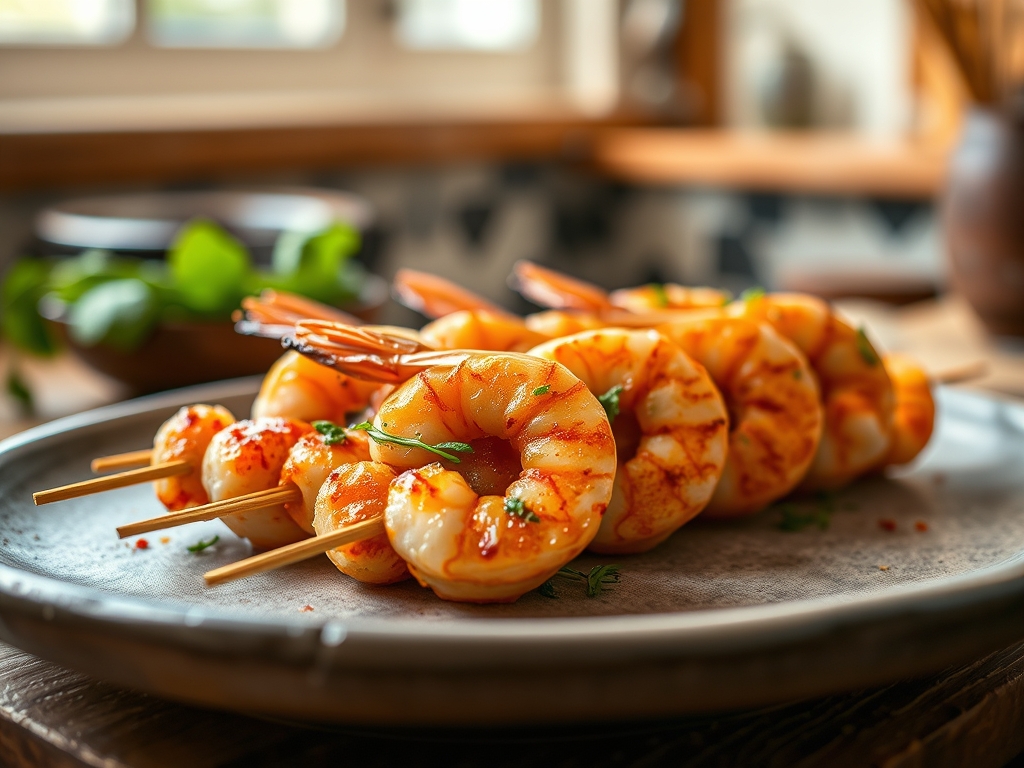
Referencing the masterclass photo, your Spicy Shrimp Skewers should exhibit a vibrant, sunset-orange hue with localized spots of dark carbonization. If your shrimp appear pale or grey, your heat was insufficient; increase the BTU output for the next batch. If the spices look like black soot, your marinade contained too much sugar or the heat was applied for too long. The texture should be firm and elastic. If the shrimp look "shriveled," you have exceeded the thermal limit, causing the protein fibers to contract and squeeze out all moisture. To fix a dull appearance, finish with a light mist of high-quality olive oil and a fresh squeeze of lemon to provide a reflective, appetizing sheen.
THE DEEP DIVE
Macro Nutrition Profile:
A standard serving of these skewers provides approximately 35g of protein, 12g of healthy fats, and only 4g of carbohydrates. Shrimp are an excellent source of selenium and vitamin B12, making this a high-density fuel source for muscle recovery and cognitive function.
Dietary Swaps:
- Vegan: Replace shrimp with extra-firm tofu cubes pressed for 30 minutes to remove moisture. Increase the smoked paprika to mimic the natural sweetness of shellfish.
- Keto: This recipe is naturally keto-compliant. Increase the olive oil ratio for higher fat macros.
- GF: Ensure your spice blends are certified gluten-free, as some commercial powders use flour as an anti-caking agent.
Meal Prep & Reheating Science:
To maintain the molecular structure during reheating, avoid the microwave at all costs. Microwaves vibrate water molecules, which turns shrimp into rubber. Instead, flash-sear them in a hot pan for 60 seconds or consume them cold over a salad. Cold shrimp maintain their "snap" better than reheated shrimp.
THE KITCHEN TABLE
How do I know the shrimp are done?
Look for the opacity. Once the center is no longer translucent and the shape has curled into a tight "C," the internal temperature has hit the safe 63C / 145F mark. Remove them immediately from the heat source.
Can I marinate these overnight?
Negative. The acid in the lemon juice will "cook" the shrimp via denaturation, similar to ceviche. This results in a mealy, unpleasant texture. Limit your marinating time to a maximum of 30 to 60 minutes for optimal results.
Why use two skewers per row?
Structural stability is key. Single skewers allow the shrimp to rotate freely, making it impossible to sear both sides evenly. Double skewers lock the shrimp in place, allowing for a clean, professional flip every single time.
What is the best way to peel shrimp?
Use kitchen shears to snip the shell along the back. This allows you to remove the vein and the shell simultaneously while keeping the meat intact. Leave the tails on for a superior visual presentation and a convenient "handle."