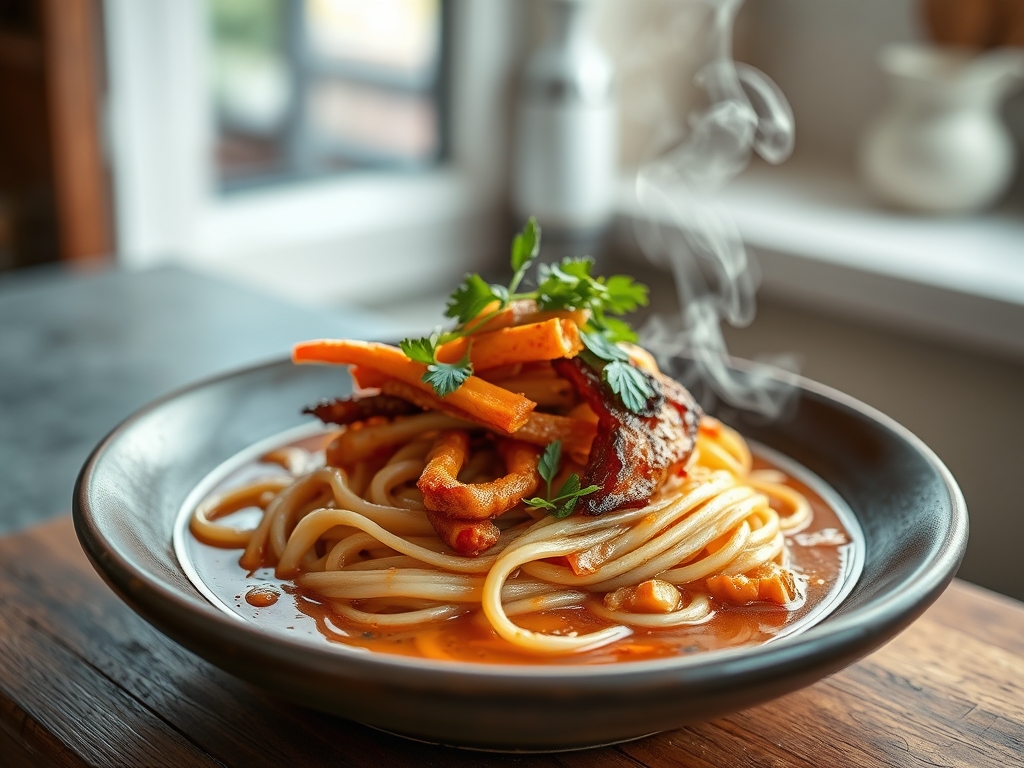
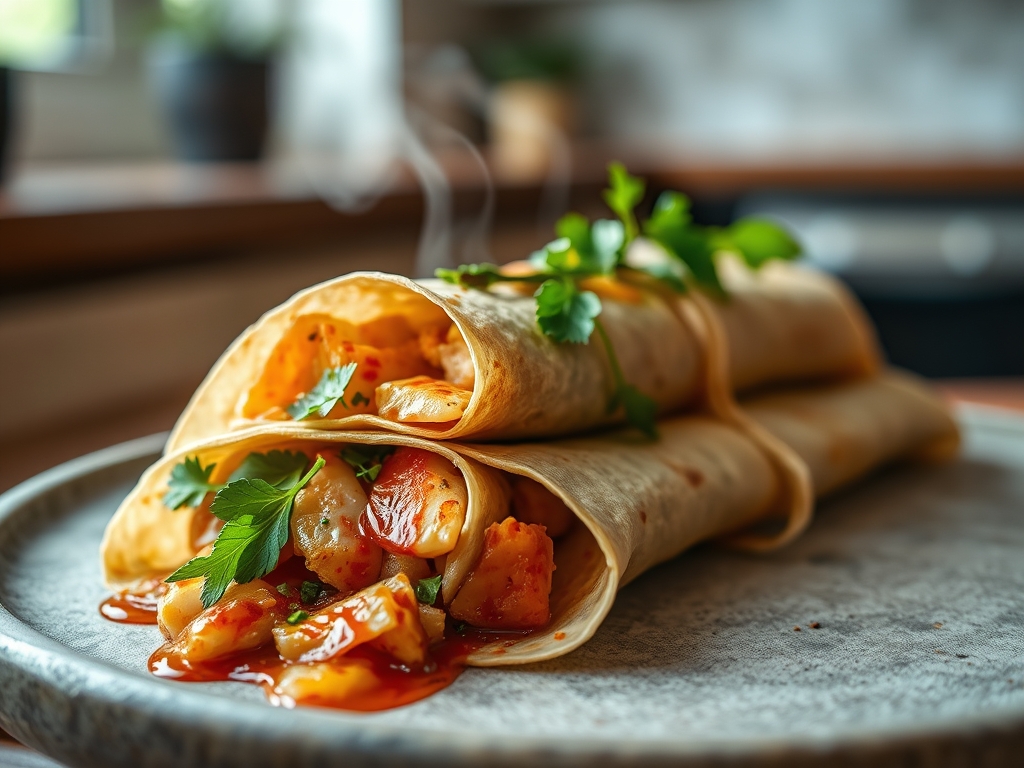
Listen up, kitchen operatives. We are moving beyond the realm of soggy cafeteria sandwiches and entering the high-performance zone of the Spicy Tuna Wraps. This is not just lunch; it is a precision-engineered delivery system for protein and capsaicin. Imagine the snap of a chilled butter lettuce leaf giving way to a viscous, cream-heavy emulsion of sriracha and Japanese mayo. The tuna must be flaky but never dry, suspended in a matrix of piquant aromatics that wake up the olfactory system before the first bite even hits the tongue. We are looking for a perfect balance of thermal contrast and textural integrity. If your current wrap game feels like a high-latency connection from 1998, it is time to upgrade your firmware. We are optimizing for speed, flavor density, and structural stability. This is the ultimate audit of the Spicy Tuna Wraps, where we calibrate every gram of fat and every drop of acid to ensure peak culinary performance.
THE DATA MATRIX
| Metric | Specification |
|---|---|
| Prep Time | 12 Minutes |
| Execution Time | 5 Minutes |
| Yield | 4 Servings |
| Complexity (1-10) | 3 |
| Estimated Cost per Serving | $3.75 |
THE GATHERS
Ingredient Protocol:
- 500g / 2 cans (5 oz) Albacore Tuna (Solid white, packed in water)
- 60ml / 0.25 cup Kewpie Mayonnaise (The gold standard for viscous mouthfeel)
- 30ml / 2 tbsp Sriracha Chili Sauce
- 15ml / 1 tbsp Toasted Sesame Oil
- 5ml / 1 tsp Rice Vinegar (Unseasoned)
- 2g / 0.5 tsp Togarashi (Japanese 7-spice)
- 120g / 1 cup English Cucumber (Diced into 5mm cubes)
- 30g / 0.25 cup Scallions (Finely sliced on a bias)
- 8 Large Leaves Butter Lettuce or Romaine (The structural chassis)
- 10g / 2 tsp Black Sesame Seeds (For visual contrast)
Section A: Ingredient Quality Audit:
If your tuna arrives smelling like a pier at low tide, your data is corrupted. High-quality canned tuna should have a clean, oceanic scent. If the fish is too dry, do not just dump in more mayo; infuse it with a teaspoon of olive oil first to restore the lipid barrier. If your sriracha lacks the necessary punch, check the expiration; capsaicin degrades over time. For lettuce that has lost its turgor pressure (wilting), submerge it in an ice bath for ten minutes. This rehydrates the cellular walls, ensuring that signature snap. Finally, if using standard mayo instead of Kewpie, add a pinch of MSG and a drop of honey to simulate the umami profile required for this specific build.
THE MASTERCLASS
1. The Moisture Extraction Phase
Drain the tuna using a fine-mesh strainer. Do not just press the lid; use a bench scraper or the back of a heavy spoon to force out every milliliter of excess brine. A watery tuna base is the primary cause of structural failure in Spicy Tuna Wraps.
Pro Tip: Use a digital scale to ensure you have exactly 400g of dry weight fish. Removing excess moisture allows the fat-based dressing to adhere to the protein fibers rather than sliding off in a puddle of grey water.
2. The Emulsion Calibration
In a stainless steel saucier or mixing bowl, whisk together the Kewpie, sriracha, sesame oil, and rice vinegar. You want to aerate the mixture slightly to create a lighter, mousse-like texture. This ensures the sauce coats the palate evenly without feeling heavy.
Pro Tip: The science of emulsification relies on the egg yolks in the mayo acting as a bridge between the vinegar and the sesame oil. Whisking vigorously creates a stable suspension that won't break under room temperature.
3. The Structural Integration
Fold the dry tuna into the spicy emulsion. Use a folding motion rather than stirring to keep some of the larger tuna chunks intact. Add the diced cucumbers and scallions last to maintain their crunch.
Pro Tip: Adding the cucumbers at the final millisecond prevents the salt in the tuna from drawing out the cucumber's internal water via osmosis. This keeps the wrap crisp for a longer duration.
4. The Chassis Assembly
Lay out your lettuce leaves. If using butter lettuce, double up the leaves for extra reinforcement. Spoon the tuna mixture into the center third of the leaf. Garnish with black sesame seeds and a final dusting of togarashi.
Pro Tip: Placement is key for low-latency eating. Keep the filling centered to prevent "blowouts" at the base of the wrap. A well-constructed wrap should maintain its integrity from the first bite to the last.
Section B: Prep & Timing Fault-Lines:
The biggest failure in this protocol is "The Soak." If you prep the wraps more than 20 minutes before service, the acid in the dressing will begin to break down the cellulose in the lettuce. This results in a soggy, unappealing mess. If you are meal prepping, store the tuna mixture in an airtight glass container and the lettuce in a separate perforated bag with a paper towel. Assemble only at the point of consumption. Temperature control is also vital; the tuna should be served at exactly 4 degrees Celsius (40 degrees Fahrenheit) to provide the necessary thermal contrast against the spicy sauce.
THE VISUAL SPECTRUM
Section C: Thermal & Visual Troubleshooting:
Look at the reference image above. Notice the vibrant green of the lettuce against the pale coral of the spicy tuna. If your tuna looks grey or muddy, you likely over-mixed it or used low-quality fish. The cucumbers should look like translucent emeralds; if they look dull, they are oxidizing. To fix a "flat" looking dish, increase the height of the tuna pile and ensure the scallions are cut on a sharp 45-degree angle to provide architectural interest. The black sesame seeds are not optional; they provide the high-contrast "noise" that makes the visual data pop. If the sauce looks broken (oily streaks), you failed the emulsion phase; whisk in a teaspoon of warm water to re-bind the fats.
THE DEEP DIVE
Macro Nutrition Profile:
Per serving (2 wraps): 280 Calories, 24g Protein, 18g Fat, 6g Net Carbs. This is a high-protein, moderate-fat fuel source designed for sustained cognitive output without the insulin spike associated with bread-based wraps.
Dietary Swaps:
- Vegan: Swap tuna for smashed chickpeas and use a vegan aquafaba-based mayo.
- Keto: This recipe is natively Keto-compliant. Ensure your sriracha has no added sugar.
- GF: Ensure your togarashi and sriracha are certified gluten-free, as some brands use wheat-based fillers.
Meal Prep & Reheating Science:
Never reheat these. The molecular structure of canned tuna becomes "fishy" and metallic when hit with microwave radiation. To maintain the molecular integrity of the fats, keep the tuna mixture cold. If the mixture has separated in the fridge, do not add more mayo; simply give it a quick "re-shock" with a fork to re-emulsify the oils.
THE KITCHEN TABLE
Why is my tuna mixture so runny?
You likely skipped the moisture extraction phase. Canned tuna holds a surprising amount of liquid within its fibers. Use a lint-free kitchen towel to squeeze the fish until it is bone-dry before adding your fats.
Can I use Greek yogurt instead of mayo?
You can, but you will sacrifice the viscous mouthfeel. Yogurt is water-based, whereas mayo is oil-based. The water in yogurt will eventually leak out, leading to a soggy wrap chassis. Use it only for immediate consumption.
What is the best lettuce for structural integrity?
Butter (Bibb) lettuce offers the best flavor, but Romaine hearts provide the best "crunch-to-torque" ratio. If you need a wrap that can survive a commute, Romaine is your primary choice for structural reinforcement.
How do I make it spicier without ruining the texture?
Do not add more sriracha, as the liquid will break the emulsion. Instead, fold in finely minced Thai bird's eye chilies or increase the togarashi. This adds heat without compromising the viscosity of the sauce.