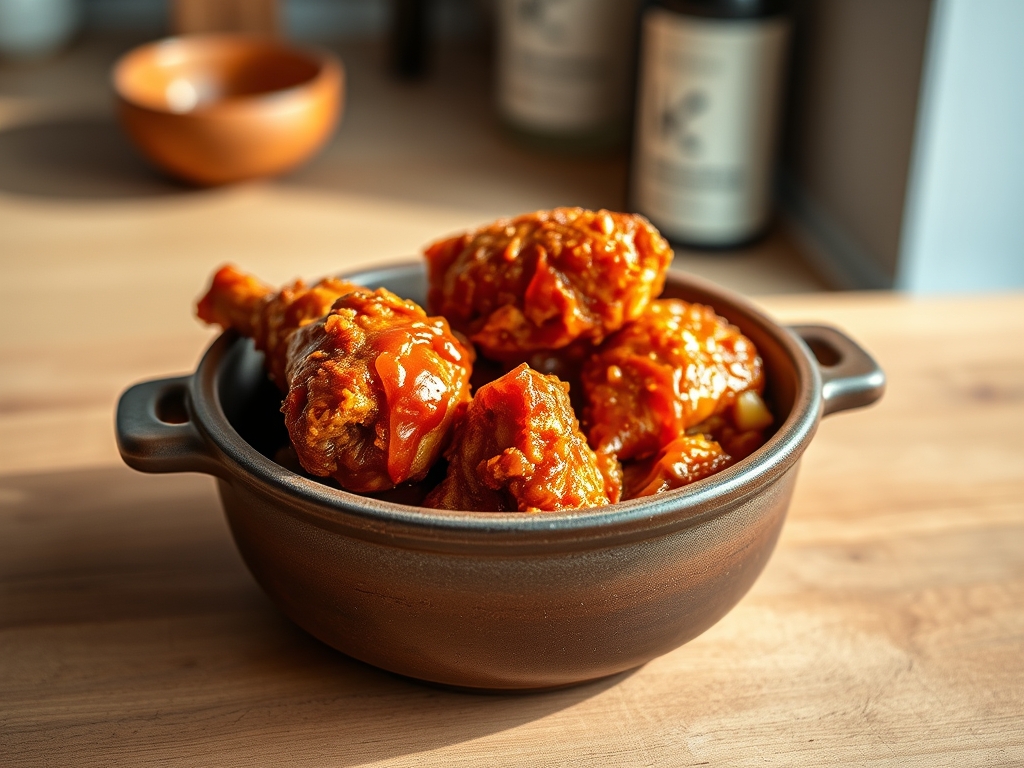
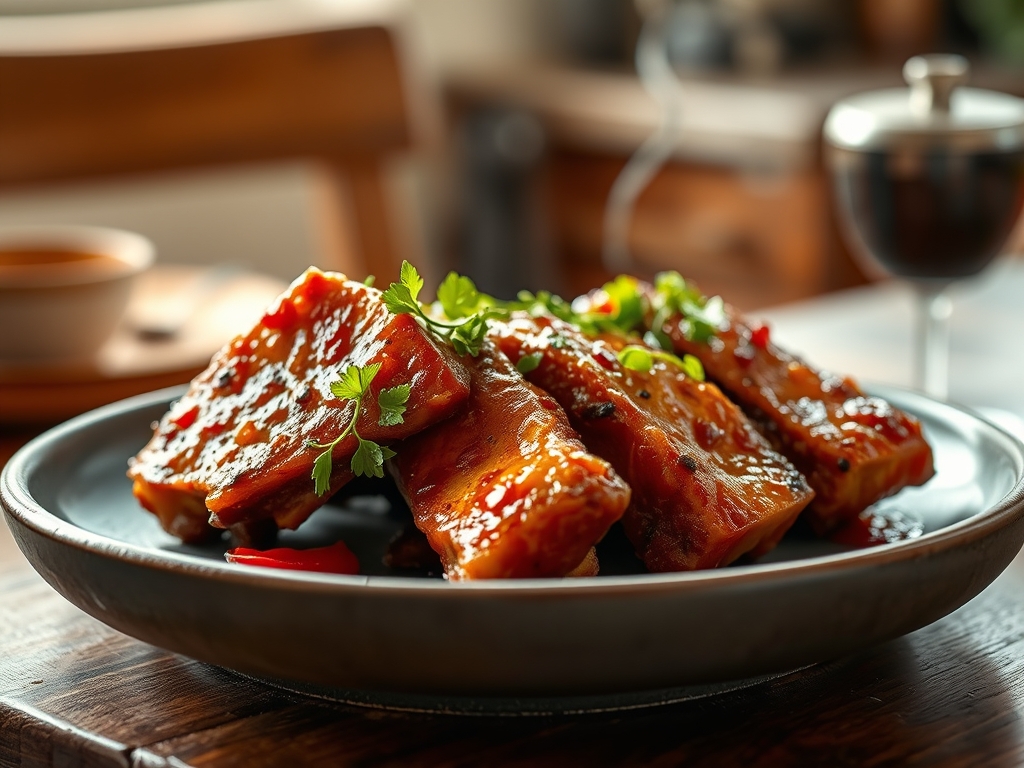
Listen up, grease-monkeys and heat-seekers; we are moving beyond the realm of backyard grilling and entering the high-stakes world of lipid engineering. When you commit to Ghost Pepper Pork Ribs, you are not just making dinner; you are managing a volatile chemical reaction between capsaicinoid intensity and intramuscular fat. The Ghost Pepper, or Bhut Jolokia, sits at a staggering one million Scoville Heat Units. It is a biological weapon disguised as a berry. Our objective is to harness that piquant violence and suspend it within a viscous, honey-lacquered glaze that clings to the ribs like a second skin. We are looking for a structural transformation where the connective tissue dissolves into gelatin, providing a silky mouthfeel that buffers the initial thermal shock of the pepper. This is a technical audit of fire and bone. If you cannot handle the atmospheric pressure of a high-output kitchen, turn back now. For the rest of you, calibrate your digital scales and prepare for a masterclass in aggressive flavor extraction.
THE DATA MATRIX
| Metric | Specification |
|---|---|
| Prep Time | 45 Minutes |
| Execution Time | 5 Hours |
| Yield | 4 Adult Servings |
| Complexity | 8 / 10 |
| Estimated Cost per Serving | $12.50 USD |
THE GATHERS
Ingredient Protocol:
- 2.7 kg / 6 lbs Pork Baby Back Ribs (3 full racks)
- 15g / 3 tbsp Dehydrated Ghost Pepper Powder
- 200g / 1 cup Dark Brown Sugar
- 60ml / 0.25 cup Apple Cider Vinegar
- 120ml / 0.5 cup Clover Honey
- 30g / 2 tbsp Smoked Paprika (Pimenton)
- 15g / 1 tbsp Kosher Salt
- 10g / 2 tsp Garlic Powder
- 5g / 1 tsp Freshly Cracked Black Pepper
- 250ml / 1 cup Apple Juice (for spritzing)
Section A: Ingredient Quality Audit:
The primary failure point in this protocol is the age of your spices. If your Ghost Pepper powder smells like dusty hay rather than a stinging, fruity chemical burn, your potency is compromised. Technical Fix: Toast stale spices in a dry saucier for 60 seconds to reactivate essential oils. Furthermore, if your ribs lack significant marbling, they will result in a dry, fibrous texture. Audit your butcher; you require a high fat-to-lean ratio to properly render the collagen during the long thermal cycle. If the meat is too lean, you must employ a dry-brine strategy for at least 12 hours to chemically tenderize the muscle fibers before the first heat application.
THE MASTERCLASS
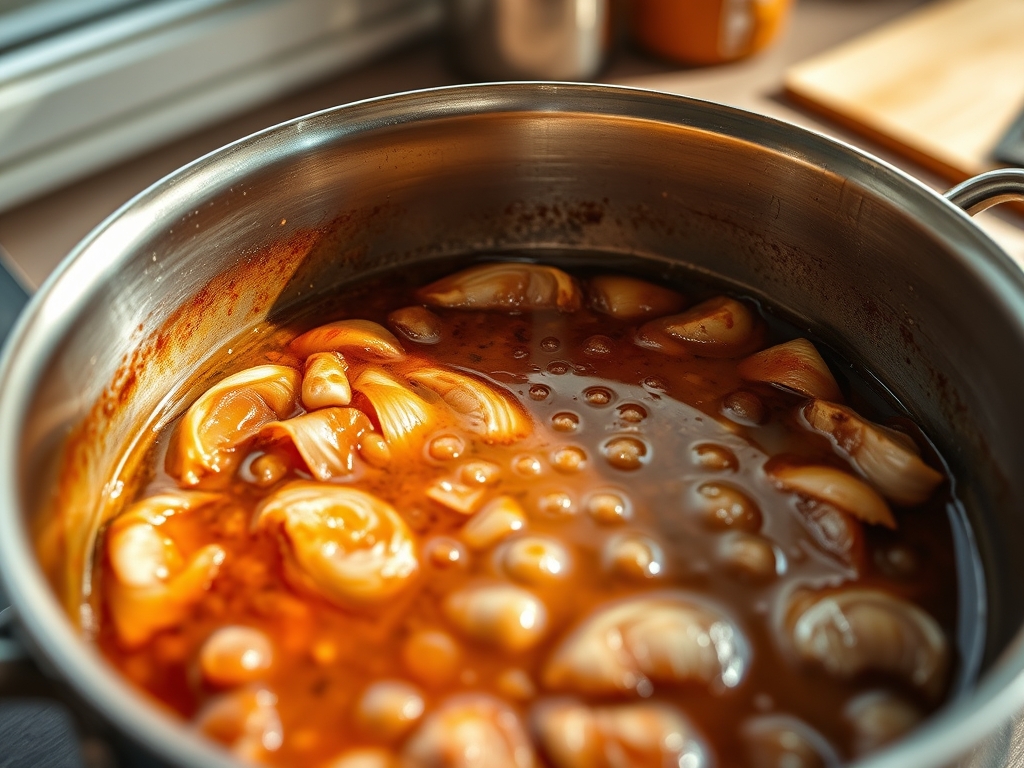
Step 1: Membrane Extraction and Surface Prep
Lay the racks on a clean stainless steel surface and use a bench scraper to lift the silverskin from the bone side. This membrane is a non-permeable barrier that prevents flavor infusion. Once removed, pat the meat bone-dry with lint-free towels to ensure maximum adhesion of the dry rub.
Pro Tip: Removing the membrane allows for a 360-degree smoke penetration. From a molecular standpoint, the salt in the rub needs direct access to the proteins to begin the denaturing process.
Step 2: Precision Dry Rub Application
Combine your Ghost Pepper powder, sugar, and aromatics using a digital scale for sub-gram accuracy. Apply the mixture generously, pressing it into the flesh to create a cohesive crust. Allow the ribs to sit at room temperature for 30 minutes until the surface appears tacky and moist.
Pro Tip: This "tackiness" is the salt drawing out moisture to create a concentrated brine. This ensures the piquant compounds of the Bhut Jolokia are physically bonded to the lipid layers.
Step 3: The Low-Slow Thermal Phase
Set your convection environment to 107 degrees Celsius (225 degrees Fahrenheit). Place the ribs bone-side down. Every 45 minutes, use a spray bottle to aerate the surface with apple juice. This prevents the sugars from scorching while maintaining a humid micro-climate around the meat.
Pro Tip: The spritzing process facilitates the Maillard reaction without reaching the carbonization point. It also aids in smoke ring formation by keeping the surface temperature slightly lower than the internal core.
Step 4: The Lipid Wrap
After three hours, the ribs should have a deep mahogany hue. Wrap them tightly in heavy-duty aluminum foil with a splash of apple cider vinegar. This creates a pressurized steam environment that accelerates the breakdown of tough collagen into succulent gelatin.
Pro Tip: This is known as the "Texas Crutch." By wrapping the ribs, you bypass the evaporative cooling phase (the stall) and ensure the meat remains hydrated while the connective tissues liquefy.
Step 5: Glaze Reduction and Final Lacquer
Empty the foil juices into a saucier and whisk in honey and additional Ghost Pepper powder. Reduce over medium heat until the liquid becomes viscous enough to coat the back of a spoon. Brush this onto the ribs and return them to the heat for 15 minutes to set the glaze.
Pro Tip: Reducing the juices concentrates the natural umami flavors released during the cook. The honey acts as an emulsifier, creating a glossy, professional-grade finish that balances the capsaicin heat.
Section B: Prep & Timing Fault-Lines:
The most common human error is the "Early Pull." If you attempt to slice these ribs before the internal temperature hits 95 degrees Celsius (203 degrees Fahrenheit), the fats will not have fully rendered, resulting in a rubbery texture. Use a calibrated thermistor probe to verify. Conversely, if your pit temperature fluctuates wildly, you risk "flash-drying" the exterior. Use a water pan as a thermal heat sink to stabilize the ambient temperature and protect the delicate Ghost Pepper oils from oxidizing and turning bitter.
THE VISUAL SPECTRUM
Section C: Thermal & Visual Troubleshooting:
Referencing the Masterclass photo, your Ghost Pepper Pork Ribs should exhibit a "bone pull" of approximately 1.5 centimeters; this is the visual cue that the meat has retracted as the proteins tightened and the fats melted. If the ribs look dull or grey, you likely lacked sufficient humidity during the smoke phase. Solution: Increase the sugar content in your final glaze and use a high-heat torch for 30 seconds to caramelize the surface. If the bark is black and bitter, your sugar-to-heat ratio was off, or your wood source was "dirty." Next time, ensure you are burning clean, blue smoke and keep the ribs furthest from the direct heat source.
THE DEEP DIVE
Macro Nutrition Profile:
A standard serving of these ribs delivers approximately 45g of protein and 38g of fat. The carbohydrate count sits at 22g, primarily from the honey and brown sugar lacquer. While high in lipids, the capsaicin in the Ghost Pepper is a known metabolic stimulant, though it is unlikely to offset the caloric density of a full rack.
Dietary Swaps:
- Vegan: Substitute the pork for thick-cut King Oyster Mushrooms or Seitan slabs. Use agave nectar instead of honey and liquid smoke for the atmospheric depth.
- Keto: Eliminate the brown sugar and honey. Use an erythritol-based sweetener and increase the mustard powder in the rub to maintain the structural integrity of the crust.
- GF: Ensure your spices are certified gluten-free, as some commercial anti-caking agents contain wheat derivatives.
Meal Prep & Reheating Science:
To maintain the molecular structure when reheating, avoid the microwave at all costs; it vibrates water molecules too violently, toughening the protein. Instead, vacuum seal leftovers and reheat in a sous-vide bath at 70 degrees Celsius. This gently re-liquefies the fats without overcooking the meat fibers.
THE KITCHEN TABLE
How do I neutralize the heat if it is too intense?
Capsaicin is fat-soluble. Serve these ribs with a side of full-fat Greek yogurt or a lime-infused sour cream. The dairy proteins (casein) act as a detergent, stripping the capsaicin from your pain receptors and providing immediate relief.
Why did my ribs turn out "mushy" instead of tender?
You likely overshot the "wrap" phase. If ribs spend too much time steaming in foil, they transition from "tender" to "boiled." Limit the foil duration to two hours maximum and always check for structural resistance before pulling them.
Can I use fresh Ghost Peppers instead of powder?
Yes, but proceed with extreme caution. Finely mince the peppers and infuse them into your apple cider vinegar spray or the final glaze. Wear nitrile gloves and eye protection; the volatile oils can cause severe chemical burns on contact.
What is the best wood for smoking Ghost Pepper Pork Ribs?
Stick to fruitwoods like Cherry or Apple. The Ghost Pepper provides an aggressive, sharp bite; you need a mellow, sweet smoke profile to balance the palate. Avoid Mesquite, as its pungency will clash with the floral notes of the pepper.