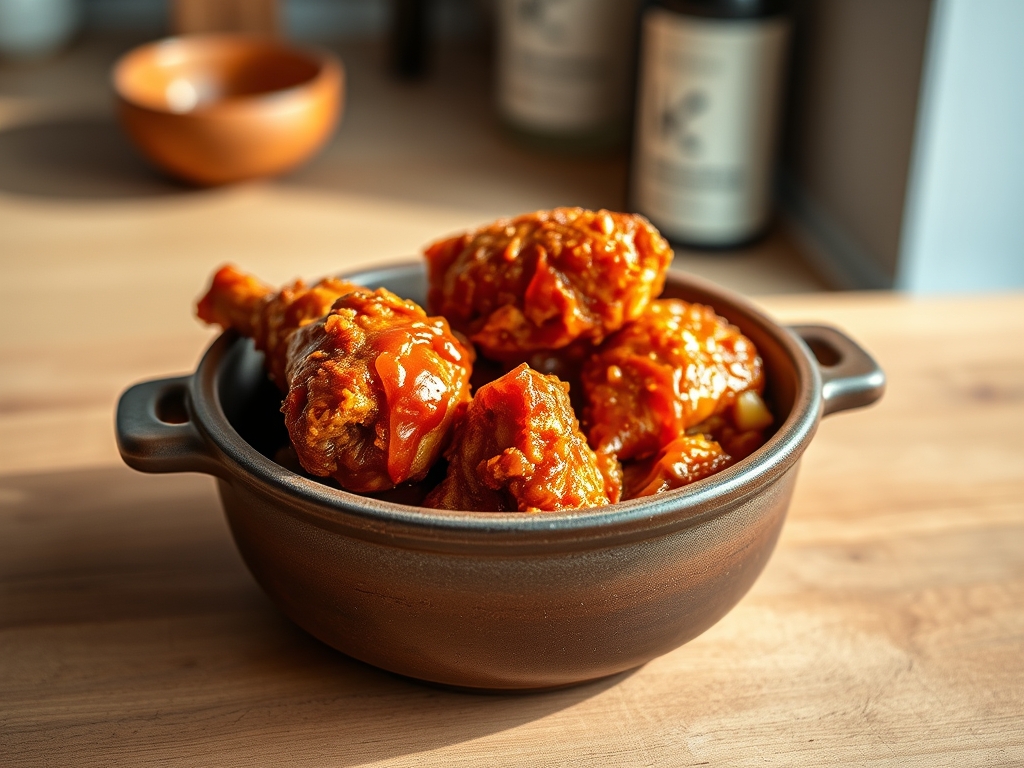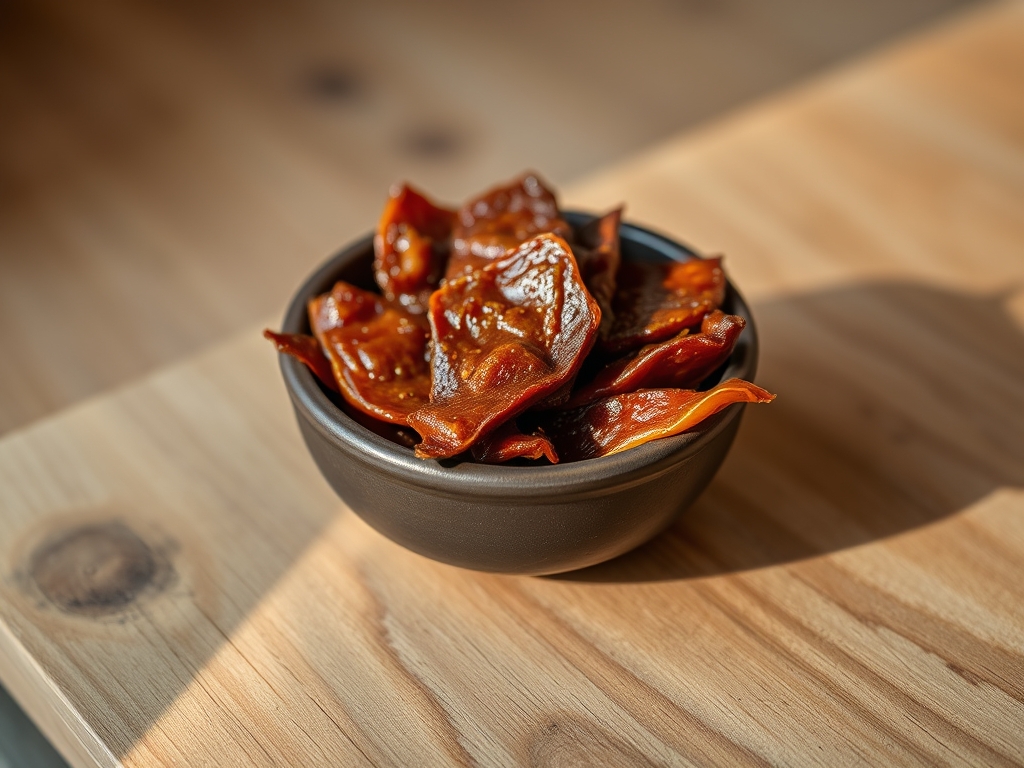
The scent of charred bird and fermented chili is not just a kitchen aroma; it is a high-velocity collision of geography and chemistry. When we discuss Peri Peri Chicken, we are navigating a complex thermal map that stretches from the volcanic soils of Mozambique to the high-heat industrial rotisseries of the modern culinary world. This is not a dish for the faint of heart or the imprecise of hand. It is a rigorous exercise in acid management and lipid emulsification. To master Peri Peri Chicken, one must understand that the African Bird's Eye chili is more than a heat source; it is a chemical catalyst that triggers a specific endorphin response while simultaneously tenderizing protein fibers through its unique pH profile. We are looking for that perfect, jagged edge of flavor where the smoke of the grill meets the piquant brightness of a vinegar-based emulsion. If your kitchen does not currently smell like a beautiful, citrus-infused wildfire, you are simply not doing it right. Prepare for a full-scale infrastructure audit of your poultry protocol.
THE DATA MATRIX
| Metric | Specification |
|---|---|
| Prep Time | 45 Minutes (Excluding Marination) |
| Execution Time | 35 Minutes |
| Yield | 4 Adult Servings |
| Complexity (1-10) | 7 (Precision Heat Management) |
| Estimated Cost per Serving | $4.50 – $6.00 USD |
THE GATHERS
Ingredient Protocol:
- 1.8kg / 4lb Whole Chicken (Spatchcocked)
- 60ml / 1/4 cup Extra Virgin Olive Oil
- 80ml / 1/3 cup Fresh Lemon Juice
- 60ml / 1/4 cup Red Wine Vinegar
- 10-12 African Bird's Eye Chilies (Fresh)
- 6 cloves / 30g Fresh Garlic
- 15g / 1 tbsp Smoked Paprika
- 10g / 2 tsp Sea Salt
- 5g / 1 tsp Dried Oregano
- 2g / 1/2 tsp Xanthan Gum (Optional stabilizer)
Section A: Ingredient Quality Audit:
The primary failure point in Peri Peri Chicken is the use of oxidized or pre-ground spices. If your paprika smells like dusty cardboard, your flavor profile will collapse into a singular, flat note. Technical Fix: Toast your dried spices in a dry saucier for 45 seconds before blending to release essential oils. Furthermore, if your chilies lack the necessary viscous interior, they are likely aged and will provide heat without the requisite fruitiness. Always opt for firm, glossy peppers. If using frozen chilies, ensure they are fully thawed and patted dry to avoid introducing excess water into your emulsion, which would prevent the marinade from adhering to the lipid-rich chicken skin.
THE MASTERCLASS
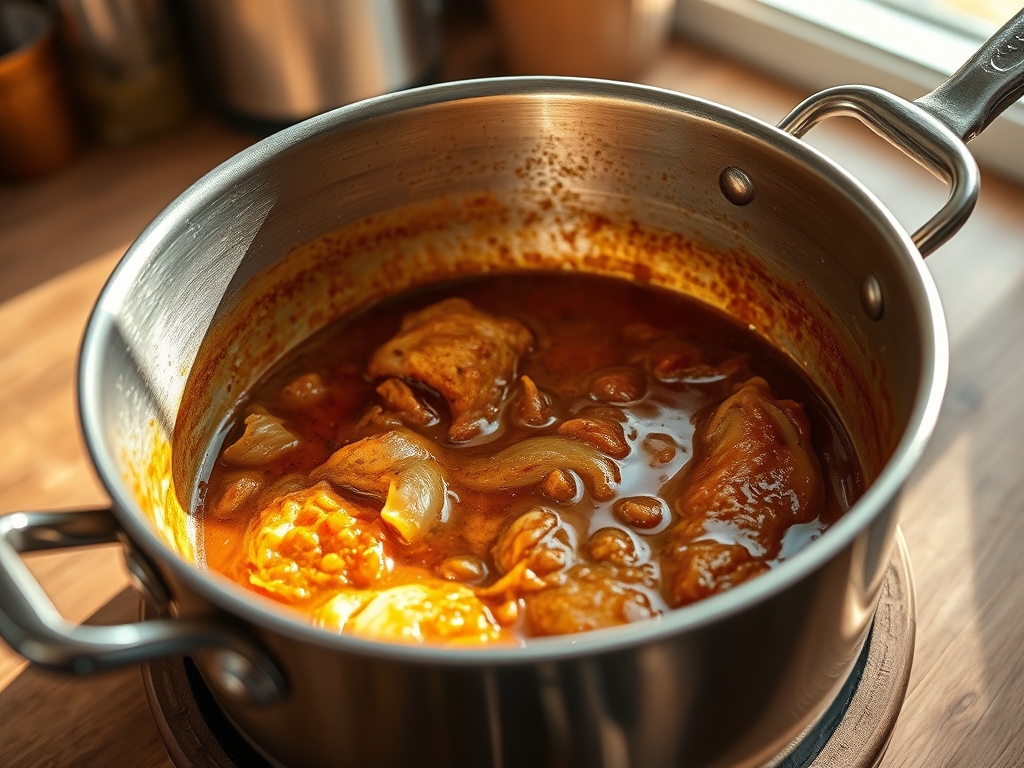
1. Architectural Spatchcocking
Use heavy-duty poultry shears to remove the backbone of the bird. Lay it flat and apply pressure to the breastbone until it cracks. This increases the surface area for the Maillard reaction and ensures even thermal distribution. Pro Tip: Use a bench scraper to clear the board of any bone fragments or connective tissue immediately to maintain a sterile, efficient workspace.
2. The High-Shear Emulsion
Combine chilies, garlic, lemon juice, vinegar, and oil in a high-speed blender. Process until the mixture is fully homogenized. The goal is to aerate the sauce while creating a stable suspension of solids in liquid. Pro Tip: Use a digital scale to measure your ingredients by weight rather than volume; even a 5-gram variance in chili weight can drastically alter the Scoville profile of the final dish.
3. The Molecular Marination
Place the chicken in a vacuum bag or non-reactive container and submerge in 70% of the sauce. Reserve the remaining 30% for basting. Allow the acid to penetrate the muscle fibers for at least 6 hours, but no more than 24. Pro Tip: The acetic acid in the vinegar begins to denature protein structures; over-marinating will result in a mushy texture rather than a succulent one.
4. Thermal Execution
Preheat your grill or cast-iron griddle to 200C (400F). Sear the chicken skin-side down first to render the subcutaneous fat. This fat will act as a heat-transfer medium, crisping the skin. Pro Tip: Use an infrared thermometer to verify that your cooking surface has no cold spots before the bird makes contact.
5. The Basting Phase
As the chicken reaches an internal temperature of 65C (150F), begin applying the reserved sauce. The sugars in the lemon and peppers will begin to caramelize, creating a deep, mahogany glaze. Pro Tip: Use a silicone basting brush to ensure even coverage without stripping away the charred crust you worked so hard to build.
Section B: Prep & Timing Fault-Lines:
The most common human error is "The Stall," where the cook pulls the chicken too early due to fear of burning the skin. If the skin is darkening too fast, move the bird to indirect heat rather than removing it. Use a digital probe thermometer to track the internal temperature. If you hit 74C (165F) too quickly, the collagen will not have time to convert into gelatin, resulting in a rubbery texture. Slow down the process by adjusting your air intake on the grill or lowering the rack height.
THE VISUAL SPECTRUM
Section C: Thermal & Visual Troubleshooting:
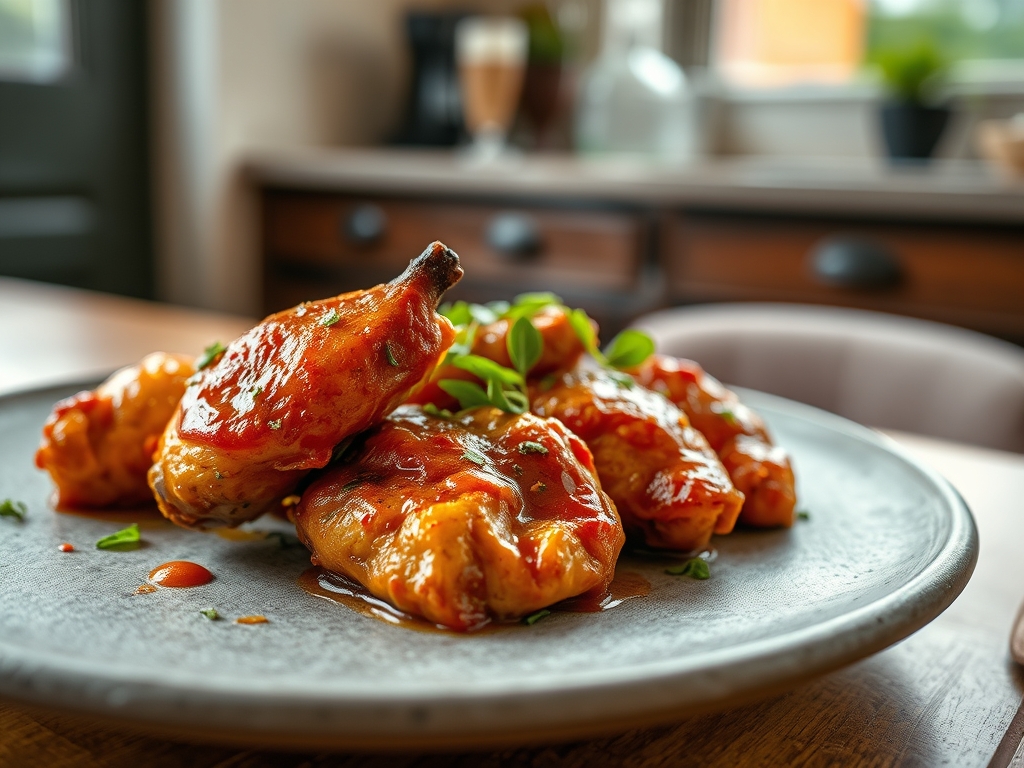
Observe the Masterclass photo above. Note the specific "leopard spotting" on the skin; this is the hallmark of a successful Peri Peri Chicken. If your bird looks pale or "steamed," your cooking surface was not hot enough or was overcrowded, leading to moisture entrapment. If the sauce looks broken or oily on the plate, your emulsion failed. Technical Fix: To restore a broken sauce, whisk in a teaspoon of warm water or a pinch of lecithin to re-bind the fats and solids. Dull color usually indicates a lack of acidity; a final spritz of fresh lemon juice will brighten the pigments and the flavor profile simultaneously.
THE DEEP DIVE
Macro Nutrition Profile:
A standard 250g serving provides approximately 450 calories, 35g of protein, 32g of fat, and 4g of carbohydrates. The high capsaicin content from the chilies may provide a temporary metabolic spike, though the primary nutritional value lies in the high-quality amino acids and Vitamin C from the citrus and peppers.
Dietary Swaps:
- Vegan: Substitute chicken with thick-cut cauliflower steaks or firm tofu. Reduce marination time to 1 hour to prevent the vegetable structure from collapsing.
- Keto: This recipe is naturally Keto-compliant. Ensure your red wine vinegar has no added sugars.
- GF: Naturally gluten-free. Ensure your smoked paprika is certified free of cross-contamination.
Meal Prep & Reheating Science:
To maintain molecular structure when reheating, avoid the microwave. The high-frequency waves agitate water molecules, turning the skin flaccid. Instead, use an air fryer or oven at 175C (350F) for 8 minutes. This re-activates the fats in the skin, restoring the "crunch" while gently warming the interior protein without overcooking it.
THE KITCHEN TABLE
Why is my Peri Peri sauce too bitter?
Bitterness usually stems from blending the lemon pith or over-toasting the garlic. Ensure you only use juice and zest, and keep your garlic fresh. A tiny pinch of salt can also suppress bitter receptors on the tongue.
Can I use dried chilies instead of fresh?
Yes, but you must rehydrate them in warm water first. Note that dried chilies offer a deeper, smokier flavor but lack the vibrant, piquant acidity of fresh Bird's Eye peppers. Adjust your vinegar levels accordingly.
How do I get the skin extra crispy?
Dry the chicken skin thoroughly with paper towels before marinating. You can also add a teaspoon of baking powder to your dry rub; this raises the pH level and accelerates the browning process during the initial sear.
Is there a substitute for Bird's Eye chilies?
Habaneros offer a similar heat level but a more floral profile. Thai chilies are the closest structural match. If you must use milder peppers, increase the quantity and add a pinch of cayenne to maintain the technical heat requirements.