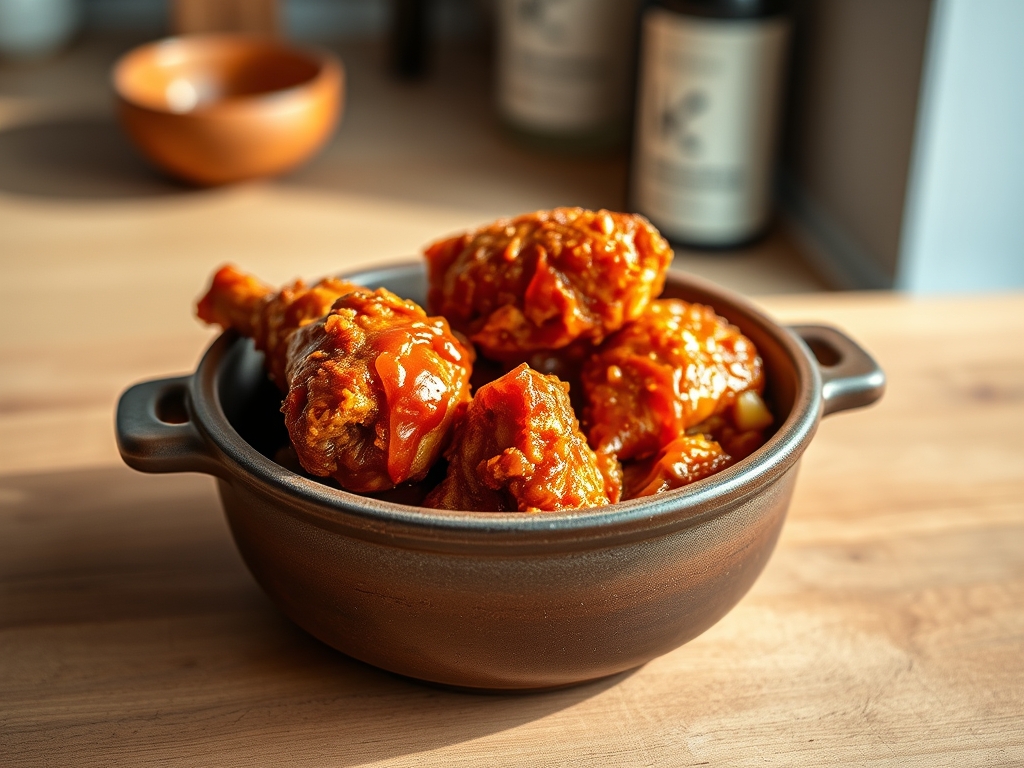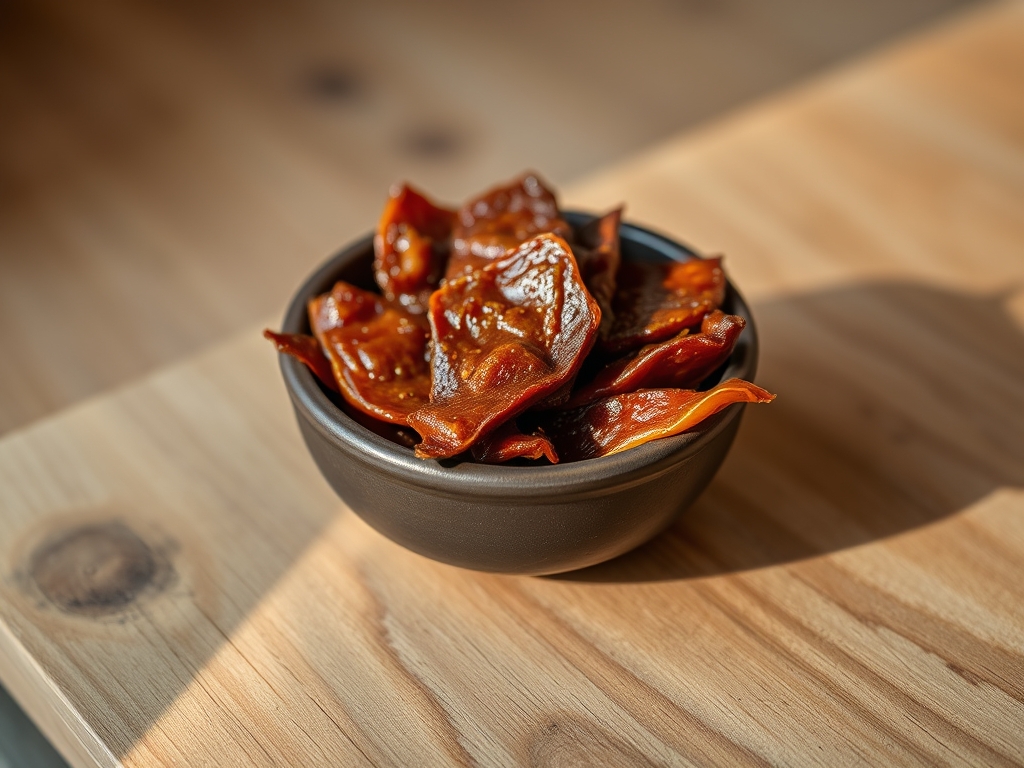
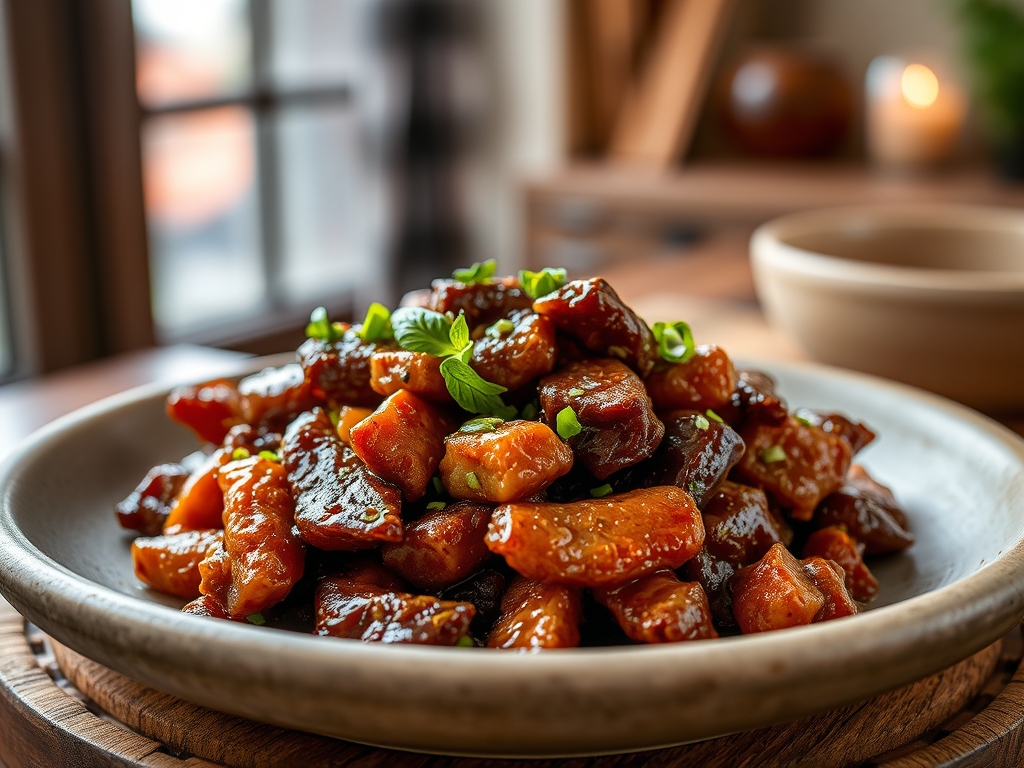
Your tongue is not malfunctioning; it is merely experiencing a high-velocity neurological hijack. When you engage with a properly executed Szechuan Beef, you are not just eating dinner. You are participating in a chemical warfare of the senses where the primary weapon is hydroxy alpha sanshool. This unique molecule, found in the Szechuan peppercorn, does not trigger heat receptors like a standard chili. Instead, it vibrates the tactile sensors of your mouth at a frequency of approximately 50 Hertz. It creates a numbing, tingling sensation known as "ma" that paves the way for the "la," or the fiery capsaicin kick. The goal here is a dish that balances this vibration with the deep, savory Maillard reactions of velveted beef and the sharp, piquant notes of fermented bean paste. If you are looking for a mild stir-fry, you have wandered into the wrong laboratory. We are here to engineer a masterpiece of texture, heat, and vibration that will leave your palate permanently upgraded.
THE DATA MATRIX
| Metric | Specification |
|---|---|
| Prep Time | 25 minutes |
| Execution Time | 8 minutes |
| Yield | 4 Servings |
| Complexity | 7/10 |
| Estimated Cost per Serving | $6.50 |
THE GATHERS
Ingredient Protocol:
- 500g / 1.1 lbs Flank Steak, sliced against the grain into thin strips
- 15ml / 1 tbsp Shaoxing Rice Wine
- 10g / 2 tsp Cornstarch (for velveting)
- 30ml / 2 tbsp Light Soy Sauce
- 15ml / 1 tbsp Dark Soy Sauce (for color)
- 20g / 4 tsp Szechuan Peppercorns, toasted and crushed
- 10-15 Dried Red Chilis, snipped into halves
- 30g / 2 tbsp Doubanjiang (Spicy Bean Paste)
- 50g / 1.7 oz Ginger, julienned
- 40g / 1.4 oz Garlic, minced
- 200g / 7 oz Celery or Bell Peppers, sliced for crunch
- 60ml / 4 tbsp Peanut Oil or Grapeseed Oil (High smoke point)
Section A: Ingredient Quality Audit:
The most common failure point in Szechuan Beef is the use of stale peppercorns. If your peppercorns look dull and grey, they have lost their essential oils and will provide zero vibration. To fix this, always purchase whole husks and toast them in a dry saucier until fragrant before grinding. Another audit point is the beef texture. If the meat is tough, your "velveting" process failed. Ensure you use cornstarch and a splash of liquid to create a protective barrier that prevents the proteins from tightening during high-heat exposure. If your Doubanjiang is too salty, reduce the added soy sauce; the fermentation process varies by brand, so taste a small amount of the paste before committing to the full measurement.
THE MASTERCLASS
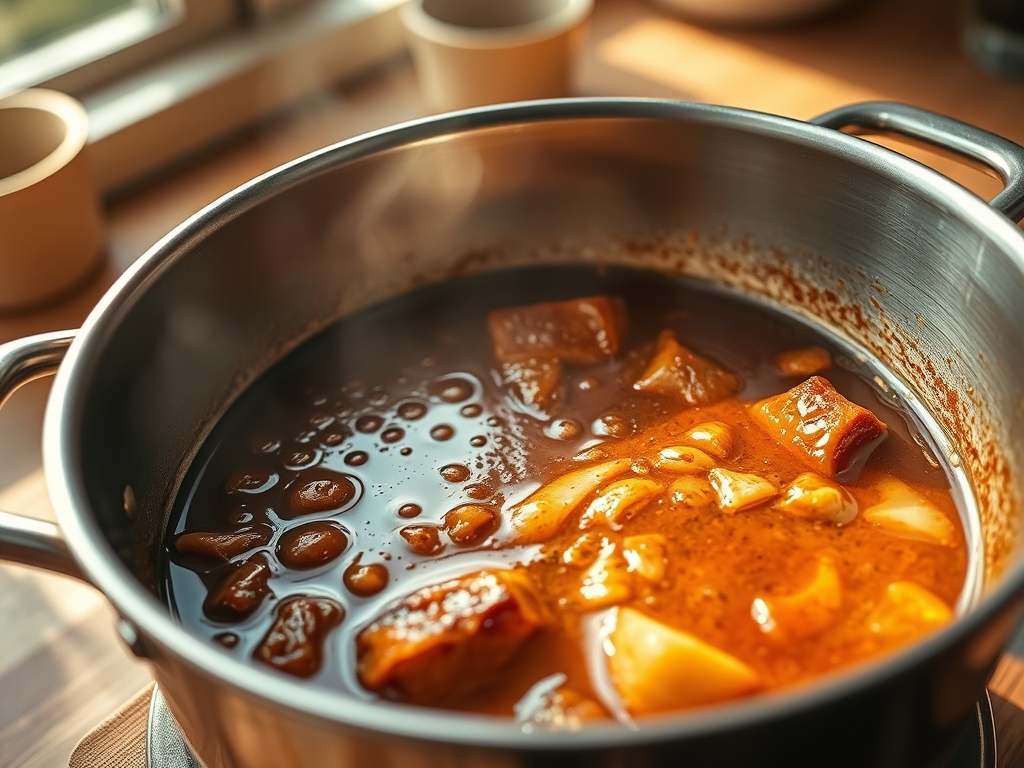
1. The Velveting Protocol
Place your sliced beef into a stainless steel mixing bowl. Add the Shaoxing wine, light soy sauce, and cornstarch. Use your hands to massage the liquid into the fibers until the mixture becomes viscous and tacky. This creates a gelatinous coating that protects the delicate proteins from the brutal heat of the wok.
Pro Tip: Use a digital scale to measure your cornstarch precisely. Too much starch creates a gummy exterior; too little results in dry, leathery meat. The science here is about starch gelatinization, which traps moisture inside the protein structure.
2. The Aromatics Infusion
Heat your wok until it begins to smoke. Add the oil and immediately toss in the dried chilis and toasted peppercorns. You are looking to infuse the oil with the fat-soluble compounds of the spices without burning them. This should take no more than 30 seconds.
Pro Tip: Use a long-handled wok spatula to keep the spices moving constantly. If the chilis turn black, they will taste bitter. You want a deep burgundy hue that signals the release of essential oils into the cooking medium.
3. High-Velocity Searing
Push the aromatics to the side and add the beef in a single layer. Let it sit undisturbed for 45 seconds to encourage a deep Maillard reaction. Once a crust has formed, begin to toss the meat aggressively.
Pro Tip: A heavy-bottomed carbon steel wok is your best tool here. It has the thermal mass required to maintain high temperatures when the cold meat is added. This prevents the beef from stewing in its own juices.
4. The Flavor Integration
Add the ginger, garlic, and Doubanjiang. Stir-fry until the oil turns a bright, vibrant red. This indicates the pigments and flavors of the bean paste have fully emulsified into the oil. Add your vegetables and the dark soy sauce for that signature mahogany finish.
Pro Tip: Use a bench scraper to keep your prep area clean as you move through these fast-paced steps. Speed is the essence of wok hei, the "breath of the wok," which requires rapid movement and intense heat.
5. The Final Reduction
Toss everything together one last time, ensuring the sauce is viscous enough to cling to every strip of beef. If the pan looks dry, add a tablespoon of water or stock to deglaze the bottom and incorporate those caramelized bits back into the sauce.
Pro Tip: Check the internal temperature of the beef with an instant-read thermometer if you are unsure. You are looking for 145 degrees Fahrenheit for a perfect medium-tender result.
Section B: Prep & Timing Fault-Lines:
Timing is the silent killer in Szechuan cooking. If you stop to mince garlic while the chilis are in the wok, you have already lost. This is a "mise en place" mandatory zone. All ingredients must be measured and within arm's reach. If your wok is not hot enough, the beef will shed water, the temperature will drop, and you will end up with "boiled" beef. If this happens, remove the meat immediately, drain the liquid, reheat the wok until smoking, and start the searing process again with fresh oil.
THE VISUAL SPECTRUM
Section C: Thermal & Visual Troubleshooting:
Referencing the Masterclass photo, your Szechuan Beef should exhibit a high-gloss sheen. This is not just for aesthetics; it indicates a proper emulsion of fats and sugars. If your dish looks dull or "matte," you likely overcooked the cornstarch or lacked enough oil to carry the sauce. The color should be a deep, rich red-brown. If it is too pale, your dark soy sauce was under-measured or your heat was too low to trigger the Maillard reaction. The vegetables must retain a vibrant color and a distinct "snap." If they look limp or translucent, they were added too early or the wok was overcrowded, leading to steaming rather than searing.
THE DEEP DIVE
Macro Nutrition Profile (Per Serving):
- Calories: 420 kcal
- Protein: 38g
- Fats: 22g (primarily monounsaturated if using peanut oil)
- Carbohydrates: 12g
- Sodium: 1,150mg (High due to fermented pastes)
Dietary Swaps:
- Vegan: Replace beef with extra-firm pressed tofu or seitan. Use "No-Fish" sauce and ensure the Doubanjiang is vegan-certified.
- Keto: Omit the cornstarch and sugar. Use a pinch of xanthan gum to thicken the sauce and replace Shaoxing wine with dry sherry.
- Gluten-Free: Substitute soy sauce with Tamari and ensure your bean paste is labeled gluten-free (some use wheat flour as a thickener).
Meal Prep & Reheating Science:
To maintain the molecular structure when reheating, avoid the microwave. The high-frequency waves will turn the velveted beef into rubber. Instead, use a skillet over medium heat with a teaspoon of water. This creates steam that gently re-hydrates the starch barrier without overcooking the protein core.
THE KITCHEN TABLE
Why is my Szechuan Beef not numbing?
Your peppercorns are likely old or weren't toasted. The hydroxy alpha sanshool is volatile and degrades over time. Always toast whole peppercorns in a dry pan until they become aromatic to "wake up" the numbing compounds before grinding.
Can I use a different cut of beef?
Yes, sirloin or ribeye work beautifully. The key is thin slicing against the grain. If you use a tougher cut like chuck, you must extend the marination time to allow the enzymes in the soy sauce to tenderize the fibers.
What if I can't find Doubanjiang?
You can substitute with a mix of sambal oelek and an extra splash of soy sauce, but you will miss the fermented depth. Doubanjiang is the soul of Szechuan cuisine; it is worth the search at a specialty market.
How do I prevent the dried chilis from burning?
Add them to the oil when it is hot but not yet at the smoking point. Watch them like a hawk. As soon as they darken slightly and smell toasted, move to the next step. Speed is your best defense.