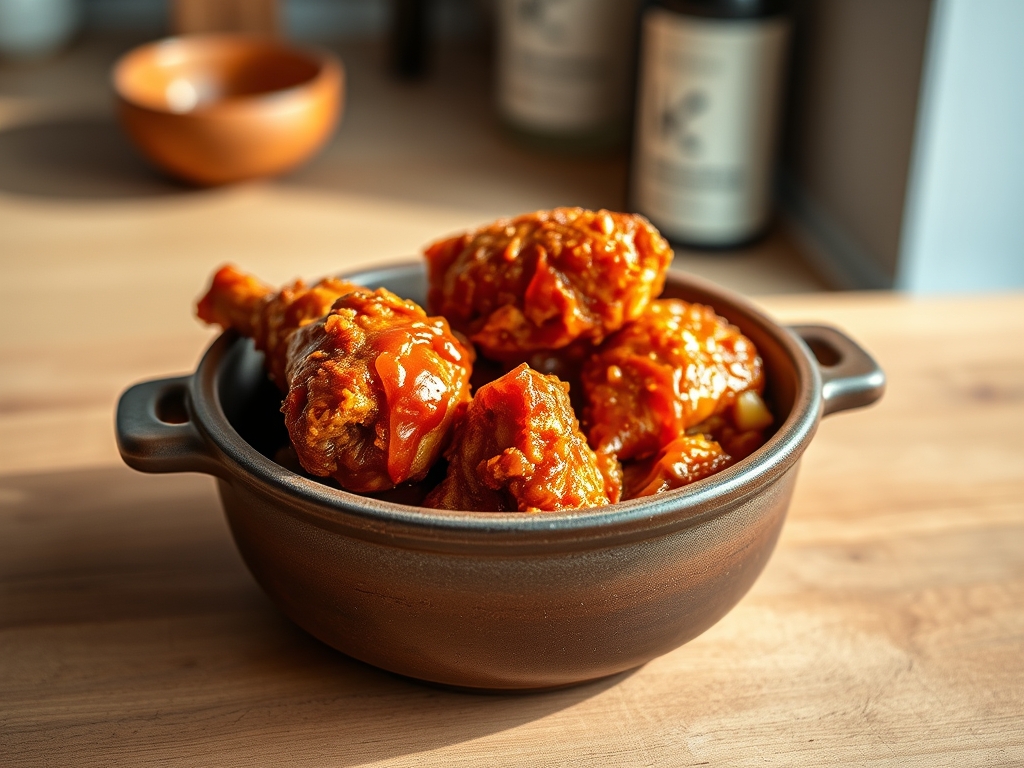
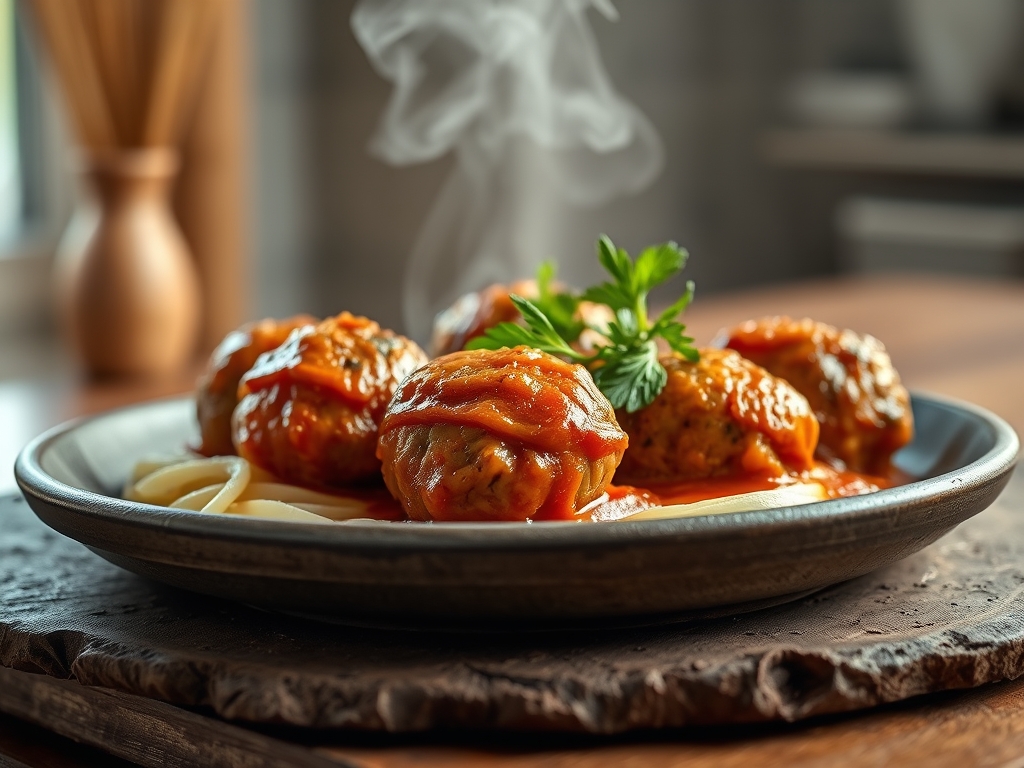
The kitchen is a laboratory of thermal dynamics where lean protein often goes to die a dry, chalky death. We are here to prevent that tragedy through the strategic deployment of Buffalo Turkey Meatballs. Imagine the scent of piquant cayenne vinegar atomizing in the air as it hits a hot saucier. Picture the golden, Maillard-driven crust of a perfectly seared sphere yielding to a moist, aerated interior. This is not just a meal; it is a high-efficiency delivery system for capsaicin and amino acids. Turkey breast is notoriously unforgiving due to its lack of intermuscular fat. However, when we manipulate the moisture matrix with the right binders and aromatic infusions, we transform a bland bird into a flavor powerhouse. This audit focuses on the intersection of lean mass and high-impact heat. We are optimizing for texture, speed, and that specific endorphin rush that only a balanced buffalo sauce can provide. Prepare your station; we are about to recalibrate your expectations of poultry.
THE DATA MATRIX
| Metric | Specification |
|---|---|
| Prep Time | 15 Minutes |
| Execution Time | 20 Minutes |
| Yield | 24 Units (approx. 4-6 servings) |
| Complexity (1-10) | 3 |
| Estimated Cost per Serving | $2.75 |
THE GATHERS
Ingredient Protocol:
- 450g / 1 lb Lean Ground Turkey (93/7 ratio preferred)
- 60g / 1/2 cup Panko Breadcrumbs
- 1 Large Egg (approx. 50ml)
- 30ml / 2 tbsp Whole Milk
- 3g / 1 tsp Garlic Powder
- 3g / 1 tsp Onion Powder
- 2g / 0.5 tsp Smoked Paprika
- 15g / 1 tbsp Fresh Chives, finely minced
- 120ml / 1/2 cup Buffalo Hot Sauce (vinegar-based)
- 30g / 2 tbsp Unsalted Butter, chilled
- 15ml / 1 tbsp Avocado Oil (for searing)
Section A: Ingredient Quality Audit:
If your ground turkey appears gray or emits a sulfurous odor, the protein has begun to degrade; discard it immediately. For turkey that is too "wet" or mushy, do not simply add more breadcrumbs, as this will result in a dense, bread-heavy puck. Instead, spread the meat on a sheet pan and pat it dry with lint-free paper towels to remove surface moisture before mixing. If your buffalo sauce is separated or excessively watery, it lacks the necessary xanthum gum or emulsifiers. You can fix this during the reduction phase by whisking in cold butter cubes slowly to create a viscous mounting.
THE MASTERCLASS
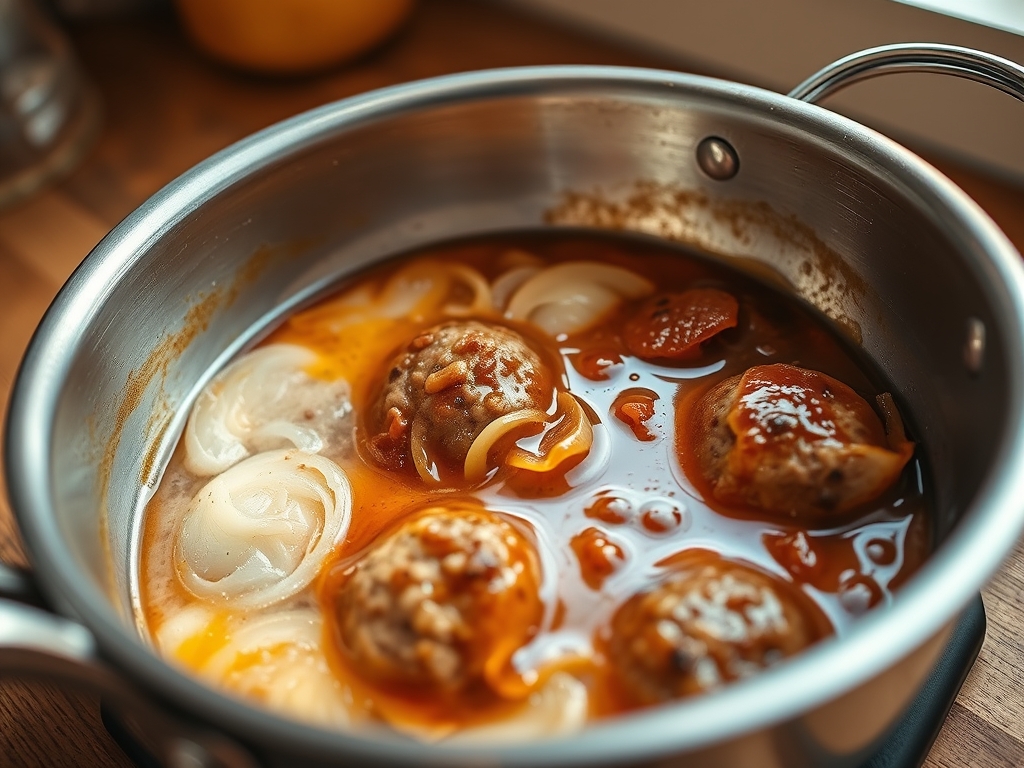
Step-by-Step Execution:
1. The Panade Integration
In a large stainless steel mixing bowl, combine the panko, milk, and egg. Allow this to sit for five minutes until it forms a paste.
Pro Tip: This is a panade. By pre-hydrating the starch, you create a moisture reservoir that prevents the turkey proteins from tightening too much during the cook. Use a digital scale to ensure the ratio of liquid to breadcrumb is precise.
2. The Protein Amalgamation
Add the ground turkey, garlic powder, onion powder, paprika, and chives to the panade. Use a bench scraper or your hands to fold the mixture until just combined. Do not overwork the meat.
Pro Tip: Over-mixing causes the proteins to cross-link and toughen. To keep the meatballs light, aerate the mixture by lifting and folding rather than squeezing.
3. Precision Portioning
Using a leveled cookie scoop or a digital scale, portion the mixture into 25g spheres. Wet your hands slightly with cold water to prevent sticking as you roll them.
Pro Tip: Uniformity is the soul of efficiency. If the spheres are uneven, the smaller units will overcook and become dry before the larger units reach a safe internal temperature.
4. The Maillard Execution
Heat a heavy-bottomed cast iron skillet or saucier over medium-high heat with avocado oil. Sear the meatballs in batches, rotating them every 2 minutes until a deep golden crust forms on all sides.
Pro Tip: The Maillard reaction creates complex flavor compounds. Use a digital instant-read thermometer to pull the meatballs when they hit 71C / 160F. They will reach the final 74C / 165F through carryover cooking.
5. The Sauce Emulsification
Lower the heat and add the buffalo sauce to the pan. Use a wooden spoon to deglaze any browned bits (fond) from the bottom. Whisk in the cold butter one cube at a time until the sauce is glossy and thick. Toss the meatballs to coat.
Pro Tip: Adding cold butter to a warm sauce is called "monter au beurre." It creates a stable emulsion that clings to the protein rather than pooling at the bottom of the plate.
Section B: Prep & Timing Fault-Lines:
The most common failure in this protocol is "crowding the pan." If too many meatballs are added at once, the surface temperature of the skillet drops precipitously. Instead of searing, the meat will begin to steam in its own juices, resulting in a rubbery texture and a pale, unappetizing color. Another timing error occurs during the saucing phase. If the sauce is boiled aggressively after the butter is added, the emulsion will "break," leaving you with a greasy orange oil and gritty solids. Maintain a gentle simmer to infuse the flavor without destroying the structure.
THE VISUAL SPECTRUM
Section C: Thermal & Visual Troubleshooting:
Referencing the Masterclass photo, the ideal Buffalo Turkey Meatball should exhibit a vibrant, translucent orange sheen. If your meatballs look dull or "matte," the sauce has likely soaked into the meat or the emulsion has failed. To fix this, add a splash of warm water and a fresh pat of butter to re-emulsify. If the browning is uneven (dark spots next to white patches), your pan was not properly leveled or the oil was not distributed evenly. Ensure a consistent fat layer to facilitate heat transfer. Finally, if the interior looks pink despite reaching the target temperature, this is often a chemical reaction between the poultry and the nitrates in the spices or the acidity of the sauce; trust your thermometer over your eyes.
THE DEEP DIVE
Macro Nutrition Profile
Per serving (approx. 5 meatballs): 280 Calories, 32g Protein, 12g Fat, 8g Carbohydrates. This ratio is optimized for post-hypertrophy recovery, providing high-quality leucine while keeping glycemic impact low.
Dietary Swaps
- Vegan: Replace turkey with a processed plant-based crumble and use a flax egg (15ml ground flax + 45ml water) as the binder. Substitute butter with a plant-based oil spread.
- Keto: Swap panko for 30g of crushed pork rinds or almond flour.
- GF: Use certified gluten-free breadcrumbs or oat flour.
Meal Prep & Reheating Science
To maintain molecular structure during reheating, avoid the microwave, which vibrates water molecules and toughens the protein. Instead, place meatballs in a covered skillet with 15ml of water or chicken stock. Heat on low to create a steam-convection environment that restores moisture to the lean fibers.
THE KITCHEN TABLE
Why are my meatballs falling apart in the pan?
Your binder-to-protein ratio is likely off, or the panade didn't hydrate. Ensure the egg is fully incorporated. If the mixture feels too loose, chill the formed meatballs in the freezer for 10 minutes before searing to set the fats.
Can I bake these instead of searing?
Yes, but you sacrifice the Maillard crust. Bake at 200C / 400F for 12 to 15 minutes. For best results, spray them with oil before baking to simulate the frying effect and encourage browning.
How do I make the sauce extra spicy?
The butter mellows the capsaicin. To increase the "burn," reduce the butter by half and add 2g of cayenne pepper or a teaspoon of ghost pepper flakes during the deglazing phase to render the heat into the fat.
What is the best way to serve these for a crowd?
Keep them in a slow cooker on the "warm" setting. Add a splash of water every hour to prevent the sauce from reducing into a thick paste. Serve with celery sticks to provide a textural contrast.