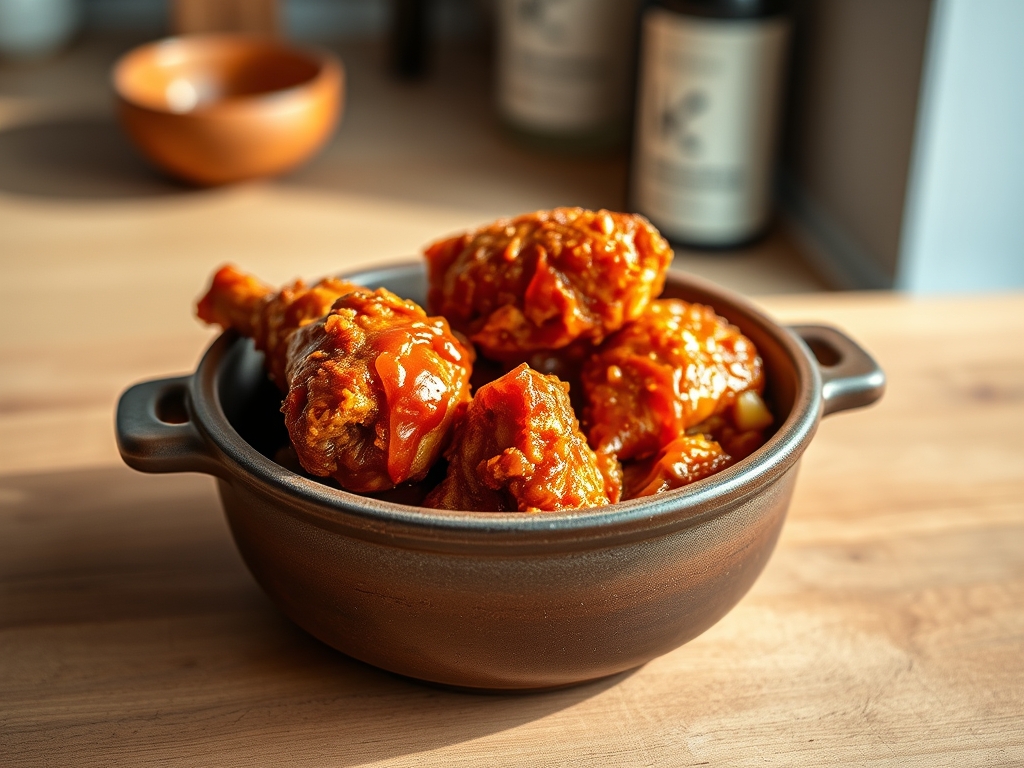
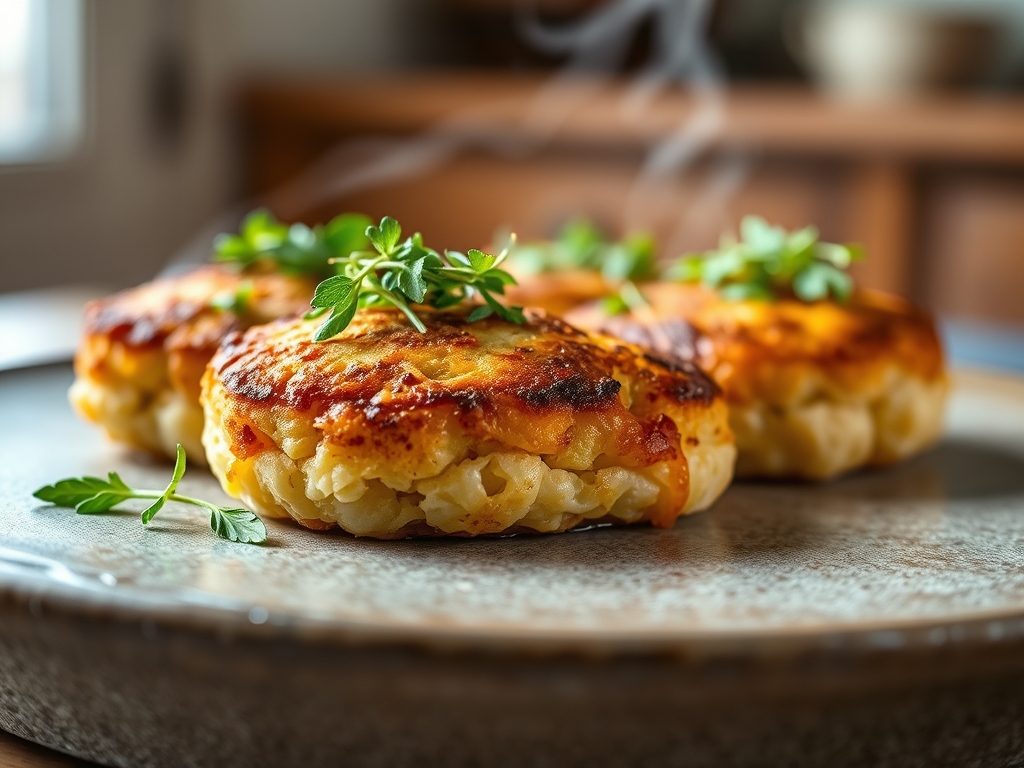
Imagine a kitchen where the stakes are as high as the humidity in a Chesapeake summer. You are standing at the intersection of oceanic delicacy and aggressive heat. This is not just a meal; it is a high-stakes structural engineering project. The goal is to take the flaky, sweet ribbons of lump crab meat and marry them to a piquant profile that demands attention without obliterating the palate. Spicy Crab Cakes are the ultimate test of an auditor's patience. If you overwork the binder, you end up with a rubbery puck. If you under-season, you have a bland mess that lacks character. We are looking for that perfect, golden-brown crust that yields to a center so tender it almost feels structural but dissolves into a buttery, spicy finish. It requires a ruthless commitment to quality and a surgical precision with heat. Prepare your workspace. We are about to execute a recipe that balances the brine of the deep with the fire of the garden.
THE DATA MATRIX
| Metric | Specification |
|---|---|
| Prep Time | 25 minutes |
| Execution Time | 12 minutes |
| Yield | 6 Large Cakes |
| Complexity | 7/10 |
| Estimated Cost per Serving | $12.50 |
THE GATHERS
Ingredient Protocol:
- 454g / 1 lb Jumbo Lump Crab Meat (Hand-picked)
- 120ml / 0.5 cup Panko breadcrumbs (Toasted)
- 60ml / 0.25 cup High-fat Mayonnaise
- 15ml / 1 tbsp Dijon Mustard
- 1 Large Egg (Room temperature)
- 10ml / 2 tsp Sriracha or fermented chili paste
- 5g / 1 tsp Smoked Paprika
- 2g / 0.5 tsp Cayenne Pepper
- 30g / 2 tbsp Fresh Chives (Minced)
- 1 Lemon (Zested and juiced)
- 15ml / 1 tbsp Clarified Butter or Ghee for searing
Section A: Ingredient Quality Audit:
The primary failure point in Spicy Crab Cakes is the moisture content of the crab itself. If your crab meat is sitting in a pool of liquid, your cakes will disintegrate upon contact with the heat. Audit Protocol: Drain the crab in a fine-mesh sieve for ten minutes before use. If the meat smells overly "fishy" rather than like a fresh breeze, it has begun to oxidize. You can mitigate minor oxidation by rinsing the meat in cold milk for five minutes and then patting it bone-dry; however, for a premium audit, always source fresh, pasteurized lump meat. Another common flaw is using "light" mayonnaise. This lacks the viscous stability required to emulsify with the egg, leading to a greasy texture. Always use full-fat, egg-heavy mayonnaise to ensure a stable protein matrix.
THE MASTERCLASS
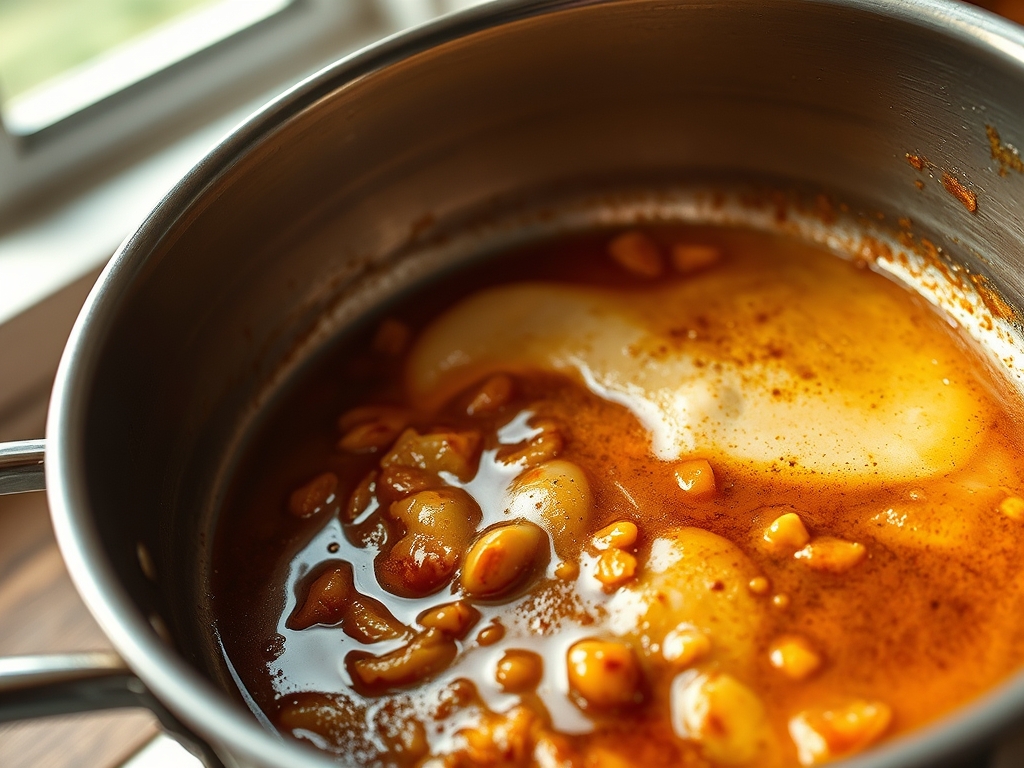
1. The Emulsion Foundation
In a small stainless steel saucier, whisk the egg, mayonnaise, mustard, sriracha, and spices until the mixture is completely homogenous. This creates the chemical glue that will hold your delicate crab together without requiring excessive fillers.
Pro Tip: Use a digital scale to measure your ingredients by weight rather than volume. In the world of high-end culinary physics, 60ml of mayo is more precise than a "heaping scoop," ensuring the binder-to-protein ratio remains perfect every time.
2. The Gentle Fold
Place the crab meat in a wide glass bowl. Sprinkle the panko and chives over the top. Pour the spicy emulsion over the crab. Using a silicone spatula, fold the mixture with extreme care. You want to coat every piece of crab without breaking the large, expensive lumps.
Pro Tip: Treat the crab like a soufflé. If you over-mix, you release the proteins into a paste, destroying the airy, flaky texture that defines a world-class crab cake.
3. The Chilled Stabilization
Form the mixture into six even mounds. Place them on a parchment-lined sheet pan and refrigerate for at least 30 minutes. This is non-negotiable. The cold allows the panko to hydrate and the proteins to set.
Pro Tip: Use a bench scraper to lift and shape the cakes. This tool provides a flat surface that prevents your warm hands from melting the fats in the binder, which would compromise the structural integrity during the sear.
4. The Thermal Execution
Heat a heavy cast-iron skillet over medium-high heat. Add the clarified butter. Once the fat begins to shimmer, carefully place the cakes in the pan. Sear for 4 minutes per side until a deep, mahogany crust forms.
Pro Tip: Clarified butter has a higher smoke point than whole butter because the milk solids have been removed. This allows you to achieve a perfect Maillard reaction (browning) without the bitter taste of burnt carbon.
Section B: Prep & Timing Fault-Lines:
The most frequent human error is "The Crowded Pan." If you attempt to sear all six cakes at once in a small skillet, the surface temperature of the pan will plummet. This causes the cakes to steam rather than sear, leading to a pale, mushy exterior. Work in batches. Another timing trap is flipping too early. If the cake sticks to the pan, the crust has not yet fully formed. Wait for the protein to naturally release from the surface. If your kitchen is running hot, keep the crab mixture over an ice bath while you prep to prevent the fats from becoming too viscous and leaking out of the cakes before they hit the heat.
THE VISUAL SPECTRUM
Section C: Thermal & Visual Troubleshooting:
Look closely at the Masterclass photo. You should see distinct, large chunks of white meat peeking through a vibrant, orange-hued crust. If your cakes look uniform and beige, you have over-mixed or under-spiced. If the edges are black but the center is cold, your heat was too high; you need to lower the flame and allow the internal temperature to reach 145 degrees Fahrenheit. Dull colors suggest your spices are old or you skipped the lemon zest. Fresh zest provides a visual "pop" and cuts through the richness of the fat. If the cakes are falling apart, your panko was likely too coarse. Use a food processor to aerate and slightly break down the panko before folding it in for better coverage.
THE DEEP DIVE
Macro Nutrition Profile:
A single serving of these Spicy Crab Cakes (one large cake) provides approximately 220 calories, 18g of protein, 12g of fat, and 8g of carbohydrates. The high protein content makes this an excellent choice for metabolic health, provided the binder is kept in check.
Dietary Swaps:
- Vegan: Replace crab with shredded hearts of palm and use a flax-egg with vegan mayo.
- Keto: Swap panko for crushed pork rinds or almond flour to eliminate the carb load.
- GF: Utilize certified gluten-free breadcrumbs or coconut flour.
Meal Prep & Reheating Science:
To maintain the molecular structure when reheating, avoid the microwave at all costs. The microwave agitates water molecules, which will turn your crisp crust into a soggy sponge. Instead, use an air fryer at 350 degrees Fahrenheit for 4 minutes. This recirculates hot air to render any residual fats and recrisp the exterior while gently warming the delicate interior.
THE KITCHEN TABLE
Why are my crab cakes mushy?
Usually, this is due to excess moisture in the crab meat or too much mayonnaise. Always drain your crab thoroughly and measure your binder precisely to ensure the cake holds its shape during the searing process.
Can I bake these instead of frying?
Yes, though you will lose some of the crust's textural contrast. Bake at 400 degrees Fahrenheit for 15 minutes. Brush the tops with melted butter halfway through to encourage browning and flavor development.
What is the best spice for "Bold Heat"?
While Sriracha is excellent for a fermented tang, adding finely minced habanero or a dash of ghost pepper flakes will elevate the heat profile significantly. Just ensure the heat does not mask the crab's natural sweetness.
How long can I store the raw mixture?
The raw mixture should be used within 24 hours. Because it contains raw egg and seafood, the risk of bacterial growth increases quickly. For best results, form the cakes and cook them immediately after the 30-minute chill.