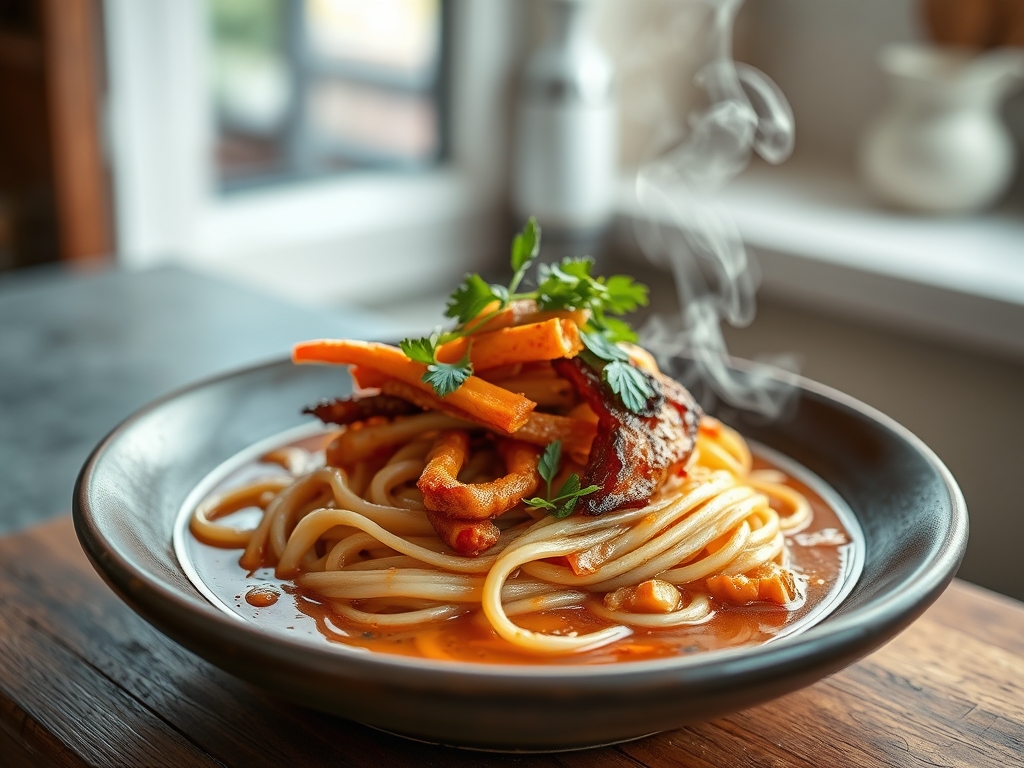
Listen to the sound of the carbon steel screaming. If your kitchen does not sound like a jet engine during takeoff; you are not cooking; you are merely warming things up. This 15 Min Spicy Stir Fry is not a leisurely weekend project; it is a high-stakes exercise in kinetic energy and thermodynamic control. We are aiming for the specific sensory profile of a street-side stall in Chengdu: the sharp, piquant sting of dried chilies meeting the deep, savory bass note of fermented soy. The goal is to achieve the elusive breath of the wok; a complex smoky aroma born from the combustion of oil droplets in high-heat suspension. Every second counts. If you faff around with a dull knife or a cold pan; the vegetables will weep and the protein will toughen into rubber. This protocol demands precision; speed; and a total lack of fear. We are here to manipulate heat to create a viscous; glossy sauce that clings to every surface without drowning the integrity of the crunch.
THE DATA MATRIX
| Metric | Specification |
|---|---|
| Prep Time | 8 Minutes |
| Execution Time | 7 Minutes |
| Yield | 2 Servings |
| Complexity (1-10) | 7 (Requires high-heat dexterity) |
| Estimated Cost per Serving | $4.25 USD |
THE GATHERS
Ingredient Protocol:
- 340g / 12oz Flank steak or firm tofu; sliced into 3mm strips.
- 30ml / 2 tbsp Neutral oil (Grapeseed or Avocado oil for high smoke point).
- 150g / 2 cups Broccoli florets; trimmed to bite-sized pieces.
- 1 large Red bell pepper; julienned.
- 45ml / 3 tbsp Light soy sauce.
- 15ml / 1 tbsp Dark soy sauce (for pigment and viscosity).
- 10g / 2 tsp Toasted sesame oil.
- 5g / 1 tsp Cornstarch or arrowroot powder.
- 4 cloves Garlic; smashed and minced.
- 20g / 1.5 inch Fresh ginger; grated into a paste.
- 10g / 2 tbsp Dried red chili flakes or Szechuan peppercorns.
Section A: Ingredient Quality Audit:
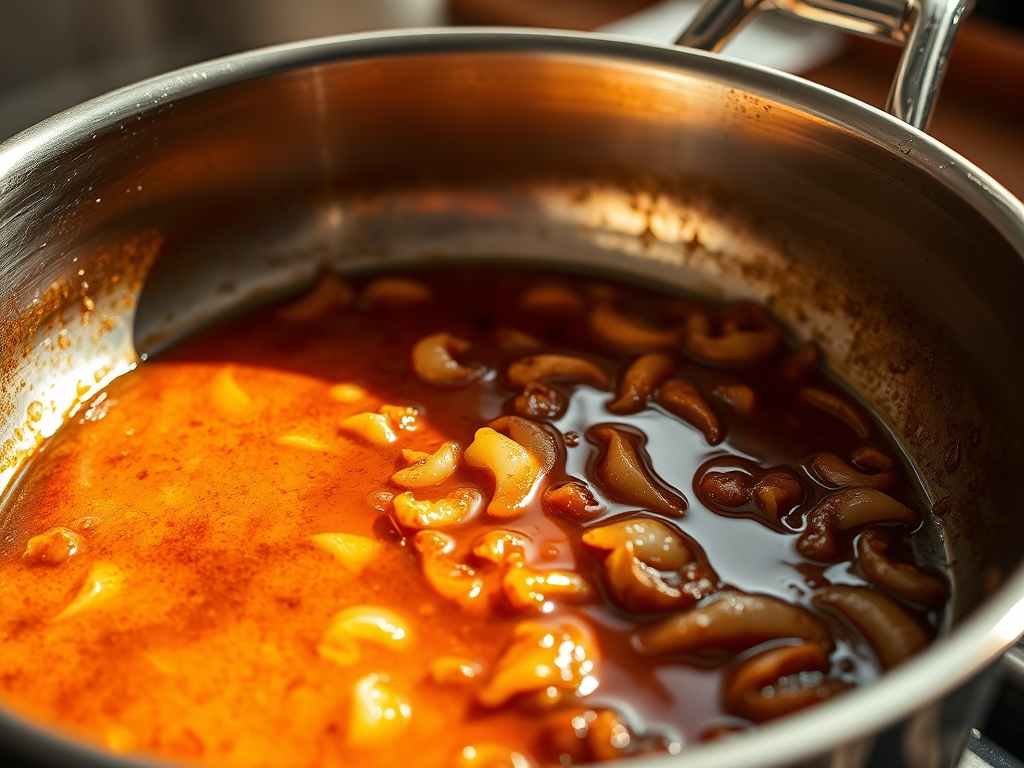
Sub-par materials will collapse under the intense thermal load of this 15 Min Spicy Stir Fry. If your ginger is fibrous and woody; do not attempt to mince it; use a microplane to extract the juice and discard the pulp. If your protein is too wet; it will steam rather than sear. The technical fix is simple: pat the protein dry with paper towels and toss it with a pinch of baking soda 5 minutes before cooking. This raises the pH level on the surface; accelerating the Maillard reaction and ensuring a deep brown crust even at high speeds. If your broccoli looks limp; revive it in an ice bath for 10 minutes to restore turgor pressure within the cell walls.
THE MASTERCLASS
1. The Mise en Place Mandate
Before the flame is even lit; every ingredient must be measured and positioned within arm's reach. Use a digital scale for your liquids to ensure the ratio of salinity to sweetness is mathematically perfect. Arrange your components in the order they hit the pan.
Pro Tip: Professional chefs use a bench scraper to move large volumes of chopped aromatics instantly. This prevents the loss of volatile oils that occurs when you handle ingredients too much with warm hands.
2. Priming the Thermal Vessel
Set your wok or heavy-bottomed cast iron skillet over the highest possible heat. Add the neutral oil only once the pan begins to wisps of blue smoke. Swirl the oil to coat the sides; creating a non-stick surface through polymerization.
Pro Tip: This is known as "longyau" in Cantonese cooking. The science involves creating a temporary hydrophobic barrier that prevents protein fibers from bonding to the microscopic pores of the metal.
3. The Protein Sear and Render
Drop your protein into the center of the heat. Do not stir for the first 60 seconds. You want to render the fats and create a crust. Once a crust forms; use a metal spatula to toss the protein rapidly. Remove the protein from the pan while it is still slightly rare in the center.
Pro Tip: Use a saucier or a small bowl to hold the par-cooked meat. This allows the internal juices to redistribute without making the vegetables soggy in the next step.
4. Aromatics and Aeration
Add a splash more oil if the pan looks dry. Toss in the garlic; ginger; and chilies. You have exactly 15 seconds before the garlic bitters. Move the pan constantly to aerate the aromatics; preventing localized hotspots from burning the delicate sugars.
Pro Tip: If the aromatics begin to brown too quickly; immediately add the vegetables. The moisture released from the cell walls will act as a thermal regulator; dropping the surface temperature just enough to save the garlic.
5. The Vegetable Flash-Fry
Add the broccoli and peppers. Toss violently. We are looking for "tender-crisp" where the exterior is vibrant and hot; but the interior maintains its structural snap.
Pro Tip: Add a teaspoon of water or dry sherry and immediately cover the pan with a lid for 30 seconds. This creates a high-pressure steam environment that cooks the broccoli florets through without losing their neon green hue.
6. Emulsification and Glaze
Return the protein to the pan. Pour in your pre-mixed sauce (soy sauces; sesame oil; and cornstarch). The cornstarch will hydrate and gelatinize instantly. Stir constantly until the sauce becomes viscous and translucent.
Pro Tip: Use a silicone spatula to scrape the bottom of the pan as the sauce thickens. This ensures you incorporate all the "fond" (the browned bits of protein) back into the glaze for maximum umami.
Section B: Prep & Timing Fault-Lines:
The most common failure in a 15 Min Spicy Stir Fry is "crowding the pan." If you dump 500g of cold vegetables into a pan at once; the temperature will plummet; and you will end up with a grey; boiled mess. The fix is to cook in batches. If your stove lacks the BTU output of a commercial range; sear the meat; remove it; sear the vegetables; then combine. Timing is everything; if the sauce is added before the vegetables are 90% cooked; the starch will burn before the broccoli is edible.
THE VISUAL SPECTRUM
Section C: Thermal & Visual Troubleshooting:
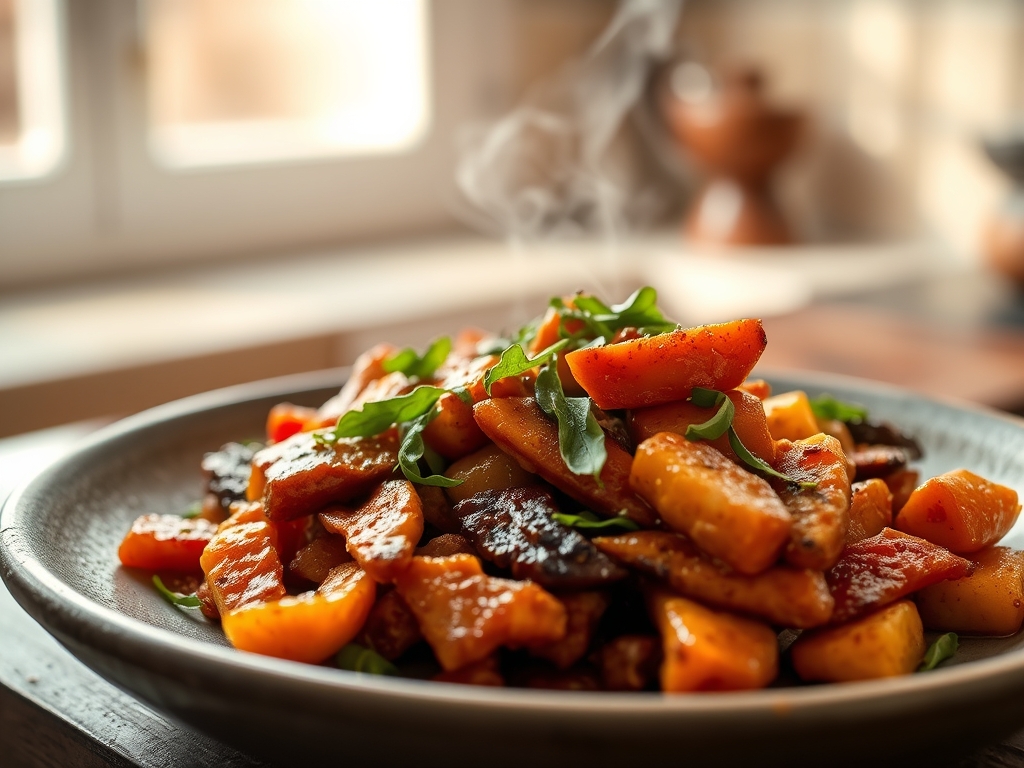
Look at the Masterclass photo: notice the "char" marks on the edges of the peppers and the deep; mahogany sheen of the sauce. If your dish looks pale; you likely skipped the dark soy sauce or failed to let the pan reach the smoke point. If the sauce is watery rather than viscous; your cornstarch slurry was either too thin or didn't reach the 175 degree Fahrenheit threshold required for starch granules to swell and burst. If the colors are dull; you overcooked the vegetables. The broccoli should look like a highlighter pen; not an army fatigue jacket. To fix a dull finish; a final teaspoon of neutral oil tossed in at the very end will provide a "lacquered" look that catches the light.
THE DEEP DIVE
Macro Nutrition Profile:
This dish is a powerhouse of lean protein and micronutrients. Per serving; expect approximately 350 calories; 35g protein; 12g carbohydrates; and 18g fat. The high fiber content from the broccoli ensures a low glycemic load.
Dietary Swaps:
- Vegan: Swap the beef for extra-firm pressed tofu or tempeh. Use a "no-fish" sauce or extra mushroom-based dark soy for that deep umami.
- Keto: Omit the cornstarch and use a pinch of xanthan gum to thicken. Replace the soy sauce with liquid aminos.
- GF: Ensure you use Tamari instead of standard soy sauce; as traditional soy contains wheat.
Meal Prep & Reheating Science:
To maintain the molecular structure when reheating; avoid the microwave. The microwave vibrates water molecules; which turns your crisp vegetables into mush. Instead; flash-fry the leftovers in a hot skillet for 2 minutes with a tablespoon of water to re-hydrate the starch-based glaze.
THE KITCHEN TABLE
Why is my stir fry always watery?
You are likely overcrowding the pan or washing your vegetables right before cooking. Excess surface moisture turns into steam; preventing the sear. Dry your produce thoroughly with a salad spinner or paper towels before they hit the oil.
Can I use olive oil for this?
Absolutely not. Extra virgin olive oil has a low smoke point and will decompose into acrid; bitter compounds at the temperatures required for a proper stir fry. Stick to refined oils like grapeseed; peanut; or canola.
How do I make it "restaurant spicy"?
The secret is to infuse the oil with dried chilies and Szechuan peppercorns at the very beginning. The capsaicin is fat-soluble; so heating it in the oil distributes the heat evenly throughout the entire dish rather than in random bites.
My garlic always burns; what am I doing wrong?
You are adding it too early or your pieces are too small. Try "smashing" the garlic cloves rather than mincing them into a paste. Larger pieces have less surface area and are more resistant to burning at high heat.