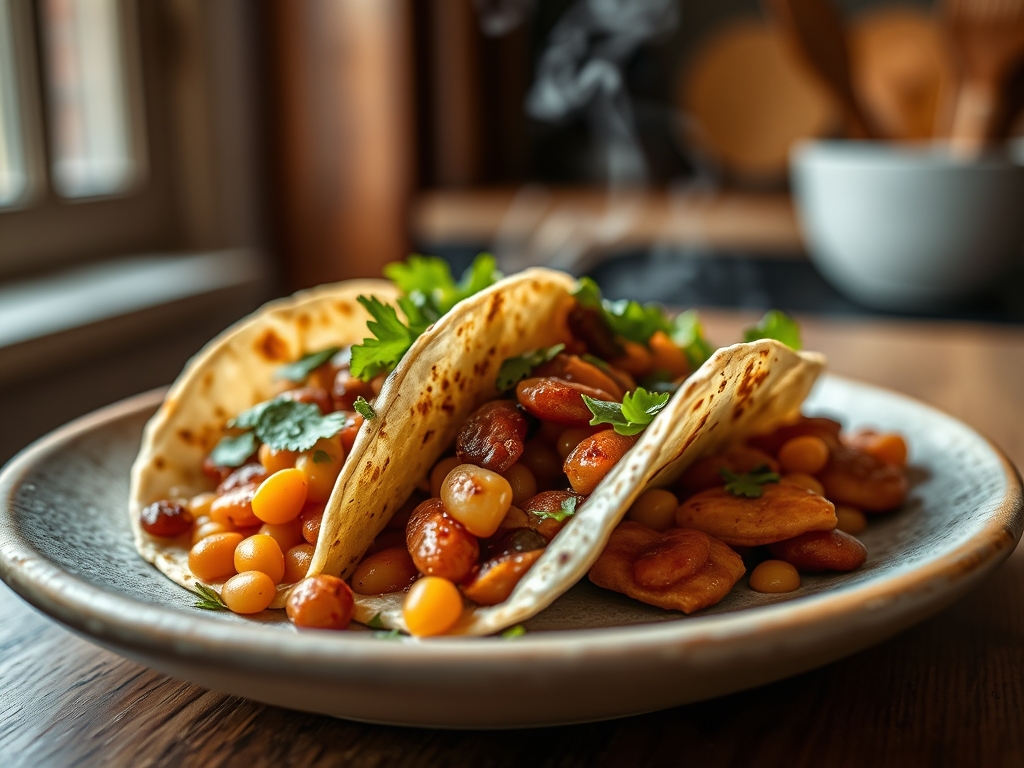
The air in a high-output kitchen does not just carry scent; it carries a physical weight of toasted corn and capsaicin. We are talking about the structural integrity of the perfect street taco. When you are engineering Spicy Bean Tacos, you are not just throwing legumes into a pan. You are managing a complex series of thermal events designed to transform humble starch into a piquant, velvet-textured masterpiece. The goal is a bean that holds its shape against the tooth but yields into a creamy finish upon impact. We require a masa flour base that acts as a structural anchor, providing a nutty, toasted counterpoint to the heat. This is rapid-fire culinary infrastructure where seconds determine the difference between a soggy mess and a crisp, vibrant handheld meal. Every component must be optimized for speed without sacrificing the deep, earthy soul of the ingredients. Strap in, calibrate your scales, and prepare to audit your process for maximum flavor efficiency.
THE DATA MATRIX
| Metric | Specification |
|---|---|
| Prep Time | 15 Minutes |
| Execution Time | 20 Minutes |
| Yield | 4 Servings (12 Tacos) |
| Complexity (1-10) | 4 |
| Estimated Cost per Serving | $1.85 USD |
THE GATHERS
Ingredient Protocol:
- Legume Base: 800g / 2 cans (15 oz) Black Beans or Pinto Beans, drained and rinsed.
- Masa Infrastructure: 60g / 0.5 cup Masa Harina (corn flour) for thickening and dusting.
- Aromatic Foundation: 150g / 1 medium White Onion, finely diced.
- Heat Catalyst: 30g / 2 small Jalapenos, minced (seeds included for higher piquant levels).
- Fat Source: 45ml / 3 tbsp High-smoke point Avocado Oil or Lard.
- Liquid Medium: 240ml / 1 cup Vegetable Stock or filtered water.
- Spice Matrix: 10g / 2 tsp Smoked Paprika, 5g / 1 tsp Cumin, 5g / 1 tsp Garlic Powder.
- Acid Profile: 30ml / 2 tbsp Fresh Lime Juice.
- Shells: 12 Small Corn Tortillas (15cm / 6 inch diameter).
Section A: Ingredient Quality Audit:
If your beans feel "mushy" straight out of the pressurized tin, do not panic. This is a failure of industrial processing, not your technique. To fix this, spread the rinsed beans on a sheet pan and bake at 200C (400F) for 10 minutes to dehydrate the exterior skin. This creates a structural "snap" before they hit the pan. If your masa flour smells dusty rather than toasted, it is stale. You can revitalize the profile by dry-toasting the flour in a stainless steel skillet for 2 minutes until it reaches a pale gold hue. Never use pre-shredded cheese if you want a proper melt; the anti-caking agents like potato starch interfere with the lipid-protein bond. Grate your own Monterey Jack to ensure a viscous, glossy finish.
THE MASTERCLASS
Step-by-Step Execution:
1. The Aromatic Render
Heat your heavy-bottomed saucier or cast iron skillet over medium-high heat. Add the fat and once it shimmers, drop in the onions and peppers. You are looking for a rapid translucent shift. Use a bench scraper to move the aromatics efficiently from the cutting board to the pan to avoid moisture loss.
Pro Tip: This stage is about the Maillard reaction. By keeping the heat high, you render the natural sugars in the onion, creating a base of sweetness that balances the capsaicin.
2. The Spice Infusion
Push the aromatics to the perimeter and add the dry spices to the center of the pan. Let them bloom in the oil for exactly 30 seconds. This process allows the fat-soluble flavor compounds to infuse into the oil, ensuring the heat is distributed evenly throughout the entire batch of Spicy Bean Tacos.
Pro Tip: Use a digital scale to measure spices. Volumetric measurements (spoons) are notoriously inaccurate due to settling, and precision is the hallmark of a professional auditor.
3. The Deglaze and Hydrate
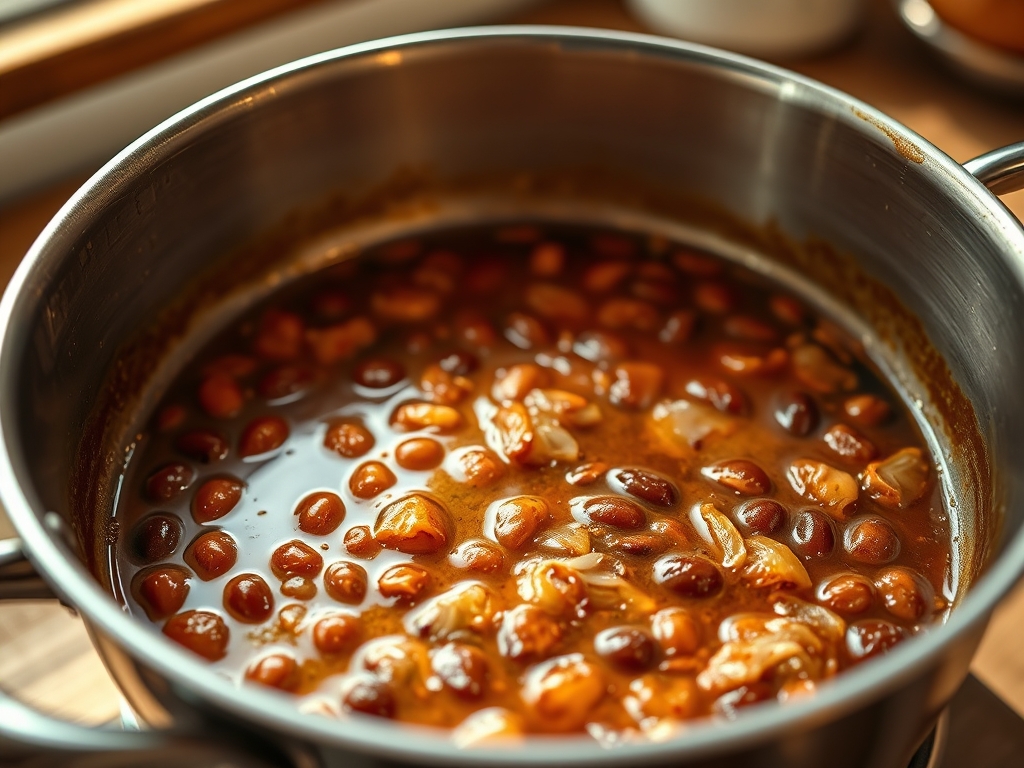
Incorporate the beans and immediately deglaze the pan with the vegetable stock. Scrape the bottom to release the "fond" (the brown bits). Sprinkle the masa harina over the mixture and stir vigorously with a silicone spatula. The masa will act as a natural emulsifier, binding the water and fats into a rich, thick sauce.
Pro Tip: The starch in the masa flour undergoes gelatinization at approximately 70C (158F). This creates a viscous coating that prevents the beans from falling out of the shell.
4. The Tortilla Tempering
While the beans simmer, heat a dry comal or carbon steel pan. Flash-heat each tortilla for 20 seconds per side. You are looking for slight char marks and a softening of the corn fibers. Place them in a clean towel to steam and maintain flexibility.
Pro Tip: Stale tortillas are the result of starch retrogradation. Reheating them to 65C (150F) temporarily reverses this process, making them pliable again.
Section B: Prep & Timing Fault-Lines:
The most common failure in rapid street-style cooking is the "temperature crash." If you add cold beans to a pan that hasn't recovered its heat after the onions, you will boil the beans rather than sear them. Always check your pan temperature with an infrared thermometer if available; you want the surface at 190C (375F) before the beans make contact. Another fault-line is the "liquid surge." Adding too much stock at once drowns the masa's ability to thicken. Add liquid in three stages to monitor the consistency.
THE VISUAL SPECTRUM
Section C: Thermal & Visual Troubleshooting:
Look at the Masterclass photo above. Notice the "char-flecking" on the tortillas and the "glossy sheen" on the bean mixture. If your tacos look dull or grey, you have missed the acid-activation step. Lime juice doesn't just provide flavor; it brightens the colors of the peppers and beans. If your beans look dry or "cracked," your emulsion has broken. Add a tablespoon of hot water and a whisk of cold butter to re-emulsify the sauce. The visual cue for success is a "velvet cling" where the sauce coats the bean without dripping excessively. If you see pools of liquid at the bottom of the taco, your reduction time was insufficient.
THE DEEP DIVE
Macro Nutrition Profile
Each serving (3 tacos) provides approximately 450 calories, 18g of plant-based protein, 12g of fiber, and 14g of healthy fats. The high fiber content from the beans and masa ensures a low glycemic index, preventing the mid-afternoon energy crash common with flour-based alternatives.
Dietary Swaps
- Vegan: This recipe is inherently vegan if using vegetable oil and stock.
- Keto: Replace corn tortillas with charred cabbage leaves and swap masa harina for a pinch of xanthan gum to thicken.
- GF: Ensure your masa harina is certified gluten-free (most are, but cross-contamination is a risk in some facilities).
Meal Prep & Reheating Science
To maintain molecular structure during storage, under-hydrate the beans slightly. When reheating, the starch will absorb more moisture. Reheat in a skillet rather than a microwave to prevent the beans from becoming "rubbery." The microwave vibrates water molecules too violently, which can rupture the bean skins and lead to a mushy texture. Use a splash of stock to aerate the mixture during the reheating process.
THE KITCHEN TABLE
Why are my tortillas cracking?
This is a hydration failure. The corn masa has dried out. Wrap your tortillas in a damp paper towel and microwave for 15 seconds before searing them on a dry pan to restore pliability.
Can I use dried beans instead of canned?
Absolutely. Soak them for 12 hours and simmer until "al dente" before starting this protocol. The structural integrity is often superior with dried beans as you control the softening process.
The spice level is too high; how do I fix it?
Do not add water. Add fat. A dollop of Greek yogurt or sour cream will bind with the capsaicin molecules and wash them off your heat receptors, neutralizing the burn effectively.
What is the purpose of the masa in the beans?
It acts as a structural bridge. It thickens the liquid into a gravy that clings to the beans, ensuring every bite has a consistent ratio of spice, salt, and corn flavor.