Forget everything you know about the soggy, yellow mounds of disappointment served at continental breakfast buffets. We are not here to coddle curds; we are here to engineer a morning masterpiece. When you commit to a Spicy Egg Scramble, you are engaging in a high-speed chemical negotiation between protein coagulation and lipid emulsification. The air in your kitchen should crackle with the scent of toasted capsaicin and browning butter. This is a high-octane metabolic trigger designed to shock your system into productivity. We are looking for a texture that is simultaneously custardy and structured, punctuated by the sharp, piquant sting of fermented chili. To achieve this, you must treat your stovetop like a particle accelerator. Every movement must be calculated, every temperature spike intentional. We are moving beyond simple sustenance into the realm of culinary infrastructure. If your pulse isn't rising before the first bite, you aren't doing it right. Grab your whisk; it is time to audit your breakfast.
THE DATA MATRIX
| Metric | Specification |
|---|---|
| Prep Time | 8 Minutes |
| Execution Time | 4 Minutes |
| Yield | 2 Servings |
| Complexity (1-10) | 6 |
| Estimated Cost per Serving | $1.85 |
THE GATHERS
Ingredient Protocol:
- 4 Large Eggs (approx. 200g)
- 30ml / 2 tbsp Heavy Cream (36% milkfat)
- 15g / 1 tbsp Unsalted Butter (high fat European style)
- 15ml / 1 tbsp Fermented Chili Paste (Gochujang or Sambal Oelek)
- 2g / 0.5 tsp Smoked Paprika
- 1g / 0.25 tsp Fine Sea Salt
- 30g / 0.25 cup Scallions (thinly sliced on a bias)
- 10g / 1 tbsp Fresh Cilantro (finely minced)
- 1 Red Fresno Chili (thinly sliced)
Section A: Ingredient Quality Audit:
If your eggs are weeping liquid on the plate, your protein-to-fat ratio is compromised. Sub-par, watery eggs lack the structural integrity needed for a high-heat scramble. To fix this, ensure you are using room-temperature eggs to prevent thermal shock when they hit the pan. If your chili paste is too acidic, it will curdle the cream instantly. Balance the pH by whisking the cream and spices separately before introducing them to the egg volume. Finally, if your butter contains too much water, it will steam the eggs rather than fry them. Use a high-butterfat brand (82% or higher) to ensure a clean render and a nutty finish.
THE MASTERCLASS
1. The Aeration Protocol
Crack your eggs into a stainless steel mixing bowl positioned on a digital scale to ensure precision. Use a balloon whisk to aerate the mixture until no visible strands of albumen remain. You are looking for a homogenous, viscous liquid that holds micro-bubbles.
Pro Tip: Incorporating air creates a physical barrier between protein chains, preventing them from bonding too tightly and becoming rubbery. Professional chefs use a digital scale to ensure the ratio of fat to protein is consistent every single time.
2. The Infusion Phase
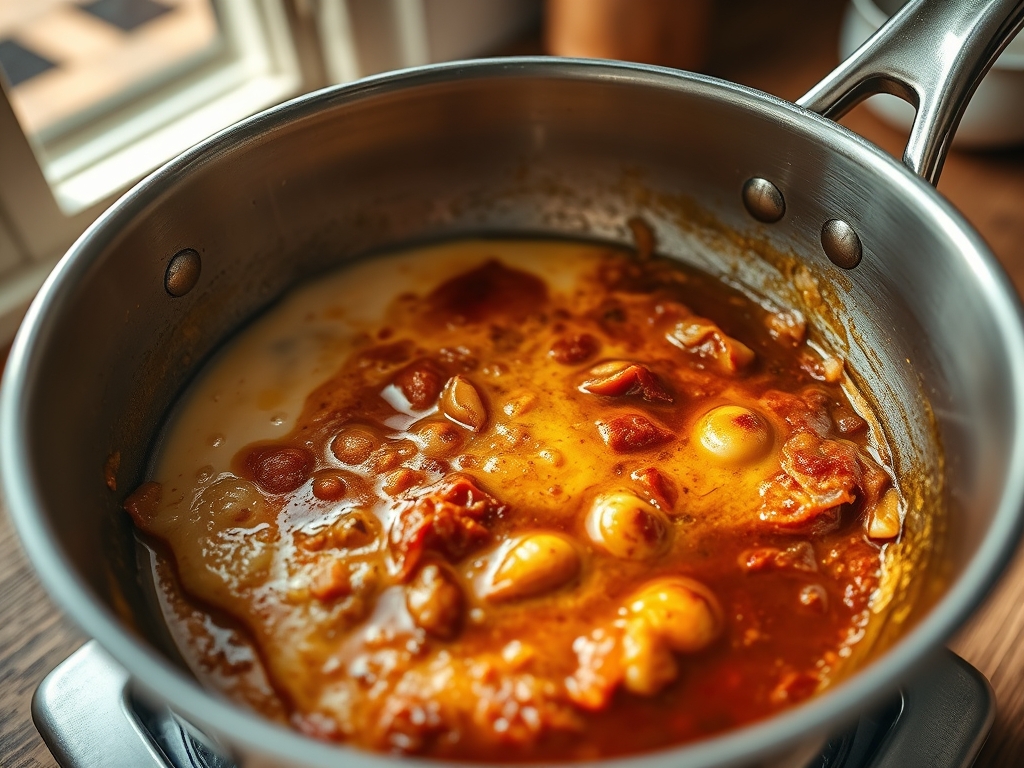
In a small saucier, gently melt your butter over medium heat. Once the foaming subsides, add the fermented chili paste and smoked paprika. Stir constantly with a silicone spatula to infuse the lipids with the piquant aromatics without scorching the solids.
Pro Tip: Fat is a flavor carrier. By blooming your spices in the butter before adding the eggs, you ensure the heat is distributed evenly throughout the entire Spicy Egg Scramble rather than leaving "hot spots" of raw spice.
3. The Thermal Contact
Increase the heat to medium-high. Pour the egg and cream mixture into the center of the pan. Do not move the eggs for exactly ten seconds. You want to establish a base layer of cooked protein that will act as a structural foundation for the softer curds above.
Pro Tip: Using a heavy-bottomed non-stick pan or a well-seasoned carbon steel skillet provides the thermal mass necessary to maintain temperature when the cold eggs are introduced. This prevents the eggs from sticking to the microscopic pores of the metal.
4. The Agitation Cycle
Using a bench scraper or a flexible spatula, pull the cooked edges toward the center in long, sweeping motions. Tilt the pan to allow the raw, liquid egg to fill the vacated space. Continue this process until the eggs are 80% set but still appear wet.
Pro Tip: This technique creates "large curd" architecture. Constant stirring results in a porridge-like consistency, while strategic folding creates the layered, silken ribbons visible in high-end culinary photography.
5. The Residual Carry-Over
Remove the pan from the heat source while the eggs still look slightly undercooked. The internal energy of the mass will continue to coagulate the proteins for another sixty seconds. Fold in your fresh scallions and cilantro at this exact moment to wilt them without losing their vibrant color.
Pro Tip: Overcooking is the primary failure point in egg prep. The transition from "perfect" to "sulfuric sponge" happens in a matter of five degrees. Trust the residual heat to finish the job off the burner.
Section B: Prep & Timing Fault-Lines:
The most common human error is the "Cold Pan Syndrome." If the pan is not sufficiently preheated, the eggs will bond to the surface, forcing you to scrape and tear the curds. This destroys the aesthetic and the texture. Conversely, if the heat is too high, the exterior will undergo the Maillard reaction too quickly, leading to a brown, papery skin. Use an infrared thermometer to aim for a surface temperature of 325 degrees Fahrenheit before the eggs make contact. If you find yourself rushing, you will likely skip the aeration step; never do this. Un-whisked egg whites result in a splotchy, uneven appearance that signals a lack of technical discipline.
THE VISUAL SPECTRUM
Section C: Thermal & Visual Troubleshooting:
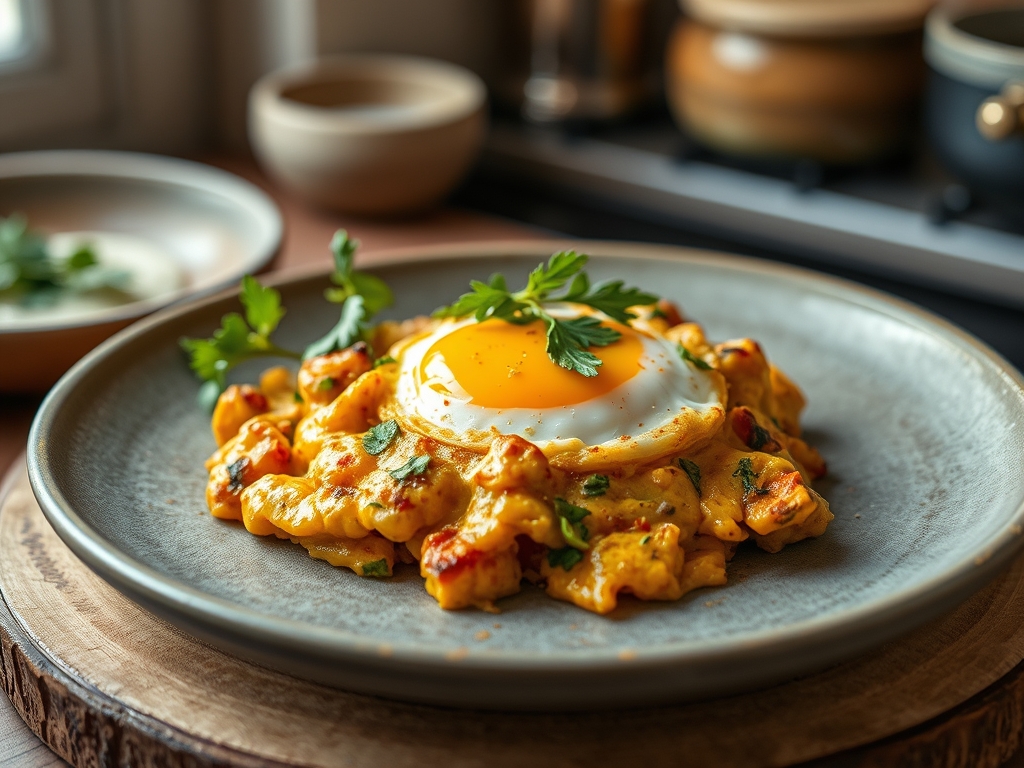
Look closely at the reference image above. Notice the "gloss" on the surface of the curds; this indicates a successful emulsion of the heavy cream and butter into the egg matrix. If your scramble looks dull or matte, you have likely overcooked it, causing the fats to leak out. If you see uneven browning, your pan has hot spots or you failed to move the curds efficiently. The vibrant red streaks from the chili paste should be marbled, not muddy. If the dish looks orange rather than yellow with red accents, you over-mixed the chili paste during the initial whisking. To fix a dull appearance, finish the dish with a micro-plane of fresh lime zest or a tiny drizzle of neutral oil to restore the light-reflective properties of the protein.
THE DEEP DIVE
Macro Nutrition Profile
A standard serving of this Spicy Egg Scramble delivers approximately 18g of high-quality protein and 22g of healthy fats. The addition of fermented chili paste introduces probiotics and capsaicin, which can temporarily boost metabolic rate. Total carbohydrates remain low at roughly 4g, making this an ideal anchor for low-glycemic lifestyles.
Dietary Swaps
- Vegan: Replace eggs with a mung-bean based substitute and use vegan butter and cashew cream. The technique remains identical; focus on high-heat agitation.
- Keto: This recipe is naturally keto-compliant. Increase the butter content by 5g for a higher fat-to-protein ratio.
- GF: Ensure your chili paste is not thickened with wheat flour; many commercial Gochujang brands contain gluten. Use a pure Sambal or Sriracha instead.
Meal Prep & Reheating Science
Eggs are notoriously difficult to reheat because the proteins continue to tighten over time. To maintain the molecular structure, undercook the eggs slightly more than usual if you intend to store them. When reheating, use a microwave at 50% power in 30-second bursts, adding a teaspoon of water to the container to create a steam-jacket that prevents the curds from turning into rubber.
THE KITCHEN TABLE
Why are my eggs watery after sitting for a minute?
This is syneresis. The protein network has tightened too much, squeezing out the moisture. This happens from overcooking or adding salt too early in the whisking process. Salt the eggs only at the very end to maintain moisture.
Can I use milk instead of heavy cream?
You can, but the lower fat content increases the risk of the eggs becoming tough. Cream provides a buffer that prevents the proteins from bonding too tightly, resulting in a much silkier texture and a more luxurious mouthfeel.
What is the best pan for a Spicy Egg Scramble?
A 10-inch non-stick skillet with a heavy aluminum core is the industry standard. It provides even heat distribution and ensures the delicate egg proteins slide off the surface without the need for excessive amounts of grease.
How do I make it spicier without ruining the texture?
Instead of adding more paste, which contains moisture and solids, infuse the cooking butter with dried red pepper flakes or a high-quality chili oil. This adds "clean" heat without compromising the structural integrity of the egg curds.