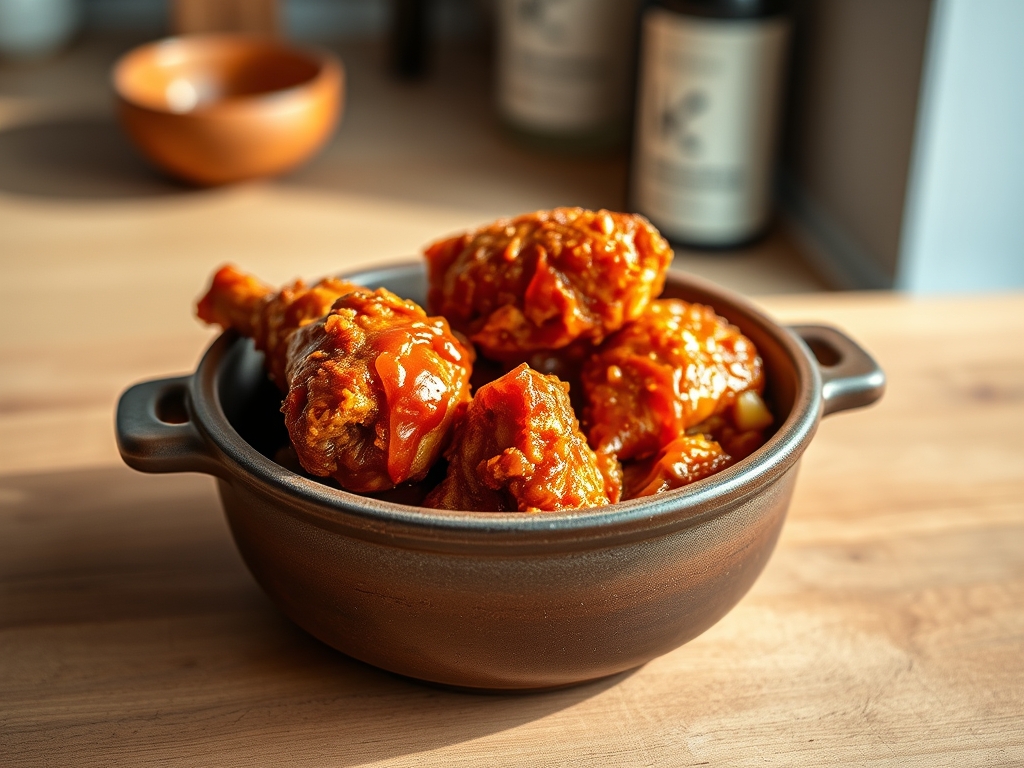
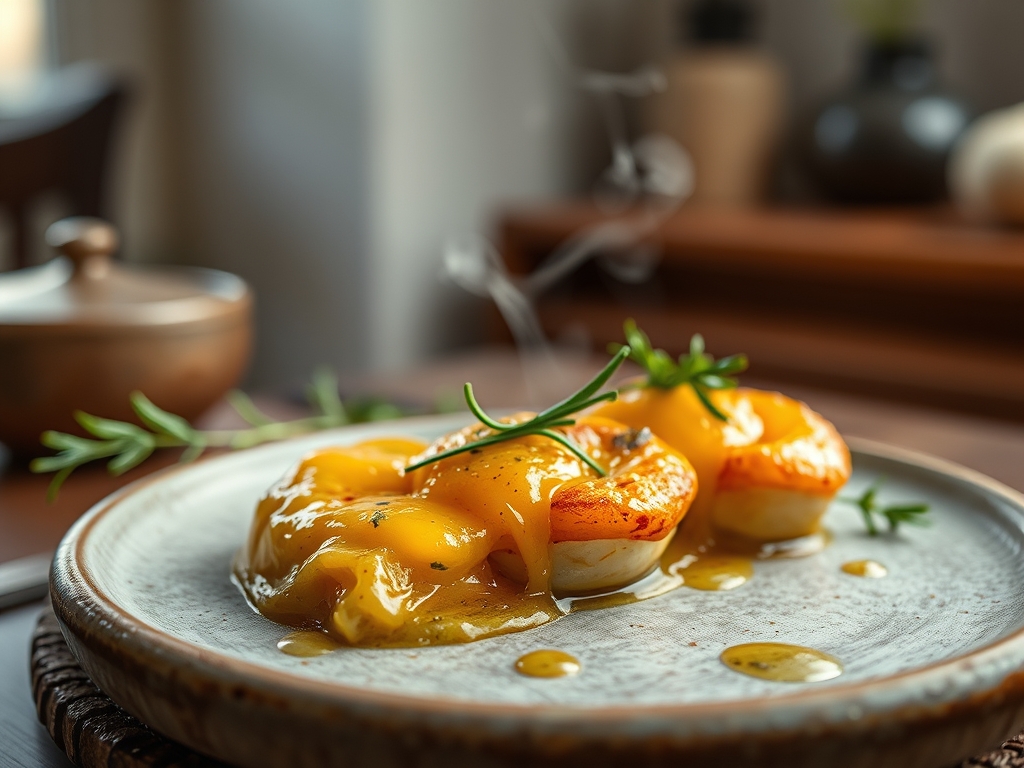
Listen closely; the kitchen is not a playground but a high-performance laboratory where lipids and aromatics collide to create sensory dominance. We are here to discuss the ultimate structural enhancement for your culinary repertoire: Spicy Garlic Butter. This is not merely a condiment. It is a viscous, piquant delivery system designed to optimize the flavor profile of everything from crusty sourdough to high-grade ribeye. When you introduce the sulfurous compounds of fresh garlic to the saturated fats of premium butter, and then agitate the mixture with a controlled heat source, you are performing a chemical marriage. The goal is a perfect suspension of heat and allicin that coats the palate without overwhelming the primary protein. If you have been settling for refrigerated tubs of yellow grease, you are failing the infrastructure of your own dinner. We are going to deconstruct the process, stabilize the emulsion, and ensure that your Spicy Garlic Butter achieves a state of peak aromatic density. Prepare for a total system upgrade.
THE DATA MATRIX
| Metric | Specification |
|---|---|
| Prep Time | 10 Minutes |
| Execution Time | 15 Minutes |
| Yield | 350g / 1.5 Cups |
| Complexity (1-10) | 3 |
| Estimated Cost per Serving | $0.85 USD |
THE GATHERS
Ingredient Protocol:
- 227g / 1 cup Unsalted High-Fat European Butter (Minimum 82% butterfat).
- 30g / 6-8 cloves Fresh Garlic (Microplaned for maximum surface area).
- 15ml / 1 tbsp Red Chili Flakes (Adjust for desired Scoville impact).
- 5ml / 1 tsp Smoked Paprika (For color depth and phenolic complexity).
- 2g / 0.5 tsp Cayenne Pepper (The primary heat driver).
- 5g / 1 tsp Flaky Sea Salt (To disrupt the lipid smoothness).
- 15ml / 1 tbsp Fresh Lemon Juice (To provide an acidic counterpoint).
- 10g / 2 tbsp Fresh Parsley (Finely minced for visual contrast).
Section A: Ingredient Quality Audit:
If your garlic is sprouting green stems, you are dealing with oxidized bitterness. Remove the germ or discard the clove entirely. Using pre-peeled garlic is a violation of the flavor protocol; those cloves have already begun to lose their volatile oils. If your butter is "Standard Grade A" with high water content, your emulsion will break and become greasy rather than creamy. To fix sub-par butter, you must clarify it first to remove the water and milk solids, though using a high-fat European style butter is the preferred technical fix. If your chili flakes are older than six months, they have lost their capsaicin potency. Toast them in a dry pan for thirty seconds to revive what remains of their aromatic profile before introducing them to the fat.
THE MASTERCLASS
1. Temperature Calibration and Softening
Place your butter on a digital scale to ensure precise mass before transferring it to a workspace. Allow the butter to reach a soft, pliable state at room temperature. Do not use a microwave; the uneven electromagnetic waves will cause localized melting and destroy the crystalline structure of the fat.
Pro Tip: Use a bench scraper to fold and manipulate the butter on a cool marble surface. This allows you to aerate the fat slightly, making it more receptive to the infusion of dry spices later in the process.
2. Allicin Activation
Using a microplane or a heavy-duty garlic press, process your cloves into a fine paste. This maximizes the release of allicin, the compound responsible for that signature sharp bite.
Pro Tip: Let the garlic paste sit for five minutes before adding it to the butter. This brief rest allows the enzymatic reaction to fully develop, ensuring the most aggressive flavor profile possible in your Spicy Garlic Butter.
3. The Lipid Infusion
Place a small saucier over low heat. Add one-quarter of your butter along with the chili flakes, paprika, and cayenne. You are not frying; you are performing a lipid-soluble extraction. Heat until the butter begins to foam slightly and the fat takes on a vibrant orange hue.
Pro Tip: Use an infrared thermometer to ensure the butter does not exceed 150 degrees Fahrenheit. If you go higher, you risk scorching the spices and introducing a burnt, acrid note to the final compound.
4. Integration and Emulsification
Remove the heated butter from the stove and whisk it into the remaining cold butter. Add the lemon juice, salt, and parsley. Use a whisk or a silicone spatula to incorporate the ingredients until the mixture is uniform and holds a viscous, spreadable consistency.
Pro Tip: For a restaurant-grade finish, use a miniature offset spatula to whip the mixture vigorously. This incorporates micro-bubbles of air, resulting in a lighter mouthfeel that melts instantly upon contact with hot food.
Section B: Prep & Timing Fault-Lines:
The most common failure in Spicy Garlic Butter production is the thermal shock of adding boiling fat to cold butter, which results in a separated, oily mess. If this occurs, place the bowl over an ice bath and whisk aggressively to re-establish the emulsion. Timing is also critical. If you add the fresh parsley while the butter is too hot, the herbs will wilt and turn a muddy brown. Always wait until the mixture has cooled to a lukewarm state before adding delicate greens.
THE VISUAL SPECTRUM
Section C: Thermal & Visual Troubleshooting:
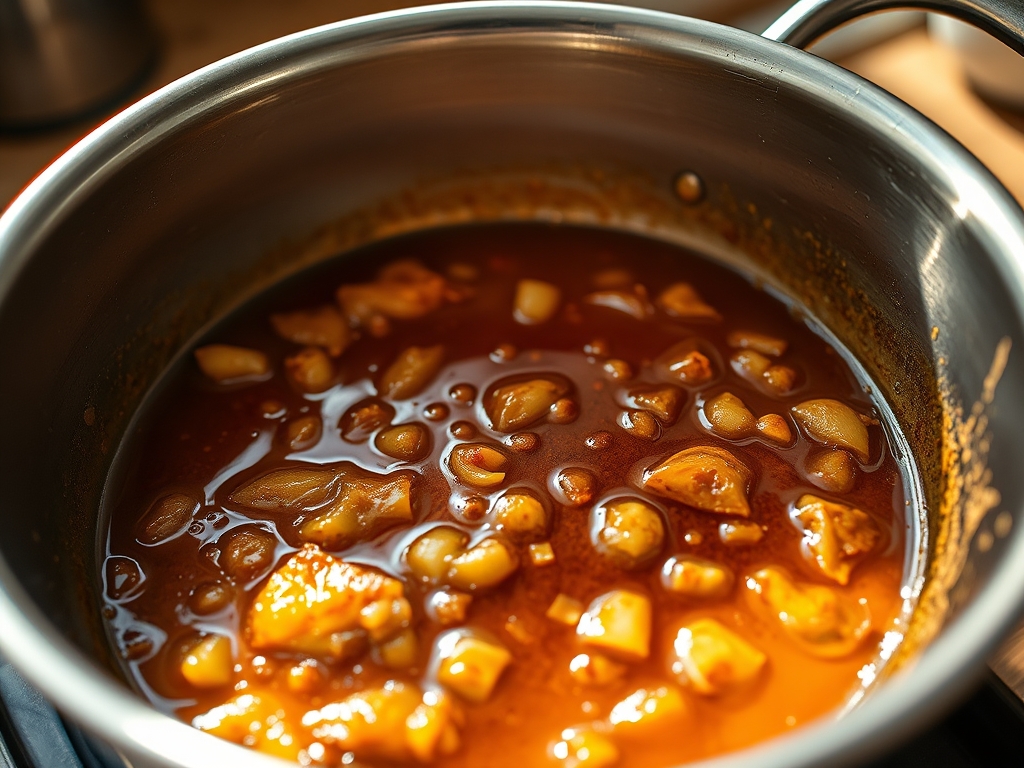
Referencing the Masterclass photo above, your final product should exhibit a vibrant, sunset-orange glow with visible specks of red and green. If your butter looks dull or grey, you likely used stale spices or over-processed the garlic until it oxidized. If the texture appears grainy, your salt has not dissolved; switch to a finer grind or increase your whisking duration. Uneven browning in the pan during the infusion stage will result in dark flecks that look like dirt; this is a sign of milk solid carbonization. If this happens, strain the butter through a fine-mesh sieve before mixing it with the rest of the batch to maintain visual integrity.
THE DEEP DIVE
Macro Nutrition Profile:
This compound is a high-density energy source. Per tablespoon, expect approximately 102 calories, 11g of fat (7g saturated), and negligible carbohydrates or protein. It is a tool for flavor enhancement, not a primary caloric driver.
Dietary Swaps:
- Vegan: Substitute dairy butter with a high-quality cashew-based or olive oil-based plant butter. Avoid tub margarines with high water content.
- Keto: This recipe is natively Keto-compliant. Increase the salt slightly to assist with electrolyte balance.
- Gluten-Free: Naturally GF. Ensure your spices are certified to avoid cross-contamination from anti-caking agents.
Meal Prep & Reheating Science:
To maintain the molecular structure, roll the finished butter into a log using parchment paper and refrigerate. This allows you to slice off uniform "coins" as needed. When reheating, never apply direct high heat. Allow the butter to melt via conductive heat by placing it directly onto a hot steak or a warm piece of bread. This preserves the delicate emulsion and prevents the garlic from becoming bitter.
THE KITCHEN TABLE
Why is my garlic butter bitter?
Bitterness usually stems from burnt garlic or the green germ inside older cloves. Ensure you use low heat during the infusion process and always inspect your garlic for sprouts before processing.
Can I use dried parsley instead of fresh?
Negative. Dried parsley lacks the volatile oils and vibrant chlorophyll required for this build. It will provide a gritty texture without any of the necessary aromatic lift. Stick to fresh or omit it entirely.
How long does this compound stay stable?
In a sealed container, the Spicy Garlic Butter will remain chemically stable for up to two weeks in the refrigerator. For long-term storage, freeze the butter coins for up to three months.
My butter is too hard to spread. Help!
Do not microwave it. Leave the required portion at room temperature for twenty minutes. The lipids need time to relax naturally to maintain their creamy, aerated structure without turning into a puddle of oil.