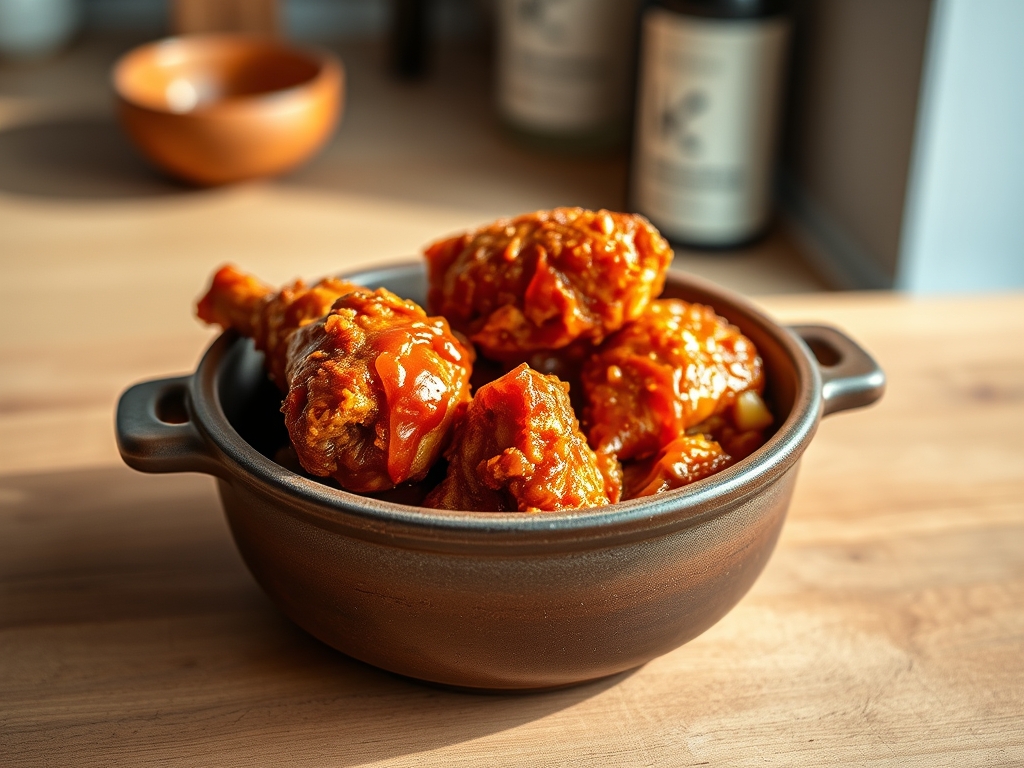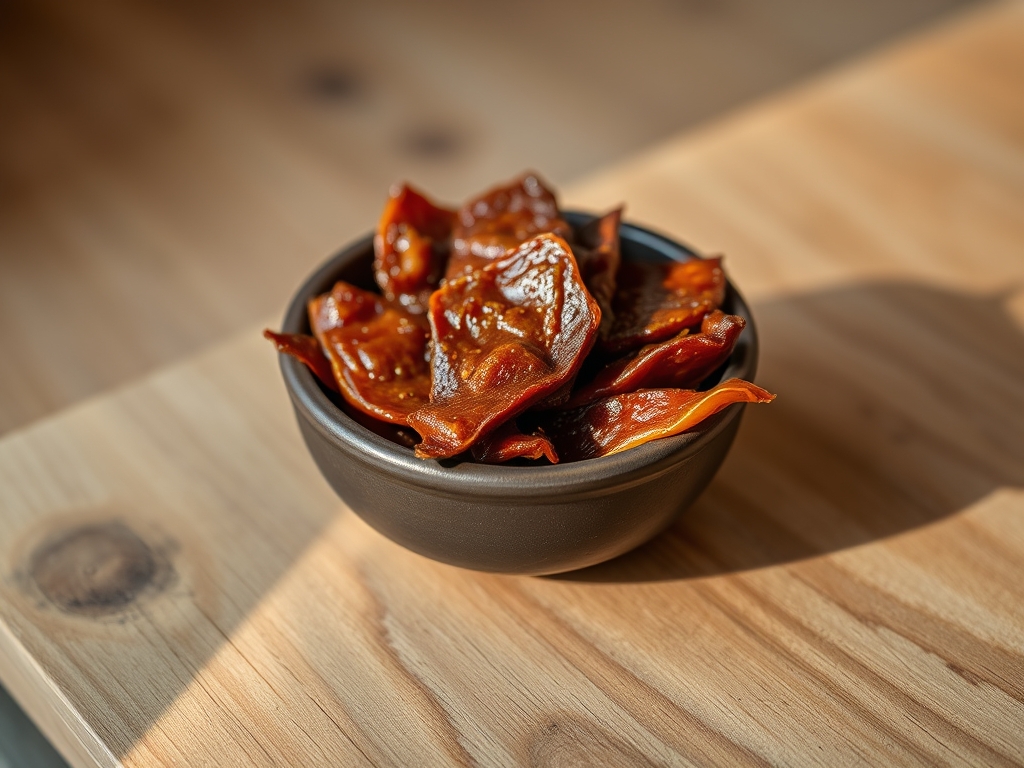
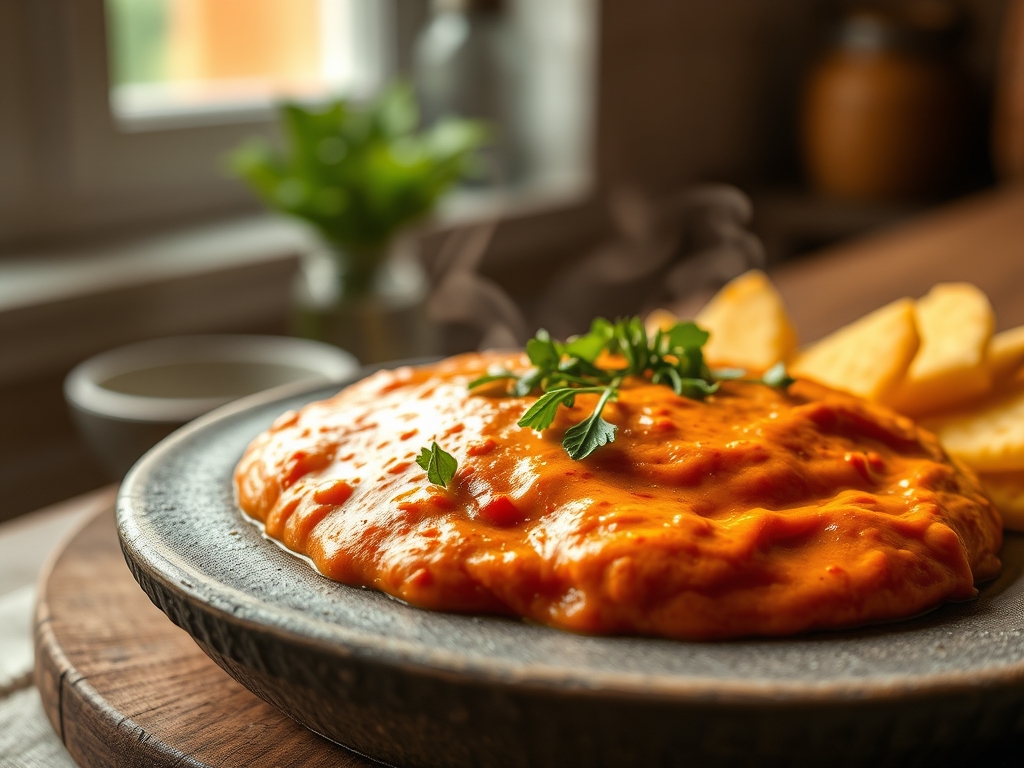
Listen to the sound of a perfect Spicy Buffalo Dip. It is not the watery splash of a failed emulsion; it is the heavy, rhythmic thud of a viscous masterpiece hitting the porcelain. We are here to audit your kitchen infrastructure because, frankly, most home versions are a structural disaster. A true Buffalo dip requires more than just mixing heat and fat. It demands a molecular understanding of how proteins suspend themselves in a sea of piquant vinegar and lipids. We are looking for that specific, sunset-orange hue that signals a perfect marriage of cayenne pepper sauce and high-fat dairy. When you drag a sturdy tortilla chip through the center, the dip should cling with stubborn desperation. It should possess a velvety mouthfeel that coats the palate without feeling greasy. This is the gold standard of the Spicy Buffalo Dip. Anything less is just a hot mess of broken fats and soggy chicken. We are tightening the bolts on your culinary technique to ensure every bite delivers a sharp, acidic punch followed by a cooling, creamy finish.
THE DATA MATRIX
| Metric | Specification |
|---|---|
| Prep Time | 15 Minutes |
| Execution Time | 25 Minutes |
| Yield | 1.5 Liters / 6 Cups |
| Complexity (1-10) | 4 |
| Estimated Cost per Serving | $1.15 USD |
THE GATHERS
Ingredient Protocol:
- 500g / 2 cups Poached Chicken Breast, shredded via bench scraper.
- 450g / 16 oz High-Fat Cream Cheese, softened to 21 degrees Celsius.
- 180ml / 0.75 cup Cayenne Pepper Sauce (Frank's RedHot is the baseline).
- 240ml / 1 cup Ranch or Blue Cheese Dressing, high-viscosity.
- 225g / 2 cups Sharp Cheddar Cheese, freshly grated.
- 15ml / 1 tbsp Unsalted Butter, melted for sheen.
- 5g / 1 tsp Garlic Powder, for aromatic depth.
- 2g / 0.5 tsp Smoked Paprika, for color reinforcement.
Section A: Ingredient Quality Audit:
The most common failure point in a Spicy Buffalo Dip is the use of pre-shredded cheese. These products are coated in potato starch or cellulose to prevent clumping. In a heated dip, these anti-caking agents prevent the cheese from achieving a smooth melt; they create a grainy, sandy texture that ruins the viscous profile. Fix: Grate your own block cheese using a box grater. Secondly, if your hot sauce is too thin, the vinegar content will break the cream cheese emulsion. If you notice separation, whisk in a cold slurry of 5ml cornstarch and 10ml water before baking to stabilize the matrix.
THE MASTERCLASS
Step 1: The Protein Shred
Utilize a bench scraper or two forks to shred your poached chicken into micro-fibers. The goal is to maximize surface area so the sauce can infuse every strand. Avoid large chunks; they disrupt the dip's structural integrity.
Pro Tip: Use a digital scale to ensure your chicken-to-cheese ratio is exactly 1:1 by weight. This ensures that every bite has a consistent distribution of protein and fat.
Step 2: The Emulsion Base
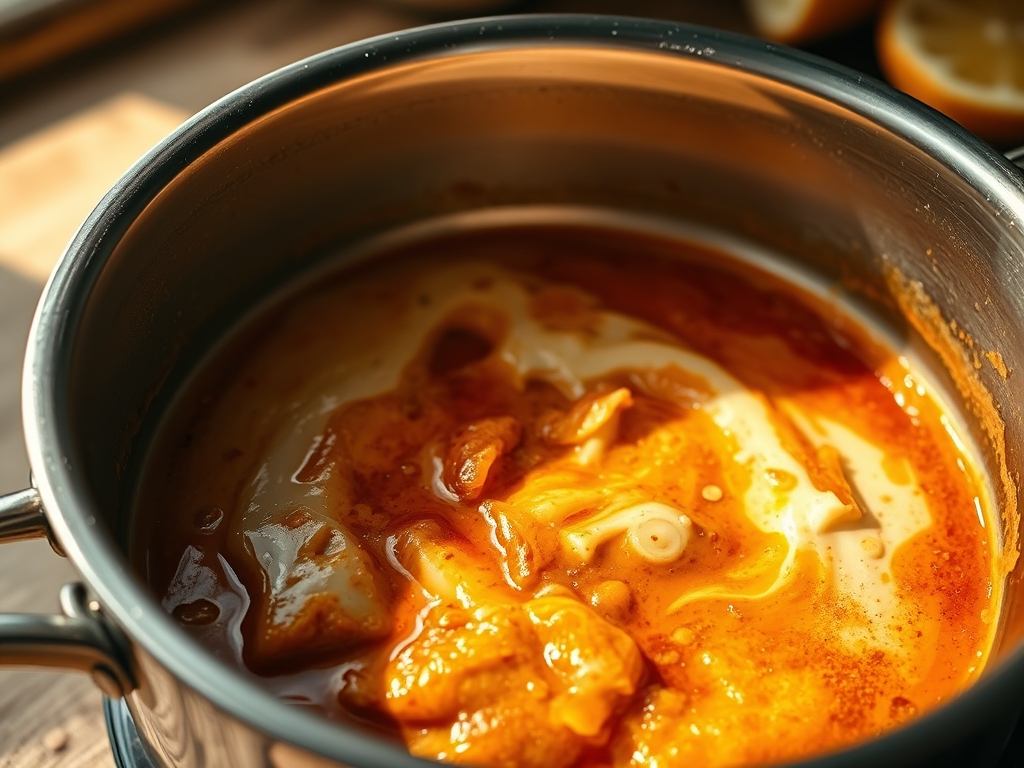
In a heavy-bottomed saucier, combine the softened cream cheese and cayenne pepper sauce over low heat. Use a silicone whisk to aerate the mixture until it is completely smooth and the color is a uniform, vibrant orange.
Pro Tip: Gradually incorporating the hot sauce into the cream cheese prevents the fat from "breaking." This technical approach ensures a glossy finish rather than an oily surface.
Step 3: Folding the Matrix
Remove from heat and fold in the shredded chicken, dressing, and half of the cheddar cheese. Use a rubber spatula to ensure the chicken is fully coated. The mixture should be thick and heavy.
Pro Tip: Folding instead of aggressive stirring preserves the texture of the chicken fibers. This creates "micro-pockets" of sauce that explode with flavor upon consumption.
Step 4: The Thermal Finish
Transfer the mixture to a ceramic baking dish. Top with the remaining cheddar cheese and a dusting of smoked paprika. Bake at 190 degrees Celsius (375 F) for 20 minutes until the edges are bubbling and the top is golden.
Pro Tip: Use an infrared thermometer to check the internal temperature. You are looking for 74 degrees Celsius (165 F) to ensure the proteins are set and the cheese is fully integrated.
Section B: Prep & Timing Fault-Lines:
Temperature shock is the enemy of the Spicy Buffalo Dip. If you add cold cream cheese to a hot pan, it will seize and form lumps that are impossible to whisk out. Always temper your dairy to room temperature before beginning the execution phase. Furthermore, timing the "pull" from the oven is critical. If you overbake, the oils in the cheddar will render out, leaving a pool of yellow grease on top. If the edges are dark brown but the center is cold, your oven calibration is off; move the rack to the center position.
THE VISUAL SPECTRUM
Section C: Thermal & Visual Troubleshooting:
Referencing the Masterclass photo, the ideal visual state is a "cratered" surface where the melted cheese has formed small, toasted peaks. This is the result of the Maillard reaction occurring on the dairy proteins. If your dip looks dull or pale, increase the oven temperature for the final three minutes or use the broiler function. If you see "oil slicks" on the surface, your emulsion has broken. You can often fix this by vigorously stirring the dip once it comes out of the oven to re-incorporate the fats. A perfect dip should have a matte-to-semi-gloss finish, not a reflective oily sheen.
THE DEEP DIVE
Macro Nutrition Profile:
A standard 60ml serving contains approximately 220 calories, 18g of fat, 12g of protein, and 3g of carbohydrates. The high fat content is what provides the necessary satiety and "clinging" power of the dip.
Dietary Swaps:
- Vegan: Substitute chicken with pulled jackfruit; use cashew-based cream cheese and vegan almond-based shreds. Ensure the hot sauce is vegan-certified.
- Keto: This recipe is naturally keto-compliant. Ensure your ranch dressing has zero added sugars.
- GF: Most Buffalo dips are naturally gluten-free, but check your hot sauce labels for thickeners derived from wheat.
Meal Prep & Reheating Science:
To maintain the molecular structure during reheating, avoid the microwave. The uneven waves cause the fats to separate rapidly. Instead, reheat in a small pot over low heat, adding 15ml of heavy cream to re-stabilize the emulsion. If you must use a microwave, use 30-second intervals at 50% power, stirring between each cycle to redistribute the thermal energy.
THE KITCHEN TABLE
Why is my dip watery at the bottom?
This usually occurs if the chicken wasn't properly drained after poaching. Excess moisture leaches out during baking, pooling at the bottom. Always pat your shredded chicken dry with paper towels before mixing it into the cheese base.
Can I use a slow cooker instead?
Yes, but you will sacrifice the toasted cheese crust. To compensate, execute the dip in the slow cooker on low for two hours, then transfer to a dish and broil for three minutes to achieve the necessary visual cues.
What is the best cheese for maximum viscosity?
A mix of Sharp Cheddar for flavor and Monterey Jack for meltability is the professional's choice. Monterey Jack has a high moisture content and a low melting point, which creates that signature "cheese pull" when the dip is hot.
My dip is too spicy; how do I fix it?
Do not add water. Add more fat. Incorporating an extra 60ml of sour cream or Greek yogurt will bind to the capsaicin molecules and neutralize the heat on the tongue without thinning the dip's consistency.