Listen to the hum of the kitchen. If you do not hear the frantic, rhythmic sizzle of aromatics meeting a scorching wok, you are not cooking; you are merely heating things up. We are here to dismantle the mediocre and reconstruct the definitive Szechuan Peppercorn Sauce. This is not a condiment; it is a chemical event. When the hydroxy-alpha-sanshool in the peppercorns hits your tongue, it triggers a tactile vibration at approximately 50 Hertz. It is a biological glitch that mimics the sensation of an electric current. To master this sauce is to master the art of the m numbness, the "ma" in "ma-la." We are looking for a profile that is unapologetically piquant, deeply savory, and structured with enough viscosity to coat a blade. This protocol demands precision. We are moving beyond the bottled sludge found in supermarket aisles and entering the realm of high-velocity flavor extraction. Strap in; we are about to audit your pantry and overhaul your technique to ensure your liquid base achieves absolute Szechuan purity.
THE DATA MATRIX
| Metric | Specification |
|---|---|
| Prep Time | 15 Minutes |
| Execution Time | 10 Minutes |
| Yield | 350ml / 1.5 Cups |
| Complexity (1-10) | 6 |
| Estimated Cost per Serving | $0.85 USD |
THE GATHERS
Ingredient Protocol:
- 60g / 0.5 cup Szechuan Peppercorns (Red or Green, high-grade)
- 250ml / 1 cup Neutral Oil (Grapeseed or Rice Bran)
- 45ml / 3 tbsp Chianking Black Vinegar
- 60ml / 0.25 cup Light Soy Sauce
- 30g / 2 tbsp Fermented Broad Bean Paste (Doubanjiang)
- 20g / 4 cloves Fresh Garlic, microplaned
- 15g / 1 inch Fresh Ginger, finely grated
- 10g / 2 tsp Toasted Sesame Oil
- 5g / 1 tsp Granulated Sugar (to balance acidity)
Section A: Ingredient Quality Audit:
Sub-par raw materials are the primary cause of culinary failure. If your Szechuan peppercorns look dull or brownish, they have oxidized; the essential oils are gone. Technical Fix: Toast stale peppercorns in a dry pan for 30 seconds to reactivate residual oils, then immediately grind. If your Doubanjiang is too salty and lacks depth, it is likely a young, mass-produced version. Technical Fix: Sauté the paste in oil for three minutes before adding liquids to render the fat and mellow the harsh sodium bite through mild caramelization.
THE MASTERCLASS
1. The Peppercorn Activation
Place your peppercorns in a dry saucier over medium heat. Shake the pan constantly until the spice becomes fragrant and begins to "dance." Immediately transfer to a mortar and pestle or a high-speed spice grinder.
Pro Tip: Use a digital scale to measure peppercorns by weight rather than volume. The science here is "dry-roasting," which breaks down the cellular walls of the spice to release volatile oils that provide the signature numbing sensation.
2. The Aromatic Infusion
Heat the neutral oil in the same saucier until it reaches 160C (320F). Add the grated ginger and garlic. They should sizzle immediately but not brown.
Pro Tip: Use an infrared thermometer to monitor the oil. If the oil is too hot, the garlic will undergo a rapid Maillard reaction and turn bitter; if too cool, the aromatics will boil in their own moisture rather than infuse the fat.
3. The Umami Bridge
Stir in the Doubanjiang. Use a silicone spatula to scrape the bottom of the pan, ensuring the paste fully integrates with the oil. The oil should turn a vibrant, translucent red.
Pro Tip: This step is about oil-solubility. Many of the flavor compounds in fermented beans are fat-soluble. By frying the paste, you are transferring the deep umami notes into the liquid base.
4. The Deglaze and Emulsify
Pour in the soy sauce and Chianking vinegar. The mixture will bubble violently as the moisture evaporates. Whisk vigorously to aerate the mixture and create a temporary emulsion.
Pro Tip: A stainless steel balloon whisk is essential here. The mechanical shearing force helps distribute the dense fermented solids into the lighter oil and vinegar phases.
5. The Final Tempering
Remove from heat and stir in the toasted sesame oil and sugar. Allow the sauce to sit for ten minutes to let the flavors marry.
Pro Tip: Use a bench scraper to clean your workstation while the sauce rests. The resting period allows the larger particles to settle and the viscous nature of the sauce to stabilize as the temperature drops.
Section B: Prep & Timing Fault-Lines:
Timing is the difference between a masterpiece and a mess. If you add the vinegar too early, the acetic acid will evaporate before it can brighten the heavy oils. If you grind the peppercorns too far in advance, the numbing sensation loses 40 percent of its potency within thirty minutes. Always prep your aromatics into "mise en place" bowls before the heat is even turned on.
THE VISUAL SPECTRUM
Section C: Thermal & Visual Troubleshooting:
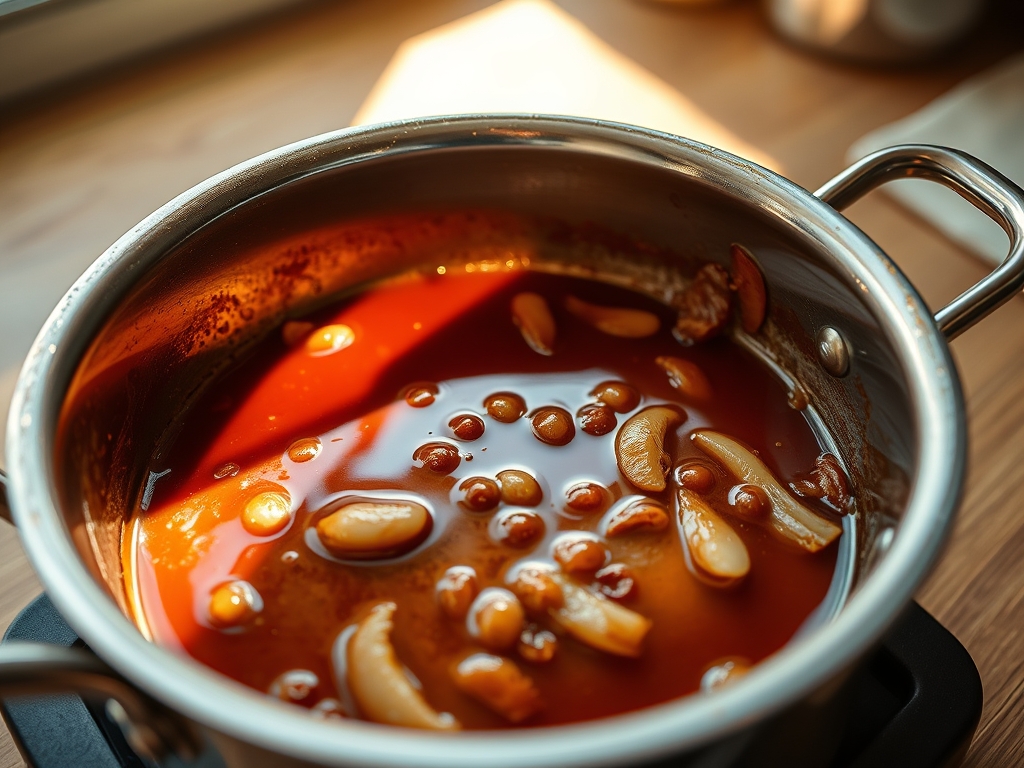
Analyze the Masterclass photo above. Notice the deep, mahogany hue and the visible "sheen" on the surface. If your sauce looks muddy or grey, you likely scorched the peppercorns or used a low-quality soy sauce. If the oil is separating into large, clear puddles, the emulsion has broken. The Fix: Add a teaspoon of warm water and whisk aggressively to re-bind the fats. The texture should be thick enough to leave a trail when a spoon is dragged through it; if it is too thin, simmer for another two minutes to reduce the water content from the vinegar and soy.
THE DEEP DIVE
Macro Nutrition Profile:
Per 30ml (2 tbsp) serving: 140 Calories, 14g Fat, 3g Carbs, 1g Protein. This is a high-density flavor payload; a little goes a long way.
Dietary Swaps:
- Vegan: Naturally vegan as written. Ensure your Doubanjiang does not contain shrimp paste.
- Keto: Omit the granulated sugar; the vinegar provides enough perceived sweetness.
- GF: Replace light soy sauce with Tamari and verify the bean paste is certified gluten-free.
Meal Prep & Reheating Science:
This sauce is incredibly stable due to the high oil content and low pH from the vinegar. It will keep in a sealed glass jar for up to three weeks in the refrigerator. When reheating, do not use a microwave; the uneven waves can cause the oil to "pop" and separate. Instead, place the jar in a warm water bath to gently lower the viscosity.
THE KITCHEN TABLE
Why is my sauce bitter instead of numbing?
You likely burned the peppercorns or the garlic. Both contain compounds that turn acrid when exposed to excessive heat. Use a lower flame and a thermometer to maintain control over the thermal environment.
Can I use green Szechuan peppercorns?
Absolutely. Green peppercorns offer a more citrus-forward, floral profile compared to the earthy, woody notes of the red variety. They are excellent for seafood-based liquid bases or lighter noodle dishes.
My sauce is too salty. How do I save it?
Do not add water; it will ruin the texture. Instead, increase the amount of Chianking vinegar or add a squeeze of fresh lime. The acid cuts through the sodium perception without diluting the viscous body of the sauce.
What is the best oil for this protocol?
Avoid olive oil or extra virgin oils; their strong flavor profiles compete with the peppercorns. Use a neutral oil with a high smoke point like grapeseed or refined peanut oil to ensure the aromatics remain the star.