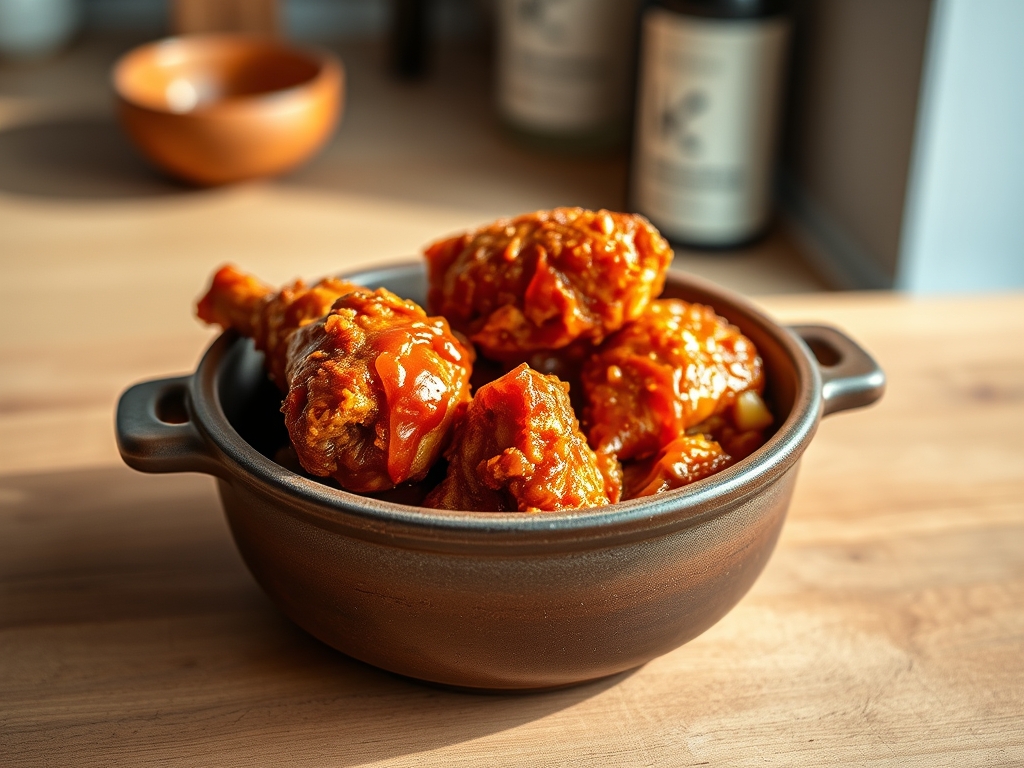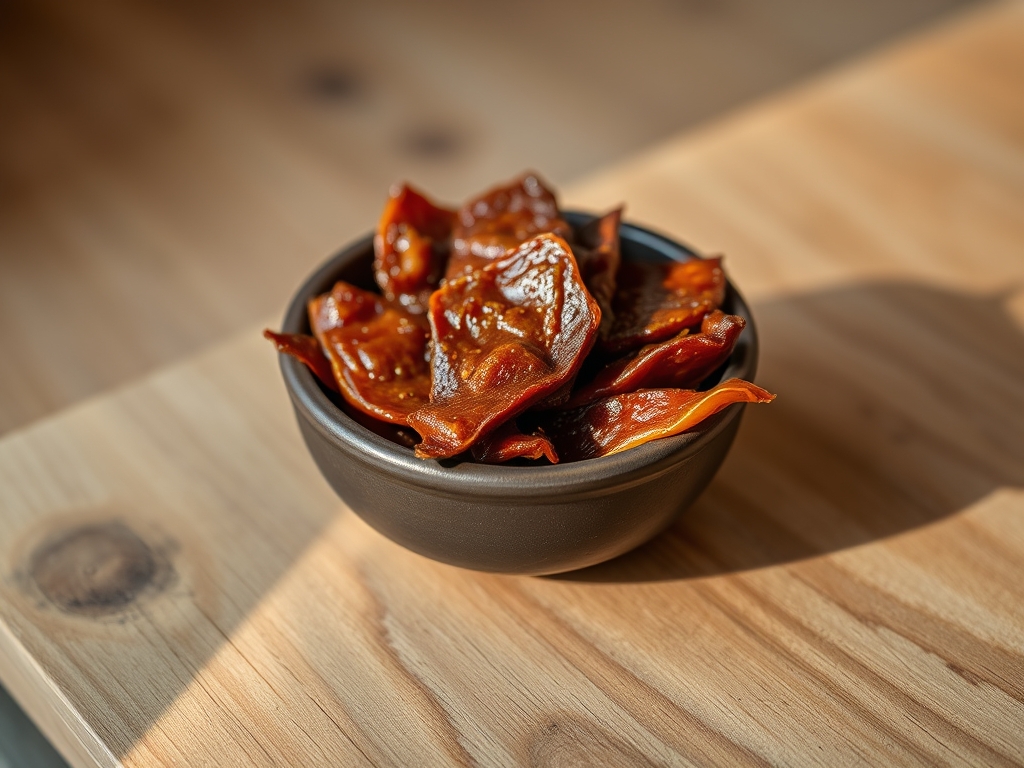
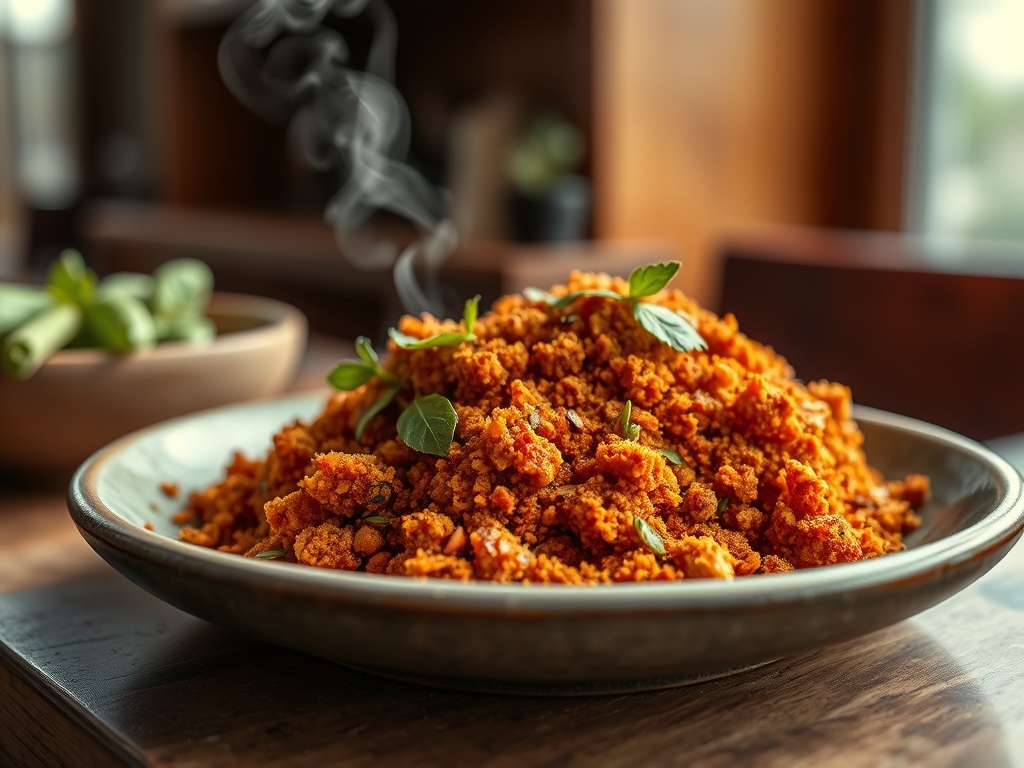
Imagine a sensory overload where the air itself vibrates with the volatile oils of capsicum. You are standing at the threshold of a culinary laboratory where surface tension meets scorched earth. This is not just seasoning; it is an architectural project designed to adhere to proteins under extreme thermal stress. When you apply a Spicy Habanero Rub to a prime cut of meat, you are initiating a chemical contract. The sugars must caramelize without carbonizing. The capsaicin must integrate into the rendered fats rather than evaporating into a tear-inducing cloud. We are looking for that perfect crust; a jagged, piquant landscape that clings to the substrate through the sheer force of molecular attraction. This guide is your audit of the mechanics behind the heat. We will dissect the granular structure of the salts, the moisture-wicking properties of the peppers, and the precise timing required to ensure your crust does not flake away into the abyss of the grill grates. Prepare for a high-velocity masterclass in flavor adhesion.
THE DATA MATRIX
| Metric | Specification |
|---|---|
| Prep Time | 15 Minutes |
| Execution Time | 5 Minutes |
| Yield | 350g / 1.5 Cups |
| Complexity (1-10) | 4 |
| Estimated Cost per Serving | $0.45 |
THE GATHERS
Ingredient Protocol:
- 120g / 0.5 cup Dehydrated Habanero Powder (High-mesh grind)
- 100g / 0.4 cup Smoked Paprika (Pimenton de la Vera)
- 60g / 0.25 cup Coarse Kosher Salt (Diamond Crystal preferred)
- 50g / 0.2 cup Dark Muscovado Sugar (High moisture content)
- 15g / 1 tbsp Granulated Garlic (Anti-caking grade)
- 10g / 2 tsp Toasted Cumin Seeds (Freshly pulverized)
- 5g / 1 tsp Citric Acid Crystals (For brightness and preservation)
Section A: Ingredient Quality Audit:
The primary failure point in a Spicy Habanero Rub is oxidation. If your habanero powder lacks a vibrant orange hue and smells like dusty hay, the volatile oils have dissipated. To fix this, toast stale spices in a dry saucier over low heat for 60 seconds to "wake up" the remaining aromatics. Another common issue is clumping in the sugar. Muscovado is essential for its viscous qualities when melted, but if it is brick-hard, pulse it in a spice grinder with a small amount of the salt to act as an abrasive. Finally, ensure your salt is coarse. Fine table salt will dissolve too quickly, preventing the formation of a textured pellicle on the meat surface.
THE MASTERCLASS
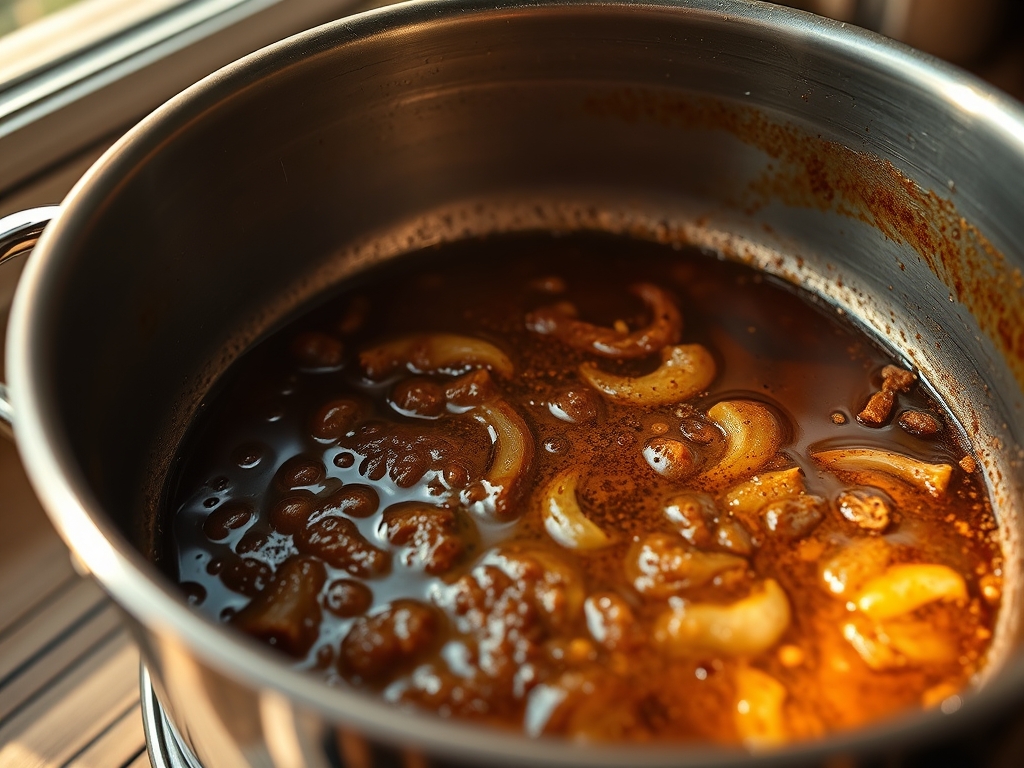
Step-by-Step Execution:
1. Granular Calibration
Begin by weighing all dry ingredients on a digital scale. Precision is the difference between a balanced burn and an inedible salt bomb. Combine the salts and sugars first, using a bench scraper to press out any lumps in the muscovado.
Pro Tip: The salt acts as a denaturant, breaking down surface proteins to create a "sticky" layer that allows the spices to infuse deeper into the tissue.
2. Essential Oil Activation
Place your cumin seeds and peppercorns in a heavy-bottomed pan. Toast until the first wisps of smoke appear, then immediately transfer to a mortar and pestle or high-speed grinder.
Pro Tip: Toasting triggers the Maillard reaction within the seeds themselves, transforming raw, sharp notes into earthy, complex profiles that ground the high-frequency heat of the habanero.
3. The Emulsion Bridge
Before applying the rub, lightly coat your protein with a thin film of neutral oil or mustard. This serves as a bonding agent. Sift the Spicy Habanero Rub through a fine-mesh strainer held 12 inches above the target to ensure even distribution.
Pro Tip: This height allows the particles to aerate and fall in a uniform pattern, preventing "hot spots" where the capsaicin concentration becomes overwhelming.
4. Thermal Setting
Allow the rubbed protein to sit at room temperature for 20 minutes before hitting the heat. This creates a "slurry" on the surface as the salt draws out moisture, which then re-absorbs, pulling the flavor inward.
Pro Tip: This rest period is vital for surface adhesion. If the rub is bone-dry when it hits the grill, the convection currents will simply blow your expensive spices into the coals.
Section B: Prep & Timing Fault-Lines:
The most frequent human error is the "Cold Start." Applying a high-sugar rub to meat straight from the refrigerator causes the sugar to burn before the interior reaches the target temperature. Always temper your meat. If you notice the rub is turning black too quickly (carbonization), move the protein to an indirect heat zone. Use an infrared thermometer to monitor the surface; you want to maintain a "sweet spot" between 300F and 350F for optimal crust development without scorching the delicate pepper solids.
THE VISUAL SPECTRUM
Section C: Thermal & Visual Troubleshooting:
Referencing the Masterclass photo, you should observe a deep, mahogany crust with visible flecks of orange and red. If your result looks dull or grey, you likely skipped the "Emulsion Bridge" step, or your heat was too low to render the surface fats. If the rub appears "patchy," you likely handled the meat too much after applying the seasoning. Use tongs to flip, never a fork, to avoid piercing the developing crust. A glossy sheen indicates the sugars have successfully liquefied and bonded with the spices; a matte, dusty appearance suggests the meat was too dry during the application phase.
THE DEEP DIVE
Macro Nutrition Profile:
Per tablespoon serving, this rub is virtually calorie-neutral, containing approximately 15 calories, 3g of carbohydrates (primarily from the muscovado), and 0g of fat. The primary value lies in the high concentration of Vitamin C and capsaicin, which can slightly elevate metabolic thermogenesis.
Dietary Swaps (Vegan/Keto/GF):
- Keto: Replace the muscovado sugar with an erythritol-based brown sugar substitute. Note that the caramelization point will be lower; adjust heat accordingly.
- Vegan: Naturally vegan. Use as a crust for "steaks" made of cauliflower or lion's mane mushrooms.
- GF: Ensure your citric acid and spices are certified gluten-free to avoid cross-contamination from anti-caking agents.
Meal Prep & Reheating Science:
To maintain the molecular structure of the crust during reheating, avoid the microwave at all costs. The steam generated will turn your beautiful crust into a soggy paste. Instead, use an air fryer or oven at 375F. This flashes the surface moisture away and re-crystallizes the sugars, restoring the original "snap" of the Spicy Habanero Rub.
THE KITCHEN TABLE
How do I stop the rub from clumping in the jar?
Add a few grains of dry rice or a food-grade silica packet to the container. This absorbs ambient humidity, keeping the Spicy Habanero Rub free-flowing for optimal sifting and surface coverage during your next session.
Can I use fresh habaneros instead of powder?
Fresh peppers introduce too much moisture for a dry rub. They create a paste rather than a crust. For the best "Surface Adhesion Data," stick to dehydrated powders which allow for better control over the Maillard reaction.
Why is my rub bitter instead of spicy?
Bitterness usually indicates the paprika or habanero powder has scorched. Lower your direct heat or move the protein further from the flame. High-heat rubs require constant vigilance to prevent the transition from "toasted" to "burnt."
What is the best "glue" for the rub?
While oil works, a thin layer of Dijon mustard is the professional choice. The vinegar in the mustard acts as a surfactant, breaking down surface tension and allowing the Spicy Habanero Rub to bond tightly to the meat.