Welcome to the high stakes arena of piquant preservation. We are not just making a condiment; we are engineering a shelf stable explosion of acidity and heat. The process of creating Spicy Pickled Jalapenos is a masterclass in cellular structural integrity and acetic acid saturation. When you bite into a premium pickle, you should experience a sharp, percussive snap followed by a controlled release of capsaicin and vinegar. Most amateur attempts result in a flaccid, olive drab disappointment that lacks the tectonic force required to elevate a taco or a burger. We are here to prevent that tragedy. By manipulating the osmotic pressure within the pepper walls and balancing the pH of our brine, we transform raw, volatile heat into a sophisticated, balanced acid trip. This is about the intersection of botanical biology and culinary infrastructure. We are building a flavor profile that is aggressive, bright, and unapologetically bold. Prepare your station; we are about to achieve peak saturation.
THE DATA MATRIX
| Metric | Specification |
|---|---|
| Prep Time | 15 Minutes |
| Execution Time | 10 Minutes |
| Yield | 2 Jars (500ml each) |
| Complexity (1-10) | 3 |
| Estimated Cost per Serving | $0.12 |
THE GATHERS
Ingredient Protocol:
- 500g / 1.1 lbs Fresh Jalapeno Peppers (firm, no scarring)
- 250ml / 1 cup White Distilled Vinegar (5% acidity)
- 250ml / 1 cup Filtered Water
- 30g / 2 tbsp Granulated Sugar
- 15g / 1 tbsp Kosher Salt (non-iodized)
- 4 cloves Garlic (smashed)
- 5g / 1 tsp Whole Black Peppercorns
- 2g / 0.5 tsp Dried Oregano
- 1 pinch Calcium Chloride (optional crisping agent)
Section A: Ingredient Quality Audit:
The primary failure point in Spicy Pickled Jalapenos is the age of the raw material. If your peppers feel soft or have visible "stretch marks" (corking), the cellular walls have already begun to degrade. This results in a mushy pickle. To fix this, shock your peppers in an ice bath for 30 minutes before slicing to restore turgor pressure. Furthermore, ensure you are using non-iodized salt. Iodine and anti-caking agents found in table salt will turn your brine cloudy and can impart a metallic, medicinal aftertaste that ruins the piquant profile. If your vinegar is under 5% acidity, the preservation will fail; always verify the label.
THE MASTERCLASS
1. Precision Slicing and Deseeding
Utilize a sharp chef knife or a mandoline set to 3mm to ensure uniformity. Uniformity is not just for aesthetics; it ensures that the acetic acid penetrates every slice at the exact same rate. If you desire less heat, use a bench scraper to move the slices into a colander and shake vigorously to remove excess seeds.
Pro Tip: The science here is surface area. By increasing the exposed surface area of the pepper flesh, you allow for faster osmotic exchange between the pepper juice and the brine.
2. The Brine Infusion
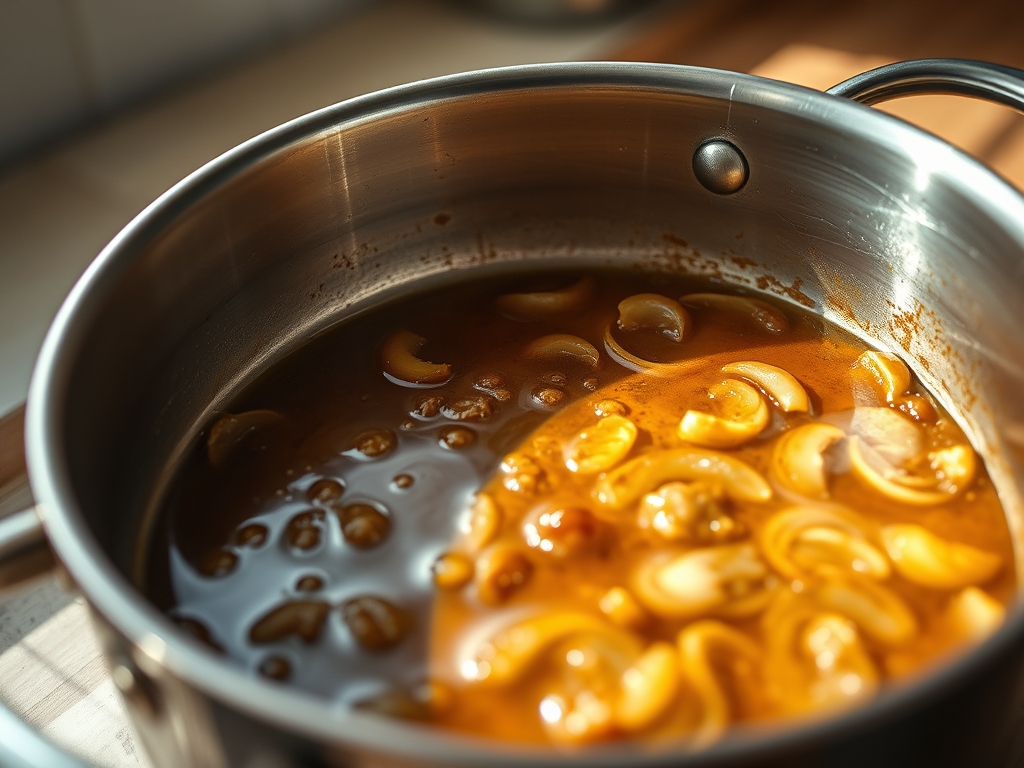
In a stainless steel saucier, combine your vinegar, water, salt, sugar, and aromatics. Bring the mixture to a rolling boil over high heat. Use a digital scale to ensure your salt and sugar ratios are exact, as this affects the water activity levels required for safe preservation.
Pro Tip: Boiling the brine does more than dissolve solids; it helps to infuse the essential oils from the garlic and peppercorns into the liquid medium, creating a more cohesive flavor profile.
3. Thermal Shock and Packing
Pack your sliced jalapenos tightly into sterilized glass jars. Pour the boiling brine over the peppers until they are completely submerged, leaving exactly 1cm of headspace at the top. Use a non-metallic spatula to remove trapped air bubbles.
Pro Tip: This "hot pack" method partially blanches the peppers, which helps to render the cell walls slightly more permeable so the vinegar can move in, while the immediate cooling prevents total structural collapse.
4. Atmospheric Sealing
Wipe the rims of the jars with a clean, damp cloth to ensure no sugar or salt residue interferes with the seal. Tighten the lids to finger-tip tightness. Allow the jars to cool to room temperature on the counter before transferring them to the refrigerator.
Pro Tip: As the liquid cools, it creates a partial vacuum. This pressure differential helps "pull" the brine deeper into the peppers, ensuring the center of every slice is fully saturated with acid.
Section B: Prep & Timing Fault-Lines:
Timing is the difference between a crisp pepper and a soggy one. A common error is leaving the peppers in the boiling brine on the stove. This overcooks the peppers and destroys the pectin. Always pour the liquid over the raw peppers in the jar. If your brine temperature drops below 190 degrees Fahrenheit before pouring, you may not achieve the necessary enzymatic deactivation, leading to off-colors over time. Use an instant-read thermometer to verify your brine is at a rolling boil before the transfer.
THE VISUAL SPECTRUM
Section C: Thermal & Visual Troubleshooting:
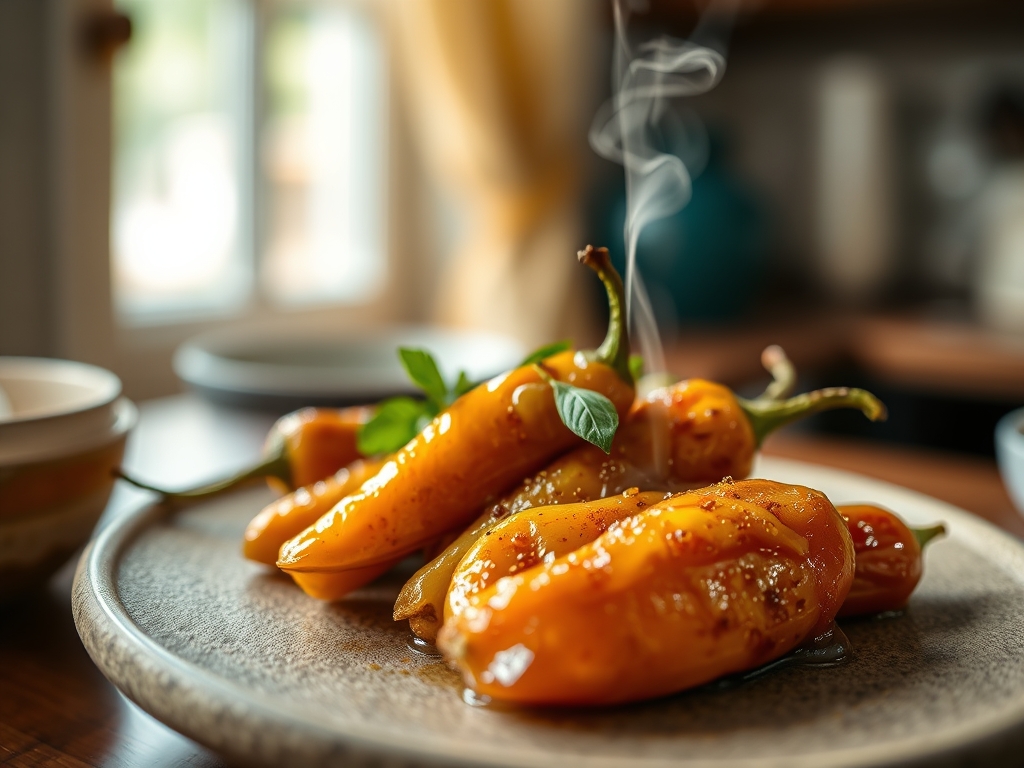
Referencing the Masterclass photo, your Spicy Pickled Jalapenos should exhibit a vibrant, translucent emerald hue. If your peppers look dull or brownish, you have likely over-processed them with heat. If the brine appears cloudy, check your salt source or ensure your water is filtered; heavy mineral content in tap water reacts with the tannins in the peppers to create turbidity. If the garlic turns a strange blue or green color, do not panic. This is a natural reaction between the sulfur in the garlic and the acid in the vinegar; it is safe to consume but can be mitigated by using older, cured garlic rather than very fresh cloves.
THE DEEP DIVE
Macro Nutrition Profile
These peppers are a metabolic powerhouse with negligible caloric impact. A standard 30g serving contains approximately 10 calories, 0g fat, 2g carbohydrates, and 0g protein. The primary value lies in the capsaicin, which can temporarily boost metabolic rate, and the acetic acid, which has been shown to assist in blood sugar regulation.
Dietary Swaps (Vegan/Keto/GF)
This recipe is naturally Vegan, Gluten-Free, and Keto-friendly. To further optimize for a strict Keto protocol, you may replace the granulated sugar with an erythritol or monk fruit sweetener. This maintains the flavor balance without the glycemic load. For a "funkier" profile, replace half of the white vinegar with apple cider vinegar, though this will slightly alter the bright green visual.
Meal Prep & Reheating Science
These pickles are the ultimate meal prep tool. Because they are preserved in an acidic environment, they maintain their molecular structure for up to two months in the refrigerator. Never reheat the peppers themselves, as heat will cause the remaining pectin to dissolve, turning them mushy. Instead, add them as a cold element to hot dishes right before serving to maintain the contrast in temperature and texture.
THE KITCHEN TABLE
How long do I have to wait to eat them?
While you can consume them once cooled, the molecular exchange takes time. For peak saturation and flavor development, wait at least 48 hours. This allows the brine to fully penetrate the pepper's interior cellular matrix.
Why are my jalapenos floating?
Floating occurs when air is trapped in the pepper tissues or the brine density is high. Ensure you pack the jars tightly and tap them on the counter to release air. They will eventually sink as they absorb the liquid.
Can I make these shelf-stable without a fridge?
This specific recipe is a "refrigerator pickle." To make them shelf-stable, you must process the filled jars in a boiling water bath for 10 minutes. Note that this extra heat will result in a softer texture.
My peppers are way too spicy. Help!
The heat lives in the pith and seeds. To calibrate a milder batch, scrape out the white membranes before slicing. The acetic acid will also mellow the heat slightly over several weeks of aging in the refrigerator.