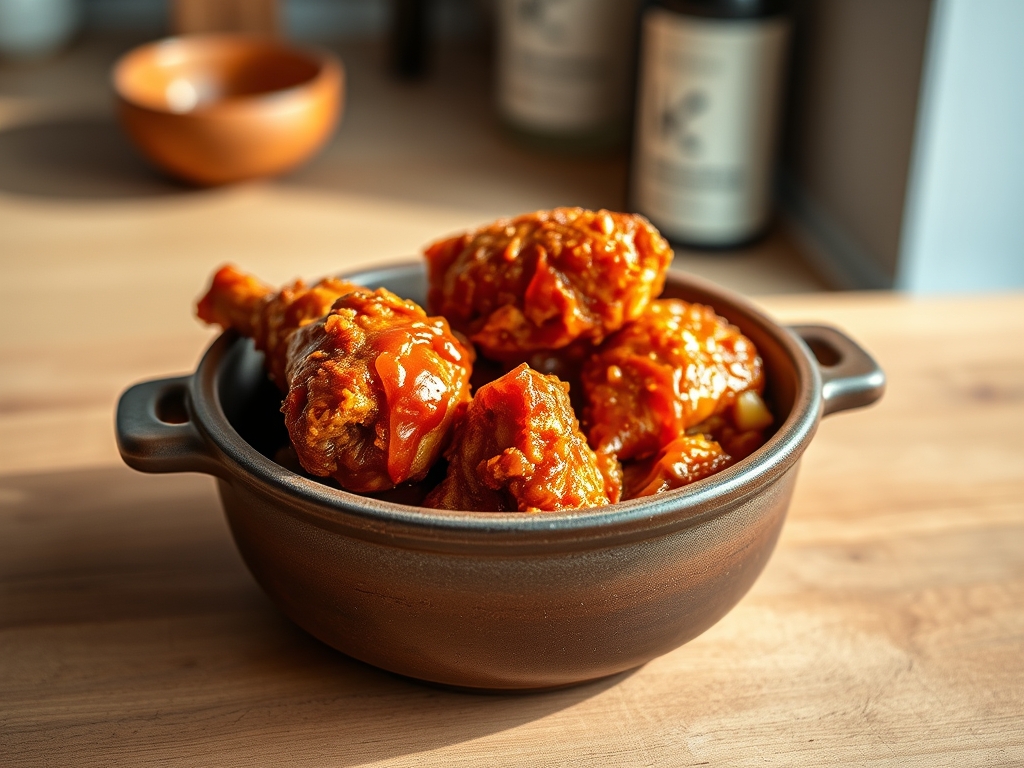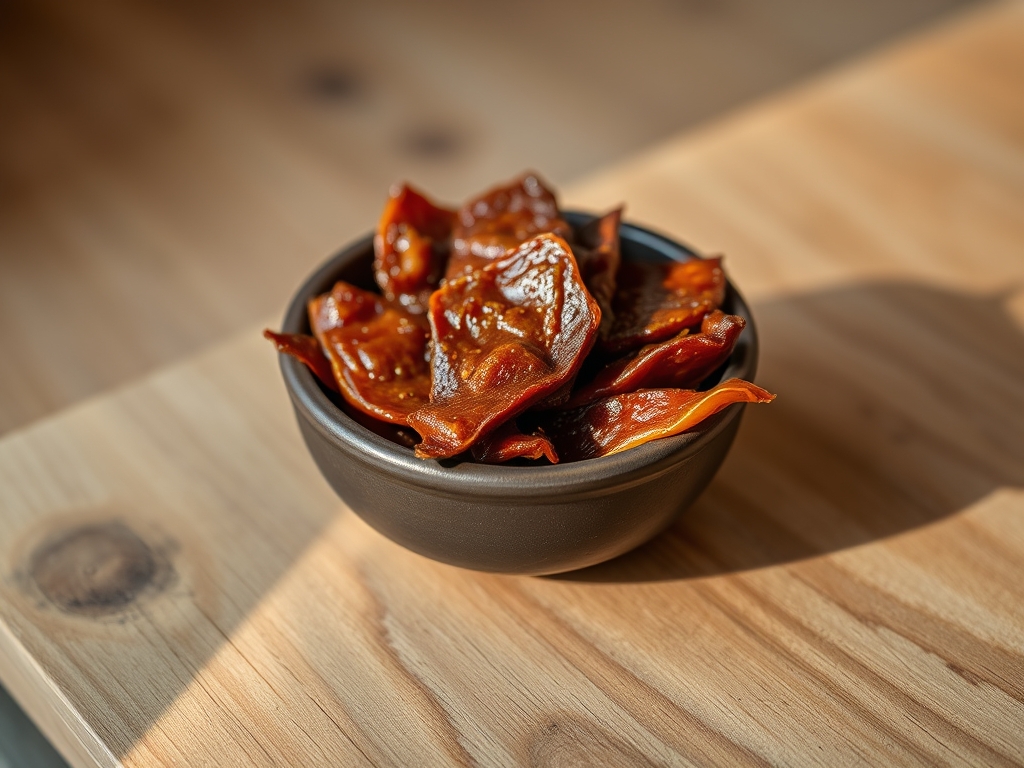
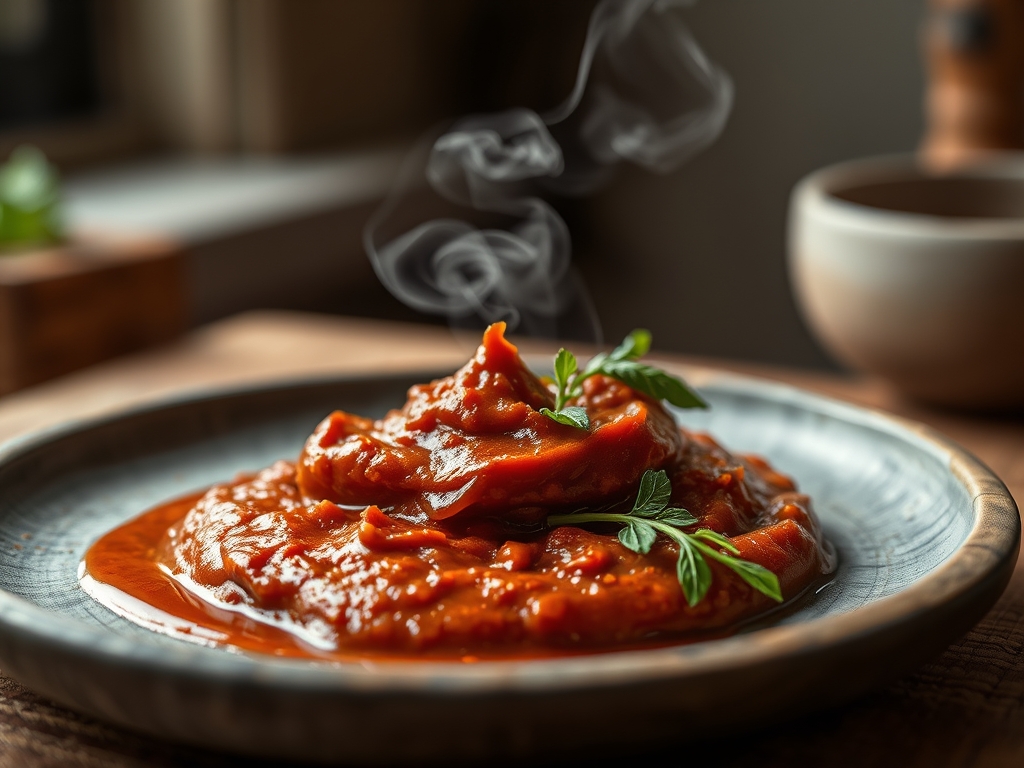
Forget the bottled, neon-red sludge found in the back of your pantry. Real North African flavor is a volatile, aromatic chemical reaction that demands respect and precision. We are discussing the gold standard of condiments: Spicy Harissa Paste. This is not merely a sauce; it is a concentrated matrix of capsaicin, essential oils, and toasted carminative seeds that can transform a pedestrian stew into a culinary masterpiece. When you build this paste from scratch, you are performing a complex extraction of flavor. You are coaxing the deep, smoky resins out of dried peppers and suspending them in a rich, viscous emulsion of olive oil and garlic. The heat should be assertive but balanced by the citrusy high notes of coriander and the earthy depth of caraway. As an auditor of culinary infrastructure, I demand a product that possesses both structural integrity and a piquant profile that lingers on the palate without scorching the taste buds into oblivion. Prepare your station; we are about to engineer some serious heat.
THE DATA MATRIX
| Metric | Specification |
|---|---|
| Prep Time | 25 minutes |
| Execution Time | 15 minutes |
| Yield | 350ml / 1.5 cups |
| Complexity (1-10) | 4 |
| Estimated Cost per Serving | $0.45 |
THE GATHERS
Ingredient Protocol:
- 120g / 4oz Dried Guajillo chiles (for body and color)
- 60g / 2oz Dried Arbol chiles (for the "Spicy Harissa Paste" heat profile)
- 5g / 2 tsp Whole cumin seeds
- 5g / 2 tsp Whole coriander seeds
- 3g / 1 tsp Whole caraway seeds
- 45ml / 3 tbsp Extra virgin olive oil (plus extra for sealing)
- 20g / 4 large cloves Fresh garlic
- 10g / 1.5 tsp Kosher salt
- 15ml / 1 tbsp Fresh lemon juice
- 5ml / 1 tsp Smoked paprika (for phenolic depth)
Section A: Ingredient Quality Audit:
The most common failure point in Spicy Harissa Paste is the use of "stale" dried chiles. If your peppers are brittle and snap like glass, their essential oils have oxidized. They will taste like dusty cardboard. To fix this, look for chiles that are pliable and leathery. If you are stuck with dry stock, flash-toast them in a dry pan for 30 seconds to wake up any remaining volatile compounds. Secondly, avoid pre-ground spices at all costs. The surface area of ground cumin is massive, leading to rapid flavor loss. Always start with whole seeds and use a dedicated spice grinder or mortar and pestle to ensure the aromatic oils are fresh at the moment of emulsification.
THE MASTERCLASS
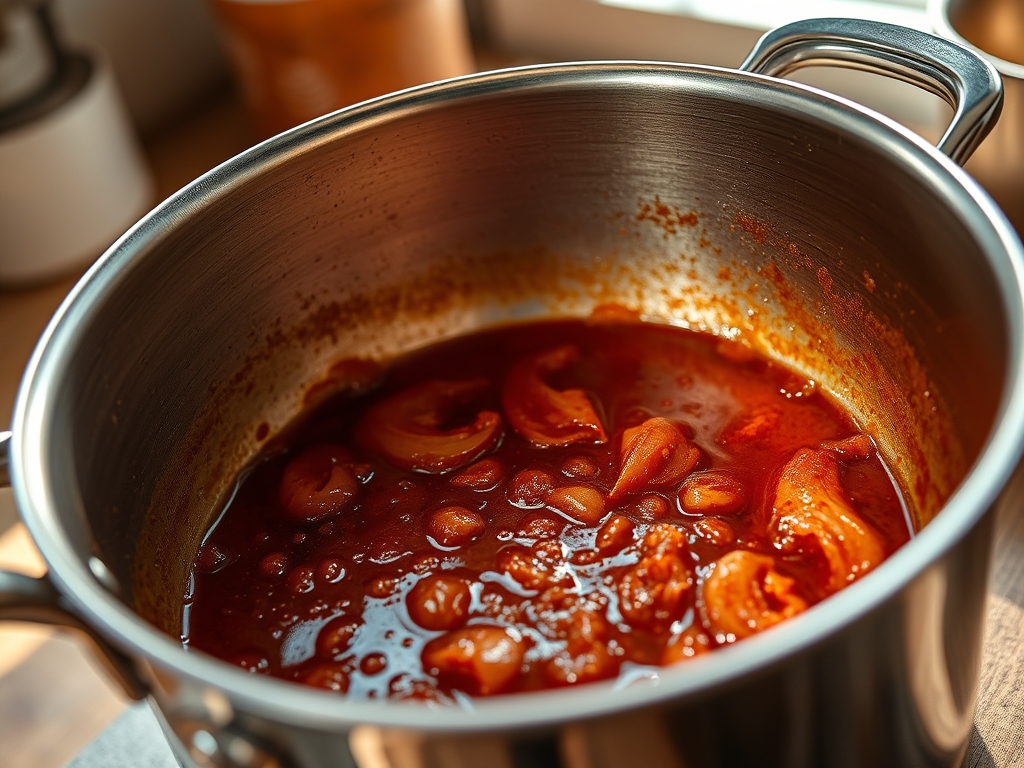
1. The Desiccated Rehydration Phase
Begin by removing the stems and seeds from your dried chiles. Place them in a heat-proof bowl and submerge them in boiling water. Use a heavy plate to keep them submerged for 20 minutes until they are soft and supple.
Pro Tip: Use a digital scale to weigh your chiles before and after soaking. The weight gain represents the hydration level. Professional kitchens use this data to ensure consistent viscosity across batches.
2. The Aromatic Activation
While the chiles hydrate, place your whole cumin, coriander, and caraway seeds into a small saucier over medium heat. Toast them until they become fragrant and begin to jump in the pan. Immediately move them to a mortar and pestle.
Pro Tip: Toasting triggers the Maillard reaction in the seeds, transforming simple carbohydrates into complex, nutty aromatic compounds. Do not walk away; the line between toasted and scorched is razor-thin.
3. The Capsicum Pulverization
Drain the chiles, reserving 30ml of the soaking liquid. Place the chiles, toasted spices, garlic, salt, lemon juice, and paprika into a high-speed blender or food processor. Pulse until a rough paste forms.
Pro Tip: Use a silicone bench scraper to move the paste from the sides of the processor toward the blades. This ensures a uniform particle size, which is critical for a smooth mouthfeel.
4. The Lipid Emulsification
With the motor running, slowly drizzle in the extra virgin olive oil. This process will infuse the fat with the fat-soluble capsaicin and create a stable, viscous emulsion that coats the tongue evenly.
Pro Tip: Slow oil incorporation prevents the paste from breaking. You are looking for a glossy sheen that indicates the oil has been fully integrated into the fiber of the peppers.
Section B: Prep & Timing Fault-Lines:
Timing is the enemy of vibrancy. If you soak your chiles for too long (over an hour), they can become bitter and waterlogged, losing their structural integrity. Conversely, if the garlic is processed for too long at high speeds, the blades can generate friction heat, which "cooks" the garlic and creates a harsh, acrid sulfur flavor. Always add your garlic toward the end of the blending cycle to maintain its bright, pungent "bite."
THE VISUAL SPECTRUM
Section C: Thermal & Visual Troubleshooting:
Look at the Masterclass photo above. Notice the deep, brick-red hue and the visible specks of toasted spices. If your paste looks dull or brownish, you likely over-toasted your spices or used old chiles. If the texture is watery rather than a thick paste, you failed to drain the chiles sufficiently. You can fix a thin paste by simmering it in a saucier over low heat for 5 minutes to render out excess moisture, though this will slightly alter the fresh profile of the lemon and garlic. The ideal visual cue is a "shimmer" on the surface, indicating the oil is properly suspended.
THE DEEP DIVE
Macro Nutrition Profile:
Per tablespoon, this paste is a powerhouse of Vitamin A and C. It contains approximately 45 calories, 4g of healthy monounsaturated fats, and 0.5g of protein. The capsaicin acts as a metabolic stimulant, potentially increasing thermogenesis.
Dietary Swaps:
- Vegan/GF/Keto: This recipe is naturally compliant with all three. To boost the Keto profile, increase the olive oil ratio slightly.
- Low-Sodium: Replace half the salt with a splash of apple cider vinegar to maintain the "bright" profile without the sodium hit.
Meal Prep & Reheating Science:
To maintain the molecular structure, store the paste in a glass jar and pour a thin layer of olive oil over the top to create an anaerobic seal. This prevents oxidation and mold growth. When using it in hot dishes, do not "boil" the paste for extended periods. Instead, deglaze your pan with it or stir it in during the final stages of cooking to preserve the volatile aromatic top notes.
THE KITCHEN TABLE
Can I use fresh peppers instead of dried?
Fresh peppers contain too much water. You would end up with a coulis rather than a concentrated paste. Stick to dried chiles to achieve the necessary capsicum concentration and smoky depth required for authentic Spicy Harissa Paste.
How long does this keep in the fridge?
Under a layer of oil in a sealed glass jar, it will remain chemically stable for up to 3 weeks. For longer storage, freeze it in ice cube trays for perfectly portioned flavor bombs.
My harissa is way too hot! How do I fix it?
Do not add water. Instead, whisk in more olive oil or a spoonful of tomato paste. The sugars in the tomato paste and the fats in the oil will help sequester the capsaicin molecules and mellow the burn.
What is the best way to use this in a marinade?
Whisk the paste with yogurt. The lactic acid in the yogurt tenderizes the meat while the fats help the fat-soluble spices penetrate deeper into the protein fibers for a more intense flavor profile.