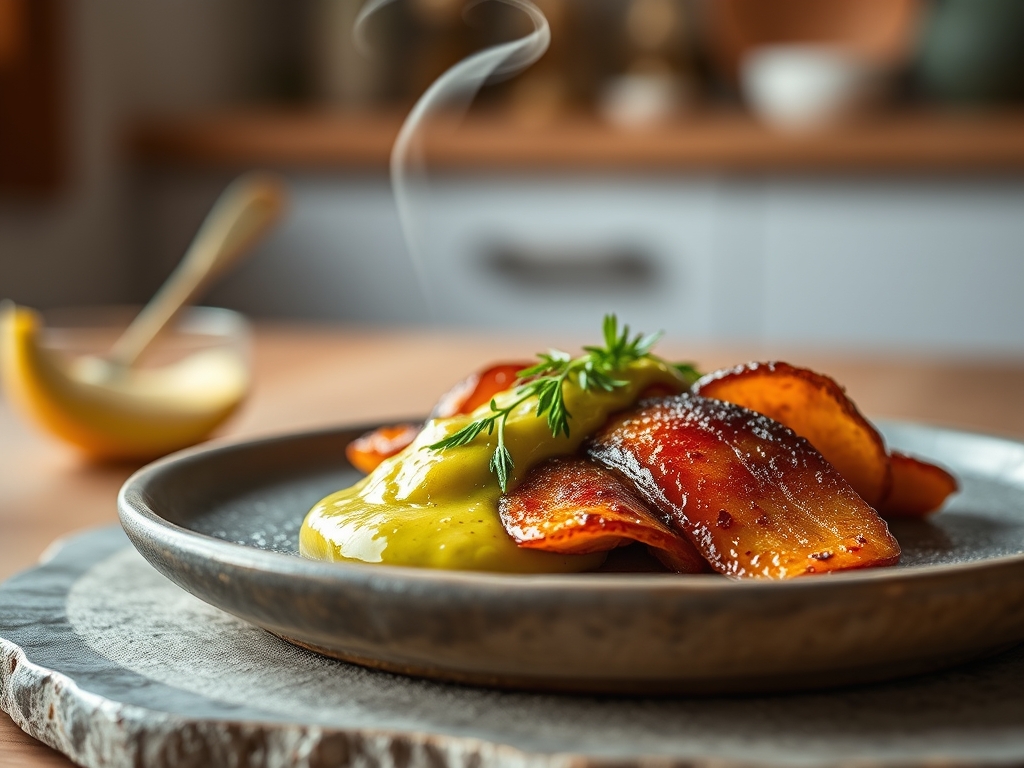
Your sinuses do not stand a chance against the sheer olfactory assault of a properly engineered Wasabi Mustard. We are not talking about that neon green paste found in plastic packets at the bottom of a takeout bag. No; we are operating at the intersection of high-octane heat and refined culinary architecture. The goal is a condiment that possesses a piquant bite so sharp it vibrates through your molars, yet remains viscous enough to coat a seared tuna steak with surgical precision. This is the Pungency Protocol. We are harnessing the volatile allyl isothiocyanates of the wasabi rhizome and marrying them to the deep, earthy burn of yellow mustard seeds. The result is a hybrid emulsion that demands respect. If your eyes are not watering by the time we hit the emulsification phase, you have failed the audit. Prepare your workstation for a sensory recalibration. We are about to render a base so potent it could wake the dead and then give them a very delicious reason to stay upright.
THE DATA MATRIX
| Metric | Specification |
|---|---|
| Prep Time | 15 Minutes |
| Execution Time | 10 Minutes |
| Yield | 350ml / 1.5 Cups |
| Complexity (1-10) | 4 |
| Estimated Cost per Serving | $0.85 |
THE GATHERS
Ingredient Protocol:
- 60g / 0.5 cup High-quality Yellow Mustard Powder
- 45g / 3 tbsp Authentic Wasabi Powder (Look for Wasabia japonica content)
- 120ml / 0.5 cup Rice Wine Vinegar (Unseasoned)
- 60ml / 0.25 cup Cold Filtered Water
- 30ml / 2 tbsp Raw Honey or Agave
- 5g / 1 tsp Fine Sea Salt
- 2g / 0.5 tsp Turmeric (For color stabilization)
- 15ml / 1 tbsp Grapeseed Oil (Neutral carrier)
Section A: Ingredient Quality Audit:
The primary failure point in this protocol is the "Wasabi Illusion." Most commercial powders are 98 percent horseradish and green dye. If your powder lacks the distinct, floral aroma of real wasabi, your end product will be one-dimensional. To fix a subpar powder, infuse the base with a micro-grated teaspoon of fresh ginger to simulate the missing complexity. Furthermore, if your mustard powder is older than six months, the essential oils have likely oxidized. Test this by mixing a pinch with water; if it does not produce a sharp, bitter sting within sixty seconds, discard it and source fresh stock. Finally, ensure your water is ice-cold. High temperatures during the initial hydration phase will denature the enzymes responsible for the heat, resulting in a dull, flat profile.
THE MASTERCLASS
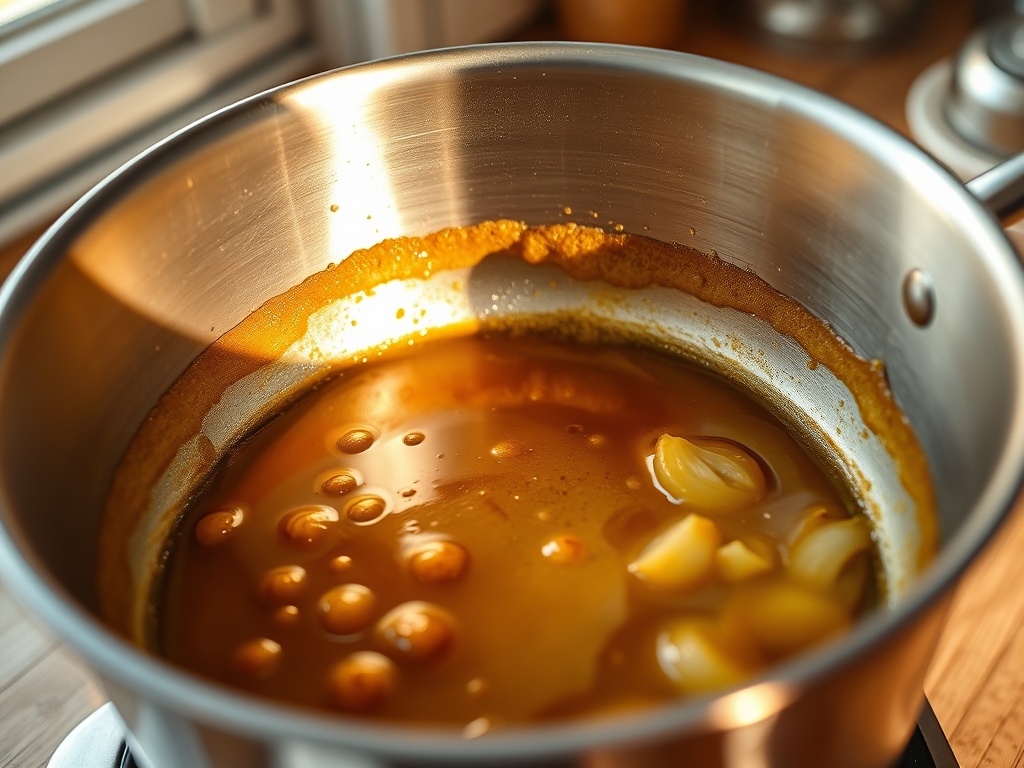
Step 1: The Dry Phase Integration
Combine the mustard powder, wasabi powder, turmeric, and sea salt in a stainless steel mixing bowl. Use a fine-mesh whisk to aerate the powders, ensuring there are no clumps or pockets of unmixed pigment.
Pro Tip: Accuracy is non-negotiable. Use a digital scale to measure by weight rather than volume. Dry powders compress differently depending on humidity; weight ensures the chemical ratio remains constant for a predictable burn.
Step 2: The Cold Hydration Strike
Slowly pour the ice-cold filtered water into the center of the dry mix. Use a silicone spatula to fold the liquid into the powder until a thick, uniform paste forms. Let this sit undisturbed for exactly five minutes.
Pro Tip: This "rest" period is where the chemical magic happens. The enzyme myrosinase reacts with glucosinolates to create the heat. If you add vinegar too early, the acidity will halt this reaction prematurely.
Step 3: Acidic Stabilization and Sweetening
Introduce the rice wine vinegar and honey to the paste. Switch to a small saucier whisk and beat the mixture vigorously until the honey is fully dissolved and the texture begins to loosen into a pourable consistency.
Pro Tip: The vinegar acts as a "kill switch" for the heat-producing enzyme. By adding it after the five-minute rest, you lock in the maximum pungency level before it begins to degrade.
Step 4: Lipid Emulsification
While whisking constantly, slowly drizzle in the grapeseed oil. This creates a stable emulsion that gives the Wasabi Mustard its signature viscous sheen and prevents the solids from settling over time.
Pro Tip: Use a bench scraper to clean the sides of the bowl during this process. Every gram of un-emulsified powder is a lost opportunity for flavor. The oil also coats the palate, allowing the heat to linger longer.
Section B: Prep & Timing Fault-Lines:
Temperature control is the silent killer in this recipe. If your kitchen is over 75 degrees Fahrenheit, the volatile compounds in the wasabi will evaporate before they reach the jar. Always work with chilled liquids. If the mixture feels warm to the touch during whisking, place the mixing bowl inside a larger bowl filled with ice (a bain-marie in reverse). Another common error is over-mixing after the vinegar is added. Once the emulsion is stable, stop. Excessive mechanical shear can break the delicate bond between the water and oil, leading to a "split" mustard that looks greasy and unappealing.
THE VISUAL SPECTRUM
Section C: Thermal & Visual Troubleshooting:
Referencing the Masterclass photo, your Wasabi Mustard should exhibit a vibrant, pale lime hue with a glossy, reflective surface. If your mustard appears dull or olive-drab, your turmeric was likely stale or your vinegar was too dark. To fix a muddy color, add a drop of lemon juice to shift the pH and brighten the pigments. If you see "weeping" (liquid pooling at the edges), the emulsion has failed. To rescue this, whisk in a half-teaspoon of xanthan gum or simply re-whisk with a teaspoon of hot water to reset the molecular tension. The texture should be smooth enough to hold a "peak" when the whisk is lifted, similar to a soft meringue.
THE DEEP DIVE
Macro Nutrition Profile:
Per 15ml (1 tbsp) serving: 25 Calories, 1.5g Fat, 3g Carbohydrates, 1g Protein, 180mg Sodium. It is a low-calorie flavor bomb designed for maximum impact with minimal caloric overhead.
Dietary Swaps:
- Vegan: Ensure your honey is swapped for agave or a simple syrup made from organic cane sugar.
- Keto: Replace the honey with a liquid monk fruit sweetener or erythritol to keep the net carb count near zero.
- GF: Naturally gluten-free, but verify that your mustard powder was not processed in a facility that handles wheat.
Meal Prep & Reheating Science:
This mustard is a living condiment. Its potency will peak at 24 hours and slowly decline over two weeks. Store it in a non-reactive glass jar with an airtight seal to prevent oxidation. Never heat this mustard directly; high heat destroys the isothiocyanates, turning your piquant masterpiece into a bitter, flavorless paste. If using in a hot dish, fold it into the sauce at the very last second after removing the pan from the heat source.
THE KITCHEN TABLE
How long does Wasabi Mustard stay spicy?
The peak pungency lasts about 7 to 10 days when refrigerated. After that, the volatile compounds begin to dissipate. Keep the lid tight and store it in the coldest part of your fridge to extend its shelf life.
Can I use prepared yellow mustard as a base?
You can, but it is an inferior method. Prepared mustards contain stabilizers and high acidity that interfere with the wasabi's enzyme activation. Starting from powder allows you to control the "burn window" for a much sharper profile.
Why is my mustard bitter instead of hot?
Bitterness usually stems from low-quality mustard powder or using water that was too warm. If it is already bitter, try adding a tiny pinch of salt and a bit more honey to balance the alkaloids on the tongue.
Does this work as a marinade?
Absolutely. The enzymes in the mustard act as a mild tenderizer for proteins. It is particularly effective on fatty fish like salmon or mackerel, where the acidity and heat cut through the richness of the lipids.