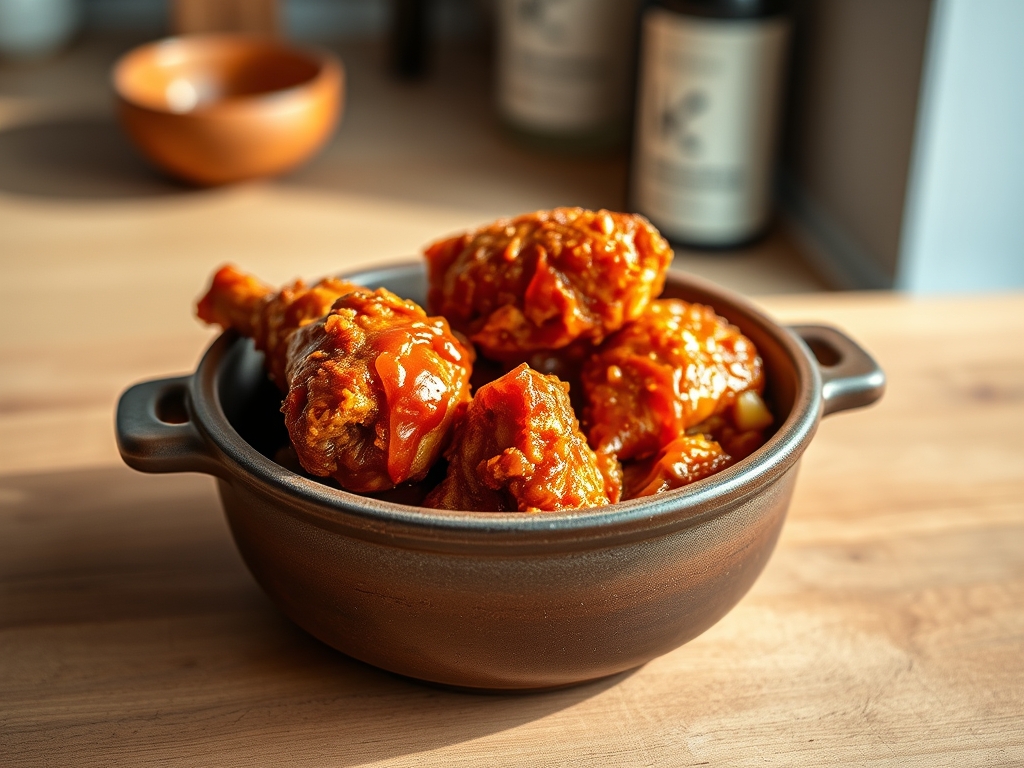
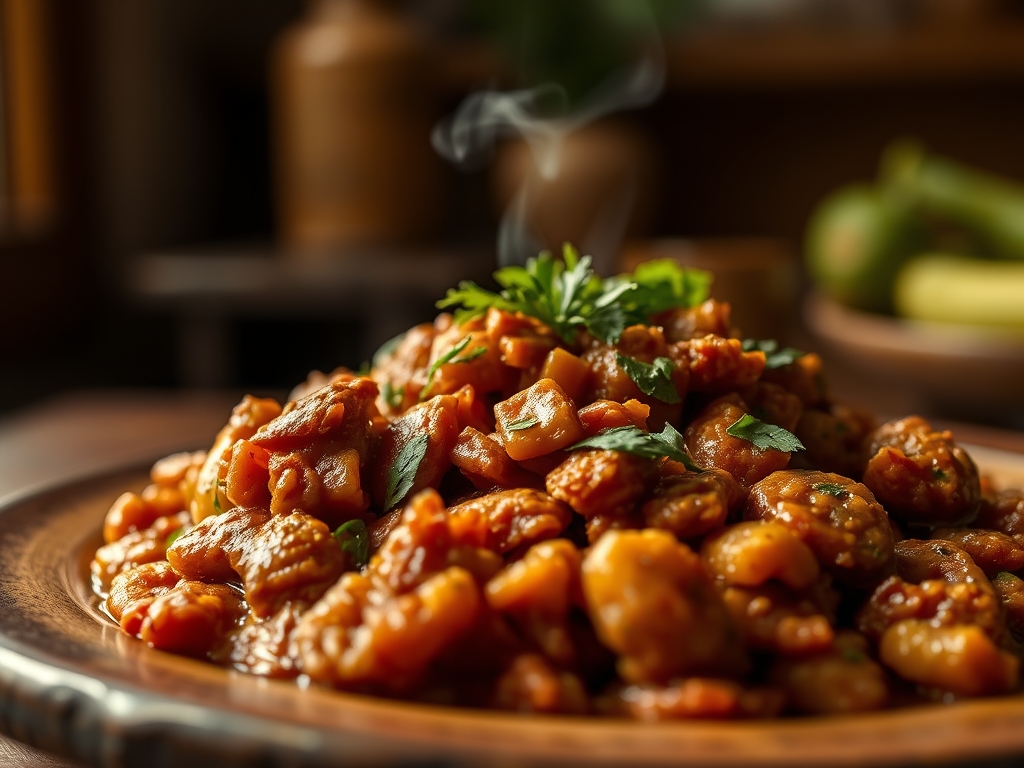
Welcome to the culinary theater of the deep south; where the air is thick with humidity and the scent of hardwood smoke. We are not here to discuss mere sustenance. We are here to audit the structural integrity of a true Cajun Jambalaya. This is a dish defined by its grit; its lack of tomato; and its reliance on the profound alchemy of the Maillard reaction. Unlike its Creole cousin; the Cajun variant demands a brown; savory depth that can only be achieved through the meticulous rendering of animal fats and the caramelization of natural sugars. We are looking for a result that is earthy; piquant; and structurally sound. Every grain of rice must stand as an independent pillar of flavor; saturated with pork fat and chicken stock; yet never collapsing into a soggy; undifferentiated mass. If your pot looks like a swamp; you have failed the audit. If it tastes like a revelation; you have mastered the Holy Trinity. Let us begin the inspection.
THE DATA MATRIX
| Metric | Specification |
|---|---|
| Prep Time | 45 Minutes |
| Execution Time | 60 Minutes |
| Yield | 8 Servings |
| Complexity | 7/10 |
| Estimated Cost per Serving | $3.50 – $4.50 |
THE GATHERS
Ingredient Protocol:
- Protein Base: 900g / 2 lbs Boneless Pork Shoulder (cubed).
- Sausage: 450g / 1 lb Andouille Sausage (sliced into rounds).
- The Holy Trinity: 500g / 3 cups Yellow Onion (diced); 250g / 1.5 cups Green Bell Pepper (diced); 200g / 1 cup Celery (diced).
- Aromatics: 30g / 6 cloves Garlic (minced); 15g / 1 tbsp Fresh Thyme.
- Liquid Gold: 1.2L / 5 cups Fortified Chicken Stock.
- The Grain: 600g / 3 cups Long-Grain White Rice (parboiled is acceptable for stability).
- Fat Source: 60ml / 0.25 cup Vegetable Oil or Lard.
- Seasoning: 15g / 1 tbsp Smoked Paprika; 5g / 1 tsp Cayenne Pepper; Salt and Black Pepper to taste.
Section A: Ingredient Quality Audit:
If your pork shoulder is too lean; the dish will lack the viscous mouthfeel required for a premium Cajun Jambalaya. Ensure your cut has significant intramuscular marbling. If the meat appears "wet" from the grocery store packaging; pat it dry with lint-free towels before it touches the pan. Excess moisture is the enemy of the sear. Furthermore; if your Andouille lacks a snap; it likely contains too much filler. Technical fix: Sear the sausage separately at a higher temperature to infuse the casing with a charred structural rigidity before adding it to the main pot.
THE MASTERCLASS
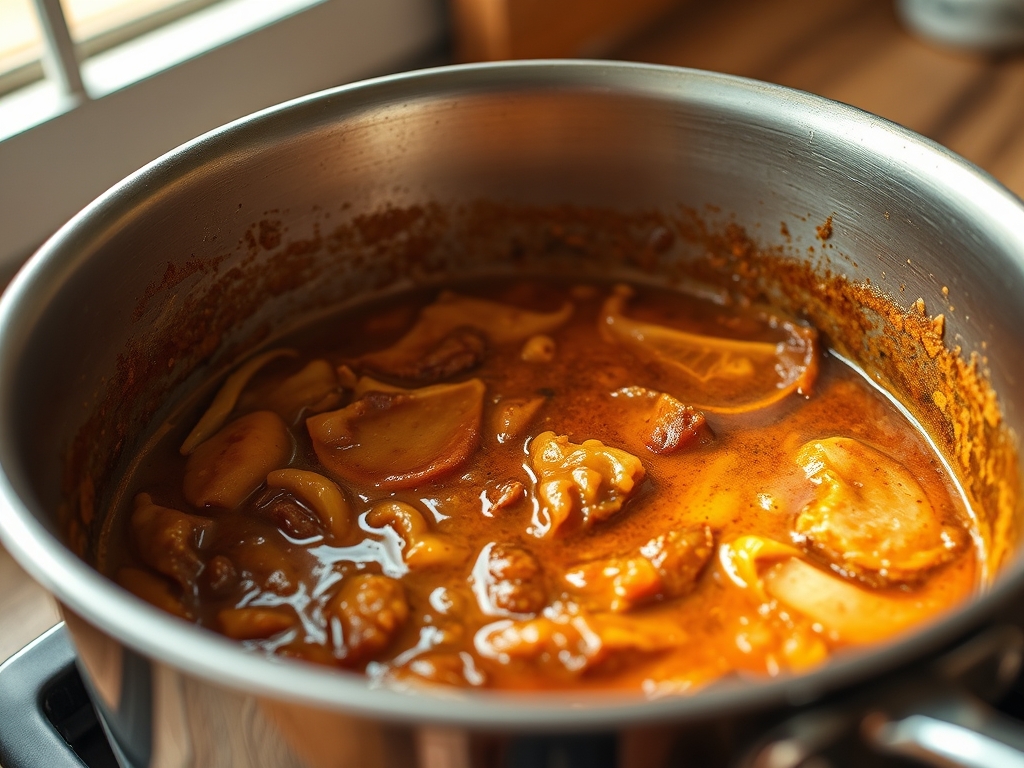
1. The Initial Render and Sear
In a heavy-bottomed cast iron dutch oven; heat your fat until it reaches the shimmering point. Add the cubed pork shoulder in batches. Do not crowd the vessel. You are looking for a deep; mahogany crust on all sides. This is not just browning; it is the creation of "fond" (the browned bits on the bottom of the pot).
Pro Tip: Use a digital infrared thermometer to ensure your oil is at least 190C (375F) before adding meat. The science here is simple: high heat triggers the Maillard reaction; creating complex flavor compounds that provide the "brown" in Cajun cooking.
2. The Trinity Integration
Once the meat is removed; add your onions; peppers; and celery to the rendered fat. Use a stainless steel bench scraper or a wooden paddle to aggressively scrape the bottom of the pot. The moisture from the vegetables will deglaze the pan; lifting the fond into the mixture.
Pro Tip: Cook the onions until they are translucent and slightly charred at the edges. This creates a natural sweetness that balances the piquant heat of the cayenne.
3. The Toasting of the Grain
Add your dry rice directly to the vegetable and fat mixture before adding any liquid. Stir constantly for three minutes until the edges of the rice grains become translucent.
Pro Tip: Toasting the rice coats each grain in fat; which prevents the starch from gelatinizing too quickly. This ensures the final texture is distinct rather than mushy. Use a saucier or a wide pot to maximize surface area contact.
4. The Hydration Phase
Pour in your fortified chicken stock and return the meats to the pot. Bring the mixture to a hard boil for two minutes; then reduce the heat to the lowest possible setting. Cover with a tight-fitting lid.
Pro Tip: Use a digital kitchen scale to measure your liquid-to-rice ratio by weight for 100% accuracy. Volumetric measurements are prone to human error based on how tightly the rice is packed in the cup.
5. The Rest and Aeration
After 25 minutes; turn off the heat but do not open the lid. Let the pot sit for 10 minutes. Finally; use a large fork to aerate the rice; gently lifting and turning the grains to release trapped steam.
Pro Tip: Opening the lid too early allows essential steam to escape; which can lead to "crunchy" rice centers. Patience is a technical requirement.
Section B: Prep & Timing Fault-Lines:
The most common failure in Cajun Jambalaya is the "mush factor." This occurs when the heat is too low during the initial vegetable sauté; causing the Trinity to steam in its own juices rather than fry. If you see liquid pooling in the bottom of the pot during the sauté phase; turn up the heat immediately. Another timing error is adding the garlic too early. Garlic burns at a lower temperature than onions; if it chars; it will turn the entire batch bitter. Add garlic only in the final 60 seconds of the vegetable sauté.
THE VISUAL SPECTRUM
Section C: Thermal & Visual Troubleshooting:
Referencing the Masterclass photo above; a perfect Jambalaya should exhibit a spectrum of deep ambers and burnt oranges. If your dish looks pale or yellow; you did not develop enough fond during the pork-searing phase. Solution: Next time; sear the meat longer than you think is necessary. If the rice looks "exploded" or split; you used too much liquid or stirred the pot during the simmering phase. Once the lid goes on; the pot is a closed system; do not disturb the internal pressure. If the color is dull; a final garnish of fresh green onions and parsley will provide the necessary visual contrast to the heavy; earthy tones of the meat.
THE DEEP DIVE
Macro Nutrition Profile:
A standard serving provides approximately 550 calories; 35g of protein; 45g of carbohydrates; and 25g of fat. It is a high-density fuel source designed for labor-intensive environments.
Dietary Swaps:
- Vegan: Replace pork and sausage with smoked tempeh and charred cauliflower. Use a mushroom-based "umami" stock to replicate the depth of the meat fond.
- Keto: Replace rice with cauliflower rice; but add it only in the last 5 minutes of cooking to avoid total disintegration.
- GF: Naturally gluten-free; provided your Andouille sausage does not use flour as a binder.
Meal Prep & Reheating Science:
To maintain molecular structure when reheating; avoid the microwave. The microwave agitates water molecules unevenly; leading to rubbery sausage and mushy rice. Instead; reheat in a covered skillet with a tablespoon of water or stock to re-steam the grains and restore the viscous texture of the fats.
THE KITCHEN TABLE
Why is my rice still crunchy?
You likely lost steam by lifting the lid or your liquid-to-rice ratio was off. Add two tablespoons of hot stock; seal the lid tightly; and let it sit on low heat for five more minutes to finish the hydration.
Can I use brown rice?
Yes; but the execution time will double. Brown rice requires more liquid and a longer simmer to break down the bran layer. The structural integrity is excellent; but the flavor profile becomes significantly more nutty and less traditional.
What if I can't find Andouille?
Substitute with a high-quality smoked Kielbasa or Spanish Chorizo. Ensure the substitute has a high fat content to properly render during the initial sear; as this fat is the primary flavor carrier for the entire dish.
Why is my Jambalaya bitter?
You likely scorched the "fond" or the garlic. If the bottom of the pot turns black instead of deep brown; you must deglaze and scrape away the burnt bits before adding the rice; or the bitterness will permeate every grain.