Listen up, kitchen operatives. We are not here to toss some noodles in a jar of red sludge and call it dinner. We are here to engineer a masterpiece of high-viscosity, high-impact flavor. The Spicy Rigatoni Vodka sauce is the gold standard of Italian-American fusion; it is a tactical exercise in fat management and ethanol-driven flavor extraction. When done correctly, it is a shimmering, sunset-orange emulsion that clings to the ridges of your pasta like a velvet glove. When done poorly, it is a broken, greasy mess that separates on the plate. We are targeting a specific sensory profile: the sharp, piquant bite of Calabrian chilies balanced by the rounded sweetness of caramelized tomato paste and the luxurious mouthfeel of heavy cream. This is about structural integrity. This is about the science of the simmer. We are building a sauce that does not just sit on the pasta; it integrates with it at a molecular level. Grab your apron and calibrate your sensors. It is time to execute.
THE DATA MATRIX
| Metric | Specification |
|---|---|
| Prep Time | 15 Minutes |
| Execution Time | 25 Minutes |
| Yield | 4 Servings |
| Complexity | 4 / 10 |
| Estimated Cost per Serving | $3.50 – $4.50 |
THE GATHERS
Ingredient Protocol:
- 500g / 1 lb Rigatoni (Bronze-die extruded preferred)
- 60ml / 4 tbsp Unsalted High-Fat Butter
- 1 Large Shallot, finely minced (approx. 50g)
- 3 Cloves Garlic, microplaned (approx. 15g)
- 130g / 4.5 oz Double-Concentrated Tomato Paste
- 15g / 1 tbsp Calabrian Chili Paste (Adjust for heat)
- 60ml / 2 oz Premium Vodka (80 proof)
- 240ml / 1 cup Heavy Cream (minimum 36% milkfat)
- 50g / 1/2 cup Finely Grated Parmigiano-Reggiano
- 15ml / 1 tbsp Reserved Pasta Water (The "Liquid Gold")
- 5g / 1 tsp Fresh Oregano or Basil for garnish
Section A: Ingredient Quality Audit:
If your tomato paste smells metallic or flat, it has likely oxidized in the tube. To fix this, you must extend the sauting phase to ensure the sugars undergo proper caramelization. If your heavy cream is ultra-pasteurized, it may resist emulsification; whisking in a cold knob of butter at the very end (the monter au beurre technique) will restore the lost sheen. Avoid pre-shredded cheese at all costs. The cellulose anti-caking agents will turn your sauce into a gritty, structural failure. Always grate from a wedge using a microplane to ensure the particles are small enough to melt instantly upon contact with the thermal mass of the sauce.
THE MASTERCLASS
1. The Aromatics Deployment
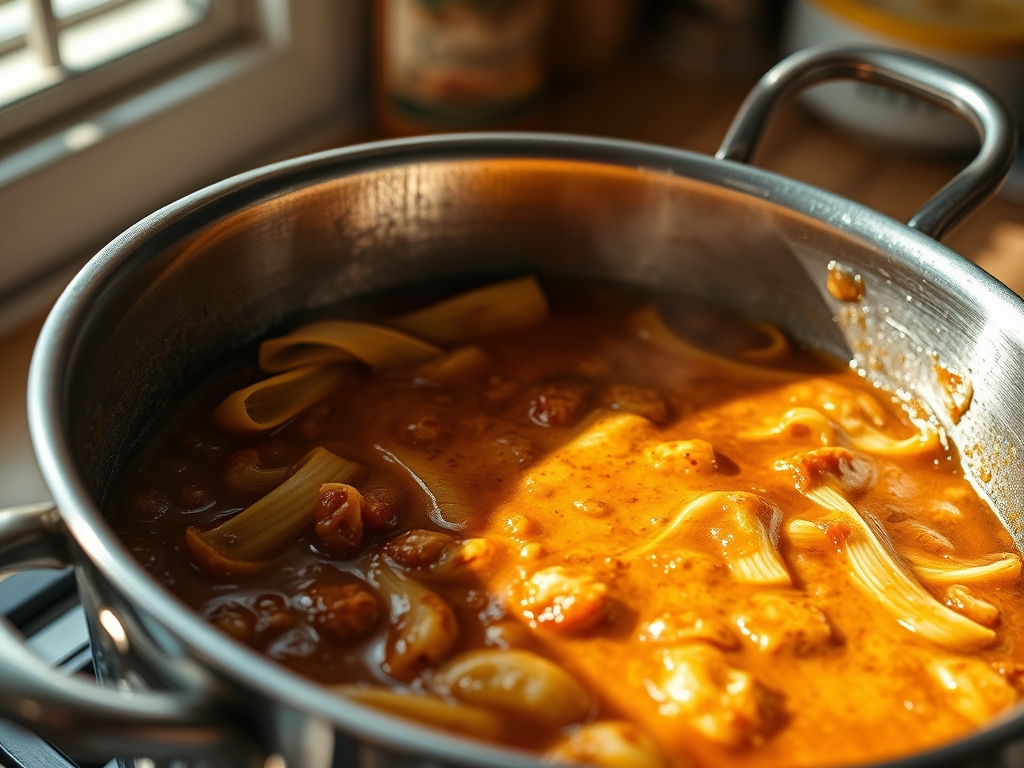
Begin by placing a heavy-bottomed saucier over medium-low heat. Add your butter and allow it to melt until the foam subsides. Introduce the minced shallots and a pinch of salt. Sauté until translucent but not browned; we are looking for a soft, aromatic base, not a Maillard reaction yet. Add the garlic in the final 60 seconds to prevent burning.
Pro Tip: Use a digital scale to measure your aromatics. Consistency in the "allium base" ensures that the piquant notes of the chili do not overwhelm the delicate sweetness of the shallots.
2. Tomato Paste Concentration
Increase the heat to medium and add the tomato paste and Calabrian chili paste. Use a silicone spatula or a bench scraper to move the paste around the pan constantly. You are looking for the color to shift from a bright red to a deep, rusty maroon. This indicates the sugars are concentrating and the raw acidity is being neutralized.
Pro Tip: This process, known as pincé, is vital. The heat breaks down the pectin in the tomatoes, creating a more viscous texture that will eventually hold the emulsion together.
3. Ethanol Deglazing
Pour in the vodka. Use the liquid to deglaze the bottom of the pan, scraping up every bit of concentrated tomato essence. Allow the liquid to reduce by half. You want the harsh alcohol scent to dissipate, leaving behind the esters that enhance the fruitiness of the tomatoes.
Pro Tip: Vodka acts as an emulsifier and flavor bridge. Certain flavor compounds in tomatoes are alcohol-soluble; without the vodka, those flavors remain locked away from your taste buds.
4. The Cream Integration
Reduce heat to low and slowly pour in the heavy cream. Whisk constantly to incorporate the fat into the tomato base. The sauce should transform into a vibrant, uniform orange. Simmer gently for 3 to 5 minutes until the sauce thickens enough to coat the back of a spoon.
Pro Tip: Do not let the sauce boil vigorously once the cream is added. High heat can cause the proteins to denature and the fat to render out, leading to a broken sauce.
5. The Emulsion Finality
Drop your rigatoni into boiling salted water 2 minutes shy of the package instructions. Transfer the pasta directly into the sauce using a spider strainer. Add a splash of pasta water and the Parmigiano-Reggiano. Toss vigorously over medium heat until the sauce is glossy and clings to every ridge of the Spicy Rigatoni Vodka.
Pro Tip: The starch in the pasta water is the "glue." It works with the cheese to create a stable, viscous coating that resists sliding off the pasta.
Section B: Prep & Timing Fault-Lines:
The most common failure is the "Dry Noodle Syndrome." This occurs when the pasta is drained in a colander and sits, allowing the surface starches to go cold and tacky. To avoid this, always move the pasta directly from the water to the saucier. If the sauce becomes too thick before the pasta is ready, kill the heat and cover it. Re-activate with a small amount of hot pasta water just before the final toss. Timing is the difference between a professional-grade dish and a lukewarm disappointment.
THE VISUAL SPECTRUM
Section C: Thermal & Visual Troubleshooting:
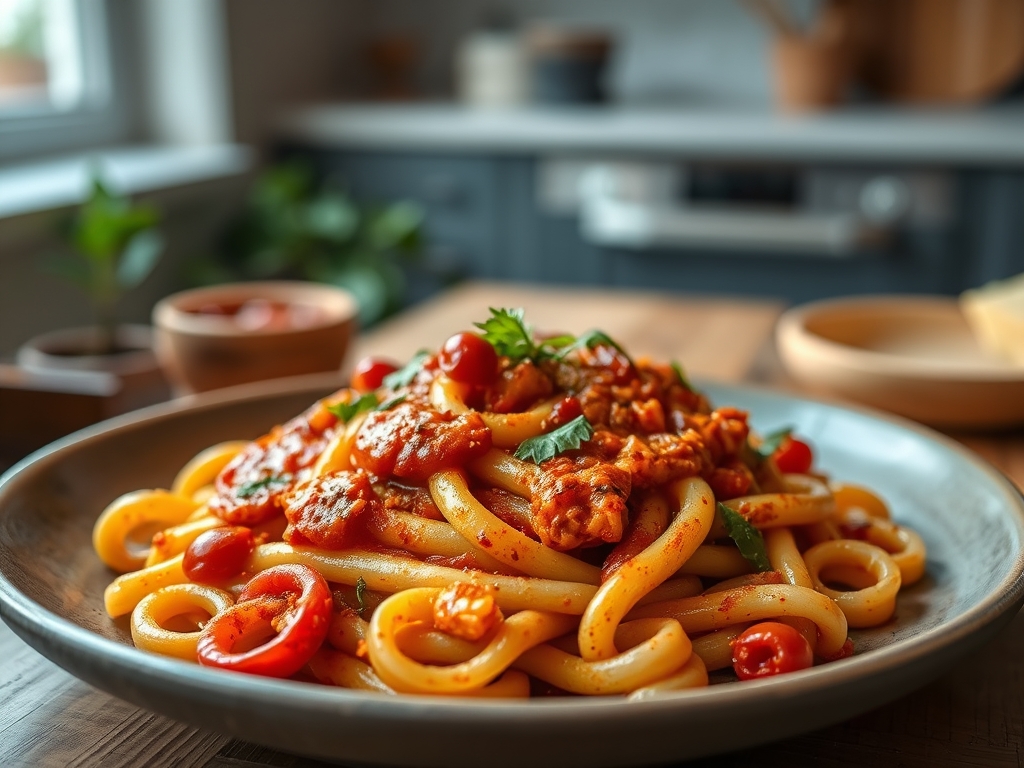
Referencing the Masterclass photo, your final product should exhibit a "high-gloss" finish. If your sauce looks dull or matte, you lack sufficient fat or starch; add a tablespoon of pasta water and a knob of cold butter. If you see pools of oil on the surface, the emulsion has broken. To rescue it, remove from heat and whisk in a teaspoon of room-temperature heavy cream to re-bind the fats. The color should be a uniform "International Orange." If you see streaks of white, your cheese was not grated finely enough or the sauce was not agitated sufficiently during the final phase.
THE DEEP DIVE
Macro Nutrition Profile
A standard serving of Spicy Rigatoni Vodka contains approximately 650 calories. The breakdown is roughly 45% carbohydrates from the wheat, 40% fats from the cream and butter, and 15% protein from the cheese and pasta. This is a high-energy fuel source designed for maximum satisfaction.
Dietary Swaps
- Vegan: Replace butter with olive oil, heavy cream with full-fat cashew cream, and Parmigiano with nutritional yeast and ground toasted breadcrumbs.
- Keto: Swap rigatoni for roasted cauliflower florets or palmini noodles. The sauce itself is naturally low-carb if you ensure the tomato paste has no added sugar.
- GF: Utilize high-quality brown rice or corn-based rigatoni. Increase pasta water usage, as GF starches behave differently in emulsions.
Meal Prep & Reheating Science
To maintain the molecular structure when reheating, avoid the microwave. The uneven waves will break the emulsion. Instead, place the leftovers in a small pan with a splash of water or milk. Heat over low, stirring constantly to aerate the sauce and reintegrate the fats as they melt.
THE KITCHEN TABLE
Why use vodka if the alcohol cooks off?
The vodka functions as an organic solvent. It extracts flavor compounds from the tomatoes and chilies that are not water or fat-soluble. Even after the ethanol evaporates, those extracted flavors remain integrated into the sauce.
Can I substitute the Calabrian chilies?
You can use red pepper flakes, but you lose the fermented depth. If using flakes, add them to the butter at the very beginning to infuse the fat with heat before adding the aromatics.
What is the best pasta shape for this sauce?
Rigatoni is the tactical choice. The large central cavity traps the viscous sauce, while the exterior ridges provide maximum surface area for the emulsion to cling to. Penne is an acceptable secondary option.
My sauce turned out too spicy. How do I fix it?
Increase the dairy component. The casein in the heavy cream binds to the capsaicin, effectively neutralizing the heat on your palate without compromising the structural integrity of the sauce.