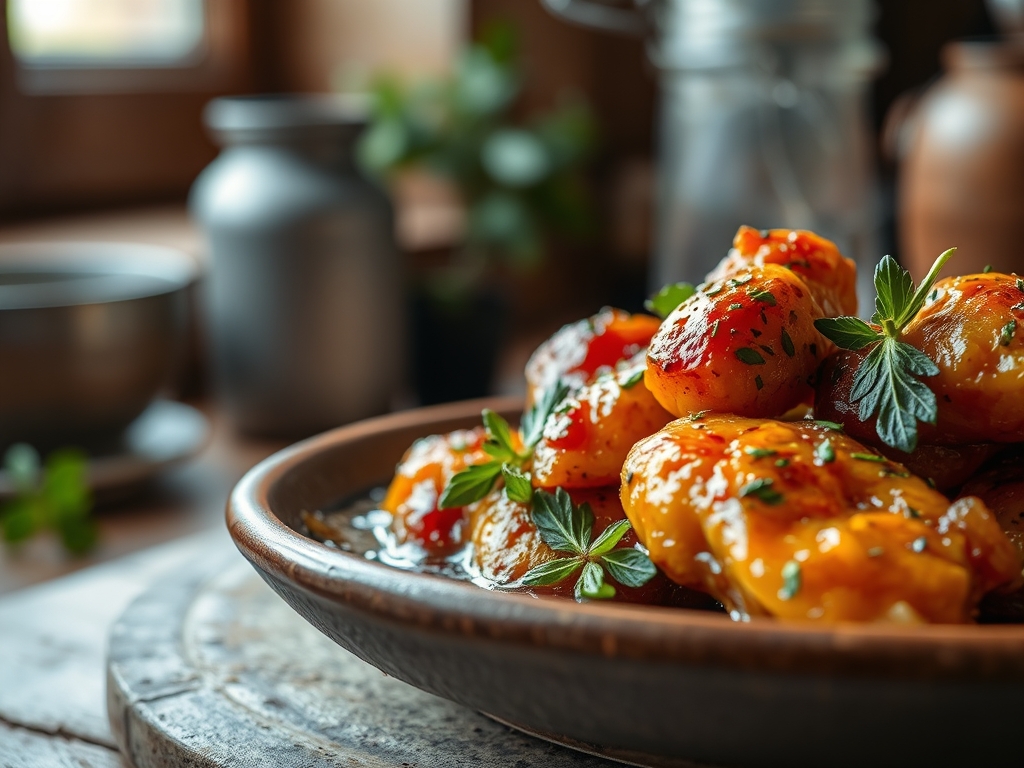
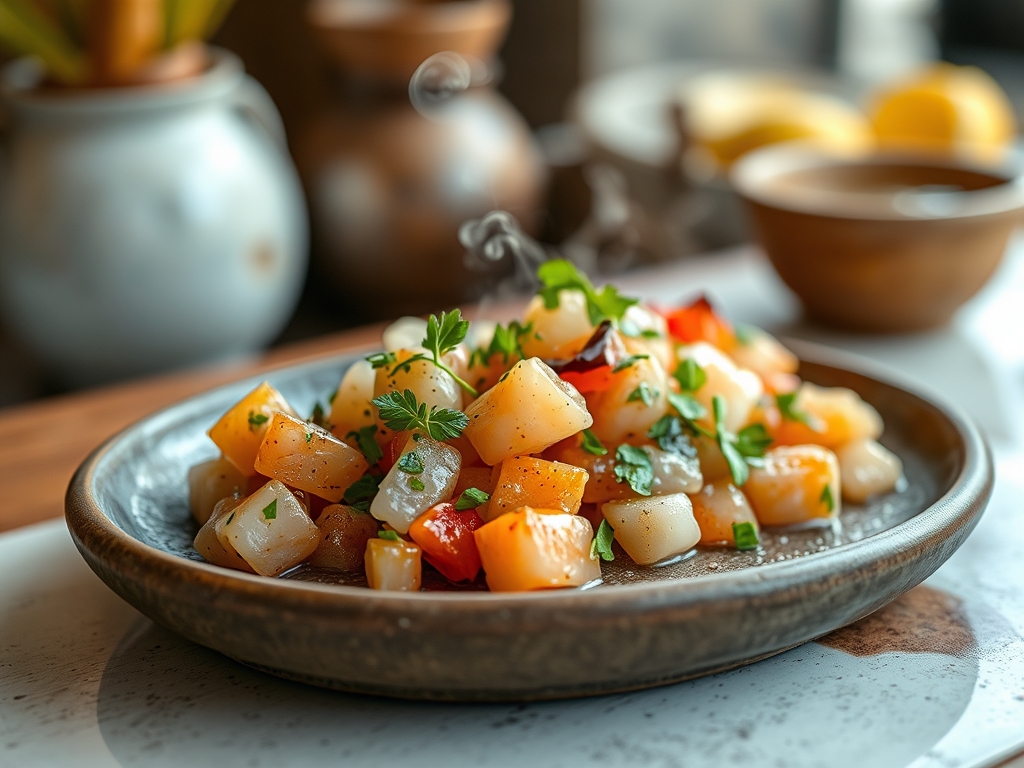
Forget everything you know about cooking with fire. In the realm of Peruvian Ceviche, we are not harnessing thermal energy; we are weaponizing chemistry. This is the art of the cold burn. When you submerge pristine cubes of translucent sea bass into a bath of high-octane lime juice, you are initiating a structural coup d'etat. The citric acid infiltrates the muscle fibers, unraveling the tightly coiled proteins in a process known as acid denaturation. It is a molecular mimicry of heat that transforms raw, flaccid tissue into firm, opaque perfection without a single BTU of flame. This dish is the crown jewel of Lima, a high-stakes balance of piquant acidity, the creeping heat of habanero or aji amarillo, and the cooling crunch of red onion. It is visceral. It is electric. If you fail to respect the timing, you end up with a rubbery, over-cured disaster. If you master the variables, you produce a plate that vibrates with freshness and technical precision. Let us audit your infrastructure and execute the perfect cure.
THE DATA MATRIX
| Metric | Specification |
|---|---|
| Prep Time | 25 Minutes |
| Execution Time | 5 Minutes |
| Yield | 4 Servings |
| Complexity (1-10) | 7 (Precision Dependent) |
| Estimated Cost per Serving | $12.00 – $18.00 |
THE GATHERS
Ingredient Protocol:
- 700g / 1.5 lbs Ultra-fresh white fish (Sea Bass, Flounder, or Grouper)
- 240ml / 1 cup Freshly squeezed lime juice (approx. 10 to 12 limes)
- 15g / 1 tbsp Aji Amarillo paste or finely minced habanero
- 120g / 1 cup Red onion, julienned and rinsed in ice water
- 10g / 2 tsp Sea salt (Flaky or Kosher)
- 5g / 1/2 cup Fresh cilantro, leaves only, finely chiffonaded
- 1 medium Sweet potato, boiled and sliced into rounds
- 50g / 1/2 cup Choclo (Peruvian large-kernel corn) or toasted corn nuts
Section A: Ingredient Quality Audit:
The primary failure point in Peruvian Ceviche is the fish's structural integrity. If your raw material feels "mushy" or emits a "fishy" odor, the trimethylamine levels are already too high. This cannot be fixed; it must be discarded. To troubleshoot marginal firmness, ensure the fish is kept at exactly 1 degree Celsius (34 degrees Fahrenheit) until the moment of slicing. If your limes are bitter, you are likely over-squeezing them. Use a hand-press and stop before you hit the white pith, which contains bitter limonoids. If your red onions are too pungent, they will overwhelm the delicate esters of the fish. The fix is a ten-minute soak in an ice-water bath to leach out the aggressive sulfur compounds, followed by a thorough drying with a lint-free kitchen towel.
THE MASTERCLASS
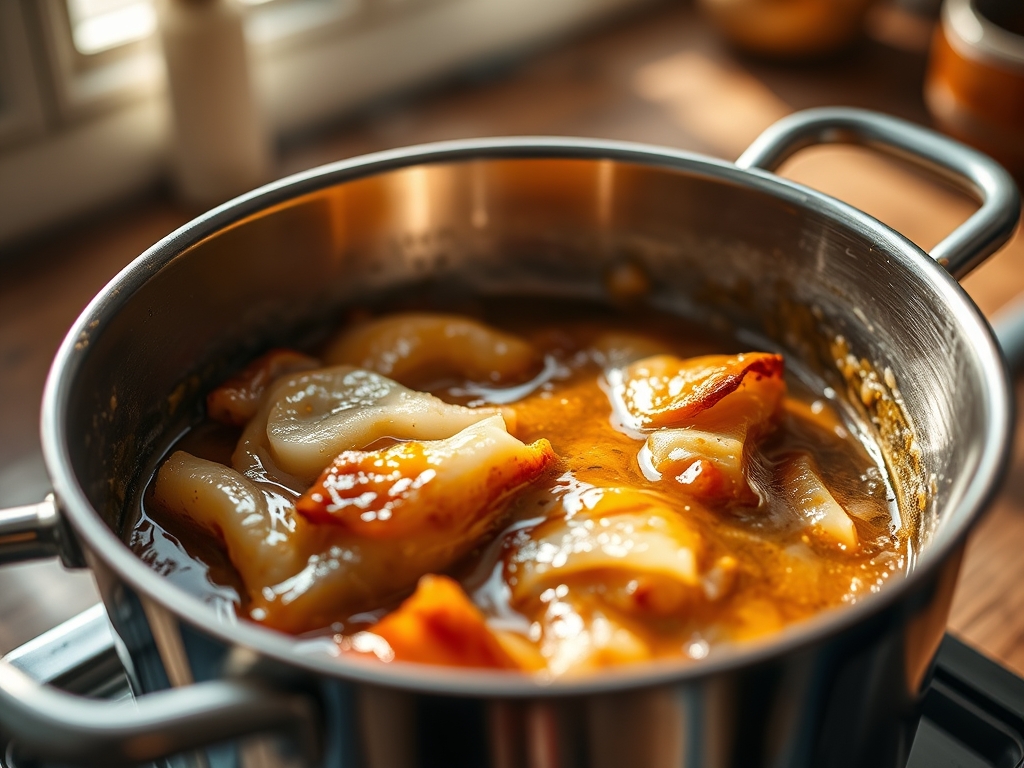
1. The Precision Cut
Using a razor-sharp yanagiba or a high-carbon steel chef's knife, slice the chilled fish into uniform 2cm cubes. Consistency is not aesthetic; it is functional. Uneven sizes result in uneven denaturation, leaving some pieces raw at the core while others are over-cured.
Pro Tip: Always slice against the grain of the muscle fibers. This shortens the protein strands, ensuring a tender mouthfeel rather than a "stringy" texture. Use a bench scraper to move the delicate fish to a chilled stainless steel mixing bowl to avoid heat transfer from your hands.
2. The Leche de Tigre Foundation
In a separate glass bowl, whisk the lime juice, minced chili, and sea salt. This liquid is the "Tiger's Milk." The salt is critical here; it acts as a solute that draws out the fish's internal juices, which then emulsify with the lime and chili to create a creamy, opaque dressing.
Pro Tip: Use a digital scale to measure your salt. A 1.5% salt-to-fish ratio by weight is the "sweet spot" for flavor enhancement without causing osmotic dehydration. A small saucier whisk can help aerate the liquid, ensuring the chili oils are fully dispersed.
3. The Cold-Phase Emulsification
Combine the fish and the Leche de Tigre. Gently toss the mixture for exactly 60 seconds. You will notice the liquid turning milky. This is the infusion of fish proteins into the acid. Add the julienned onions and cilantro at the final 30 seconds to maintain their structural "snap."
Pro Tip: Do not let the fish marinate for more than 5 to 10 minutes total. Peruvian Ceviche is served "minute-style." Longer exposure leads to "cooking" the fish until the proteins become tightly knotted and rubbery. Professional kitchens use a thermopen to ensure the bowl stays below 4 degrees Celsius during this phase.
4. The Structural Assembly
Plate the ceviche immediately. Use a slotted spoon to mound the fish in the center of a chilled shallow bowl, then pour the remaining Leche de Tigre over the top. Garnish with the sweet potato and choclo. These components provide the necessary starch to buffer the viscous acidity of the lime juice.
Pro Tip: The sweet potato should be creamy, not fibrous. Use a mandoline for perfectly uniform slices. The contrast between the cold fish and the room-temperature potato creates a complex sensory profile that defines the authentic experience.
Section B: Prep & Timing Fault-Lines:
The most common human error is "The Long Soak." Many amateur chefs treat ceviche like a slow-cooker meal, letting it sit for an hour. This results in a dry, chalky texture. If you are serving a crowd, prep all components separately (the "mise en place") and only combine them in small batches as needed. Another fault-line is temperature fluctuation. If your ambient kitchen temperature is high, perform the mixing over an ice bath (a "bain-marie" in reverse). This prevents the delicate fats in the fish from beginning to render or oxidize, which would ruin the clean, oceanic finish of the dish.
THE VISUAL SPECTRUM
Section C: Thermal & Visual Troubleshooting:
Referencing the Masterclass photo above, look for the "Frost" effect. The fish should appear matte white on the exterior but retain a hint of translucent pink or grey at the very center. If the fish looks "grey" all the way through, you have over-marinated. If the Leche de Tigre looks clear rather than milky, you haven't agitated the mixture enough to release the proteins. Dull colors in the cilantro or onion indicate oxidation. To prevent this, never chop your herbs in advance; the cellular walls should be ruptured only seconds before they hit the acid. If your sweet potato appears jagged, your knife is dull; a clean, sharp edge is required to maintain the architectural integrity of the plating.
THE DEEP DIVE
Macro Nutrition Profile:
Peruvian Ceviche is a nutritional powerhouse. A standard serving contains approximately 250 calories, 40g of high-quality protein, 5g of healthy fats (Omega-3s), and 15g of complex carbohydrates from the sweet potato and corn. It is naturally low in saturated fats and high in Vitamin C and potassium.
Dietary Swaps (Vegan/Keto/GF):
- Vegan: Replace the fish with blanched king oyster mushroom caps or hearts of palm. The porous structure of the mushrooms absorbs the Leche de Tigre beautifully.
- Keto: Omit the sweet potato and choclo. Increase the avocado garnish to provide healthy fats and satiety.
- GF: This dish is naturally gluten-free, provided your Aji Amarillo paste does not contain thickeners. Always verify the label.
Meal Prep & Reheating Science:
Ceviche does not "reheat." Applying thermal energy to acid-denatured fish will result in a disastrous, mushy texture. For meal prep, store the sliced fish, the julienned onions, and the Leche de Tigre in three separate airtight containers. Combine them only 5 minutes before consumption to maintain the molecular structure and the "pop" of the proteins.
THE KITCHEN TABLE
Can I use frozen fish for ceviche?
Yes, provided it is "sushi-grade" and flash-frozen at ultra-low temperatures. This process actually kills parasites, making it safer than "fresh" fish that has sat in a display case for three days. Thaw slowly in the refrigerator before slicing.
Why is my Leche de Tigre too sour?
You likely over-extracted the lime juice or used limes that were under-ripe. Balance the pH by adding a tablespoon of chilled dashi or fish stock. This dilutes the acid while adding a layer of umami depth.
What is the best fish for a beginner?
Flounder or Tilapia are excellent entry-level options. They have a mild flavor profile and a consistent cellular structure that reacts predictably to acid denaturation, making them perfect for your first structural audit.
How do I make it spicier without losing flavor?
Infuse the lime juice with sliced habaneros for 30 minutes, then strain the solids out before adding the fish. This transfers the capsaicin heat into the liquid phase without the distraction of large chili chunks.