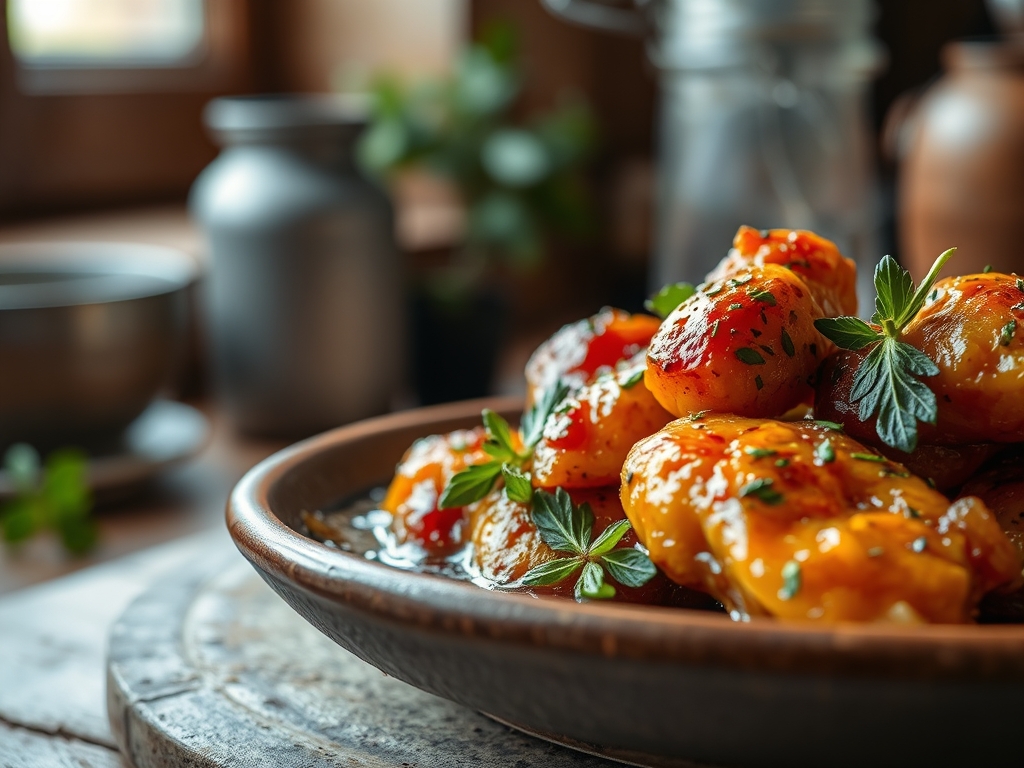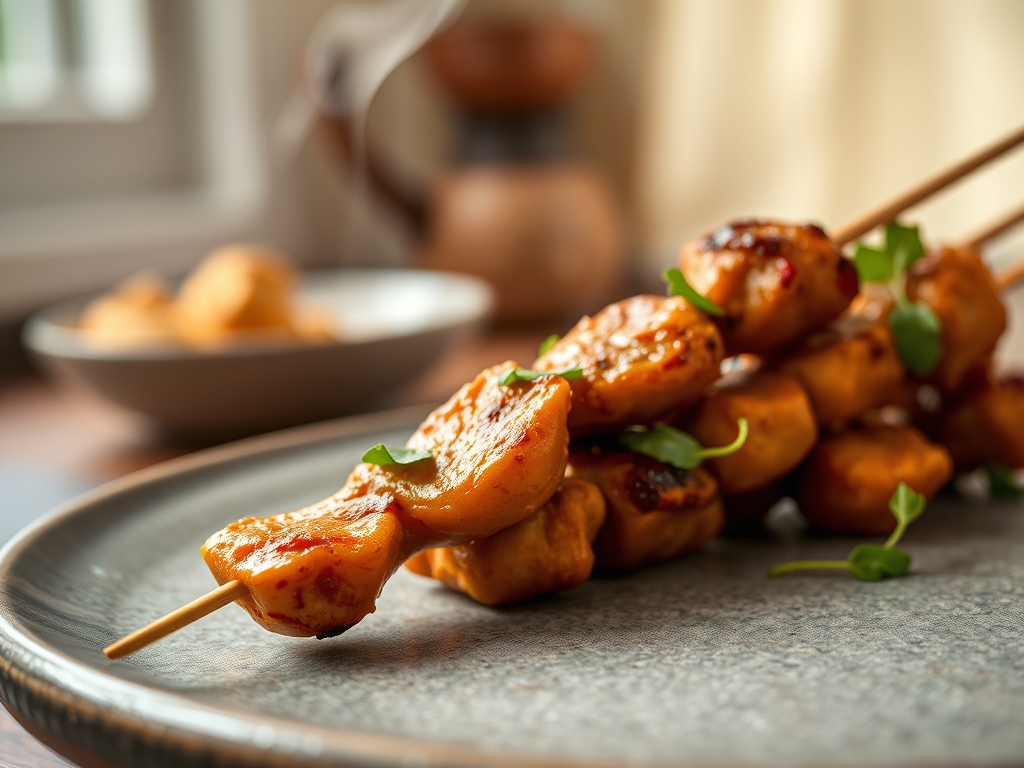
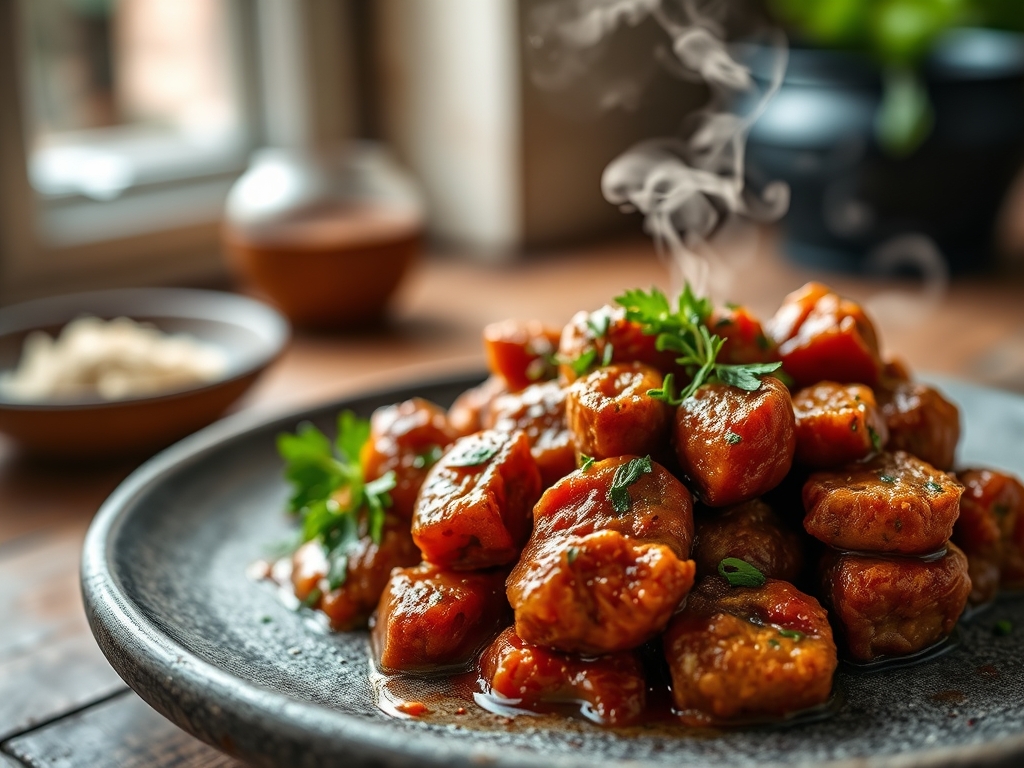
The air in a high stakes kitchen does not just carry scents; it carries a physical weight of cumin, coriander, and the stinging aerosol of dried chilies. We are not merely stuffing meat into tubes here. We are conducting a masterclass in structural engineering and lipid management. Welcome to the world of North African Merguez. This is a sausage that demands respect. It is a piquant, crimson marvel that relies on the delicate balance of lean lamb shoulder and the aggressive heat of harissa. If your casing lacks integrity, your fat will render out into a sad puddle, leaving you with a dry, crumbly failure. We are looking for a snap that echoes against the tile walls and a juice profile that stains the plate a glorious ochre. This is about the friction between the spice and the protein. It is about the emulsification of fat into muscle fiber. We are building a flavor profile that is ancient, bold, and unapologetically intense. Strap in; we are about to audit your sausage game from the ground up.
THE DATA MATRIX
| Metric | Specification |
|---|---|
| Prep Time | 45 Minutes (Excluding Chilling) |
| Execution Time | 30 Minutes |
| Yield | 12 to 15 Sausages (Approx. 1.2kg) |
| Complexity | 7 / 10 |
| Estimated Cost per Serving | $3.50 – $4.50 |
THE GATHERS
Ingredient Protocol:
- 1kg / 2.2 lbs Lamb Shoulder (diced into 1cm cubes)
- 200g / 7 oz Lamb Fat or Beef Suet (chilled)
- 20g / 1.5 tbsp Kosher Salt
- 45g / 3 tbsp Harissa Paste (high quality)
- 10g / 2 tsp Toasted Cumin Seeds (ground)
- 10g / 2 tsp Toasted Coriander Seeds (ground)
- 5g / 1 tsp Fennel Seeds (crushed)
- 15g / 4 cloves Garlic (microplaned into a paste)
- 5g / 1 tsp Cayenne Pepper (adjust for heat)
- 10g / 2 tsp Sweet Paprika (for color and depth)
- 60ml / 0.25 cup Ice Cold Water or Red Wine
- Sheep Casings (rinsed and soaked in lukewarm water)
Section A: Ingredient Quality Audit:
If your lamb shoulder is excessively "woolly" or gamey, it usually indicates an older animal or poor drainage during slaughter. To fix this, ensure you are removing the heavy scent glands found in the fat pockets. If your harissa is more vinegar than chili, your Merguez will be unpleasantly acidic. Counteract low quality harissa by adding a pinch of sugar and extra smoked paprika to restore the earthy baseline. If the fat feels soft at room temperature, it is likely pork fat; for authentic Merguez, you must use lamb or beef fat as it has a higher melting point, ensuring the sausage remains viscous and juicy rather than greasy.
THE MASTERCLASS
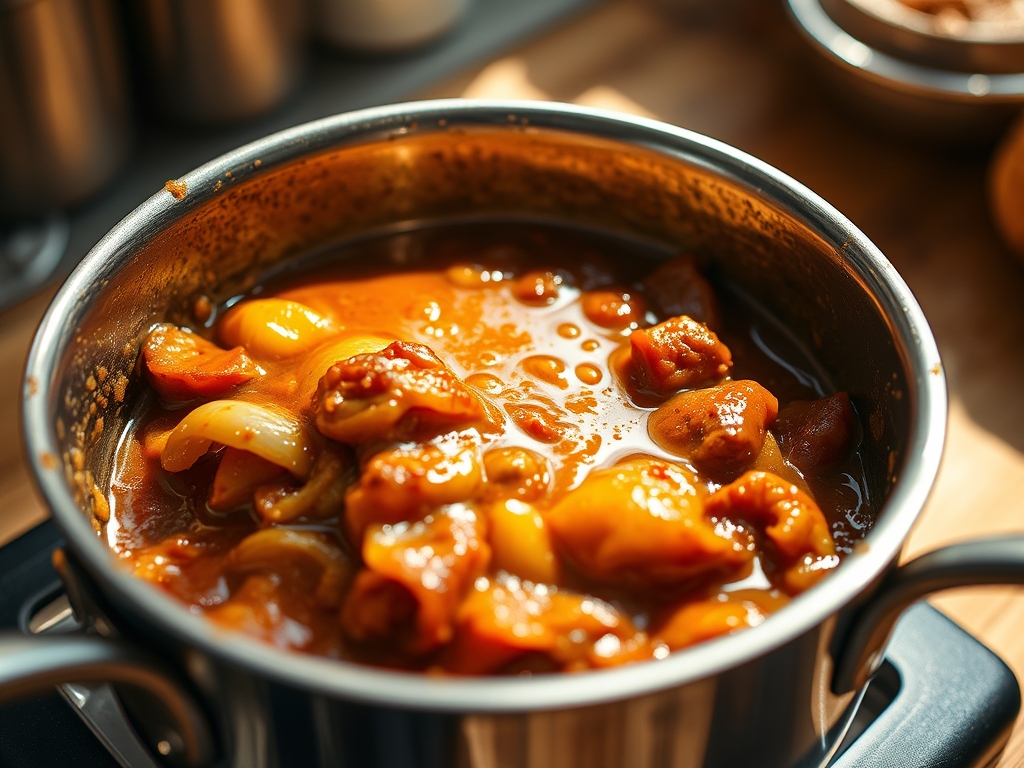
1. Thermal Stabilization of Hardware
Before a single gram of meat touches the blade, place your grinder throat, auger, and die in the freezer for at least thirty minutes. Use a digital scale to weigh your spices with precision.
Pro Tip: Keeping the equipment cold prevents the friction of the motor from melting the fat. If the fat smears during the grind, you lose the primary emulsion, resulting in a mealy texture.
2. The Primary Grind and Spice Infusion
Pass the chilled lamb and fat through a 6mm (medium) die into a chilled stainless steel bowl. Add your toasted spices, garlic, and harissa. Use a bench scraper to fold the mixture, ensuring even distribution without overworking the meat with your warm hands.
Pro Tip: Toasting whole spices before grinding releases volatile oils that infuse the protein more deeply than pre ground alternatives.
3. The Molecular Bind (The Paddle Test)
Add the ice cold water to the mixture. Use a stand mixer with a paddle attachment or your hands to vigorously mix for two minutes until the meat becomes tacky and develops "fuzzy" protein strands.
Pro Tip: This process, known as primary binding, uses salt and agitation to extract myosin. This protein acts as the glue that holds the fat and water in a stable matrix.
4. Casing Deployment and Stuffing
Thread the soaked sheep casings onto the stuffer nozzle. Slow and steady wins here. Prick any visible air bubbles with a sterile needle to prevent bursting during the cook.
Pro Tip: Use a saucier or a small pan to fry a "test patty" before stuffing. This allows you to audit the seasoning levels and adjust the heat before the final casing.
5. The Twist and Cure
Link the sausages by twisting in alternating directions. Hang them in a refrigerator for at least four hours, or ideally overnight, to allow the casings to dry and the flavors to marry.
Pro Tip: Drying the casing is the secret to the "snap." A wet casing will steam rather than sear, leading to a rubbery exterior.
Section B: Prep & Timing Fault-Lines:
The most common failure is the "Fat Smear." If your meat is not near freezing when ground, the fat will coat the protein fibers like a waterproof jacket, preventing the salt from extracting the necessary proteins for a bind. If you find your mixture is too loose, do not keep mixing at room temperature. Return the bowl to the freezer for fifteen minutes to reset the temperature before attempting to aerate or bind again.
THE VISUAL SPECTRUM
Section C: Thermal & Visual Troubleshooting:
Look at the Masterclass photo above. Notice the deep, brick red hue and the slight translucency of the casing. If your sausages look pale or grey, you have likely skimped on the paprika or harissa. If the casing is shriveled, you have overcooked the lamb, causing the internal moisture to evaporate. For uneven browning, ensure your pan is not overcrowded. When you deglaze the pan after cooking, the liquid should be a vibrant orange; if it is clear, your spices have not properly integrated into the fat. If the sausages "weep" a yellow liquid, the emulsion has broken due to excessive heat during the stuffing phase.
THE DEEP DIVE
Macro Nutrition Profile:
A standard 100g serving of North African Merguez contains approximately 280 calories, 18g of protein, and 22g of fat. It is naturally low in carbohydrates, making it an excellent choice for metabolic health when paired with fibrous vegetables.
Dietary Swaps:
- Vegan: Use a mixture of rehydrated textured soy protein and vital wheat gluten. Increase the harissa and add a drop of liquid smoke to mimic the render of lamb fat.
- Keto/GF: This recipe is naturally keto and gluten free. Ensure your harissa paste does not contain thickened starches or added sugars.
Meal Prep & Reheating Science:
To maintain the molecular structure, reheat Merguez gently. High heat in a microwave will cause the protein to tighten and squeeze out the fat. Instead, use a low oven (150C / 300F) or a covered skillet with a tablespoon of water to create a gentle steam environment that preserves the casing integrity.
THE KITCHEN TABLE
Why did my sausages burst during frying?
You likely overstuffed the casings or failed to prick air bubbles. As the meat heats, it expands. Without room to grow or a way for steam to escape, the structural integrity of the casing fails.
Can I use hog casings instead of sheep?
You can, but the diameter will be much larger. Merguez is traditionally thin and elegant. Hog casings will change the ratio of char to meat, potentially overwhelming the delicate spice profile.
My sausage is dry even though I used fat. Why?
This is a "broken" emulsion. If the meat got too warm during grinding, the fat leaked out during cooking instead of staying suspended in the protein matrix. Temperature control is everything.
How long will fresh Merguez last in the fridge?
Because of the high salt and chili content, they stay fresh for 3 to 4 days. For longer storage, vacuum seal and freeze them. They maintain their structure perfectly for up to three months.