Imagine the olfactory assault of a high-octane kitchen where the air is thick with the scent of fermented grains and pulverized capsaicin. We are not merely making a condiment; we are engineering a liquid catalyst designed to pierce through the fatty richness of roasted proteins and fried starches. The Spicy Vinegar Dip is the unsung hero of the culinary infrastructure. It is the acidic strike team that resets the palate, cutting through grease with the precision of a laser-guided scalpel. When you hit that perfect balance of acetic acid and heat, you are not just tasting a sauce; you are experiencing a chemical reaction on the tongue. This dip relies on the volatile aromatics of crushed peppers suspended in a sharp, crystalline vinegar base. It is piquant, aggressive, and unapologetically bold. Whether you are splashing it over a heap of crispy lechon or using it to brighten a dull bowl of noodles, the structural integrity of your meal depends on this specific interaction of pH and spice. Let us calibrate your equipment and refine your technique.
THE DATA MATRIX
| Metric | Specification |
|---|---|
| Prep Time | 15 Minutes |
| Execution Time | 5 Minutes |
| Yield | 500ml / 2 Cups |
| Complexity (1-10) | 3 |
| Estimated Cost per Serving | $0.12 |
THE GATHERS
Ingredient Protocol:
- 250ml / 1 cup White Cane Vinegar (5% acidity)
- 125ml / 0.5 cup Coconut Vinegar or Apple Cider Vinegar
- 60g / 4 tbsp Garlic, smashed and roughly chopped
- 30g / 2 tbsp Red Thai Bird's Eye Chilies, sliced into rounds
- 15g / 1 tbsp Whole Black Peppercorns, lightly cracked
- 10g / 2 tsp Sea Salt (Fine grain)
- 15g / 1 tbsp Brown Sugar or Coconut Sugar
- 1 small Red Onion, finely diced (approx. 100g)
Section A: Ingredient Quality Audit:
If your vinegar tastes like industrial cleaner, your dip will fail. The primary fault-line in a Spicy Vinegar Dip is the use of low-quality distilled vinegar that lacks fermented depth. If your base is too harsh, blend in a small amount of rice vinegar to soften the edges. If your garlic has sprouted green "hearts," remove them immediately; those embryos contain bitter compounds that will leach into the acid and ruin the profile. For the chilies, ensure they are vibrant and firm. If they are shriveled, their capsaicin levels have likely concentrated into a one-dimensional burn rather than a bright, fruity heat. To fix a flat flavor profile, "bloom" your cracked peppercorns in a dry pan for thirty seconds before adding them to the liquid to release their essential oils.
THE MASTERCLASS
1. The Aromatic Foundation
Begin by prepping your aromatics on a stable cutting board using a sharp chef's knife or a heavy bench scraper to crush the garlic cloves. Crushing the garlic rather than finely mincing it allows the juices to infuse the vinegar without creating a cloudy, muddy appearance. Place the garlic, diced onions, and sliced chilies into a non-reactive glass bowl or a stainless steel saucier.
Pro Tip: Using a digital scale to measure your aromatics ensures consistency across batches. The science here is simple: the surface area of the cut vegetables determines the rate of infusion. A consistent dice means a consistent flavor extraction.
2. The Solution Synthesis
In a separate container, combine your vinegars, salt, and sugar. Whisk vigorously until the solids are completely dissolved. This creates a stable brine. Pour this mixture over your prepared aromatics. The acetic acid will immediately begin to break down the cell walls of the peppers and onions, a process known as chemical maceration.
Pro Tip: Use a non-reactive whisk (silicone or high-grade stainless steel) to prevent metallic off-flavors. Vinegar is highly corrosive; it will leach ions from cheap aluminum pans, resulting in a tinny, unpleasant aftertaste.
3. The Molecular Infusion
Allow the mixture to sit at room temperature for at least thirty minutes. During this time, the capsaicin from the chilies will migrate into the vinegar, while the sugar balances the sharp acidity. If you want a more viscous consistency, you can lightly muddle the onions and garlic once they have softened in the acid.
Pro Tip: If you are in a professional setting, use a vacuum sealer to compress the mixture. This forces the vinegar into the cellular structure of the aromatics instantly, accelerating the infusion process from hours to seconds.
Section B: Prep & Timing Fault-Lines:
The most common error is temperature mismanagement. Never boil your vinegar unless you are making a gastrique. High heat volatilizes the acetic acid and destroys the delicate fruity notes of the chilies. If the room is too hot, your onions will ferment too quickly and turn translucent and mushy. Keep the dip in a cool, dark place during the initial infusion. Another timing error is serving too early; the "bite" of the raw garlic needs at least twenty minutes to mellow in the acid, otherwise it will overwhelm the palate with sulfurous heat.
THE VISUAL SPECTRUM
Section C: Thermal & Visual Troubleshooting:
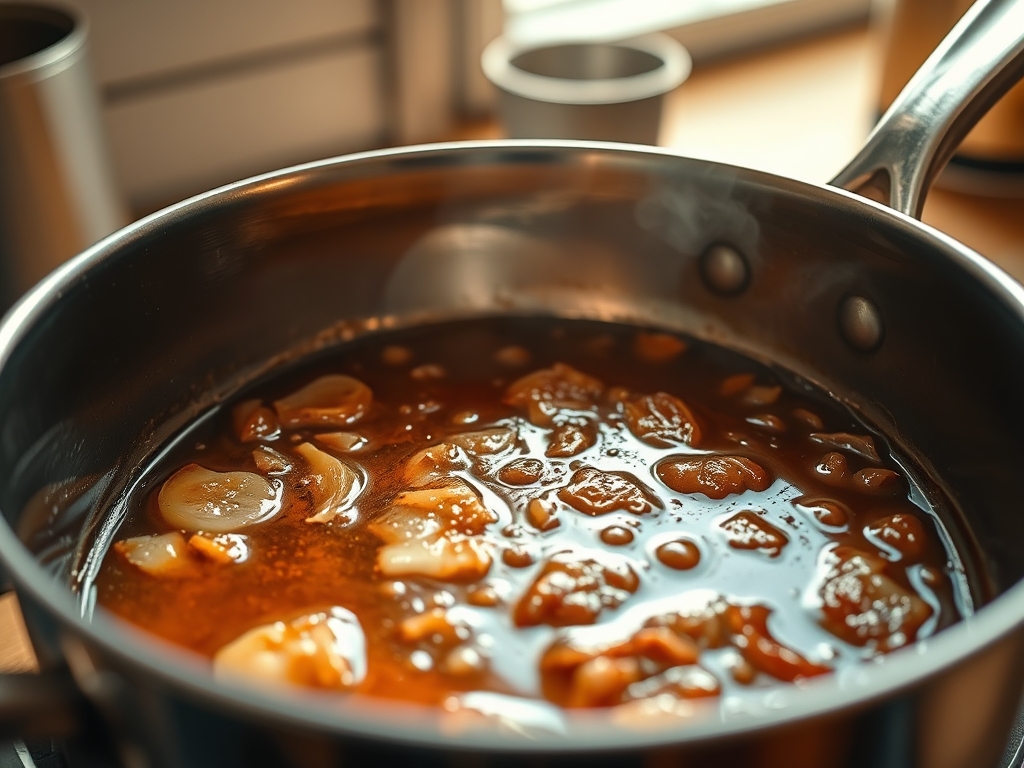
Look at the Masterclass photo above. Notice the clarity of the liquid and the vibrant, distinct colors of the floating aromatics. If your dip looks cloudy, you likely over-handled the ingredients or used iodized salt, which contains anti-caking agents that cloud liquids. If your chilies look dull or brown, they have oxidized; ensure they are fully submerged in the acid to prevent contact with oxygen. The visual cue for a "ready" dip is the slight softening of the red onion edges, which should transition from opaque to slightly translucent while maintaining their structural snap. If the mixture looks "dead," a fresh squeeze of calamansi or lime juice right before service will aerate the profile and restore visual brightness.
THE DEEP DIVE
Macro Nutrition Profile:
This dip is a nutritional powerhouse for those monitoring caloric intake. A standard 30ml serving contains approximately 15 calories, 0g fat, 3g carbohydrates, and 0g protein. The capsaicin provides a metabolic boost, while the acetic acid may assist in blood sugar regulation when consumed with high-carb meals.
Dietary Swaps:
- Vegan: Naturally vegan. Ensure your sugar is not bone-char processed.
- Keto: Replace the brown sugar with a monk fruit sweetener or erythritol.
- GF: Naturally gluten-free, provided you use cane, coconut, or apple cider vinegar. Avoid malt vinegar.
Meal Prep & Reheating Science:
This dip does not require reheating; in fact, heat is its enemy. To maintain the molecular structure, store it in a glass Mason jar in the refrigerator. The acid acts as a natural preservative, keeping the dip viable for up to three weeks. Over time, the garlic will turn a bluish-green color; this is a harmless reaction between the sulfur in the garlic and the acid in the vinegar. To prevent this, use distilled water to blanch the garlic for ten seconds before adding it to the dip.
THE KITCHEN TABLE
Why is my vinegar dip too spicy?
The capsaicin has over-extracted. Dilute the mixture with more vinegar and a pinch of sugar. Do not use water, as it will throw off the pH balance and reduce the shelf life of the dip significantly.
Can I use dried chilies instead of fresh?
Yes, but you must infuse them longer. Dried chilies provide a smoky, deep heat rather than the bright, piquant snap of fresh Bird's Eye chilies. Toast them lightly before adding to the vinegar for maximum flavor extraction.
How do I make the dip more viscous?
Whisk in a half-teaspoon of xanthan gum while the liquid is in a blender. This creates a "clinging" texture that allows the Spicy Vinegar Dip to coat food more effectively without changing the flavor profile or adding fat.
Why did my garlic turn blue?
This is a chemical reaction between enzymes and amino acids in the garlic and the acetic acid. It is perfectly safe to eat. To avoid this, use the freshest garlic possible and store the dip in a cool, dark environment.