The air in a high-performance kitchen during a blackening session is not just air; it is a pressurized theater of aerosolized spices and vaporized lipids. We are not merely cooking. We are engineering a controlled thermal event known as the Maillard-Leidenfrost Hybrid. When you drop a fillet of Blackened Cajun Redfish into a white-hot cast iron skillet, you are initiating a violent exchange of energy. The moisture on the surface of the fish flashes into steam, creating a temporary cushion that prevents sticking, while the milk solids in the butter and the sugars in the paprika undergo rapid carbonization. This is the "black" in blackening. It is not burnt; it is a complex, piquant crust of concentrated flavor. If your smoke alarm isn't reconsidering its life choices, you aren't doing it right. This technique demands precision, a high-CFM ventilation system, and a total lack of fear. We are hunting for that perfect intersection of a succulent, flaky interior and a shattered-glass exterior of spice and salt.
THE DATA MATRIX
| Metric | Specification |
|---|---|
| Prep Time | 15 Minutes |
| Execution Time | 8 Minutes |
| Yield | 4 Servings |
| Complexity (1-10) | 7 |
| Estimated Cost per Serving | $12.50 – $18.00 |
THE GATHERS
Ingredient Protocol:
- 4 Redfish Fillets (approx. 170g / 6oz each)
- 115g / 1/2 cup Unsalted Butter, melted
- 15g / 1 tbsp Smoked Paprika
- 10g / 2 tsp Garlic Powder
- 10g / 2 tsp Onion Powder
- 5g / 1 tsp Cayenne Pepper
- 5g / 1 tsp Dried Thyme
- 5g / 1 tsp Dried Oregano
- 8g / 1.5 tsp Kosher Salt
- 5g / 1 tsp Cracked Black Pepper
Section B: Ingredient Quality Audit:
The primary failure point in Blackened Cajun Redfish is the age of the spice rack. If your paprika looks like brick dust and smells like nothing, your crust will be bitter and one-dimensional. Ensure your spices are vibrant and aromatic. If the fish is "fishy" to the nose, the trimethylamine levels are too high; rinse the fillets in cold water and pat them bone-dry with lint-free towels. Moisture is the enemy of the crust. If your butter breaks or curdles when melting, it likely has too high a water content. Use a high-fat European-style butter to ensure the lipids can withstand the intense thermal load without splattering excessively.
THE MASTERCLASS
1. The Desiccation Protocol
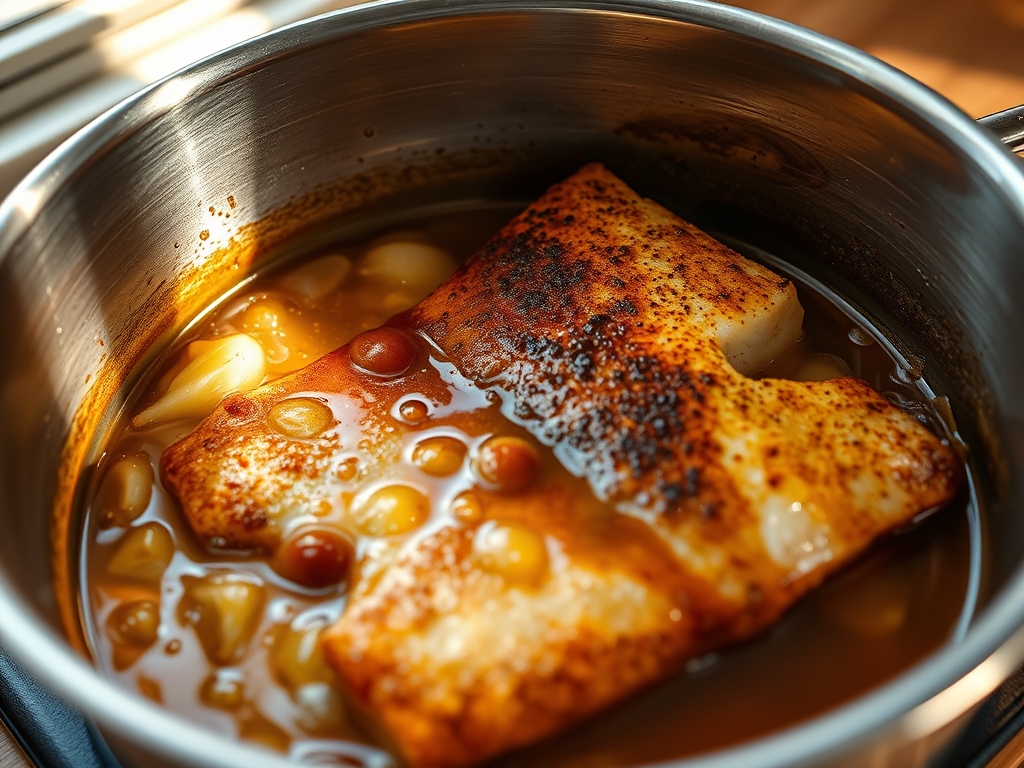
Pat the redfish fillets with industrial-grade paper towels until the surface tension is high and no moisture remains. Place them on a stainless steel sheet pan. Use a digital scale to weigh your spices, ensuring a consistent flavor profile across all four portions.
Pro Tip: Surface moisture causes steam. Steam prevents the Maillard reaction from reaching the temperatures required for carbonization. A bone-dry fillet ensures the butter-spice slurry adheres like a second skin.
2. The Spice Infusion
In a small saucier, melt the butter over low heat until it is purely liquid but not browning. In a separate bowl, whisk the dry spices until they are perfectly homogenized. Dip each fillet into the butter, then dredge heavily in the spice mix.
Pro Tip: The butter acts as a conductive medium, carrying the heat from the iron directly into the spices. This prevents the spices from flying off the fish when they hit the turbulent air of the hot pan.
3. The Thermal Ignition
Place a heavy-bottomed cast iron skillet over high heat until it begins to wisps of blue smoke. Do not add oil to the pan. Place the fillets carefully into the dry, hot iron.
Pro Tip: Using a laser infrared thermometer, aim for a pan temperature of 260C / 500F. This extreme heat causes the butter to render and the spices to char instantly, creating the signature "blackened" armor.
4. The Flip and Finish
Cook for 2 to 3 minutes per side. Use a fish spatula or a thin bench scraper to get underneath the crust without tearing it. The fish is done when the internal temperature hits 63C / 145F.
Pro Tip: The crust provides an insulating layer. While the outside is undergoing intense thermal stress, the inside is essentially poaching in its own juices, resulting in a viscous, buttery texture.
Section B: Prep & Timing Fault-Lines:
The most common human error is "crowding the pan." If you drop four cold fillets into a small skillet, the ambient temperature of the iron drops 100 degrees instantly. This turns your sear into a braise, and you end up with grey, soggy fish. Work in batches if necessary. Furthermore, if you flip the fish too early, the crust hasn't had time to polymerize and will stick to the pan. Wait for the protein to naturally release from the surface.
THE VISUAL SPECTRUM
Section C: Thermal & Visual Troubleshooting:
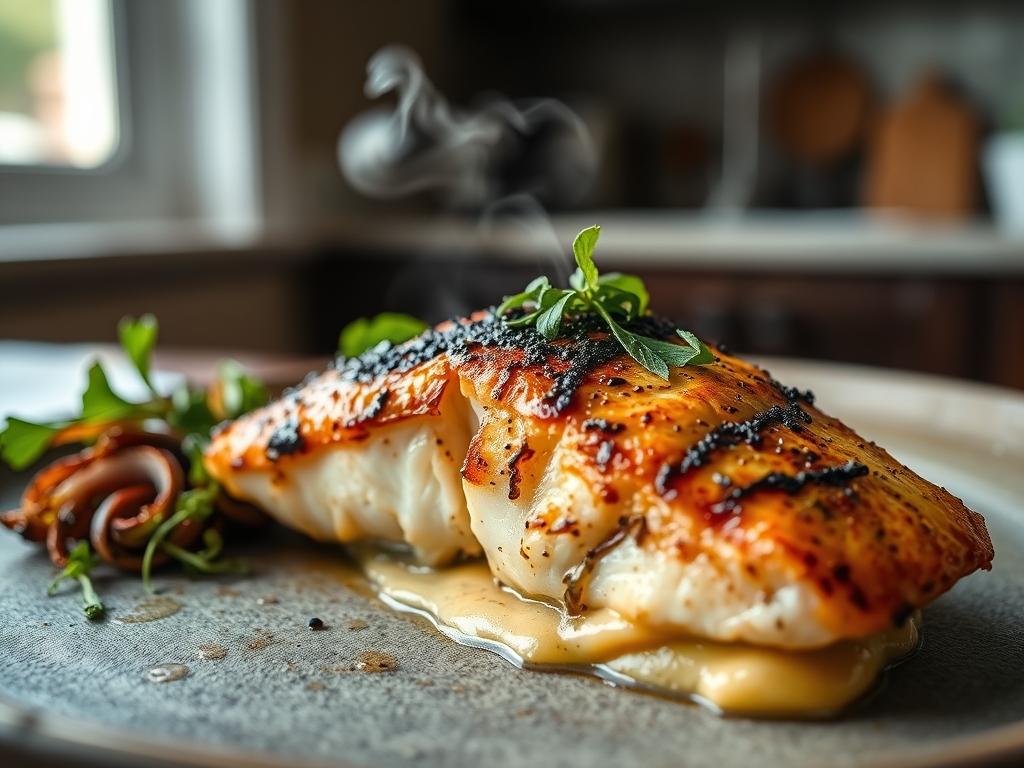
Look closely at the reference photo. You should see a variegated topography of deep mahogany, charcoal black, and vibrant orange. If your fish looks pale or yellow, your heat was too low; the spices merely "sautéed" instead of blackening. If the crust is flaking off in large chunks, you didn't use enough butter as a binder. The white flakes of the redfish should be visible only when the crust is broken, offering a stark, bright contrast to the dark exterior. If the spices look "fuzzy," you may have used too much dried herb; ensure your thyme and oregano are finely ground to integrate into the spice matrix.
THE DEEP DIVE
Macro Nutrition Profile:
A standard serving of Blackened Cajun Redfish is a powerhouse of lean protein. You are looking at approximately 35g of protein, 12g of fat (mostly from the butter wash), and 2g of carbohydrates from the spice particulates. It is a high-density, low-glycemic fuel source.
Dietary Swaps:
- Vegan: Substitute the redfish with thick-cut "steaks" of cauliflower or firm tofu. Use a high-smoke point plant butter or avocado oil.
- Keto: This recipe is naturally keto-compliant. Increase the butter wash for higher fat macros.
- GF: Ensure your spice blends do not contain anti-caking agents like flour or modified food starch.
Meal Prep & Reheating Science:
Reheating blackened fish is a delicate operation. Do not use a microwave; the radiation will turn the delicate protein into rubber and the crust into a soggy mess. Instead, use an air fryer at 175C / 350F for 3 minutes. This recirculates hot air to re-crisp the lipid-heavy crust while gently warming the interior without overcooking the center.
THE KITCHEN TABLE
Why is my kitchen so smoky?
That is the "Blackening Tax." The process involves burning milk solids and spices at 500F. It is unavoidable. Open every window, turn on the hood vent, and embrace the atmospheric change. It is a sign of success.
Can I use a non-stick pan?
Absolutely not. The temperatures required for authentic Blackened Cajun Redfish will degrade the PTFE coating on non-stick pans, releasing toxic fumes. Only heavy-duty cast iron or carbon steel can survive this thermal gauntlet.
Is the fish actually burnt?
No. Charring is a specific culinary technique. While the exterior undergoes intense carbonization, the flavor remains savory and piquant rather than acrid. The butter acts as a buffer, preventing the spices from turning into ash.
What if I can't find Redfish?
Any firm, white-fleshed fish will suffice. Snapper, Grouper, or even thick Tilapia fillets can handle the heat. Avoid delicate fish like Flounder, as they will disintegrate under the weight of the spice crust and the intense heat.
How do I get the spices to stick?
The secret is the "double-dip." Ensure the fish is dry, dip it in the melted butter, and then press it firmly into the spice plate. The butter acts as the glue that maintains the structural integrity of the crust.