Listen up, culinary engineers. We are not here to floppy-disk our way through a sad, microwaved tortilla. We are here to master the structural mechanics of the 5 Min Spicy Quesadilla. This is high-stakes architecture where the load-bearing capacity of a flour disc meets the hydraulic pressure of molten lipids. If you fail to respect the melt-heat ratio, you end up with a soggy, structural catastrophe that leaks its soul into the pan. But when you nail it, you achieve a piquant masterpiece with a shatter-crisp exterior and a viscous, molten core. We are talking about the perfect synchronization of Maillard reactions and lipid emulsification. This is not just a snack; it is a rapid-response deployment of flavor. You have exactly three hundred seconds to transform raw components into a golden, geometric marvel. Precision is your only ally. Speed is your primary weapon. Let us audit your station and prepare for a high-velocity gastronomic intervention.
THE DATA MATRIX
| Metric | Specification |
|---|---|
| Prep Time | 2 Minutes |
| Execution Time | 3 Minutes |
| Yield | 1 Serving |
| Complexity (1-10) | 3 |
| Estimated Cost per Serving | $1.85 |
THE GATHERS
Ingredient Protocol:
- 1 Large Flour Tortilla (25cm / 10 inch)
- 115g / 1 cup Sharp Cheddar or Monterey Jack, freshly grated
- 30g / 2 tbsp Pickled Jalapenos, finely minced
- 15ml / 1 tbsp Neutral Oil or Clarified Butter
- 2g / 0.5 tsp Smoked Paprika
- 1g / 0.25 tsp Cayenne Pepper
- 30ml / 2 tbsp Sour Cream (for garnish)
- 15ml / 1 tbsp Hot Sauce (high acidity preferred)
Section A: Ingredient Quality Audit:
The most common point of failure in the 5 Min Spicy Quesadilla is the use of pre-shredded cheese. Those bags are coated in cellulose or potato starch to prevent clumping; however, that starch acts as a thermal insulator that inhibits a smooth melt. It creates a grainy, broken emulsion rather than a viscous flow. Fix: Grate your own block using a microplane or box grater to ensure pure protein-to-fat ratios. Secondly, if your tortilla is dry or brittle, it will fracture upon folding. Fix: Briefly aerate the tortilla over an open flame or steam it for five seconds to restore elasticity before it hits the pan. Finally, ensure your spices are fresh. If that paprika smells like dust, it will taste like dust.
THE MASTERCLASS
1. Thermal Priming and Surface Prep
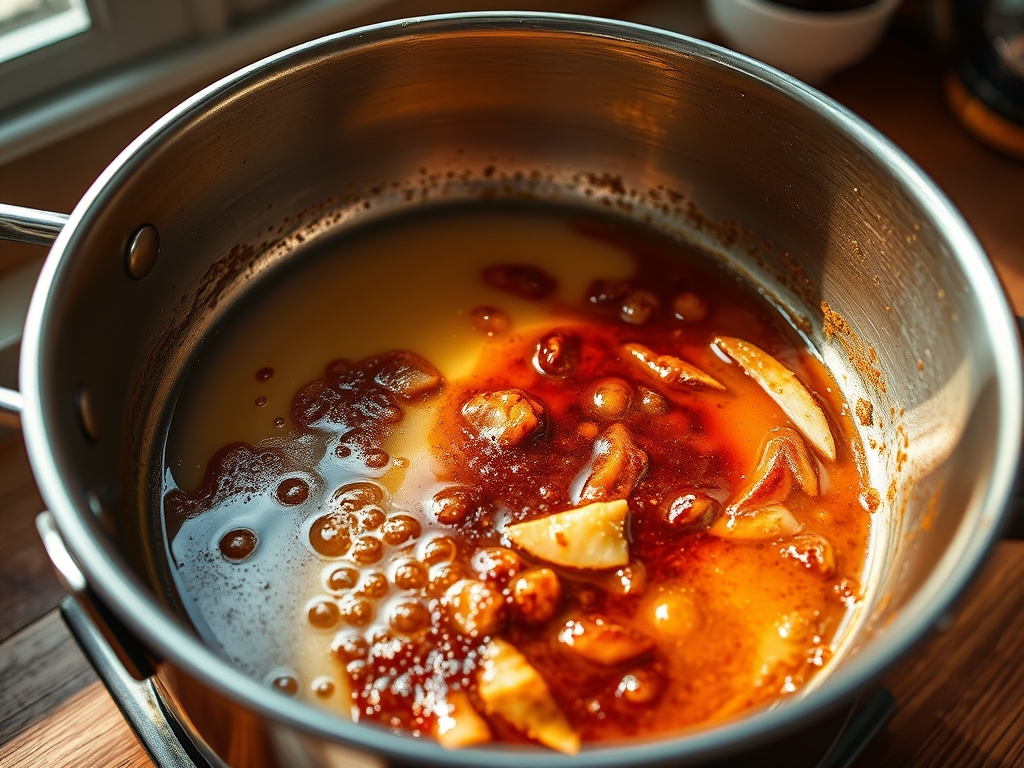
Set a heavy-bottomed stainless steel pan or cast iron skillet over medium-high heat. Use an infrared thermometer to verify the surface has reached 190C (375F). Add your clarified butter or oil. The goal is to render the fat until it shimmers but does not smoke.
Pro Tip: Use a digital scale to weigh your cheese. Consistency in mass ensures that the heat penetrates the center at the exact moment the exterior achieves peak Maillard browning.
2. The Structural Layering
Place the tortilla flat in the pan. Immediately distribute the cheese over exactly one half of the surface. Sprinkle the minced jalapenos, paprika, and cayenne evenly over the cheese. This creates a localized heat zone where the spices can infuse directly into the melting lipids.
Pro Tip: A bench scraper is the superior tool here for tucking in any rogue cheese shreds that escape the perimeter. Keeping the edges clean prevents burnt protein bittering.
3. The Kinetic Fold and Compression
Once the cheese begins to show signs of liquefaction, use a wide spatula to fold the empty half of the tortilla over the filling. Press down firmly for ten seconds to create a thermal seal. Flip the quesadilla every thirty seconds to ensure even heat distribution.
Pro Tip: Use a saucier or a heavy press on top of the quesadilla to increase surface contact. This maximizes the crunch factor by forcing the tortilla fibers into the hot fat.
4. Extraction and Resting
Slide the quesadilla onto a cutting board. Do not cut it immediately. Wait sixty seconds. This allows the internal cheese matrix to stabilize so it does not purge during the slicing process.
Pro Tip: Use a sharp chef knife or a pizza wheel to slice into three triangles. A clean, vertical strike prevents the filling from being squeezed out of the sides.
Section B: Prep & Timing Fault-Lines:
Timing is the heartbeat of this operation. If you leave the tortilla in the pan too long while prepping ingredients, you will overshoot the smoke point of your fats. This results in an acrid, carbonized crust. Always have your mise en place staged and ready before the heat is applied. If the cheese is not melting but the tortilla is browning too fast, your heat is too high. Remove the pan from the burner for twenty seconds to let the residual heat do the work. This is a game of thermal momentum; do not let the pan dictate the pace.
THE VISUAL SPECTRUM
Section C: Thermal & Visual Troubleshooting:
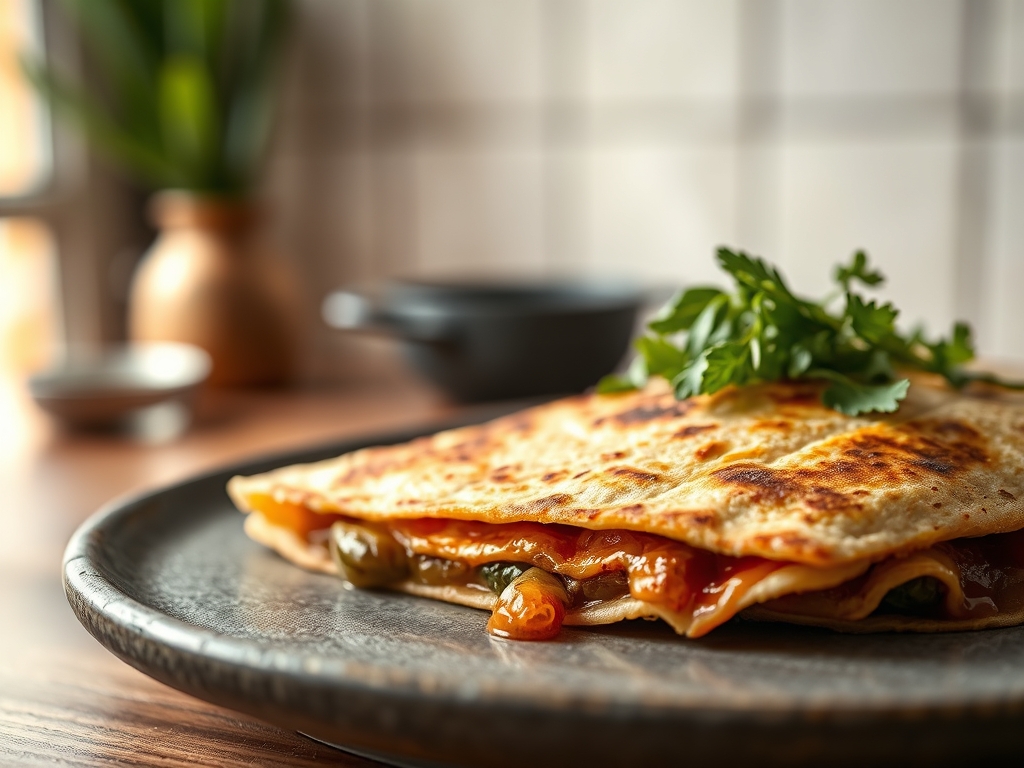
Look at the reference image. Notice the "leopard spotting" on the tortilla; these are localized zones of high-intensity Maillard browning. If your quesadilla is a uniform, pale yellow, you have not reached the required temperature to caramelize the carbohydrates. If the edges are black, you have exceeded the thermal limit. The "ooze" factor in the photo indicates a perfect emulsion. If you see yellow oil leaking out, the cheese has broken. This usually happens if the heat is too aggressive or the cheese is low-quality. The color should be a vibrant, sunset orange-gold, indicating the spices have properly bloomed within the fat.
THE DEEP DIVE
Macro Nutrition Profile
A standard 5 Min Spicy Quesadilla delivers approximately 450 calories. You are looking at 18g of protein, 28g of fats (primarily saturated), and 32g of carbohydrates. The sodium content is high due to the cheese and pickled elements; balance this with high-potassium sides if you are tracking metrics.
Dietary Swaps
- Vegan: Utilize a cashew-based shreds and ensure the tortilla is oil-based rather than lard-based. Use a vegan butter substitute for the pan.
- Keto: Replace the flour tortilla with a toasted cheese "shell" or a low-carb almond flour wrap.
- GF: Use a certified gluten-free corn tortilla, though be aware the structural integrity is lower; corn tortillas require more fat to prevent cracking.
Meal Prep & Reheating Science
To maintain the molecular structure, never microwave a leftover quesadilla. The microwave agitates water molecules, turning the crisp tortilla into a rubbery mess. Instead, use an air fryer at 175C (350F) for three minutes. This restores the crispness of the exterior while gently re-liquefying the internal fats without causing them to separate.
THE KITCHEN TABLE
Why is my quesadilla soggy?
Soggy results stem from excess moisture in the fillings or low heat. Ensure your jalapenos are drained and patted dry. Use a high-heat fat like clarified butter to ensure the tortilla fries rather than steams.
Can I add meat to this 5-minute window?
Only if it is pre-cooked. Cold, leftover chicken or steak should be thinly sliced and brought to room temperature before adding. This ensures the meat reaches a safe, palatable temperature before the tortilla burns.
What is the best cheese for the ultimate pull?
A 50/50 blend of Sharp Cheddar for flavor and Low-Moisture Mozzarella for elasticity provides the best results. The mozzarella provides the structural "stretch" while the cheddar delivers the piquant sharp notes required for the spicy profile.
How do I stop the cheese from leaking out?
Leave a 1cm "dead zone" around the edge of the tortilla when layering. As the cheese melts and expands, it will fill this gap without breaching the perimeter and burning on the pan surface.