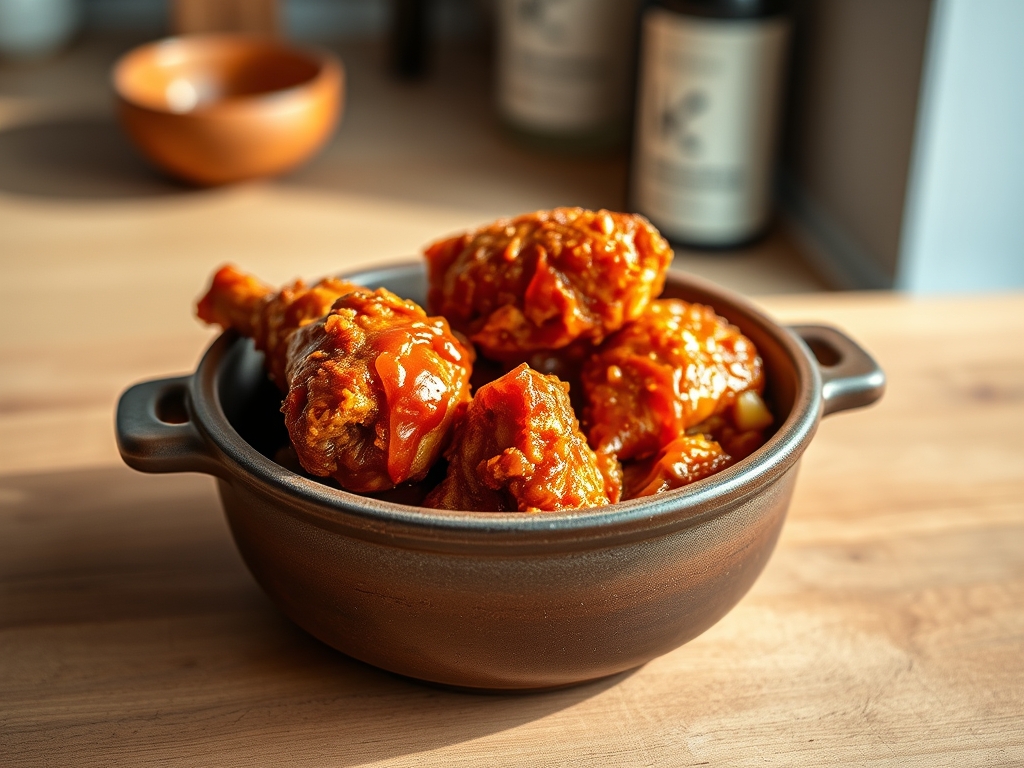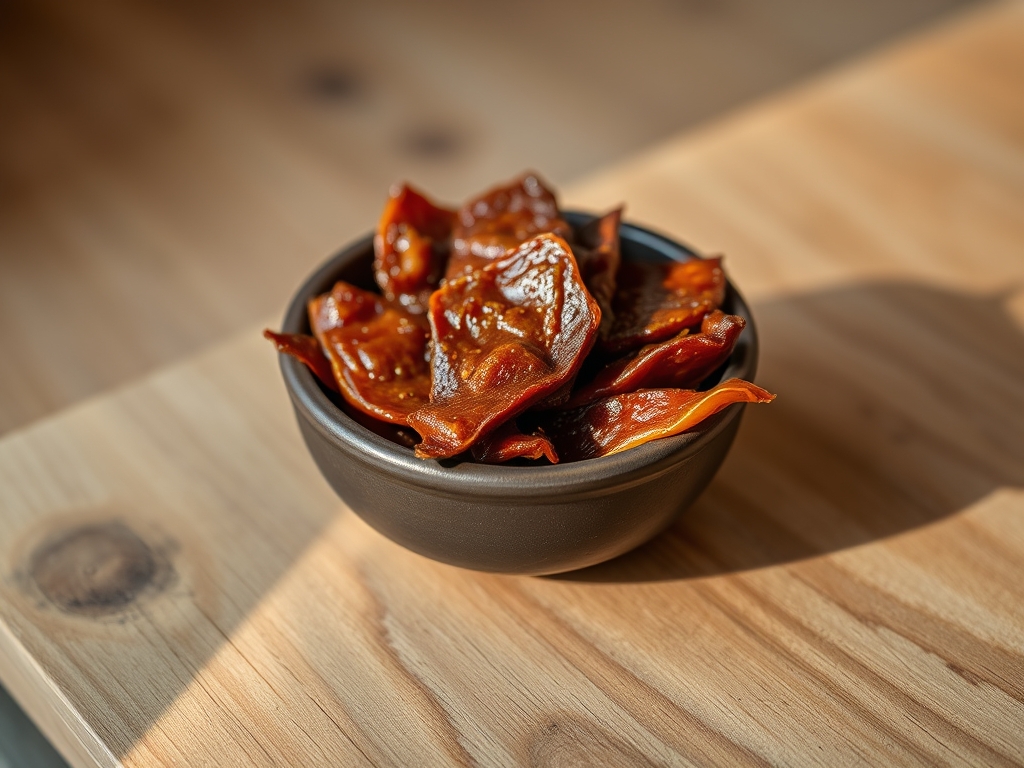
The air in a high-performance smokehouse is not just atmosphere; it is a pressurized delivery system for flavor. When you introduce a world-class Spicy BBQ Rub to a pristine slab of brisket or pork shoulder, you are not merely seasoning meat. You are initiating a complex chemical contract between heat, moisture, and particulate matter. The goal is the creation of a pellicle so robust and a bark so profound that it defies the standard laws of culinary physics. We are looking for that perfect intersection of piquant heat and deep, caramelized sweetness. Most amateur rubs fail because they lack the structural integrity to withstand a twelve-hour smoke. They dissolve into a muddy slurry or, worse, they scorch into a bitter carbon husk. To master the Spicy BBQ Rub, you must think like an engineer and act like a chef. We are analyzing grain size, hygroscopic properties, and the precise moment when capsaicin bonds with rendered animal fat to create pure, unadulterated bliss.
THE DATA MATRIX
| Metric | Specification |
|---|---|
| Prep Time | 15 Minutes |
| Execution Time | 5 Minutes |
| Yield | 500ml / 2 Cups |
| Complexity (1-10) | 3 |
| Estimated Cost per Serving | $0.22 |
THE GATHERS
Ingredient Protocol:
- 120g / 0.5 cup Smoked Paprika (Pimenton de la Vera)
- 100g / 0.5 cup Dark Muscovado Sugar (packed)
- 60g / 0.25 cup Coarse Kosher Salt
- 30g / 2 tbsp Granulated Garlic
- 30g / 2 tbsp Onion Powder
- 15g / 1 tbsp Cayenne Pepper
- 15g / 1 tbsp Crushed Chipotle Flakes
- 10g / 2 tsp Freshly Cracked Black Pepper
- 5g / 1 tsp Mustard Powder
- 2g / 0.5 tsp Ground Cumin
Section A: Ingredient Quality Audit:
The primary failure point in a Spicy BBQ Rub is the use of oxidized spices. If your paprika looks like brick dust and smells like nothing, your bark will be dull and flavorless. Technical Fix: Always source whole peppercorns and grind them in situ to ensure the volatile oils are at their peak. If your sugar has crystallized into a tectonic plate, do not simply toss it in. Use a bench scraper to shave the sugar into fine ribbons before mixing. This ensures even distribution and prevents "sugar spotting" on the meat surface, which leads to localized scorching rather than a uniform Maillard reaction.
THE MASTERCLASS
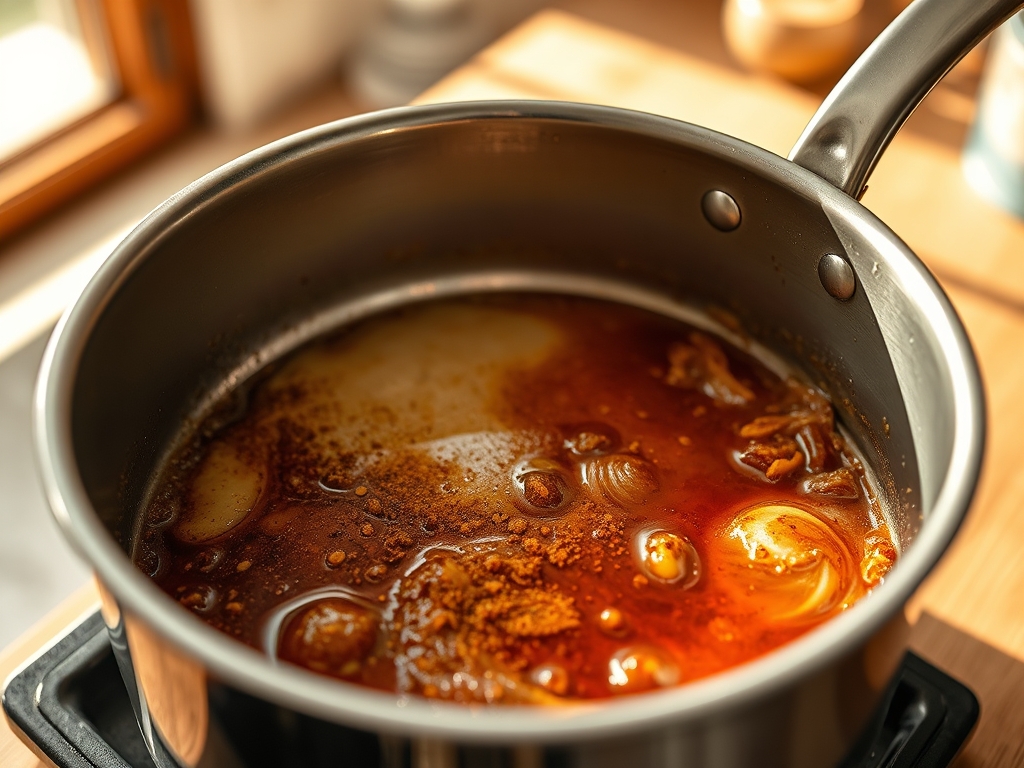
1. Particle Size Calibration
Begin by ensuring all dry particulates are of a similar micron level. Use a digital scale to measure ingredients by weight rather than volume; volume is a liar influenced by humidity and packing density. Combine the salts and peppers first to create a grit base that will help break down any clumps in the finer powders.
Pro Tip: Uniformity in grain size is essential for aerodynamic stability inside a convection smoker. If particles are too light, they will blow off the meat; if they are too heavy, they will fall off before the pellicle forms.
2. The Muscovado Integration
Incorporate the dark sugar using a whisk or a saucier whisk to press the moisture-rich sugar through the dry spice matrix. You are looking for a "wet sand" consistency. The molasses content in dark muscovado provides the necessary tackiness to adhere to the protein.
Pro Tip: The high moisture content in unrefined sugars aids in the hygroscopic process, drawing just enough protein-laden moisture to the surface of the meat to create a sticky foundation for the smoke to grab onto.
3. Capsaicin Layering
Add the cayenne and chipotle flakes last. By layering different heat sources, you create a temporal flavor profile. The cayenne provides an immediate frontal sting, while the larger chipotle flakes infuse the fat over several hours, providing a deep, smoky resonance that lingers on the palate.
Pro Tip: Capsaicin is fat-soluble. By distributing the heat throughout the rub, you ensure that as the intramuscular fat begins to render, it carries the spice deep into the muscle fibers rather than leaving it on the surface.
4. Aeration and Storage
Once combined, use a fine-mesh sieve or simply aerate the mixture by tossing it lightly with a fork. Transfer the Spicy BBQ Rub to an airtight glass vessel. Plastic containers are porous and will allow the essential oils to leach out over time, degrading the potency of your piquant profile.
Pro Tip: Store your rub in a cool, dark environment. Light and heat are the enemies of spice stability; they cause the chemical bonds in the spices to break down, leading to a flat, one-dimensional flavor profile.
Section B: Prep & Timing Fault-Lines:
The most common human error is the "Apply and Fly" method. For a Spicy BBQ Rub to truly perform, it requires a "sweat-in" period of at least forty-five minutes at room temperature. If you move the meat directly from the fridge to the smoker, the cold surface will cause the rub to clump and fall off. Technical Fix: Apply the rub and monitor the surface. Once the meat looks "wet" and the rub has darkened in color, it has bonded with the surface proteins and is ready for the thermal environment.
THE VISUAL SPECTRUM
Section C: Thermal & Visual Troubleshooting:
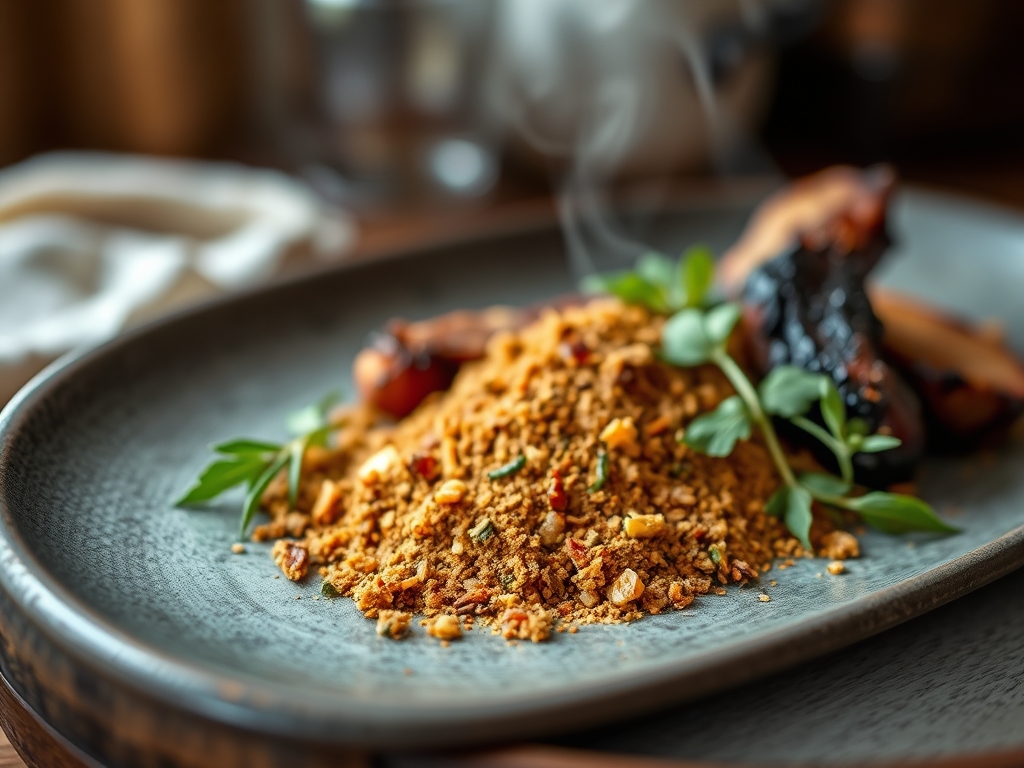
Referencing the Masterclass photo, observe the deep mahogany hue and the crystalline texture. If your rub looks pale or orange, you have insufficient paprika or sugar density. If the texture is muddy, you likely applied the rub to a surface that was too wet; pat the meat dry with paper towels before application. Uneven browning usually indicates "hot spots" in your smoker or an uneven application of the rub. Ensure a "snowfall" application method from at least twelve inches above the meat to achieve the uniform coverage seen in professional audits. If the color is turning black too quickly, your sugar-to-salt ratio is skewed toward the sugar, leading to premature carbonization.
THE DEEP DIVE
Macro Nutrition Profile
Per tablespoon, this rub contains approximately 25 calories, 4g of carbohydrates (mostly from the sugar), 0g of fat, and 0g of protein. The sodium content is high, sitting at roughly 480mg per serving. However, the metabolic boost from the capsaicin and the antioxidant properties of the smoked paprika provide a minor nutritional silver lining.
Dietary Swaps
- Vegan: Naturally vegan as written.
- Keto: Replace the muscovado sugar with a granulated erythritol or monk fruit sweetener. Note that the caramelization properties will be significantly reduced.
- GF: Ensure your spices are certified gluten-free, as some anti-caking agents contain wheat derivatives.
Meal Prep & Reheating Science
When reheating meat treated with this rub, avoid the microwave at all costs. The radiation will agitate the water molecules and turn your beautiful bark into a soggy mess. Instead, use a vacuum sealer for storage and reheat in a sous-vide bath at 165 degrees Fahrenheit. This maintains the molecular structure of the bark and ensures the spices remain viscous and vibrant.
THE KITCHEN TABLE
How long does this rub stay potent?
Stored in a cool, dark place in glass, the rub maintains peak potency for six months. Beyond that, the volatile oils in the peppers begin to dissipate, leading to a significant loss in piquant intensity and aromatic complexity.
Can I use this as a wet rub?
Absolutely. Mix 100g of the rub with 50ml of apple cider vinegar and 20ml of neutral oil. This creates a thick paste that is ideal for high-heat grilling where you want the spices to stick immediately to the protein.
Why is my rub clumping in the jar?
This is due to the hygroscopic nature of the sugar and salt. To prevent this, include a food-grade silica packet in the jar or simply shake the container vigorously before each use to redistribute the particulates and break up clumps.
Is this rub too spicy for general crowds?
The heat level is a 6 out of 10. The sugar acts as a buffer for the cayenne. To dial it back, reduce the cayenne by half and increase the paprika. This maintains the visual impact while lowering the Scoville heat units.