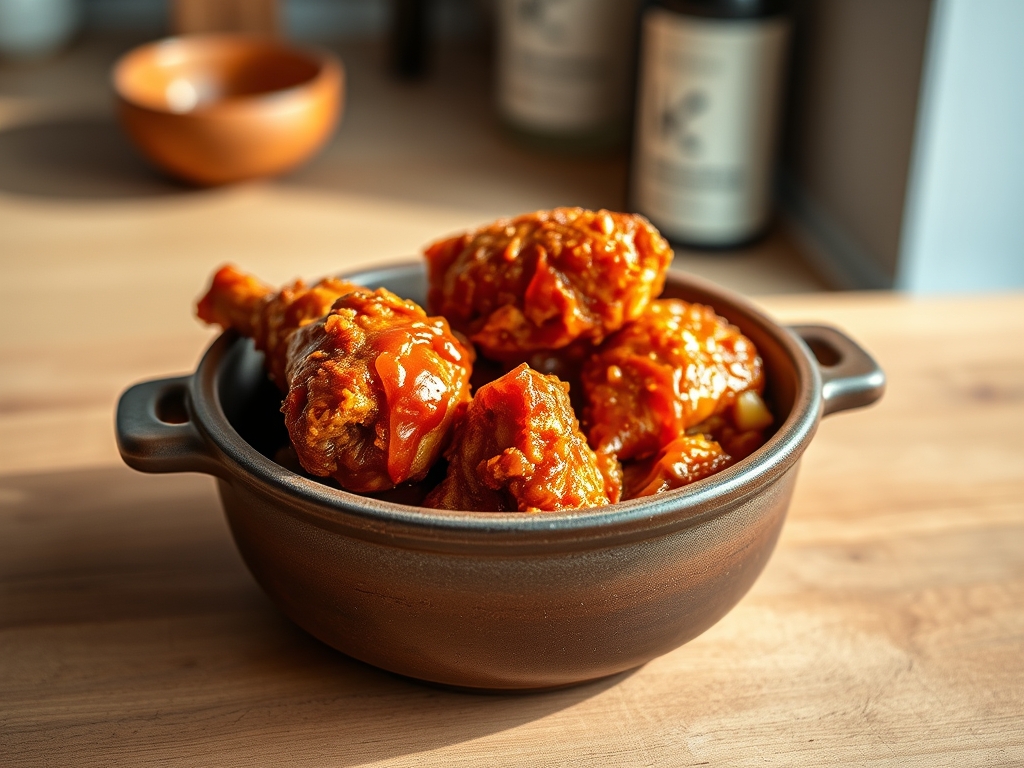
Listen up, kitchen operatives. We are not here to boil meat until it surrenders its dignity; we are here to engineer a masterpiece of lipid management and textural contrast. The goal is Spicy Pork Carnitas that defy the laws of standard home cooking. We are chasing that elusive, piquant shatter of a perfectly rendered pork shoulder, where the exterior mimics the crunch of a high-end chicharron while the interior remains a viscous, succulent cloud of protein. This is a high-stakes game of thermal control. When you introduce the right ratios of citrus acidity and capsaicin heat to the heavy fat profile of the pork, you create a flavor profile that vibrates on the palate. If you have ever suffered through gray, soggy, or flavorless pork, consider this your formal extraction from mediocrity. We are utilizing the Maillard reaction to its fullest potential, ensuring every fiber of the meat is infused with aromatics before being seared into a state of crispy perfection. Grab your apron and your focus; it is time to audit your technique.
THE DATA MATRIX
| Metric | Specification |
|---|---|
| Prep Time | 30 Minutes |
| Execution Time | 3.5 Hours |
| Yield | 8 Servings |
| Complexity (1-10) | 4 |
| Estimated Cost per Serving | $2.75 USD |
THE GATHERS
Ingredient Protocol:
- Pork Shoulder (Butt): 1.8kg / 4 lbs, cut into 2-inch cubes.
- Lard or Neutral Oil: 120ml / 0.5 cup.
- Fresh Orange Juice: 240ml / 1 cup.
- Fresh Lime Juice: 60ml / 0.25 cup.
- Dried Guajillo Chilies: 4 units, stemmed and seeded.
- Chipotle in Adobo: 2 peppers plus 15ml / 1 tbsp sauce.
- Garlic Cloves: 8 units, smashed.
- White Onion: 1 large unit, quartered.
- Dried Mexican Oregano: 10g / 2 tbsp.
- Ground Cumin: 5g / 1 tbsp.
- Kosher Salt: 20g / 4 tsp (adjust to taste).
- Cinnamon Stick: 1 unit.
Section A: Ingredient Quality Audit:
The primary failure point in Spicy Pork Carnitas is the pork selection. If you choose a lean cut like pork loin, you have already failed the mission. You need the intramuscular fat and connective tissue found in the shoulder to achieve the proper viscous mouthfeel. If your meat is too lean, you must compensate by adding extra lard to the braising liquid to ensure the proteins do not seize and toughen. Furthermore, ensure your spices are not ancient artifacts. If your cumin does not smell pungent the moment it hits the air, it is dead. Toast your dry spices in a dry pan for sixty seconds before use to wake up the volatile oils. Finally, if your citrus is cold, roll it firmly against the counter to break the juice vesicles before squeezing; this maximizes your yield and ensures the acidity is bright enough to cut through the heavy lipids.
THE MASTERCLASS
Step-by-Step Execution:
1. The Protein Calibration
Begin by cubing your pork shoulder into uniform 2-inch blocks. Use a digital scale to ensure consistency; uniformity is the secret to even heat distribution. Season the meat aggressively with salt and cumin. Allow it to sit at room temperature for twenty minutes to ensure the salt penetrates the surface via osmotic pressure.
Pro Tip: This resting period allows the salt to denature the surface proteins, which helps the meat retain moisture during the long braising process. Use a bench scraper to efficiently move your cubed protein from the cutting board to the cooking vessel.
2. The Aromatic Infusion
In a heavy-bottomed saucier or Dutch oven, heat your lard over medium-high heat. Add the pork in batches to avoid crowding the pan, which would cause the meat to steam rather than sear. Once the pork is browned, add the onion, garlic, chilies, and cinnamon stick. The goal here is to infuse the fat with the base aromatics before the liquid phase begins.
Pro Tip: Crowding the pan drops the temperature of the lipid medium, preventing the Maillard reaction. A high-quality digital thermometer should show the oil staying above 325 degrees Fahrenheit during the initial sear.
3. The Low-Slow Submersion
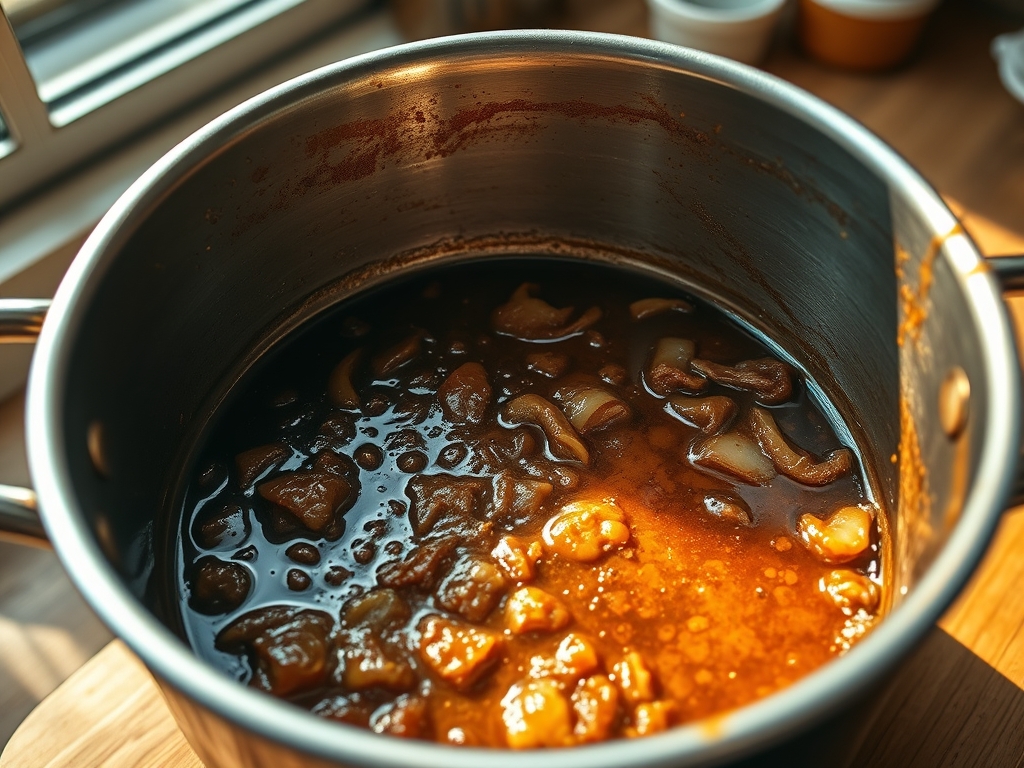
Pour in the orange juice, lime juice, and chipotle peppers. Add enough water or stock to just barely cover the meat. Bring the liquid to a simmer, then reduce the heat to the lowest possible setting. Cover with a tight-fitting lid and let it braise for approximately three hours. You are waiting for the collagen to break down into gelatin.
Pro Tip: Use a heavy lid to create a pressurized environment. If your lid is loose, cover the pot with foil before placing the lid on top to prevent excessive evaporation of the piquant braising liquid.
4. The Shred and Render
Once the meat is fork-tender, remove it from the liquid using a slotted spoon. Strain the remaining liquid and discard the solids. Place the pork on a large baking sheet. Use two forks to roughly shred the meat, but do not turn it into mush; you want substantial chunks. Drizzle some of the reserved cooking fat over the top.
Pro Tip: This is where the magic happens. By separating the meat from the liquid, you allow the surface moisture to evaporate, which is the prerequisite for the final crispy stage.
5. The Final Maillard Strike
Place the shredded pork under a broiler or in a very hot cast-iron skillet. Flip the meat every three minutes until the edges are dark brown and crispy. This is the stage where you deglaze the pan with a splash of the reserved cooking liquid to pick up any caramelized bits (fond) and incorporate them back into the meat.
Pro Tip: A cast-iron skillet is the superior tool here due to its high thermal mass, which provides a more consistent crust than a standard sheet pan under a broiler.
Section B: Prep & Timing Fault-Lines:
The most common human error is impatience. If you rush the braise by increasing the heat, the muscle fibers will contract and squeeze out all moisture before the collagen has a chance to melt. This results in "stringy" meat that feels dry despite being in liquid. Use a timer and trust the process. If the liquid reduces too quickly, add a splash of water to keep the meat submerged. If you find the pork is ready but you are not ready to serve, keep it in the liquid; do not shred it until the final moments before the sear, as shredded meat loses its heat and moisture rapidly.
THE VISUAL SPECTRUM
Section C: Thermal & Visual Troubleshooting:
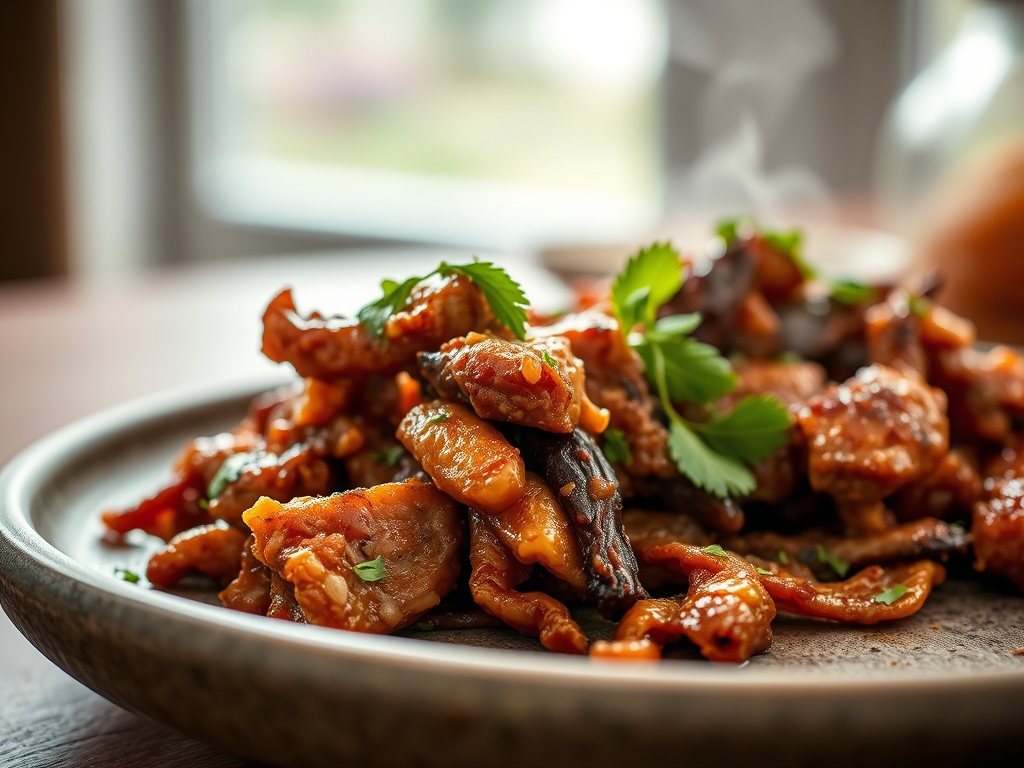
Referencing the Masterclass photo, your Spicy Pork Carnitas should exhibit a high-contrast color palette. You are looking for deep mahogany edges against a pale, juicy interior. If your meat looks gray and uniform, you skipped the final searing step or the pan was not hot enough. If the meat looks "fuzzy" or overly shredded, you worked it too hard with the forks; aim for distinct muscular structures. Dull colors usually indicate a lack of acidity; a fresh squeeze of lime juice right before serving will aerate the heavy flavors and brighten the visual appearance of the dish. If the fat is pooling at the bottom of the plate, you failed to properly emulsify the reserved juices back into the meat during the final sear.
THE DEEP DIVE
Macro Nutrition Profile:
A standard 150g serving of these carnitas contains approximately 380 calories. The profile is dominated by 28g of protein and 26g of fat, with negligible carbohydrates (roughly 4g from the onions and citrus). This makes it an ideal candidate for high-fat, moderate-protein dietary protocols.
Dietary Swaps:
- Vegan: Substitute the pork with pulled king oyster mushrooms or young jackfruit. Use coconut oil instead of lard and reduce the cooking time to 45 minutes.
- Keto: This recipe is naturally keto-friendly. Ensure you do not add extra sugar to the braising liquid.
- Gluten-Free: This protocol is inherently gluten-free, provided your spices are not processed with wheat-based anti-caking agents.
Meal Prep & Reheating Science:
To maintain the molecular structure during reheating, do not use a microwave; it will turn the fat rubbery. Instead, reheat the pork in a dry skillet over medium heat. This allows the fat to re-render and restores the crispy texture of the edges. If the meat seems dry, add a teaspoon of water and cover the pan for sixty seconds to create steam before uncovering to crisp.
THE KITCHEN TABLE
How do I make my carnitas spicier?
Increase the chipotle in adobo count or add two chopped habaneros to the braising liquid. The capsaicin will infuse into the fat, ensuring the heat is distributed evenly throughout every bite of the pork.
Can I use a slow cooker?
Yes, set it to low for 7 to 8 hours. However, you must still perform the final sear in a skillet or broiler to achieve the necessary textural contrast. A slow cooker cannot produce the Maillard reaction on its own.
Why is my pork tough?
Toughness usually indicates the collagen has not yet fully converted to gelatin. Put the meat back into the liquid and continue simmering. Real carnitas should yield to the slightest pressure from a fork without any resistance.
What is the best way to store leftovers?
Store the pork in an airtight container submerged in a small amount of its own cooking liquid. This prevents the proteins from oxidizing and drying out in the refrigerator. It will stay fresh for up to four days.