Listen to the sound of high-pressure culinary engineering. It is the rhythmic, staccato pop of pork fat hitting a searing-hot stainless steel surface. This is not just cooking; it is a thermal extraction of flavor. When you prepare Spicy Chorizo Bites, you are managing a delicate chemical equilibrium between the saturated fats of the porcine shoulder and the volatile oils of smoked pimenton. The goal is a perfect Maillard reaction that yields a crisp, mahogany exterior while maintaining a succulent, juicy core. Most amateur efforts result in a greasy puddle or a desiccated husk because they fail to respect the ratio of lipid to protein. We are here to audit that process. We are looking for that specific point of saturation where the spice becomes a structural component of the meat rather than a surface coating. Get your mise en place ready and calibrate your sensors. We are diving into the mechanical breakdown of the ultimate piquant appetizer. This is where high-heat physics meets artisanal butchery.
THE DATA MATRIX
| Metric | Specification |
|---|---|
| Prep Time | 20 Minutes |
| Execution Time | 15 Minutes |
| Yield | 24 Spicy Chorizo Bites |
| Complexity (1-10) | 4 |
| Estimated Cost per Serving | $1.25 |
THE GATHERS
Ingredient Protocol:
- 500g / 1.1 lbs High-Quality Ground Pork (80/20 lean-to-fat ratio)
- 15g / 3 tsp Smoked Spanish Pimenton (De La Vera)
- 4g / 1 tsp Cayenne Pepper (Adjust for heat threshold)
- 10g / 2 tsp Kosher Salt
- 30ml / 2 tbsp Dry White Wine (Cold)
- 3 cloves Garlic (Microplaned into a paste)
- 5g / 1 tsp Dried Oregano (Rubbed to release oils)
- 15ml / 1 tbsp Extra Virgin Olive Oil (For the initial sear)
Section A: Ingredient Quality Audit:
The primary failure point in Spicy Chorizo Bites is the fat quality. If your pork smells "piggy" or sour, the oxidation of the lipids will ruin the dish. Ensure you are using fresh, chilled shoulder. If the mixture feels too lean, the pimenton will taste chalky rather than integrated. Fix this by adding 50g of finely diced back-fat to the grind. Another common issue is stale spices. If your pimenton lacks a deep, smoky aroma, it has lost its volatile compounds. To fix this, lightly toast the spices in a dry saucier for 30 seconds before incorporating them into the meat. This wakes up the piperine and capsaicin molecules.
THE MASTERCLASS
1. The Molecular Bind
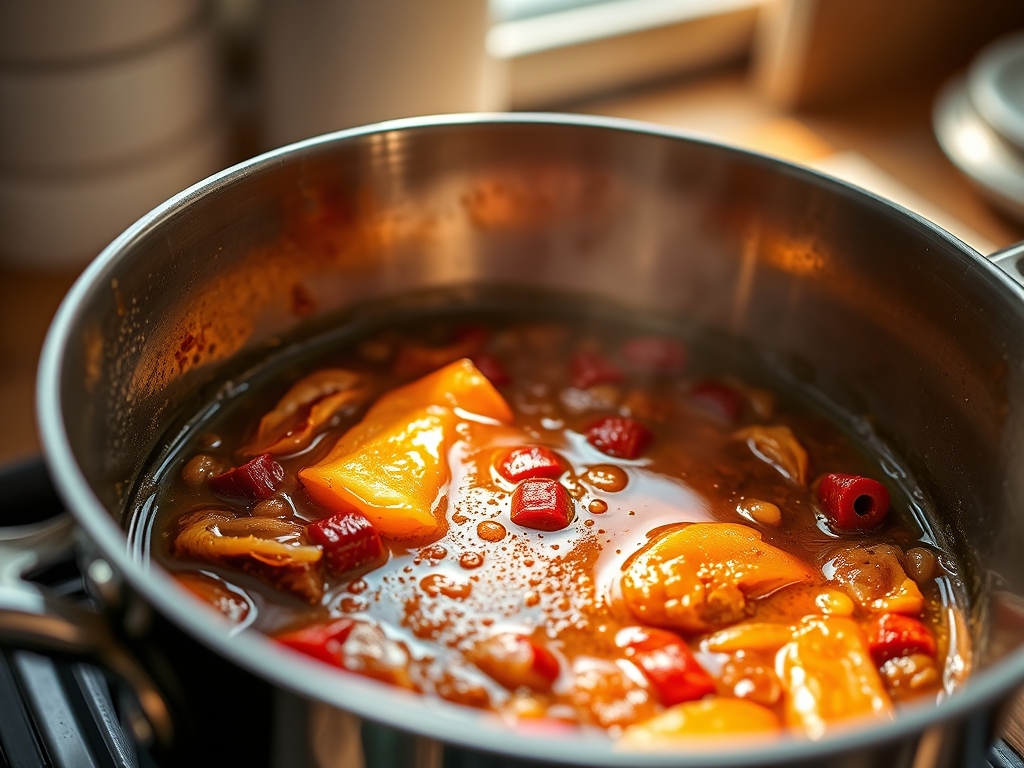
Combine the ground pork, garlic, and all dry spices in a chilled stainless steel bowl. Using a digital scale ensures your ratios are exact. Pour in the cold white wine. Use your hands or a heavy-duty mixer to work the meat until it becomes tacky and develops "primary bind."
Pro Tip: The addition of cold liquid and mechanical agitation helps aerate the proteins and creates an emulsion between the fat and the water content. This prevents the bites from shrinking excessively during the cook.
2. Precision Portioning
Use a small spring-loaded scoop or a bench scraper to divide the mixture into 20g spheres. Roll them gently between your palms to ensure a smooth surface area. A smooth surface ensures even heat distribution and prevents jagged edges from burning before the center is cooked.
Pro Tip: Uniformity is the soul of consistency. If the bites vary in size, the thermal carryover will be uneven; some will be dry while others remain under-rendered.
3. The Thermal Sear
Heat a heavy-bottomed cast iron skillet or saucier over medium-high heat. Add the olive oil. Once the oil begins to shimmer (approximately 190C / 375F), carefully place the bites into the pan. Do not overcrowd the surface as this drops the temperature and causes the meat to steam rather than sear.
Pro Tip: You are looking to render the internal fat while simultaneously creating a crust. This requires high initial heat to trigger the Maillard reaction, followed by a slight reduction in flame to cook the interior.
4. Deglaze and Glaze
Once the bites have a deep crimson crust, remove excess fat from the pan. Add a splash of water or more wine to deglaze the fond (the brown bits) from the bottom of the pan. Toss the bites in this concentrated liquid until it reduces to a viscous glaze that coats each piece.
Pro Tip: This step re-incorporates the concentrated spice oils that escaped during the searing process, ensuring every bite is an explosion of flavor.
Section B: Prep & Timing Fault-Lines:
The most frequent human error is "pan-panic." If you move the Spicy Chorizo Bites too early, the protein chains haven't bonded to the crust, and the meat will tear. Wait for the meat to self-release from the pan. Another timing error is the "cold-start" mistake. If you put cold meat into a cold pan, the fat melts out slowly, leaving you with a rubbery texture. Always ensure your pan is pre-heated. Use an infrared thermometer if you want to be a true kitchen auditor.
THE VISUAL SPECTRUM
Section C: Thermal & Visual Troubleshooting:
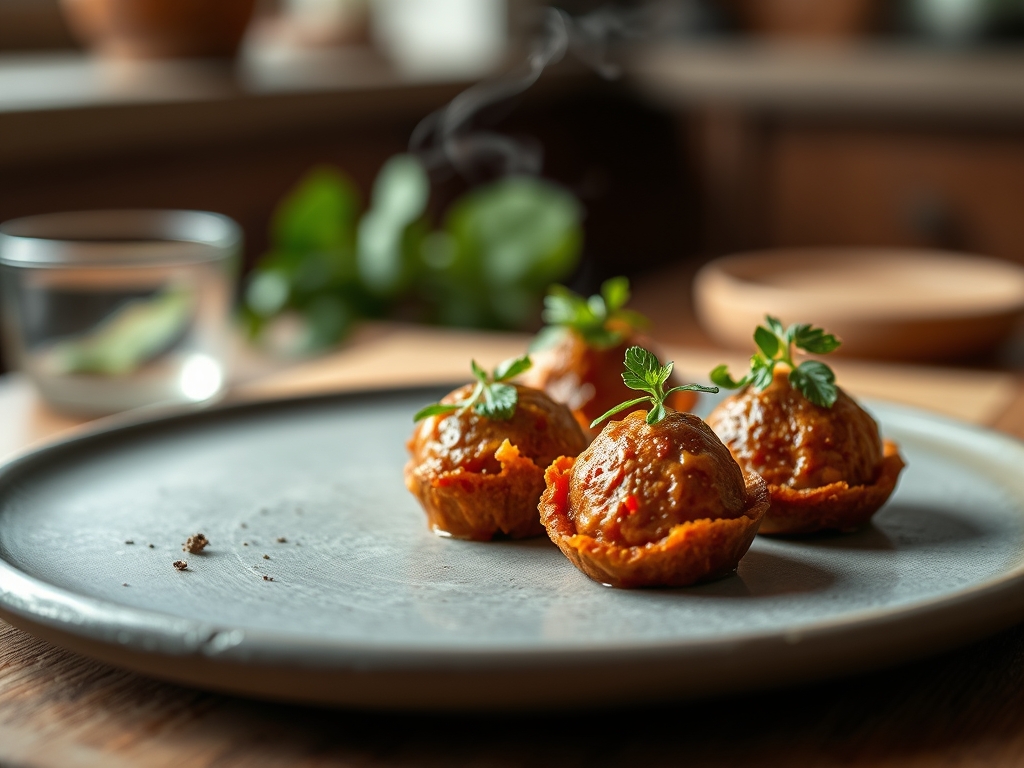
Referencing our Masterclass photo, your Spicy Chorizo Bites should exhibit a vibrant, sunset-orange hue with dark, caramelized patches. If your bites look grey or dull, your heat was too low or your pimenton was old. If the oil in the pan is turning black, your spices are burning; reduce the heat immediately. A successful audit reveals a glistening exterior that is not dripping in grease but rather coated in a thin, viscous sheen of infused oil. The texture should be firm to the touch with a slight "snap" when bitten into, indicating a proper protein bind.
THE DEEP DIVE
- Macro Nutrition Profile: Each bite contains approximately 65 calories, 5g of fat, 4g of protein, and less than 1g of carbohydrates. This makes them a high-density energy source.
- Dietary Swaps: For a Vegan alternative, use a soy-based crumble mixed with 10% refined coconut oil to mimic the saturated fat mouthfeel. For Keto, these are naturally compliant. For GF, ensure your pimenton is certified, as some lower-grade spices use flour as an anti-caking agent.
- Meal Prep & Reheating Science: To maintain molecular structure, do not microwave. The rapid agitation of water molecules in a microwave will turn the fat into a puddle. Instead, reheat in an air fryer or oven at 175C / 350F for 5 minutes to re-crisp the exterior and gently infuse the interior heat.
THE KITCHEN TABLE
How do I prevent the garlic from burning?
By microplaning the garlic into a paste and mixing it thoroughly into the meat matrix, you protect the garlic solids from direct contact with the pan. This allows the flavor to infuse without the bitterness of scorched alliums.
Can I use chorizo sausage links instead?
You can, but you lose control over the fat-to-spice ratio. Removing the casing and re-balancing the meat with extra pimenton and salt allows for a more "professional grade" result tailored to your specific palate.
Why is my chorizo leaking orange oil?
This is a sign of successful rendering! The pimenton is oil-soluble, so as the pork fat melts, it picks up the pigment and flavor of the peppers. Use this oil to deglaze or as a base for a dipping sauce.
What is the best way to store leftovers?
Store them in an airtight glass container for up to four days. Glass is non-porous and won't absorb the intense pigments of the pimenton, whereas plastic containers will be permanently stained orange by the piquant oils.