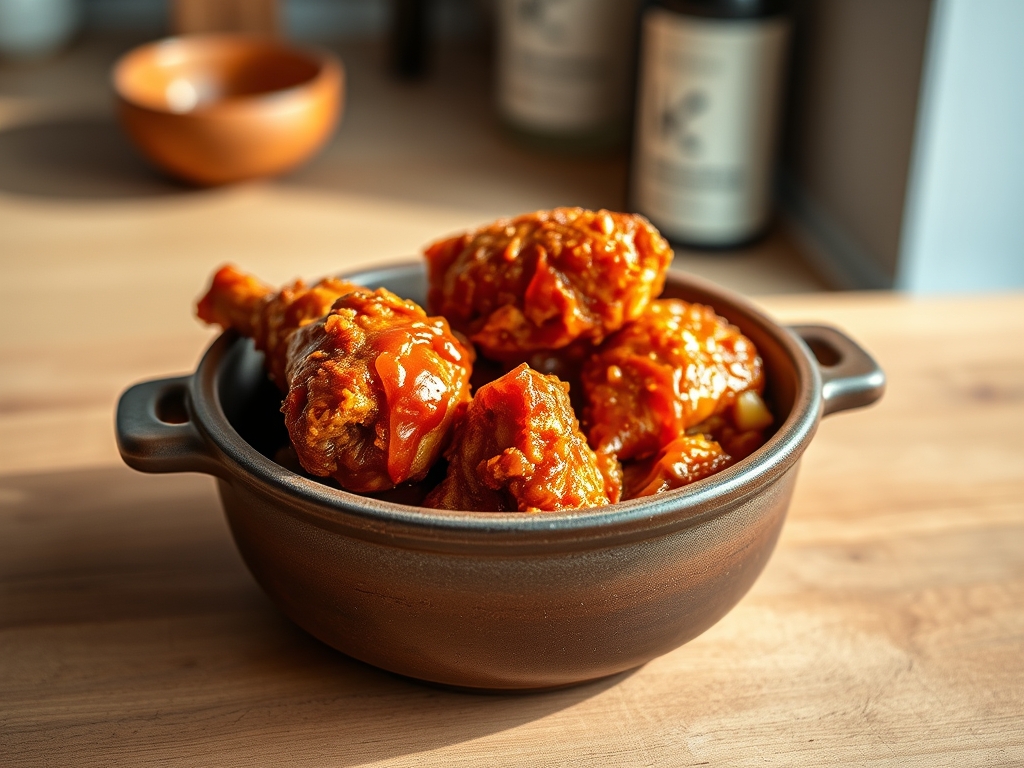
Stop settling for flaccid, uninspired poultry that tastes like a missed opportunity. We are here to talk about Harissa Roasted Chicken; a dish that demands respect, precision, and a complete overhaul of your current roasting protocols. If your chicken lacks the deep, brick-red lacquer of a properly emulsified chili paste, you are simply playing with heat rather than mastering it. We are hunting for that perfect intersection where the skin achieves a glass-like shatter and the meat remains a reservoir of piquant juices. This is not just a Sunday dinner; it is a structural audit of flavor delivery systems. We are looking for the Maillard reaction to go into overdrive while the capsaicin from the harissa permeates the cellular structure of the root vegetables nestled beneath the bird. Every drop of rendered fat is a vehicle for spice. Every clove of garlic is a soft, caramelized bomb waiting to explode. If you are ready to stop cooking and start engineering an edible masterpiece, then grab your digital scale and let us begin the calibration.
THE DATA MATRIX
| Metric | Specification |
|---|---|
| Prep Time | 25 Minutes |
| Execution Time | 65 Minutes |
| Yield | 4 Servings |
| Complexity | 6 / 10 |
| Estimated Cost per Serving | $4.75 USD |
THE GATHERS
Ingredient Protocol:
- 1.8 kg / 4 lbs Whole Organic Chicken (Spatchcocked)
- 120 ml / 0.5 cup Premium Harissa Paste (Tunisian style)
- 60 ml / 4 tbsp Extra Virgin Olive Oil
- 30 ml / 2 tbsp Fresh Lemon Juice
- 15 g / 1 tbsp Smoked Paprika
- 10 g / 2 tsp Topped Cumin Seeds (Toasted)
- 500 g / 1.1 lbs Yukon Gold Potatoes (Cubed)
- 300 g / 10.5 oz Rainbow Carrots (Oblique cut)
- 1 Large Red Onion (Wedged)
- 5 g / 1 tsp Flaky Sea Salt
Section A: Ingredient Quality Audit:
Sub-par raw materials will collapse under the high-heat requirements of this protocol. If your harissa is "shelf-stable" and contains more water than chili, the infusion will fail. Technical Fix: If the paste is too thin, reduce it in a small saucier over low heat to concentrate the solids. If your chicken skin is damp, the steam will prevent crisping. Technical Fix: Use a paper towel to perform a total surface moisture extraction or leave the bird uncovered in the refrigerator for four hours to air-dry the epidermis. Finally, if your spices are over six months old, they have lost their volatile oils. Technical Fix: Re-awaken them by dry-toasting in a stainless steel pan until the aroma becomes pungent.
THE MASTERCLASS
Step-by-Step Execution:
1. The Spatchcock Maneuver
Place the chicken breast-side down on a heavy-duty cutting board. Using professional kitchen shears, remove the backbone by cutting along both sides of the spine. Flip the bird and press firmly on the breastbone until you hear a crack. Pro Tip: Flattening the bird increases the surface area exposed to direct heat, ensuring the dark meat and white meat reach their target temperatures simultaneously. Use a bench scraper to easily clear away any bone fragments from your workspace.
2. Emulsifying the Infusion Matrix
In a stainless steel mixing bowl, whisk together the harissa, olive oil, lemon juice, smoked paprika, and toasted cumin. You are looking for a viscous consistency that clings to a spoon. Pro Tip: Use a digital scale to measure your spices by weight rather than volume for absolute consistency. The oil acts as a solvent for the fat-soluble capsaicin, ensuring the heat is distributed evenly across the palate.
3. The Root Vegetable Foundation
Toss your potatoes, carrots, and onions in a large roasting pan with a splash of oil and salt. Arrange them in a single layer to create a thermal bed for the poultry. Pro Tip: The vegetables act as a heat sink, preventing the bottom of the chicken from overcooking while they soak up the rendered chicken fat and spicy marinade. Ensure your cuts are uniform using a sharp chef knife to guarantee a synchronized cook time.
4. Application and Saturation
Slather the harissa matrix over every square centimeter of the chicken, including under the skin of the breast and thighs. Use your hands to massage the paste into the crevices. Pro Tip: The acidity in the lemon juice helps to denature the surface proteins, allowing the spices to infuse deeper into the muscle fibers. Do not rush this; total coverage is mandatory for the visual spectrum we desire.
5. Thermal Execution
Slide the pan into a preheated oven at 200C / 400F. Roast until a digital probe thermometer inserted into the thickest part of the thigh reads 74C / 165F. Pro Tip: High-velocity airflow in a convection oven will accelerate the Maillard reaction, creating that signature charred crust. If the skin darkens too quickly, tent it loosely with foil to protect the lipids from scorching.
6. The Rest and Deglaze
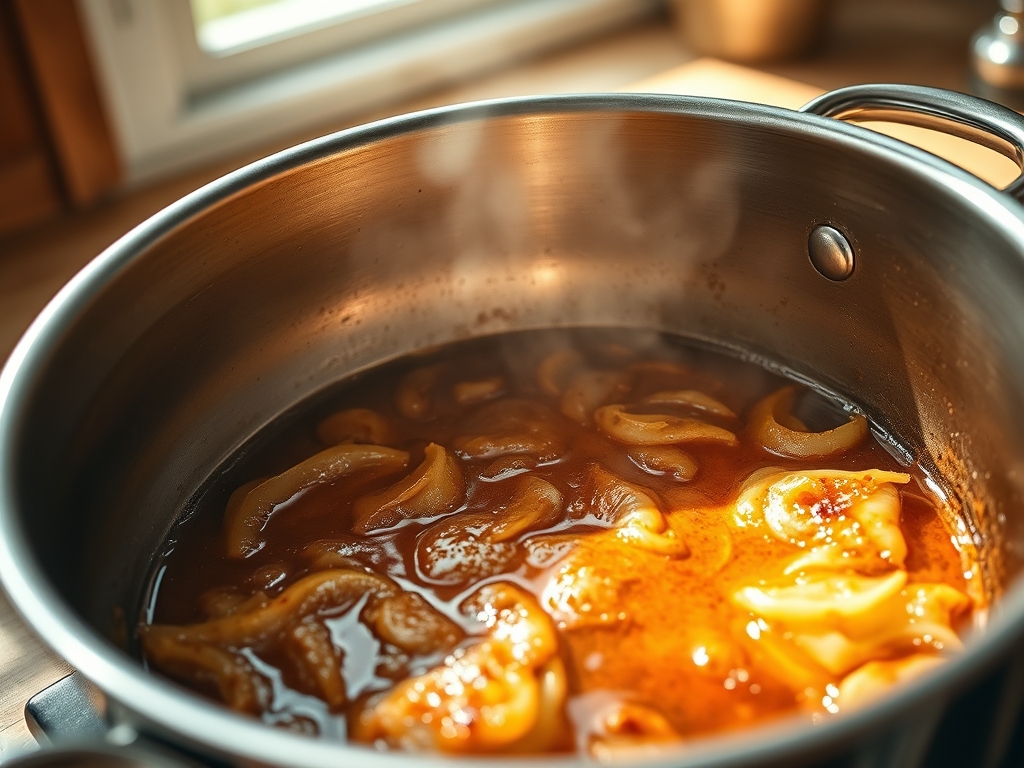
Remove the chicken to a resting board for 10 minutes. While it rests, check the vegetables. If they need more color, return the pan to the oven. Pro Tip: Resting allows the internal pressure to equalize, preventing the juices from rushing out when you carve. Use a saucier to collect any pan drippings and whisk in a splash of chicken stock to deglaze the brown bits, creating a concentrated jus.
Section B: Prep & Timing Fault-Lines:
The most common failure in this protocol is "Thermal Shock." Taking a chicken directly from a 3C refrigerator to a 200C oven causes the muscle fibers to seize, resulting in a tough texture. Always allow the protein to temper at room temperature for 30 minutes. Another fault-line is overcrowding the roasting pan. If the vegetables are stacked, they will steam rather than roast, resulting in a mushy texture. Use a larger pan or two separate sheets if necessary to maintain airflow.
THE VISUAL SPECTRUM
Section C: Thermal & Visual Troubleshooting:
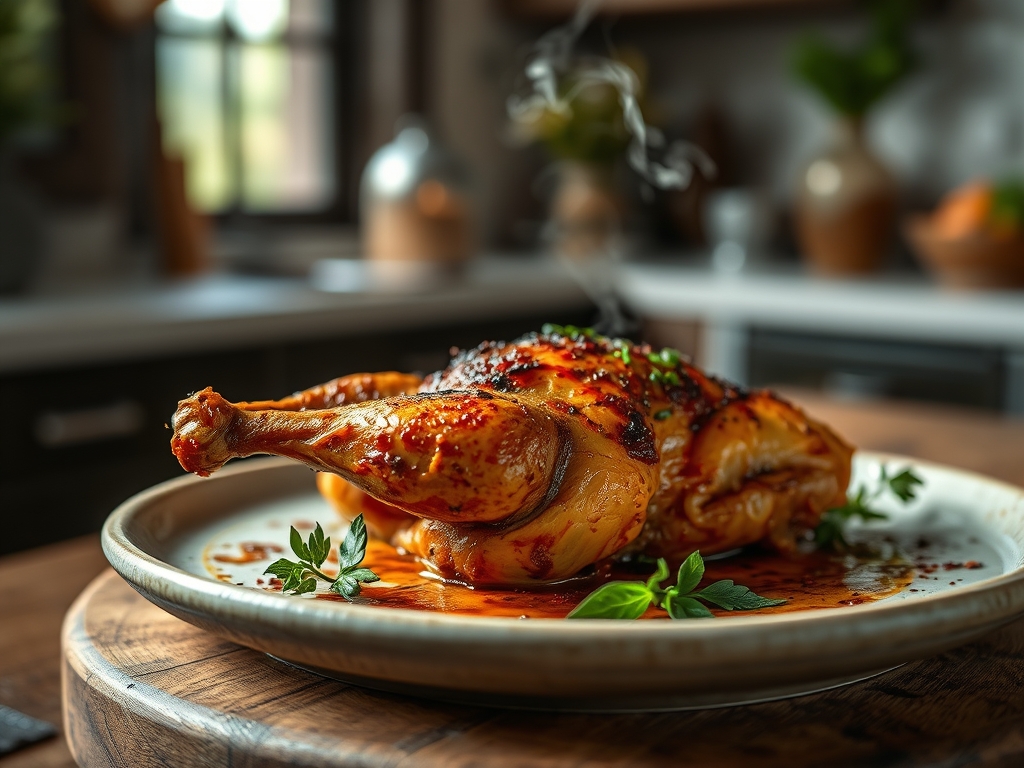
Look at the Masterclass photo above. Notice the deep mahogany hue of the skin; this is the result of the sugars in the harissa caramelizing perfectly. If your chicken looks pale or orange, your oven temperature was likely too low, or your marinade lacked density. If the skin is black but the meat is raw, your rack position was too high. The vegetables should have charred edges and a glossy sheen from the rendered fat. If they look dry, you did not use enough oil in the initial toss. The visual goal is a "burnt orange" aesthetic that signals high-intensity flavor.
THE DEEP DIVE
Macro Nutrition Profile
A single serving of Harissa Roasted Chicken provides approximately 450 calories, 35g of protein, 22g of healthy fats, and 28g of complex carbohydrates. The capsaicin in the harissa provides a metabolic boost, while the root vegetables offer a significant dose of Vitamin A and potassium.
Dietary Swaps (Vegan/Keto/GF)
- Vegan: Swap the chicken for thick-cut cauliflower steaks or firm tofu blocks. Reduce roasting time by 50 percent.
- Keto: Eliminate the potatoes and carrots; substitute with cauliflower florets, radishes, or zucchini chunks to maintain a low glycemic index.
- GF: This recipe is naturally gluten-free; however, verify that your harissa paste does not use thickeners derived from wheat.
Meal Prep & Reheating Science
To maintain the molecular structure during reheating, avoid the microwave at all costs. The microwave agitates water molecules, turning your crispy skin into a rubbery mess. Instead, use an air fryer at 175C for 5 minutes or a toaster oven. This re-activates the fats in the skin, restoring the crunch while gently warming the interior.
THE KITCHEN TABLE
Can I use rose harissa instead of standard?
Yes. Rose harissa adds a floral complexity that balances the heat. It is particularly effective if you find standard harissa too aggressive. The floral notes pair beautifully with the lemon acidity in this specific poultry audit.
Why is my chicken skin soggy despite the high heat?
Surface moisture is the enemy of crispness. If the chicken was not properly dried or if you basted it with water-based liquids during the cook, the skin will steam. Stick to oil-based marinades for maximum crunch.
What is the best way to carve a spatchcocked bird?
Start by removing the legs and wings at the joints. Then, cut down the center of the breastbone to create two halves, and slice each breast into thick medallions. This ensures everyone gets a portion of the crispy skin.
My vegetables are cooked but not browned. Help!
Switch your oven to the broil setting for the final 3 minutes of the cook. Monitor closely; the transition from "perfectly browned" to "incinerated" happens in seconds. This provides the high-intensity radiant heat needed for caramelization.